Quick Answer
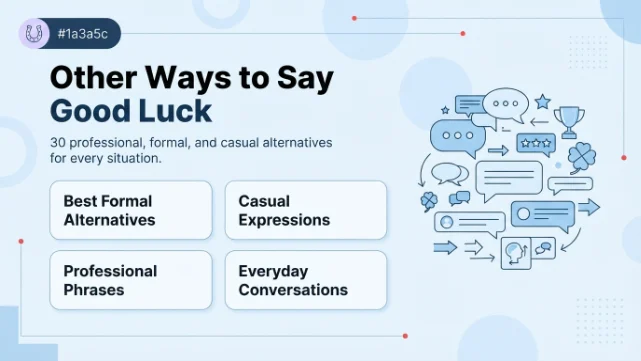
Instead of repeating “good luck” every time, English speakers often switch things up with phrases like break a leg, best of luck, fingers crossed, you’ve got this, and wishing you success. These alternatives to “good luck” help you sound more natural, fluent, and situationally appropriate whether you are writing a formal email or cheering on a friend.
“Good luck” is one of the most common phrases in English, used to wish someone success before an exam, interview, competition, or big event. It works in almost any setting, which is exactly why it gets overused. Learning alternatives to good luck allows you to match your tone more precisely, whether you want to sound warm and casual or polished and professional.
People use “good luck” so often that it can start to feel flat or generic, especially in written communication like emails or cards. Having a wider vocabulary lets you express excitement in English more vividly, show genuine encouragement, and avoid sounding repetitive when you are wishing several people well in the same conversation or message.
This guide breaks down 30 alternatives by tone and context, so you always have the right words ready, whether you are speaking casually with friends or writing a professional message to a colleague.
“The right tone makes your English sound professional and confident.”
Quick Categories
Formal alternatives to “good luck”
- Best wishes for your success
- I wish you every success
- May success be yours
- Wishing you the best of luck
Pro Tip: Formal alternatives work best in emails, official letters, and professional cards. Pair them with the person’s name for a more personal touch, such as “Best wishes for your success, Sarah.”
Casual alternatives
- You’ve got this
- Fingers crossed for you
- Go get ’em
- Rooting for you
Pro Tip: Casual phrases are perfect for texting friends or family before an event. Keep them short and add an exclamation mark to sound more encouraging.
Professional alternatives
- Wishing you continued success
- All the best with your presentation
- I have full confidence in you
- Here’s to a successful outcome
Pro Tip: In workplace settings, tie your wish to the specific task, such as “All the best with your presentation,” to sound thoughtful rather than generic.
Informal expressions
- Break a leg
- Knock ’em dead
- You’ve totally got this
- Smash it
Pro Tip: Informal expressions like “break a leg” are common in performance or creative contexts. Avoid using them in written business communication.
“A well-chosen phrase shows you actually understand the moment, not just the words.”
Common Mistakes
- Using “good luck” in overly formal writing without context.
Wrong: “Good luck.” (as a standalone line in a formal letter) - Saying “break a leg” outside performance contexts, which confuses learners.
Wrong: “Break a leg on your job interview” (better suited for theater or performances) - Overusing the same phrase repeatedly in one message.
Wrong: “Good luck! Also, good luck with the exam. Good luck overall!” - Mismatching tone, like using slang in a business email.
Wrong: “Smash it at the board meeting tomorrow.” - Forgetting to personalize the wish for the specific event.
Wrong: “Good luck.” (with no mention of what the person is doing)
What Does “Good Luck” Mean?
“Good luck” is an expression used to wish someone success or a favorable outcome, typically before they attempt something challenging or uncertain. Grammatically, it functions as a short interjection or noun phrase and does not require a full sentence to be understood.
Example Sentence: “Good luck with your exam tomorrow!”
When to Use “Good Luck”
- Before an exam, interview, or competition
- When someone is starting a new job or project
- During casual conversations with friends and family
- Spoken: Very common and natural in everyday speech
- Written: Common in texts and casual emails, less common in formal documents
- Formal: Rarely used alone; usually needs supporting context
- Informal: Extremely common and widely accepted
Is It Professional or Polite to Say “Good Luck”?
“Good luck” is polite and friendly, but it is not always considered professional on its own, especially in formal business writing where more specific phrasing is expected.
Business Example: Instead of “Good luck with the client meeting,” a more professional version would be “I wish you every success with the client meeting today.”
Polite? Yes Professional? No (in most formal contexts)
Pros and Cons of Using “Good Luck”
Pros:
- Simple and natural
- Friendly tone
- Common usage
- Easy to understand
Cons:
- Too informal for work
- Overused
- Limited emotional range
- Not suitable for formal writing
“Fluency isn’t about knowing more words, it’s about knowing which word fits the moment.”
Other Ways to Say “Good Luck”
These alternatives will help you sound more fluent, confident, and natural in different situations. Use them according to tone, context, and audience to express excitement, admiration, or approval.
1. Phrase: Break a leg
Meaning: A traditional way to wish someone success, especially before a performance. Explanation: Common in theater and creative fields as a superstition-based good luck phrase. Example Sentence: “Break a leg tonight, the whole cast is going to love your performance.” Best Use: performances, auditions Worst Use: business meetings Tone: playful, encouraging Context Variability: casual, spoken
2. Phrase: Best of luck
Meaning: A slightly more formal version of “good luck.” Explanation: Works well in both spoken and written English. Example Sentence: “Best of luck with your final exams next week.” Best Use: exams, interviews Worst Use: very casual texts Tone: warm, respectful Context Variability: professional, casual, spoken
3. Phrase: Fingers crossed
Meaning: An expression showing hope for a positive outcome. Explanation: Often used when the speaker also hopes for success alongside the listener. Example Sentence: “Fingers crossed you get the promotion this week.” Best Use: shared hopes, informal support Worst Use: formal writing Tone: hopeful, friendly Context Variability: casual, spoken
4. Phrase: You’ve got this
Meaning: A confidence-boosting phrase telling someone they are capable. Explanation: Focuses on encouragement rather than luck itself. Example Sentence: “You’ve got this, just stay calm during the interview.” Best Use: motivation, encouragement Worst Use: formal documents Tone: supportive, energetic Context Variability: casual, spoken, professional
5. Phrase: Wishing you success
Meaning: A formal way to hope for a good outcome. Explanation: Common in professional emails and cards. Example Sentence: “Wishing you success in your new role.” Best Use: emails, professional cards Worst Use: casual texting Tone: formal, sincere Context Variability: professional, written
6. Phrase: I have full confidence in you
Meaning: Expresses trust in someone’s ability to succeed. Explanation: Adds a personal, reassuring tone to encouragement. Example Sentence: “I have full confidence in you for tomorrow’s presentation.” Best Use: workplace support Worst Use: brief casual chats Tone: reassuring, professional Context Variability: professional, spoken
7. Phrase: Go get ’em
Meaning: An energetic way to encourage someone before a challenge. Explanation: Common among friends and sports contexts. Example Sentence: “Go get ’em, you’ve prepared for this all month.” Best Use: sports, casual motivation Worst Use: formal writing Tone: energetic, casual Context Variability: casual, spoken
8. Phrase: Knock ’em dead
Meaning: Wishing someone great success, especially impressing others. Explanation: Often used before performances or presentations. Example Sentence: “Knock ’em dead at the audition tomorrow.” Best Use: performances, presentations Worst Use: written formal documents Tone: bold, enthusiastic Context Variability: casual, spoken
9. Phrase: May success be yours
Meaning: A poetic, formal wish for good fortune. Explanation: Often used in speeches or written formal messages. Example Sentence: “May success be yours as you begin this new chapter.” Best Use: speeches, formal letters Worst Use: everyday conversation Tone: elegant, formal Context Variability: professional, written
10. Phrase: Rooting for you
Meaning: Expressing personal support and hope for someone’s success. Explanation: Common among friends, family, and coworkers. Example Sentence: “I’m rooting for you during the finals this week.” Best Use: personal encouragement Worst Use: formal business writing Tone: warm, supportive Context Variability: casual, professional, spoken
11. Phrase: Wishing you the best of luck
Meaning: An extended, slightly more emphatic version of “good luck.” Explanation: Adds warmth while remaining fairly neutral in tone. Example Sentence: “Wishing you the best of luck on your new venture.” Best Use: cards, emails Worst Use: quick casual messages Tone: kind, sincere Context Variability: professional, casual, written
12. Phrase: Here’s to a successful outcome
Meaning: A toast-like phrase wishing for positive results. Explanation: Often used in professional or celebratory settings. Example Sentence: “Here’s to a successful outcome for the entire team.” Best Use: business gatherings, toasts Worst Use: casual daily chat Tone: formal, celebratory Context Variability: professional, spoken
13. Phrase: All the best
Meaning: A brief, versatile way to wish someone well. Explanation: Works in both spoken and written English across tones. Example Sentence: “All the best with your move to the new city.” Best Use: general well-wishing Worst Use: highly formal legal documents Tone: friendly, neutral Context Variability: casual, professional, written
14. Phrase: Smash it
Meaning: An informal way to say someone will do extremely well. Explanation: Common in British English among younger speakers. Example Sentence: “Smash it at your match tomorrow, you’ve trained hard.” Best Use: sports, casual encouragement Worst Use: professional emails Tone: bold, casual Context Variability: casual, spoken
15. Phrase: You’ll do great
Meaning: A reassuring statement predicting a positive outcome. Explanation: Focuses on confidence rather than chance. Example Sentence: “You’ll do great, you’ve practiced this speech so many times.” Best Use: reassurance, motivation Worst Use: formal written notices Tone: encouraging, gentle Context Variability: casual, spoken
16. Phrase: Wishing you every success
Meaning: A formal phrase expressing hope for continued achievement. Explanation: Frequently used in professional correspondence. Example Sentence: “Wishing you every success in your new position.” Best Use: formal emails, farewell cards Worst Use: casual texting Tone: formal, respectful Context Variability: professional, written
17. Phrase: I’m cheering you on
Meaning: Expresses active support for someone’s success. Explanation: Common among friends, family, and mentors. Example Sentence: “I’m cheering you on from home during your race.” Best Use: personal support Worst Use: formal business settings Tone: warm, encouraging Context Variability: casual, spoken
18. Phrase: You’re going to nail it
Meaning: Confidently predicts success for the listener. Explanation: A casual, energetic way to build confidence. Example Sentence: “You’re going to nail it in the interview tomorrow.” Best Use: motivation, confidence-building Worst Use: formal writing Tone: confident, casual Context Variability: casual, spoken
19. Phrase: Best wishes for your success
Meaning: A polished, formal way to hope someone succeeds. Explanation: Common in professional cards and closing lines. Example Sentence: “Best wishes for your success in the upcoming semester.” Best Use: cards, formal closings Worst Use: casual chat Tone: formal, warm Context Variability: professional, written
20. Phrase: I believe in you
Meaning: Expresses personal trust and confidence in someone’s abilities. Explanation: Deeply supportive, often used in close relationships. Example Sentence: “I believe in you, you’ve worked so hard for this.” Best Use: personal encouragement Worst Use: formal business emails Tone: heartfelt, sincere Context Variability: casual, spoken
21. Phrase: Wishing you well
Meaning: A general, versatile way to hope for someone’s wellbeing and success. Explanation: Slightly more neutral than “good luck.” Example Sentence: “Wishing you well as you start this new journey.” Best Use: general messages, cards Worst Use: highly casual texts Tone: neutral, kind Context Variability: professional, casual, written
22. Phrase: Hope it all goes well
Meaning: A softer, conversational way to wish someone success. Explanation: Common in everyday spoken English. Example Sentence: “Hope it all goes well with your doctor’s appointment.” Best Use: everyday conversation Worst Use: formal documents Tone: gentle, casual Context Variability: casual, spoken
23. Phrase: Sending you positive vibes
Meaning: An informal, modern way to express hope and encouragement. Explanation: Common on social media and in casual messages. Example Sentence: “Sending you positive vibes for your presentation today.” Best Use: social media, texts Worst Use: formal business writing Tone: modern, casual Context Variability: casual, written
24. Phrase: Wishing you continued success
Meaning: A professional phrase acknowledging ongoing achievement. Explanation: Often used when someone is already succeeding and moving forward. Example Sentence: “Wishing you continued success in your career.” Best Use: professional milestones Worst Use: first-time attempts Tone: formal, respectful Context Variability: professional, written
25. Phrase: Go show them what you’ve got
Meaning: An energetic push encouraging someone to perform well. Explanation: Common before competitions or performances. Example Sentence: “Go show them what you’ve got at the finals tonight.” Best Use: sports, performances Worst Use: formal writing Tone: energetic, bold Context Variability: casual, spoken
26. Phrase: I have every confidence you’ll succeed
Meaning: A formal, elegant way to express strong belief in someone. Explanation: Common in leadership or mentorship communication. Example Sentence: “I have every confidence you’ll succeed in this role.” Best Use: professional mentorship Worst Use: casual texting Tone: formal, sincere Context Variability: professional, spoken
27. Phrase: You’re well prepared, so trust yourself
Meaning: Encourages confidence based on preparation rather than luck. Explanation: Useful when someone feels nervous despite being ready. Example Sentence: “You’re well prepared, so trust yourself during the exam.” Best Use: reassurance before tests Worst Use: short quick wishes Tone: supportive, thoughtful Context Variability: casual, professional, spoken
28. Phrase: Here’s hoping for the best
Meaning: A gentle, optimistic way to express hope. Explanation: Slightly more reflective than a direct wish. Example Sentence: “Here’s hoping for the best with your visa application.” Best Use: uncertain situations Worst Use: confident, high-energy contexts Tone: hopeful, calm Context Variability: casual, written
29. Phrase: You have what it takes
Meaning: Reassures someone that they possess the necessary skills to succeed. Explanation: Focuses on ability rather than chance or luck. Example Sentence: “You have what it takes to lead this project successfully.” Best Use: leadership encouragement Worst Use: brief casual greetings Tone: confident, supportive Context Variability: professional, spoken
30. Phrase: Break through with flying colors
Meaning: Wishing someone outstanding success in their endeavor. Explanation: A vivid, expressive phrase for major achievements. Example Sentence: “I hope you break through with flying colors at nationals.” Best Use: major events, competitions Worst Use: minor everyday tasks Tone: vivid, enthusiastic Context Variability: casual, spoken
“Small changes in wording can completely shift how sincere and professional you sound.”
Mini Quiz Self-Check
- Which phrase is most appropriate in a formal business email?
a) Smash it b) Wishing you every success c) Break a leg d) Go get ’em - “Break a leg” is traditionally used in which context?
a) Legal documents b) Theater and performances c) Job interviews d) Academic exams - Which phrase focuses on confidence rather than luck?
a) Fingers crossed b) You’ve got this c) Best of luck d) Here’s hoping for the best - Which of the following is too informal for a professional email?
a) I have full confidence in you b) Best wishes for your success c) Smash it d) Wishing you continued success
Answers: 1-b, 2-b, 3-b, 4-c
Comparison Table Top Alternatives
| Phrase | Tone | Best Use |
|---|---|---|
| Break a leg | Playful | Performances |
| Best of luck | Warm | Exams, interviews |
| Fingers crossed | Hopeful | Informal support |
| You’ve got this | Supportive | Motivation |
| Wishing you success | Formal | Emails, cards |
| I have full confidence in you | Reassuring | Workplace support |
| Rooting for you | Warm | Personal encouragement |
| Wishing you every success | Formal | Professional correspondence |
| All the best | Neutral | General well-wishing |
| I believe in you | Heartfelt | Personal encouragement |
FAQs
What is a formal way to say good luck?
“Wishing you every success” or “Best wishes for your success” are both polished, formal alternatives suitable for professional emails.
What can I say instead of good luck to a friend?
Casual options like “You’ve got this,” “Fingers crossed for you,” or “Rooting for you” feel warm and personal for friends.
Is “break a leg” a professional phrase?
No, “break a leg” is informal and traditionally tied to theater, so it is best avoided in business communication.
How do I wish someone luck professionally in an email?
Use phrases like “I have full confidence in you” or “Wishing you continued success” to sound both polite and professional.
Why should I learn other ways to say good luck?
Learning alternatives to good luck helps you sound more fluent, avoid repetition, and match your tone to the situation more precisely.
Conclusion
Expanding your vocabulary beyond “good luck” gives you the flexibility to sound genuine, confident, and appropriate in any setting, from a quick text to a formal business email. Whether you choose a playful phrase like “break a leg” or a polished line like “wishing you every success,” the key is matching tone to context.
Make it a habit to practice these alternatives in daily conversations and written messages. Over time, choosing the right phrase will become instinctive, helping your English sound more natural, professional, and confident in every situation.
Discover More Related Articles:
- Other Ways to Say Thank You in Spanish | Common Phrases & Expressions In 2026
- Other Ways to Say You’re Welcome |After Thank You In 2026

Laura Adams is a dedicated content writer and blogger known for crafting clear, informative, and engaging articles. As a contributor to Responary.com, she specializes in creating reader-friendly content that educates, inspires, and keeps audiences informed on a wide range of subjects.