Quick Answer
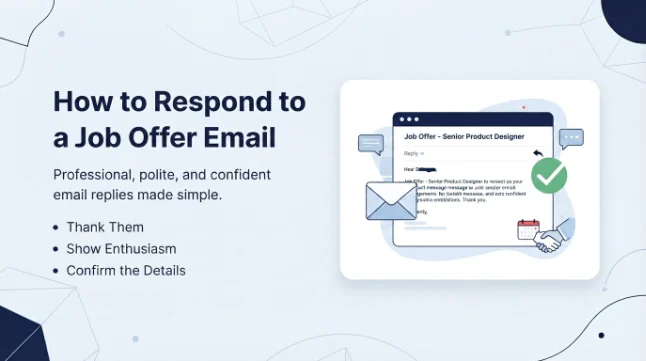
The best way to respond to a job offer email is to thank the employer, clearly state your decision, and confirm the next steps. Choose a response that matches whether you want to accept, negotiate, ask for time, or decline the offer.
Top alternatives: thank you for the job offer, accept a job offer email, negotiate a job offer, ask for time to consider, decline a job offer politely
Getting a job offer can feel like the professional version of hearing “you won!” after weeks of interviews, follow-ups, and refreshing your inbox way too many times. But once the excitement settles in, there is one important question: how do you actually reply? Knowing how to respond to a job offer email matters because your message can shape your professional impression before your first day even begins.
Whether you are thrilled to accept, interested but want to negotiate salary, need a little time to think, or have decided to say no, the right response should be clear, warm, and professional. A good reply does not need to sound robotic or overly formal. It simply needs to show appreciation, communicate your decision, and keep the conversation moving smoothly.
Professional Acceptance Responses
- “Thank you for the offer. I am delighted to accept.”
Example: Use this when you are completely happy with the position and ready to confirm your acceptance.
Meaning: You are expressing gratitude and clearly accepting the job. - “I am pleased to formally accept your offer.”
Example: Use this for a polished reply to a hiring manager or recruiter.
Meaning: You are confirming your decision in a professional tone. - “Thank you for this opportunity. I am excited to join the team.”
Example: Use this when you want your acceptance to sound warm and enthusiastic.
Meaning: You are showing appreciation and genuine excitement about joining. - “I am happy to accept the position of [Job Title].”
Example: Use this when you want to clearly identify the role you are accepting.
Meaning: You are making your acceptance unmistakable. - “I am thrilled to accept your offer.”
Example: Use this when you feel particularly enthusiastic about the opportunity.
Meaning: You are communicating strong excitement about the position. - “Thank you for the opportunity. I gladly accept the offer.”
Example: Use this when you want a short but polished response.
Meaning: You are combining appreciation with a clear acceptance. - “I am excited to officially accept the position.”
Example: Use this when the hiring process has been long and you are ready to move forward.
Meaning: You are confirming your commitment to the role. - “I appreciate the offer and am happy to accept.”
Example: Use this when you want to sound confident without being overly enthusiastic.
Meaning: You value the opportunity and have decided to accept it. - “Please consider this email my formal acceptance.”
Example: Use this when the employer has requested written confirmation.
Meaning: You are providing an official acceptance in writing. - “I am honored to accept the offer and join your organization.”
Example: Use this for a more formal workplace environment.
Meaning: You are expressing appreciation and respect for the opportunity. - “I am excited to accept and look forward to getting started.”
Example: Use this when you want to end your acceptance on an energetic note.
Meaning: You are enthusiastic about beginning the role. - “Thank you for the confidence you have placed in me. I accept the offer.”
Example: Use this when you want to emphasize appreciation for being selected.
Meaning: You are acknowledging the employer’s trust in you.
Warm And Friendly Responses
- “Thank you so much for the offer. I am excited to say yes!”
Example: Use this when the workplace has a friendly and approachable culture.
Meaning: You are accepting with genuine enthusiasm. - “I am excited to join the team. Thank you for this opportunity!”
Example: Use this when you want your reply to feel personal and upbeat.
Meaning: You are showing excitement while remaining professional. - “I am absolutely delighted to accept the offer.”
Example: Use this when you want your excitement to come through clearly.
Meaning: You are enthusiastically confirming your decision. - “Thank you for the wonderful opportunity. I cannot wait to get started.”
Example: Use this when you feel especially excited about the new role.
Meaning: You are expressing strong positive anticipation. - “I am happy to officially say yes!”
Example: Use this with a company that has a casual communication style.
Meaning: You are accepting in a friendly, upbeat way. - “Thank you for making this opportunity possible. I am excited to come aboard.”
Example: Use this when you want to recognize the employer’s effort during the hiring process.
Meaning: You are expressing appreciation and enthusiasm. - “I am really looking forward to becoming part of the team.”
Example: Use this when team culture was an important part of your decision.
Meaning: You are showing excitement about working with your future colleagues. - “I am so pleased to accept and start this next chapter.”
Example: Use this when changing roles feels like an important career milestone.
Meaning: You are expressing optimism about the opportunity. - “Thank you again. I am excited for what is ahead.”
Example: Use this as a warm closing sentence after accepting.
Meaning: You are ending the message positively. - “I am happy to accept and grateful for the opportunity.”
Example: Use this when you want a balanced mix of warmth and professionalism.
Meaning: You are showing appreciation while confirming your decision. - “This is exciting news. Thank you for the offer!”
Example: Use this when the offer arrived unexpectedly or after a competitive process.
Meaning: You are showing authentic excitement. - “I am looking forward to joining everyone.”
Example: Use this when you have already met several members of the team.
Meaning: You are showing that you are eager to build those professional relationships.
Short And Simple Responses
- “Thank you. I am happy to accept the offer.”
Example: Use this when you want a concise professional reply.
Meaning: You are clearly accepting the position. - “Thank you for the offer. I accept.”
Example: Use this when the employer prefers brief communication.
Meaning: You are giving a direct confirmation. - “I am pleased to accept. Thank you!”
Example: Use this for a simple but positive response.
Meaning: You are accepting while showing appreciation. - “I gladly accept the offer.”
Example: Use this when you want your decision to be unmistakably clear.
Meaning: You are confirming acceptance with confidence. - “Thank you for the opportunity. I accept.”
Example: Use this when you want to keep your response formal and concise.
Meaning: You are expressing gratitude and acceptance. - “I am excited to accept the position.”
Example: Use this when you want a little enthusiasm in a short message.
Meaning: You are happy with the opportunity. - “Thank you. I look forward to joining the team.”
Example: Use this when you want to end a short acceptance warmly.
Meaning: You are looking forward to starting. - “I am happy to move forward with the offer.”
Example: Use this when the employer has outlined the next steps.
Meaning: You are confirming your willingness to proceed. - “I am pleased to move forward. Thank you again.”
Example: Use this when the offer details are already clear.
Meaning: You are confirming your decision politely. - “I am delighted to accept the position.”
Example: Use this when you want a concise but enthusiastic reply.
Meaning: You are excited about accepting. - “Thank you for selecting me. I accept the offer.”
Example: Use this when you want to acknowledge being chosen.
Meaning: You appreciate the employer’s decision. - “I am happy to accept and look forward to starting.”
Example: Use this when you want to combine acceptance with forward momentum.
Meaning: You are ready for the next stage.
Responses When You Need Time
- “Thank you for the offer. I would appreciate some time to consider it.”
Example: Use this when you need to review the offer before deciding.
Meaning: You are politely asking for additional time. - “I am grateful for the offer and would like a few days to review the details.”
Example: Use this when you want to carefully examine compensation and benefits.
Meaning: You are interested but not ready to commit. - “Thank you for the opportunity. May I have some time to consider the offer?”
Example: Use this when you want to make a formal request for additional time.
Meaning: You are respectfully asking for a decision period. - “I appreciate the offer and would like to review everything carefully before responding.”
Example: Use this when the package contains several terms you need to understand.
Meaning: You want to make an informed decision. - “Thank you. I am very interested and would appreciate some time to think it over.”
Example: Use this when you want to reassure the employer that your request is not a rejection.
Meaning: You are interested but need time. - “I am excited about the opportunity. Could we discuss the timeline for my decision?”
Example: Use this when the email does not specify an acceptance deadline.
Meaning: You want clarity about how long you have. - “Thank you for the offer. I would like to take a little time to consider the details.”
Example: Use this when you want a friendly and professional request.
Meaning: You are asking for time without sounding hesitant about the opportunity. - “I appreciate the offer and the time your team has invested in the process. I would like some time to review it.”
Example: Use this when you want to show respect while requesting more time.
Meaning: You are being thoughtful and considerate. - “I am very interested in the position and would like to carefully consider the offer.”
Example: Use this when you want to make your continued interest clear.
Meaning: You are interested but not ready to accept. - “Would it be possible for me to have until [Date] to make my decision?”
Example: Use this when you need a specific deadline.
Meaning: You are making a clear and practical request. - “Thank you for the offer. I would like to discuss the decision timeline.”
Example: Use this when you need clarification before committing.
Meaning: You want to know when the employer expects an answer. - “I am grateful for the opportunity and want to give the decision the consideration it deserves.”
Example: Use this when you want a polished way to request time.
Meaning: You want to make a careful decision.
Salary Negotiation Responses
- “Thank you for the offer. I am very interested in the position and would like to discuss the compensation.”
Example: Use this when you like the role but want to negotiate the salary.
Meaning: You are interested while opening a compensation discussion. - “I appreciate the offer. Based on my experience, could we discuss whether there is flexibility in the salary?”
Example: Use this when your qualifications support a higher salary.
Meaning: You are respectfully asking whether the employer can improve the offer. - “I am excited about the role. Would you be open to discussing the base salary?”
Example: Use this when you want a direct but positive negotiation.
Meaning: You are connecting your enthusiasm with a compensation request. - “Thank you for the offer. I was hoping we could discuss a salary closer to [Amount].”
Example: Use this when you have a specific target in mind.
Meaning: You are presenting a clear compensation expectation. - “I appreciate the opportunity. Given my background and experience, I would like to explore whether the salary can be adjusted.”
Example: Use this when your experience provides a strong negotiation case.
Meaning: You are asking for compensation that better reflects your qualifications. - “I am very interested in accepting. Could we revisit the compensation package?”
Example: Use this when you want to negotiate before formally accepting.
Meaning: You are signaling strong interest while requesting a discussion. - “Would there be flexibility to increase the starting salary?”
Example: Use this when salary is the main concern.
Meaning: You are directly asking whether the employer can improve the offer. - “I am excited about the opportunity and would like to discuss the overall compensation package.”
Example: Use this when you want to negotiate more than just salary.
Meaning: You want to review the complete financial package. - “Thank you for the offer. Could we discuss whether the compensation reflects the responsibilities of the role?”
Example: Use this when the position carries significant responsibility.
Meaning: You are connecting pay expectations with the job scope. - “I would be comfortable accepting if we could reach [Amount] in base salary.”
Example: Use this when you have a firm target.
Meaning: You are making your acceptance conditional on compensation. - “I appreciate the offer and would welcome a conversation about compensation.”
Example: Use this when you prefer to negotiate verbally.
Meaning: You want to discuss the financial terms before deciding. - “Could we explore a salary adjustment based on my qualifications and market experience?”
Example: Use this when your skills support a higher compensation level.
Meaning: You are presenting a professional justification for negotiation.
Benefits Negotiation Responses
- “Thank you for the offer. Could we discuss the benefits package in a little more detail?”
Example: Use this when you need more information about benefits before accepting.
Meaning: You want to understand the full value of the offer. - “I am very interested in the position and would like to discuss the overall benefits.”
Example: Use this when benefits are an important factor in your decision.
Meaning: You want to review benefits before committing. - “Could you provide more information about the health insurance options?”
Example: Use this when healthcare coverage is important to your decision.
Meaning: You need additional information about insurance. - “Would there be flexibility regarding the paid time off package?”
Example: Use this when PTO is a priority for you.
Meaning: You are asking whether the leave policy can be negotiated. - “Could we discuss the retirement benefits included in the offer?”
Example: Use this when long-term benefits matter to your decision.
Meaning: You want to understand retirement-related compensation. - “I appreciate the offer. Is there flexibility around the start date?”
Example: Use this when you need additional time before beginning the role.
Meaning: You are negotiating timing rather than compensation. - “Would the company be open to discussing a signing bonus?”
Example: Use this when base salary is fixed but additional compensation may be possible.
Meaning: You are exploring another form of compensation. - “Could we discuss whether remote or hybrid flexibility is available?”
Example: Use this when work arrangement is important to your decision.
Meaning: You want clarity or flexibility around where you work. - “I would like to understand the complete benefits package before making my final decision.”
Example: Use this when the offer summary does not contain enough detail.
Meaning: You need more information before committing. - “Are there professional development benefits included with the role?”
Example: Use this when training or career growth matters to you.
Meaning: You want to understand opportunities for development. - “Could we explore additional PTO as part of the offer?”
Example: Use this when salary is acceptable but time off is important.
Meaning: You are negotiating a non-salary benefit.
How Responses To Ask Questions
- “Thank you for the offer. I have a few questions before I make my decision.”
Example: Use this when important details remain unclear.
Meaning: You want clarification before accepting. - “Could you clarify the expected start date?”
Example: Use this when the offer does not specify when the role begins.
Meaning: You need confirmation of the starting timeline. - “Could you tell me more about the onboarding process?”
Example: Use this when you want to understand what happens after acceptance.
Meaning: You are asking about your transition into the role. - “Could you clarify the working hours for this position?”
Example: Use this when the schedule was not fully discussed during interviews.
Meaning: You want to understand the expected work schedule. - “Could you provide more information about the reporting structure?”
Example: Use this when you want to know who you will work with or report to.
Meaning: You are seeking organizational clarity. - “Could you clarify whether the position is fully remote, hybrid, or office-based?”
Example: Use this when the work arrangement is unclear.
Meaning: You want to understand where and how you will work. - “Could you share more details about the role’s responsibilities?”
Example: Use this when the offer letter is brief.
Meaning: You want a clearer picture of the job. - “I would appreciate clarification on the probation period.”
Example: Use this when the offer mentions probation but does not explain it.
Meaning: You want to understand the conditions of employment. - “Could you explain how performance reviews are handled?”
Example: Use this when you want to understand expectations and advancement.
Meaning: You are asking about evaluation and growth. - “Could you clarify the promotion and advancement opportunities?”
Example: Use this when long-term career growth matters to you.
Meaning: You want to understand future opportunities. - “Could you provide the details of the bonus structure?”
Example: Use this when bonuses are mentioned without explanation.
Meaning: You want clarity about variable compensation. - “Could you confirm whether the position includes travel?”
Example: Use this when travel expectations were not discussed clearly.
Meaning: You need to understand job-related travel requirements.
Responses For A Better Opportunity
- “Thank you for the offer. I have decided to accept another opportunity that aligns more closely with my current goals.”
Example: Use this when another role is a better career match.
Meaning: You are politely explaining your decision. - “I appreciate the offer, but I have decided to move forward with another position.”
Example: Use this when you want to keep the explanation simple.
Meaning: You are declining because you chose another job. - “Thank you for considering me. I have accepted another opportunity that is the best fit for me at this stage.”
Example: Use this when another role better matches your career direction.
Meaning: You are giving a professional reason for declining. - “I am grateful for the offer, but another opportunity better aligns with my long-term goals.”
Example: Use this when career growth influenced your decision.
Meaning: You are explaining your choice without criticizing the company. - “Thank you for the opportunity. After weighing my options, I have chosen another position.”
Example: Use this when you have compared multiple offers.
Meaning: You are respectfully confirming your decision. - “I truly appreciate the offer, but I have committed to another organization.”
Example: Use this when you have already accepted another job.
Meaning: You are politely closing the opportunity. - “Thank you for your time throughout the process. I have decided to pursue another role.”
Example: Use this after a lengthy hiring process.
Meaning: You are ending the process respectfully. - “I appreciate the opportunity, but another position is a closer match for my current priorities.”
Example: Use this when another job better fits your needs.
Meaning: You are explaining the decision without unnecessary criticism. - “I have decided to accept another offer, but I am grateful for the opportunity to meet your team.”
Example: Use this when you had a particularly positive interview experience.
Meaning: You are declining while preserving a good professional relationship. - “Thank you for the offer. I have chosen another opportunity that better supports my career plans.”
Example: Use this when long-term career direction influenced your choice.
Meaning: You are providing a concise professional explanation. - “I am honored to have been considered, but I will be moving forward elsewhere.”
Example: Use this when you want a polished and gracious decline.
Meaning: You are respectfully informing them of your decision. - “Thank you again. I have accepted another role that is a stronger fit for my goals.”
Example: Use this when another position better matches your aspirations.
Meaning: You are giving a clear but positive reason.
Responses For Remote Or Hybrid Jobs
- “Thank you for the offer. I am excited about the position and would like to clarify the remote-work arrangement.”
Example: Use this when remote work is important to your decision.
Meaning: You want to understand the work arrangement before accepting. - “Could you confirm how many days per week are expected in the office?”
Example: Use this when the role is described as hybrid.
Meaning: You want specific information about office attendance. - “I am very interested in the role. Would there be flexibility around the hybrid schedule?”
Example: Use this when you want to negotiate work-location flexibility.
Meaning: You are interested but want to discuss the schedule. - “Could you clarify whether the remote arrangement is permanent?”
Example: Use this when long-term remote work matters to you.
Meaning: You want certainty about future work arrangements. - “Thank you for the offer. Is the position eligible for fully remote work?”
Example: Use this when the offer does not clearly specify location requirements.
Meaning: You are asking whether remote work is possible. - “Would it be possible to discuss a more flexible work arrangement?”
Example: Use this when you want to explore alternatives to the stated schedule.
Meaning: You are opening a negotiation about flexibility. - “I am excited about the opportunity. Could we discuss the expectations around office attendance?”
Example: Use this when you need practical information before accepting.
Meaning: You want clarity about workplace expectations. - “Could you share more details about the company’s hybrid-work policy?”
Example: Use this when you want to understand the organization’s general policy.
Meaning: You are seeking information before making your decision. - “I appreciate the offer. The work arrangement is an important part of my decision.”
Example: Use this when location flexibility significantly affects your choice.
Meaning: You are signaling that work arrangement may influence acceptance. - “Would there be an opportunity to revisit the remote-work arrangement?”
Example: Use this when the current arrangement does not fully meet your needs.
Meaning: You are politely requesting flexibility. - “Could we discuss whether occasional remote days are possible?”
Example: Use this when you are comfortable with some office attendance.
Meaning: You are asking for limited flexibility. - “I am interested in accepting and would appreciate clarification on the work location.”
Example: Use this when the offer letter is unclear.
Meaning: You want confirmation before committing.
Responses For Career Growth
- “Thank you for the offer. Could we discuss the growth opportunities associated with this role?”
Example: Use this when career development is important to you.
Meaning: You want to understand your potential progression. - “Could you tell me more about the typical career path for this position?”
Example: Use this when you want to understand long-term advancement.
Meaning: You are asking about future opportunities. - “I am excited about the role and would love to learn more about professional development opportunities.”
Example: Use this when training and learning are important to you.
Meaning: You want to understand how the company supports growth. - “Could you share how promotions are typically handled?”
Example: Use this when advancement is a major consideration.
Meaning: You want to understand how employees progress. - “What opportunities are available for skill development?”
Example: Use this when you want to build new skills in the role.
Meaning: You are asking about learning opportunities. - “Does the company offer mentorship or leadership-development programs?”
Example: Use this when you are interested in structured career development.
Meaning: You want to know how the organization supports professional growth. - “I would appreciate more information about how success is measured in this role.”
Example: Use this when you want to understand performance expectations.
Meaning: You want to know how your work will be evaluated. - “Could we discuss what growth might look like over the next few years?”
Example: Use this when considering the role as a long-term move.
Meaning: You want insight into future career progression. - “Are there opportunities to take on additional responsibilities over time?”
Example: Use this when you want a role with increasing responsibility.
Meaning: You are interested in expanding your contribution. - “How does the company support employees who want to grow into leadership roles?”
Example: Use this when leadership is part of your career plan.
Meaning: You want to understand advancement support. - “I am interested in the position and would like to understand the long-term potential.”
Example: Use this when career trajectory influences your decision.
Meaning: You want to assess whether the job supports your goals. - “Could you share examples of how people in this role have progressed?”
Example: Use this when you want practical evidence of advancement.
Meaning: You are looking for a realistic picture of career growth. - “What professional development resources would be available to me?”
Example: Use this when training opportunities matter to you.
Meaning: You want to know what resources the company provides.
Responses When You Want To Accept Immediately
- “Thank you for the offer. I am happy to accept and excited to get started.”
Example: Use this when you are ready to say yes immediately.
Meaning: You are confidently accepting the opportunity. - “I am delighted to accept the position and look forward to joining the team.”
Example: Use this when you want a polished acceptance.
Meaning: You are expressing enthusiasm and commitment. - “I am thrilled to accept. Thank you for this opportunity.”
Example: Use this when you feel strongly positive about the role.
Meaning: You are showing genuine excitement. - “I am pleased to accept the offer and look forward to starting on [Date].”
Example: Use this when the start date is already agreed upon.
Meaning: You are confirming both acceptance and timing. - “Thank you for the opportunity. I am excited to officially join the team.”
Example: Use this when you want a warm and professional tone.
Meaning: You are enthusiastically accepting. - “I am happy to confirm my acceptance of the offer.”
Example: Use this when you want formal wording.
Meaning: You are clearly documenting your decision. - “I gladly accept the position and look forward to contributing to the team.”
Example: Use this when you want to emphasize your future contribution.
Meaning: You are showing enthusiasm and readiness. - “Thank you for your confidence in me. I am excited to accept.”
Example: Use this when you want to acknowledge the employer’s trust.
Meaning: You appreciate being selected and are accepting. - “I am excited to say yes and look forward to the journey ahead.”
Example: Use this for a friendly company culture.
Meaning: You are expressing optimistic enthusiasm. - “I am very pleased to accept the offer and become part of the organization.”
Example: Use this in a more formal professional setting.
Meaning: You are officially confirming acceptance. - “Thank you again. I am ready to take the next step.”
Example: Use this when you want a concise, forward-looking reply.
Meaning: You are ready to begin the onboarding process. - “I appreciate the offer and am excited to move forward.”
Example: Use this when you want a professional but approachable response.
Meaning: You are accepting and ready for the next stage.
Responses For A Formal Workplace
- “Dear [Name], thank you for extending the offer for the position of [Job Title]. I am pleased to formally accept.”
Example: Use this when communicating with a corporate employer or senior hiring manager.
Meaning: You are accepting with a polished formal tone. - “I sincerely appreciate the opportunity and am pleased to accept the position.”
Example: Use this when the company culture is traditionally professional.
Meaning: You are expressing gratitude and formal acceptance. - “Thank you for the offer and for the confidence you have shown in my qualifications.”
Example: Use this when you want to acknowledge the selection process.
Meaning: You appreciate the employer’s confidence. - “I am writing to formally confirm my acceptance of the position.”
Example: Use this when written confirmation is required.
Meaning: You are providing official acceptance. - “I appreciate the opportunity to join your organization and look forward to contributing to the team.”
Example: Use this in a formal corporate setting.
Meaning: You are showing professionalism and enthusiasm. - “I am pleased to confirm my acceptance and look forward to beginning my responsibilities.”
Example: Use this when the position involves significant responsibility.
Meaning: You are showing readiness to begin. - “Thank you for providing the details of the offer. I am pleased to accept the terms outlined.”
Example: Use this when you have reviewed the full offer.
Meaning: You are confirming acceptance of the stated conditions. - “I appreciate your time throughout the recruitment process and am pleased to move forward.”
Example: Use this after multiple interviews.
Meaning: You are recognizing the employer’s effort and confirming your decision. - “I look forward to contributing my experience and skills to the organization.”
Example: Use this when you want to emphasize your professional value.
Meaning: You are expressing readiness to contribute. - “Please consider this email formal confirmation of my acceptance.”
Example: Use this when the employer needs written documentation.
Meaning: You are formally recording your decision. - “I am grateful for the opportunity and look forward to joining the organization.”
Example: Use this when you want a formal but warm closing.
Meaning: You appreciate the opportunity and are enthusiastic about joining. - “Thank you again for the offer. I look forward to receiving information regarding the next steps.”
Example: Use this when onboarding details have not yet been provided.
Meaning: You are accepting and asking what happens next.
FAQs
How should I respond to a job offer email?
Thank the employer, clearly state whether you accept, need time, want to negotiate, or decline, and confirm the next steps.
What should I say when accepting a job offer?
Say something simple such as, “Thank you for the offer. I am pleased to accept and look forward to joining the team.”
Can I negotiate after receiving a job offer?
Yes. If you are interested in the role but want to discuss salary, benefits, schedule, or other terms, ask professionally before accepting.
How do I ask for more time to consider a job offer?
Thank the employer and politely request a specific amount of time. If possible, give a date when you will provide your final decision.
How do I decline a job offer without burning a bridge?
Be appreciative, direct, and respectful. Thank the employer for the opportunity and avoid unnecessary criticism of the company or offer.
Should I accept a job offer immediately?
Not necessarily. Review salary, benefits, responsibilities, location, start date, and other terms before committing.
Can I negotiate salary by email?
Yes. Email can be a good starting point, especially when you clearly explain your interest and politely ask whether there is flexibility.
Conclusion
Knowing how to respond to a job offer email is less complicated than it first seems. Start with appreciation, make your decision clear, and keep the tone professional but human. If you are accepting, show enthusiasm. If you need time, ask politely. If you want to negotiate, focus on the value you bring rather than making demands.
And if you are declining, be gracious and leave the door open when appropriate. Your reply is more than an email because it is one of your first professional interactions with your future employer. Choose words that sound like you, communicate confidently, and keep the next step clear. Save these responses for the next time your inbox delivers career-changing news.
Discover More Related Articles:

Jennifer Wilson is an experienced writer and content creator with over 20 years of expertise in digital publishing, lifestyle, and informative content. Holding a degree in English Literature, she contributes to Responary.Com, where she shares engaging, well-researched articles that help readers stay informed and inspired.