Quick Answer
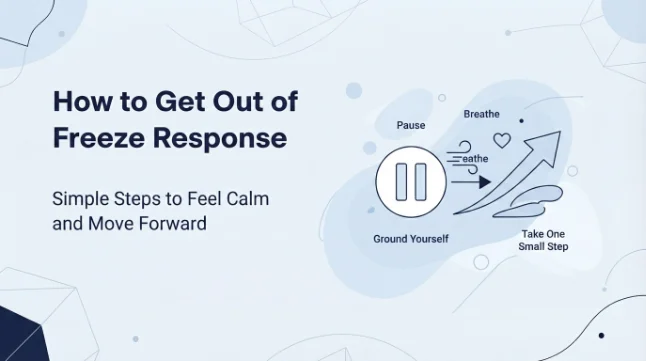
To get out of a freeze response, start by slowing down, noticing your surroundings, taking gentle breaths, moving your body, and focusing on one small action you can control. You do not have to force yourself to feel normal instantly.
Top alternatives: ground yourself, take slow breaths, move gently, name what you see, focus on one small step
Ever had one of those moments when your brain says, “Do something,” but your whole body says, “Absolutely not”? You may feel stuck, numb, disconnected, overwhelmed, or strangely unable to move or speak. This can happen during stressful moments, difficult conversations, work pressure, social situations, or even when a simple task suddenly feels impossible.
Learning how to get out of freeze response starts with understanding that forcing yourself to “snap out of it” is usually not the most helpful approach. Your body may be trying to protect you from feeling overwhelmed. Gentle grounding, small movements, steady breathing, and simple choices can help you reconnect with the present moment.
Whether you are sitting at your desk, avoiding a text, staring at your to-do list, or feeling frozen during a stressful interaction, the goal is not perfection. The goal is one manageable step at a time.
Start With Your Breathing
- Take one slow breath in and a longer breath out.
Example: Use this when you notice yourself becoming tense or mentally stuck.
Meaning: You are giving yourself a simple way to slow the moment down. - Do not force a huge breath.
Example: Use this when deep breathing feels uncomfortable or overwhelming.
Meaning: Gentle breathing can feel more manageable than trying to breathe perfectly. - Breathe out slowly before taking another breath.
Example: Try this while sitting quietly during a stressful moment.
Meaning: You are bringing attention to a controlled physical action. - Notice the feeling of your breath moving.
Example: Use this when your thoughts are racing and you need something simple to focus on.
Meaning: You are shifting attention from overwhelming thoughts toward the present. - Take three comfortable breaths.
Example: Use this before answering a difficult question or opening a stressful message.
Meaning: You are creating a brief pause before reacting. - Let your shoulders drop as you exhale.
Example: Try this when you notice your body becoming rigid.
Meaning: You are intentionally releasing some physical tension. - Breathe normally and stop judging yourself.
Example: Use this when you become frustrated because calming down is taking time.
Meaning: You are removing pressure from the process. - Make your exhale soft and unhurried.
Example: Try this while sitting somewhere quiet.
Meaning: You are encouraging a slower physical rhythm. - Put one hand somewhere comfortable and notice your breathing.
Example: Use this when you need a physical reminder that you are present.
Meaning: You are combining gentle touch with awareness. - Count five comfortable breaths.
Example: Use this when you need a simple task to occupy your attention.
Meaning: Counting gives your mind something concrete to follow. - Pause before trying to solve anything.
Example: Use this when your brain is demanding immediate answers.
Meaning: You are giving yourself permission to regulate before problem-solving. - Notice your next natural breath.
Example: Use this when structured breathing feels like too much work.
Meaning: You are practicing awareness without adding another task. - Exhale while relaxing your jaw.
Example: Use this when you notice yourself clenching your teeth.
Meaning: You are pairing breathing with physical relaxation. - Take a quiet breath before making a decision.
Example: Use this during an overwhelming conversation.
Meaning: You are creating a small gap between stress and action. - Give yourself permission to breathe slowly.
Example: Use this when you feel pressured to respond immediately.
Meaning: You are reminding yourself that you can take a moment.
Use Your Five Senses
- Name five things you can see.
Example: Use this when your thoughts feel distant or scattered.
Meaning: You are directing attention toward your immediate surroundings. - Notice three sounds around you.
Example: Use this when you feel mentally disconnected.
Meaning: You are reconnecting with the environment through hearing. - Touch something with an interesting texture.
Example: Use this while sitting at home or work.
Meaning: Physical sensation gives your attention something concrete. - Notice the temperature of the room.
Example: Use this when you need a simple present-moment observation.
Meaning: You are reminding yourself where you physically are. - Look around and identify familiar objects.
Example: Use this when a stressful moment makes everything feel unreal.
Meaning: Familiar sights can help orient you to your surroundings. - Notice what your feet feel against the floor.
Example: Use this while standing or sitting.
Meaning: You are using physical contact as an anchor. - Listen for the quietest sound you can hear.
Example: Use this when your environment is relatively calm.
Meaning: Focused listening redirects attention away from spiraling thoughts. - Identify one thing that feels comfortable.
Example: Use this when everything feels overwhelming.
Meaning: You are deliberately noticing a safe or pleasant sensation. - Look at the colors around you.
Example: Use this when you need an easy visual grounding exercise.
Meaning: Color identification keeps your attention in the present. - Notice the texture of your clothing.
Example: Use this discreetly when you are in public.
Meaning: You can ground yourself without drawing attention. - Listen to a familiar song.
Example: Use this when music usually helps you feel connected.
Meaning: Familiar sound can provide a predictable point of attention. - Smell something familiar.
Example: Use this at home with coffee, soap, lotion, or another familiar scent.
Meaning: Familiar sensory information can bring attention back to the present. - Look at a familiar photograph.
Example: Use this when you are at home and need something emotionally grounding.
Meaning: A familiar image can help reconnect you with the current environment. - Hold a comfortable object.
Example: Use this when you need a discreet physical anchor.
Meaning: Touch gives your attention a simple sensory target. - Say out loud what room you are in.
Example: Use this when you feel mentally disconnected from your surroundings.
Meaning: Verbal orientation reinforces awareness of the present moment.
Move Your Body Gently
- Stand up slowly.
Example: Use this when you have been sitting completely still.
Meaning: A small movement can interrupt physical immobility. - Roll your shoulders.
Example: Use this when you notice tension building in your upper body.
Meaning: Gentle movement brings attention back into your body. - Stretch your hands.
Example: Use this discreetly at your desk.
Meaning: Moving your fingers gives your body a simple physical task. - Walk to another room.
Example: Use this when your current environment feels mentally overwhelming.
Meaning: Changing location can provide a small reset. - Shake out your hands gently.
Example: Use this when your hands feel tense or stiff.
Meaning: You are encouraging movement without demanding intense activity. - Take a few slow steps.
Example: Use this when you feel stuck in one position.
Meaning: Walking provides a simple action that requires little planning. - Stretch your neck gently.
Example: Use this when you have been holding tension in your body.
Meaning: You are reconnecting with physical sensations. - Open and close your hands.
Example: Use this when you need an easy movement you can do anywhere.
Meaning: Repetitive movement gives your attention something concrete to follow. - Change your sitting position.
Example: Use this when standing feels like too much.
Meaning: Even a tiny physical change can interrupt stillness. - Take a short walk outside.
Example: Use this when your surroundings feel safe and stepping outside is practical.
Meaning: Movement and environmental change can help shift attention. - Stretch your arms overhead.
Example: Use this when your body feels compressed or tense.
Meaning: A simple stretch creates physical movement without requiring much effort. - Walk while naming what you see.
Example: Use this when you want to combine movement with grounding.
Meaning: You are engaging both your body and attention. - Put both feet firmly on the floor.
Example: Use this while sitting during a stressful situation.
Meaning: Physical contact with the ground gives you a steady sensory anchor. - Take one deliberate step forward.
Example: Use this when a larger task feels impossible.
Meaning: You are turning a vague feeling of being stuck into one manageable action. - Do a tiny movement instead of waiting to feel ready.
Example: Use this when motivation is completely absent.
Meaning: You are allowing action to begin before the feeling of readiness arrives.
Focus on One Small Task
- Choose the easiest next step.
Example: Use this when your entire to-do list feels impossible.
Meaning: You are reducing the task into something manageable. - Open the document instead of finishing it.
Example: Use this when work feels overwhelming.
Meaning: You are lowering the starting barrier. - Write one sentence.
Example: Use this when an assignment or message feels too difficult to begin.
Meaning: One sentence creates movement without demanding completion. - Put one item away.
Example: Use this when your environment feels chaotic.
Meaning: A tiny physical task gives you an immediate achievable goal. - Answer one easy message.
Example: Use this when your inbox feels overwhelming.
Meaning: Completing one small communication task creates momentum. - Set a tiny five-minute goal.
Example: Use this when a project feels too large.
Meaning: A short time frame makes action feel less intimidating. - Pick one thing, not ten.
Example: Use this when your mind is juggling too many responsibilities.
Meaning: Narrowing your focus reduces mental overload. - Start with something you already know how to do.
Example: Use this at work when a complex project feels intimidating.
Meaning: Familiar action can make starting easier. - Write down the next action.
Example: Use this when your thoughts feel tangled.
Meaning: Turning thoughts into a concrete action reduces ambiguity. - Finish the smallest possible piece.
Example: Use this when a task seems enormous.
Meaning: You are redefining progress as one completed piece. - Give yourself one simple instruction.
Example: Use this when you cannot decide what to do first.
Meaning: A single instruction reduces the number of choices. - Do not plan the entire day right now.
Example: Use this when future responsibilities are overwhelming you.
Meaning: You are focusing on the present instead of the entire workload. - Choose progress over perfect.
Example: Use this when perfectionism keeps you frozen.
Meaning: You are allowing imperfect action. - Start badly on purpose.
Example: Use this when fear of failure is stopping you.
Meaning: Lowering your standards temporarily can make beginning easier. - Ask yourself, “What is the next tiny thing?”
Example: Use this whenever you feel stuck and cannot see a way forward.
Meaning: You are turning an overwhelming situation into one immediate action.
Use Grounding Statements
- “I am here right now.”
Example: Use this quietly when you feel disconnected from the moment.
Meaning: You are orienting yourself to the present. - “I can take this one step at a time.”
Example: Use this when everything feels urgent.
Meaning: You are reminding yourself that you do not need to solve everything at once. - “I do not have to figure everything out right now.”
Example: Use this during overwhelming decision-making.
Meaning: You are reducing pressure to immediately find every answer. - “This moment will pass.”
Example: Use this when intense feelings make the situation seem permanent.
Meaning: You are reminding yourself that emotional states can change. - “I can pause before responding.”
Example: Use this during a stressful conversation.
Meaning: You are giving yourself permission to slow down. - “I am allowed to take a moment.”
Example: Use this when someone expects an immediate answer.
Meaning: You are validating your need for a brief pause. - “One small action is enough for now.”
Example: Use this when you feel overwhelmed by responsibilities.
Meaning: You are reducing expectations to a manageable level. - “I can come back to this later.”
Example: Use this when a decision does not actually need an immediate answer.
Meaning: You are removing unnecessary urgency. - “I can ask for help.”
Example: Use this when you feel unable to handle something alone.
Meaning: You are recognizing support as a valid option. - “I do not need to judge myself for being stuck.”
Example: Use this when frustration makes the situation worse.
Meaning: You are replacing self-criticism with patience. - “Right now, I am focusing on what I can control.”
Example: Use this during uncertain situations.
Meaning: You are shifting attention toward manageable factors. - “I can slow this down.”
Example: Use this when everything feels too fast.
Meaning: You are reminding yourself that not every moment requires immediate action. - “I can make one choice.”
Example: Use this when too many options create paralysis.
Meaning: You are reducing decision-making to one manageable step. - “I am allowed to start small.”
Example: Use this when a task feels too big.
Meaning: You are giving yourself permission to begin gradually. - “I can be gentle with myself right now.”
Example: Use this when you feel frustrated or ashamed.
Meaning: You are encouraging self-compassion during a difficult moment.
Reduce Overwhelm
- Turn off unnecessary notifications.
Example: Use this when messages and alerts are adding to your stress.
Meaning: You are reducing external stimulation. - Step away from the screen for a moment.
Example: Use this when social media or work is making you feel overloaded.
Meaning: A brief digital break can reduce incoming demands. - Lower the amount of information you are consuming.
Example: Use this when constant news or messages are overwhelming.
Meaning: You are creating mental space. - Choose one conversation at a time.
Example: Use this when multiple people are asking things from you.
Meaning: You are reducing competing demands. - Put your phone down for a few minutes.
Example: Use this when notifications keep pulling your attention away.
Meaning: You are creating a temporary boundary. - Move somewhere quieter.
Example: Use this when noise is contributing to your overwhelm.
Meaning: A calmer environment may make it easier to reconnect with yourself. - Simplify your surroundings.
Example: Use this when clutter is making it harder to focus.
Meaning: Reducing visual distractions can make the environment feel more manageable. - Say no to one unnecessary task.
Example: Use this when your schedule is overloaded.
Meaning: Removing one demand can create breathing room. - Stop multitasking temporarily.
Example: Use this when your mind feels scattered.
Meaning: Single-tasking reduces competing demands. - Take a short quiet break.
Example: Use this when you have been processing too much information.
Meaning: A pause gives your attention time to settle. - Write down everything competing for your attention.
Example: Use this when your thoughts are racing.
Meaning: Externalizing the list can reduce mental clutter. - Circle the one thing that actually needs attention now.
Example: Use this when everything feels equally urgent.
Meaning: Prioritizing reduces unnecessary pressure. - Give yourself permission to postpone nonessential tasks.
Example: Use this when your responsibilities feel impossible to manage.
Meaning: You are separating urgent needs from optional demands. - Take a break before pushing harder.
Example: Use this when forcing productivity is making you feel more stuck.
Meaning: Rest can be more useful than adding pressure. - Make your environment feel predictable.
Example: Use this when uncertainty is making you feel overwhelmed.
Meaning: Familiar routines and surroundings can provide stability.
Use Your Voice
- Say what you are feeling out loud.
Example: Use this privately when your thoughts feel difficult to organize.
Meaning: Speaking can help turn a vague internal experience into words. - Tell someone, “I need a minute.”
Example: Use this during an intense conversation.
Meaning: You are communicating a need for temporary space. - Say, “I am feeling overwhelmed right now.”
Example: Use this when someone needs to understand why you are quiet.
Meaning: You are clearly communicating your current state. - Ask someone to stay with you.
Example: Use this when being alone feels harder than having quiet company.
Meaning: You are seeking supportive presence. - Say, “Can we slow down?”
Example: Use this when a conversation is moving too quickly.
Meaning: You are asking for a pace that feels more manageable. - Tell a trusted person what you need.
Example: Use this when you know what support would help.
Meaning: Specific communication makes support easier to provide. - Ask someone to repeat the question.
Example: Use this when your mind goes blank during a conversation.
Meaning: You are buying yourself time to process. - Say, “I need to think before I answer.”
Example: Use this when you cannot immediately form a response.
Meaning: You are setting a healthy pause. - Use a simple yes-or-no answer when appropriate.
Example: Use this when complicated explanations feel impossible.
Meaning: You are simplifying communication. - Tell someone you are having a difficult moment.
Example: Use this when hiding your struggle is becoming exhausting.
Meaning: You are allowing another person to understand what is happening. - Ask, “Can you help me decide what to do first?”
Example: Use this when too many tasks are creating paralysis.
Meaning: You are asking someone to help reduce the decision load. - Say, “I am not ready to talk about that yet.”
Example: Use this when a topic feels too overwhelming.
Meaning: You are setting a boundary without shutting down permanently. - Ask for a short break.
Example: Use this during a stressful meeting or conversation.
Meaning: You are creating space to regain your composure. - Tell yourself what you need in simple words.
Example: Use this when you are alone and unsure what to do.
Meaning: Clear language can make your next action easier to identify. - Use your voice even if it feels awkward.
Example: Use this when staying silent is making the situation harder.
Meaning: Small verbal expression can reconnect you with active participation.
Reconnect With Your Environment
- Look at today’s date.
Example: Use this when you feel disconnected from time or place.
Meaning: You are reinforcing your awareness of the present. - Check the time.
Example: Use this when your sense of time feels blurry.
Meaning: A simple orientation cue reconnects you with the current moment. - Name where you are.
Example: Use this when you feel mentally distant.
Meaning: You are reminding yourself of your physical surroundings. - Notice who is around you.
Example: Use this when you feel disconnected during a social situation.
Meaning: You are bringing attention back to the people and environment present. - Look outside a window.
Example: Use this when you need a gentle visual reset.
Meaning: Looking at the outside environment provides fresh sensory information. - Notice what is happening around you.
Example: Use this when your attention is trapped inside your thoughts.
Meaning: You are widening your awareness. - Describe your surroundings in simple words.
Example: Use this when you feel mentally foggy.
Meaning: Description gives your brain a concrete task. - Notice whether you are sitting, standing, or lying down.
Example: Use this when you feel disconnected from your body.
Meaning: You are reconnecting physical position with present awareness. - Identify one familiar object nearby.
Example: Use this when your environment feels unfamiliar or overwhelming.
Meaning: Familiarity can provide a small anchor. - Notice the surface beneath you.
Example: Use this while sitting on a chair or standing on the floor.
Meaning: Physical contact helps orient you to your surroundings. - Look at something with a clear shape.
Example: Use this when visual focus feels difficult.
Meaning: A simple shape gives your attention a concrete target. - Notice the light in the room.
Example: Use this when you need a gentle sensory observation.
Meaning: Environmental awareness helps bring attention into the present. - Identify something that feels familiar and ordinary.
Example: Use this when everything suddenly feels intense.
Meaning: Ordinary details can provide a sense of normalcy. - Notice the sounds closest to you.
Example: Use this when you feel mentally distant.
Meaning: Sound can help redirect attention toward the immediate environment. - Remind yourself that you are in the present.
Example: Use this when your mind feels caught somewhere else.
Meaning: You are deliberately orienting your attention to now.
Be Kind to Yourself
- Stop calling yourself lazy.
Example: Use this when you are frustrated because you cannot get moving.
Meaning: You are separating a difficult state from a negative judgment about yourself. - Replace “What is wrong with me?” with “What do I need?”
Example: Use this when self-criticism starts taking over.
Meaning: You are shifting from blame toward curiosity. - Give yourself extra time.
Example: Use this when your usual pace feels impossible.
Meaning: You are allowing yourself to move at a manageable speed. - Do not measure yourself against your best day.
Example: Use this when you feel guilty for being less productive.
Meaning: You are recognizing that capacity can vary. - Celebrate tiny progress.
Example: Use this after completing one small task.
Meaning: Small actions still count as movement forward. - Drop the pressure to fix everything immediately.
Example: Use this when frustration is increasing your sense of being stuck.
Meaning: Lowering pressure can make action feel more accessible. - Talk to yourself like you would talk to a friend.
Example: Use this when you are being unusually harsh toward yourself.
Meaning: You are practicing self-compassion. - Let “good enough” be enough for now.
Example: Use this when perfectionism is blocking action.
Meaning: You are allowing completion without perfection. - Remember that one difficult moment does not define you.
Example: Use this when you feel ashamed about being unable to act.
Meaning: You are separating your identity from a temporary experience. - Give yourself credit for noticing what is happening.
Example: Use this when you recognize that you are becoming stuck.
Meaning: Awareness itself is a useful first step. - Do not punish yourself for needing a pause.
Example: Use this when rest makes you feel guilty.
Meaning: You are recognizing that pausing can be reasonable. - Let yourself restart without drama.
Example: Use this after losing momentum.
Meaning: You are treating restarting as normal rather than a failure. - You are allowed to take things slowly.
Example: Use this when you feel pressured to recover instantly.
Meaning: You are giving yourself permission to move gradually. - A small step still counts.
Example: Use this after doing something minor but useful.
Meaning: You are recognizing incremental progress. - You do not have to earn compassion.
Example: Use this when self-judgment becomes intense.
Meaning: You are reminding yourself that kindness is not conditional on productivity.
Build a Simple Reset Routine
- Create a three-step reset.
Example: Use breathing, grounding, and one tiny action whenever you notice yourself becoming stuck.
Meaning: A predictable routine reduces the need to make decisions during stressful moments. - Keep your reset routine short.
Example: Use a routine that takes only a few minutes rather than creating another complicated project.
Meaning: Simplicity makes it easier to actually use. - Choose one grounding phrase.
Example: Repeat the same phrase whenever you notice yourself becoming overwhelmed.
Meaning: Familiar wording can become an easy mental anchor. - Keep a grounding object nearby.
Example: Place a familiar object on your desk or in a bag.
Meaning: A physical reminder can make grounding more accessible. - Write down your first action.
Example: Keep a note that says exactly what to do when you feel stuck.
Meaning: Preplanning reduces decision-making during difficult moments. - Practice your reset when you are calm.
Example: Try your routine during an ordinary day instead of waiting for a stressful moment.
Meaning: Practice can make the routine easier to remember. - Make your routine realistic.
Example: Choose actions you can actually perform at work, home, or in public.
Meaning: Practical routines are more likely to be used consistently. - Include movement in your reset.
Example: Add standing, stretching, or walking to your routine.
Meaning: Physical movement gives you another way to shift attention. - Include a sensory step.
Example: Add noticing your feet, surroundings, or a familiar object.
Meaning: Sensory grounding keeps the routine connected to the present. - Include one simple choice.
Example: End your routine by deciding on one small next action.
Meaning: Choice helps transition from feeling stuck toward participation. - Write down what usually helps.
Example: Keep a short list of grounding activities that have worked for you before.
Meaning: A prepared list can help when thinking clearly is difficult. - Avoid making the routine another source of pressure.
Example: Skip steps that feel overwhelming on difficult days.
Meaning: The purpose is support, not another performance test. - Notice patterns around when you freeze.
Example: Keep brief notes about situations that repeatedly leave you feeling stuck.
Meaning: Recognizing patterns can help you prepare for difficult situations. - Build in regular recovery time.
Example: Schedule quiet breaks when your days are consistently demanding.
Meaning: Regular recovery can reduce the buildup of overwhelm. - Keep your reset flexible.
Example: Use breathing one day and movement or sensory grounding another day.
Meaning: Flexibility lets you respond to what you actually need.
When to Reach Out for Support
- Tell someone you trust what you have been experiencing.
Example: Use this when feeling stuck is happening often or becoming difficult to manage.
Meaning: Sharing the experience can make support easier to access. - Consider talking with a mental health professional.
Example: Use this when freezing regularly interferes with work, relationships, school, or daily life.
Meaning: Professional support can help you understand recurring patterns and develop personalized strategies. - Keep track of recurring situations.
Example: Note when the experience happens and what was occurring beforehand.
Meaning: Patterns can provide useful information for future conversations with a professional. - Ask someone to help you identify triggers.
Example: Use this when you notice repeated situations but cannot see the pattern clearly.
Meaning: Another perspective may help you recognize common circumstances. - Tell a trusted person what kind of support helps.
Example: Ask them to sit quietly with you rather than giving lots of advice.
Meaning: Specific requests make support more useful. - Do not wait until everything feels unbearable.
Example: Reach out when you notice the problem becoming frequent or disruptive.
Meaning: Early support can be easier than waiting for a crisis. - Ask for practical help with immediate tasks.
Example: Ask someone to help you break a large task into smaller steps.
Meaning: Practical assistance can reduce temporary overload. - Talk about it if communication becomes difficult.
Example: Tell someone that going quiet or blank does not necessarily mean you do not care.
Meaning: Explaining your experience can prevent misunderstandings. - Consider professional guidance for persistent problems.
Example: Use this when self-help strategies do not seem sufficient.
Meaning: Ongoing difficulties may benefit from individualized support. - Bring your observations to an appointment.
Example: Share notes about situations, sensations, thoughts, and what helped.
Meaning: Concrete examples can make professional conversations more productive. - Ask for help understanding what is happening.
Example: Use this when the experience is confusing or keeps repeating.
Meaning: You do not have to understand everything by yourself. - Tell someone when you feel disconnected or unable to respond.
Example: Use this when the experience is affecting important conversations.
Meaning: Clear communication can help others respond appropriately. - Reach out when daily functioning is being affected.
Example: Seek additional support when responsibilities or relationships are repeatedly disrupted.
Meaning: Significant interference is a good reason to seek guidance. - Remember that asking for help is an active step.
Example: Use this when you feel embarrassed about needing support.
Meaning: Seeking assistance is a form of taking action, not failure. - Give yourself permission to get support.
Example: Use this when you have been trying to handle everything alone.
Meaning: You are recognizing that support can be part of taking care of yourself.
FAQs
What does a freeze response mean?
A freeze response is a state in which you may feel temporarily unable to act, speak, decide, or respond normally when overwhelmed or threatened. Experiences vary from person to person.
Why do I feel unable to move or speak when stressed?
Strong stress can affect attention, decision-making, movement, and communication. A person may feel mentally blank, physically still, detached, or overwhelmed.
Is a freeze response the same as being lazy?
No. Feeling unable to act during intense stress is not the same as choosing not to do something. Self-criticism can also add more pressure to an already difficult moment.
Can breathing help when I feel frozen?
Gentle breathing can be useful for some people, especially when paired with grounding and comfortable movement. You do not need to force deep breaths if they make you uncomfortable.
Should I force myself to move when I feel frozen?
Try very small, comfortable movements rather than forcing yourself through intense distress. Standing, moving your hands, changing position, or taking a few steps may feel more manageable.
What if grounding does not work immediately?
That does not mean you are doing it wrong. Try another gentle approach, reduce stimulation, focus on one small action, or seek support if the experience is persistent or significantly affecting your life.
Conclusion
Getting unstuck does not have to look dramatic. Sometimes it is simply one breath, one stretch, one sentence, one glass of water, or one tiny task. The goal is not to force yourself into instant productivity. It is to gently reconnect with your body, surroundings, choices, and the present moment.
If you notice this happening regularly, be curious rather than harsh with yourself. Pay attention to patterns, experiment with grounding strategies, and consider reaching out for support when you need it. Different situations may call for different approaches, so keep the techniques that genuinely help you and leave the rest.
Save this list for a difficult day, share it with someone who may find it useful, and remember: small steps still move you forward.
Discover More Related Articles:
- What Happens If You Respond to a Spam Text | Smart Replies & Risks In 2026
- Trump Response to Iran | Reactions, Replies & Comments In 2026

Laura Adams is a dedicated content writer and blogger known for crafting clear, informative, and engaging articles. As a contributor to Responary.com, she specializes in creating reader-friendly content that educates, inspires, and keeps audiences informed on a wide range of subjects.