Quick Answer
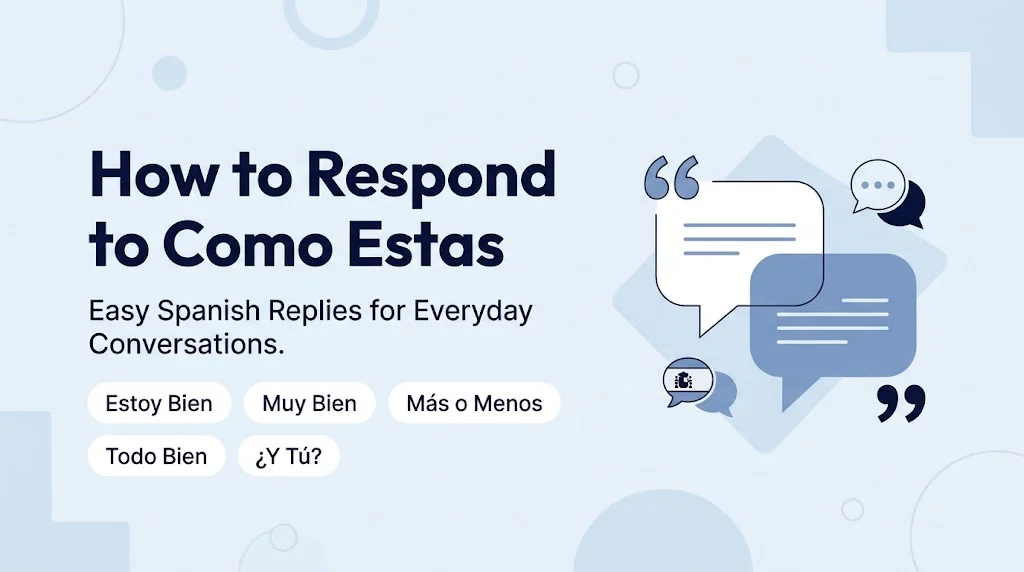
The best way to respond to Como estas is to say Estoy bien, gracias. ¿Y tú? which means I’m good, thank you. And you? Depending on your mood and who is asking, you can also reply with Muy bien, gracias, Todo bien, Aquí vamos, Mejor ahora que hablas conmigo, or No me puedo quejar.
Someone texts you Como estas, and suddenly you are wondering whether to give a simple Spanish reply, make a joke, or turn the conversation into something a little more interesting. Whether it is a friend, a crush, a coworker, or someone you just met online, knowing how to respond to Como estas helps you sound natural and keep the conversation flowing.
Como estas, more accurately written as ¿Cómo estás?, means How are you? in Spanish. It is a common greeting used in everyday conversations, messages, and social interactions. You do not need to speak perfect Spanish to respond confidently. A simple Estoy bien, gracias works perfectly, but sometimes a funny, cute, or flirty answer makes the exchange more memorable. Below, you will find ready-to-use Spanish replies with English meanings and examples of when to use them, so you can choose the perfect response for any situation.
Simple and Common Responses
– Estoy bien, gracias. ¿Y tú? Example: Use this when a Spanish-speaking acquaintance asks how you are. Meaning: I’m fine, thank you. And you?
– Muy bien, gracias. Example: Use this when you are feeling good and want a straightforward answer. Meaning: Very well, thank you.
– Todo bien. Example: Use this during a casual conversation with a friend. Meaning: Everything is good.
– Estoy genial. Example: Use this when you are having a particularly great day. Meaning: I’m great.
– Bien, ¿y tú cómo estás? Example: Use this when you want to return the question naturally. Meaning: Good, and how are you?
– Bastante bien, gracias. Example: Use this when things are going well overall. Meaning: Pretty good, thank you.
– Estoy muy bien. Example: Use this when you feel happy and comfortable. Meaning: I’m doing very well.
– Todo tranquilo. Example: Use this when life feels peaceful and uncomplicated. Meaning: Everything is calm.
– Aquí estamos. Example: Use this when you want a relaxed, everyday response. Meaning: Here we are, or I’m getting by.
– No me puedo quejar. Example: Use this when things are okay and you have no major complaints. Meaning: I can’t complain.
– Muy bien, ¿y usted? Example: Use this when speaking respectfully to an older person or someone you address formally. Meaning: Very well, and you?
– Bien, todo en orden. Example: Use this when everything is going according to plan. Meaning: Good, everything is in order.
– Estoy de maravilla. Example: Use this when you feel absolutely wonderful. Meaning: I’m marvelous or doing wonderfully.
– Más o menos. Example: Use this when you are feeling average rather than great or terrible. Meaning: So-so.
– Todo bien por aquí. Example: Use this in a casual text to a friend. Meaning: Everything is good over here.
Funny Responses
– Sobreviviendo. Example: Use this when your day has been hectic but you want to joke about it. Meaning: Surviving.
– Necesito café para responder esa pregunta. Example: Use this when you are barely awake in the morning. Meaning: I need coffee to answer that question.
– Mejor que un lunes. Example: Use this when someone asks how you are on an ordinary weekday. Meaning: Better than a Monday.
– Vivo, y eso ya es algo. Example: Use this with a friend who appreciates dramatic humor. Meaning: Alive, and that is already something.
– Como una papa feliz. Example: Use this when you want a silly, playful answer. Meaning: Like a happy potato.
– Funcionando con poca batería. Example: Use this when you are tired after a long day. Meaning: Running on low battery.
– Bien, pero acepto pizza. Example: Use this when chatting with a friend who loves food. Meaning: Good, but I’ll accept pizza.
– Más perdido que un turista sin Google Maps. Example: Use this when you are feeling confused or disorganized. Meaning: More lost than a tourist without Google Maps.
– Un desastre, pero con estilo. Example: Use this when your day is chaotic but you can laugh about it. Meaning: A disaster, but with style.
– Como un Wi-Fi con una sola rayita. Example: Use this when your energy is low. Meaning: Like Wi-Fi with only one bar.
– Bien, fingiendo que tengo mi vida organizada. Example: Use this with a close friend who understands your humor. Meaning: Good, pretending I have my life organized.
– Necesito vacaciones de mis vacaciones. Example: Use this after a busy trip or family gathering. Meaning: I need a vacation from my vacation.
– Como un gato que no quiere pagar impuestos. Example: Use this when you want a completely ridiculous answer. Meaning: Like a cat that does not want to pay taxes.
– Emocionalmente, en modo avión. Example: Use this when you are mentally exhausted and joking about it. Meaning: Emotionally, I’m in airplane mode.
– Todo bien, excepto mi cuenta bancaria. Example: Use this after spending too much money. Meaning: Everything is good except my bank account.
Flirty Responses
– Mejor ahora que hablas conmigo. Example: Use this when your crush asks how you are over text. Meaning: Better now that you are talking to me.
– Estaba bien, pero ahora estoy mejor. Example: Use this when you want to hint that their message improved your mood. Meaning: I was fine, but now I’m better.
– Muy bien, guapo. ¿Y tú? Example: Use this with someone you are comfortable flirting with. Meaning: Very well, handsome. And you?
– Mejor si estuvieras aquí. Example: Use this when texting someone you wish you could see. Meaning: Better if you were here.
– Feliz de recibir tu mensaje. Example: Use this when you are excited that your crush reached out. Meaning: Happy to receive your message.
– Ahora que apareciste, mucho mejor. Example: Use this when someone special texts you unexpectedly. Meaning: Now that you showed up, much better.
– Bien, pero me falta algo. Example: Use this when you want to leave a playful hint. Meaning: Good, but something is missing.
– ¿Siempre haces que sonría así? Example: Use this when your conversation already feels romantic. Meaning: Do you always make me smile like this?
– Muy bien, cariño. Example: Use this with a partner or someone who enjoys affectionate language. Meaning: Very well, darling.
– Un poco mejor después de verte. Example: Use this after seeing someone you like in person. Meaning: A little better after seeing you.
– Bien, ¿mejoraría si me invitas a salir? Example: Use this when you want to hint at a date. Meaning: Good, would it improve if you asked me out?
– Pensando en alguien especial. Example: Use this when you want to flirt without naming your crush. Meaning: Thinking about someone special.
– Todo bien, pero tu sonrisa ayudaría. Example: Use this with someone whose smile you love. Meaning: Everything is good, but your smile would help.
– Ahora tengo una razón para sonreír. Example: Use this when their message makes you happy. Meaning: Now I have a reason to smile.
– Mucho mejor desde que me escribiste. Example: Use this when you want a sweet, direct romantic reply. Meaning: Much better since you texted me.
Cute Responses
– Estoy feliz como una lombriz. Example: Use this with a friend when you are in a cheerful mood. Meaning: I’m as happy as can be, expressed through a playful Spanish rhyme.
– Muy bien, gracias, ¡con una sonrisa! Example: Use this when you want to sound cheerful. Meaning: Very well, thank you, with a smile!
– Feliz y agradecido por este día. Example: Use this when you feel grateful for life. Meaning: Happy and grateful for this day.
– Como un osito feliz. Example: Use this with someone who enjoys cute expressions. Meaning: Like a happy little teddy bear.
– Todo bonito por aquí. Example: Use this when you want a soft, positive reply. Meaning: Everything is lovely over here.
– Con el corazón contento. Example: Use this when you are feeling emotionally happy. Meaning: With a happy heart.
– Estoy de buen humor. Example: Use this when you are in a pleasant mood. Meaning: I’m in a good mood.
– Mejor que ayer. Example: Use this when today is going better than the previous day. Meaning: Better than yesterday.
– Feliz de estar aquí. Example: Use this when you are enjoying the moment. Meaning: Happy to be here.
– Con mucha alegría. Example: Use this when you want to express genuine happiness. Meaning: With lots of joy.
– Todo bien y lleno de buenas vibras. Example: Use this in a positive text conversation. Meaning: Everything is good and full of good vibes.
– Estoy sonriendo, ¿y tú? Example: Use this when you want to keep a cheerful conversation going. Meaning: I’m smiling, and you?
– Feliz como un día soleado. Example: Use this when you feel bright and optimistic. Meaning: Happy like a sunny day.
– Con ganas de disfrutar el día. Example: Use this when you are excited about your plans. Meaning: Looking forward to enjoying the day.
– Todo mejor con una buena actitud. Example: Use this when you want to share positive energy. Meaning: Everything is better with a good attitude.
Casual and Chill Responses
– Bien, ¿qué tal tú? Example: Use this when a friend casually checks in. Meaning: Good, how about you?
– Todo tranqui. Example: Use this with friends in an informal conversation. Meaning: Everything is chill.
– Aquí, relajándome. Example: Use this when you are resting at home. Meaning: Here, just relaxing.
– Nada nuevo, todo bien. Example: Use this when nothing exciting has happened recently. Meaning: Nothing new, everything is good.
– Bien por ahora. Example: Use this when you are doing okay at the moment. Meaning: Good for now.
– Aquí, pasando el rato. Example: Use this when you are hanging out or taking it easy. Meaning: Here, just passing the time.
– Todo en calma. Example: Use this when your day has been peaceful. Meaning: Everything is calm.
– Más o menos, ¿y tú? Example: Use this when you feel average and want to return the question. Meaning: So-so, and you?
– Bien, sin novedades. Example: Use this when things are pretty much the same. Meaning: Good, nothing new to report.
– Aquí andamos. Example: Use this in a relaxed conversation with someone you know. Meaning: Here we are, getting along.
– Todo bajo control. Example: Use this when you are handling your responsibilities. Meaning: Everything is under control.
– Bien, disfrutando el momento. Example: Use this when you are having a relaxed day. Meaning: Good, enjoying the moment.
– No está mal. Example: Use this when things are acceptable but not amazing. Meaning: Not bad.
– Bastante relajado. Example: Use this when you are feeling calm. Meaning: Pretty relaxed.
– Todo bien, aquí seguimos. Example: Use this as an easygoing response to a casual greeting. Meaning: Everything is good; we keep going.
Polite and Respectful Responses
– Estoy muy bien, gracias por preguntar. Example: Use this with someone who is being considerate. Meaning: I’m very well, thank you for asking.
– Muy bien, muchas gracias. ¿Y usted? Example: Use this when speaking to a teacher, elder, or professional contact. Meaning: Very well, thank you very much. And you?
– Estoy bien, espero que usted también. Example: Use this in a respectful conversation. Meaning: I’m well, and I hope you are too.
– Todo marcha bien, gracias. Example: Use this when responding politely at work. Meaning: Everything is going well, thank you.
– Muy bien, le agradezco que pregunte. Example: Use this in a more formal interaction. Meaning: Very well, I appreciate you asking.
– Estoy de maravilla, gracias. Example: Use this when you want to sound positive and polite. Meaning: I’m doing wonderfully, thank you.
– Bien, gracias por su interés. Example: Use this when someone politely checks on you. Meaning: Good, thank you for your concern.
– Me encuentro bien, muchas gracias. Example: Use this in a formal or traditional setting. Meaning: I am well, thank you very much.
– Todo está bien, espero que usted esté bien también. Example: Use this when you want to return the courtesy. Meaning: Everything is fine, and I hope you are well too.
– Muy bien, es un gusto saludarle. Example: Use this when greeting a professional acquaintance. Meaning: Very well, it is a pleasure to greet you.
– Estoy bien, gracias por su amabilidad. Example: Use this when someone has been particularly thoughtful. Meaning: I’m well, thank you for your kindness.
– Todo va muy bien, gracias a Dios. Example: Use this when you want to express gratitude to God. Meaning: Everything is going very well, thank God.
– Me va bien, muchas gracias. Example: Use this when someone asks how life is going. Meaning: Things are going well for me, thank you.
– Muy bien, le deseo un buen día. Example: Use this when finishing a polite exchange. Meaning: Very well, I wish you a good day.
– Gracias por preguntar, todo está en orden. Example: Use this in a courteous conversation. Meaning: Thank you for asking; everything is in order.
Professional Responses
– Estoy bien, gracias. ¿Cómo está usted? Example: Use this when a manager or client greets you in Spanish. Meaning: I’m well, thank you. How are you?
– Muy bien, gracias. Espero que usted también esté bien. Example: Use this in a professional email or conversation. Meaning: Very well, thank you. I hope you are well too.
– Todo marcha bien, gracias por preguntar. Example: Use this when a colleague checks in before a meeting. Meaning: Everything is going well, thank you for asking.
– Estoy bien y listo para comenzar. Example: Use this when starting a work session. Meaning: I’m well and ready to begin.
– Muy bien, gracias. ¿Cómo va su día? Example: Use this when making polite conversation at work. Meaning: Very well, thank you. How is your day going?
– Todo bien por el momento, gracias. Example: Use this when discussing your current work situation. Meaning: Everything is good for the moment, thank you.
– Estoy bien, espero que todo vaya bien con usted. Example: Use this when responding to a professional contact. Meaning: I’m well, and I hope everything is going well for you.
– Muy bien, gracias por su mensaje. Example: Use this when someone opens a business chat with a greeting. Meaning: Very well, thank you for your message.
– Me encuentro bien y espero que usted también. Example: Use this in a formal written exchange. Meaning: I am well, and I hope you are too.
– Todo está en orden, gracias. Example: Use this when a coworker asks how things are going. Meaning: Everything is in order, thank you.
– Estoy muy bien y agradezco que pregunte. Example: Use this when a supervisor checks on you. Meaning: I’m very well and appreciate you asking.
– Bien, gracias. Espero que su semana vaya bien. Example: Use this during a weekday work conversation. Meaning: Good, thank you. I hope your week is going well.
– Todo va según lo previsto, gracias. Example: Use this when your work or project is progressing smoothly. Meaning: Everything is going as planned, thank you.
– Muy bien, preparado para continuar. Example: Use this when getting ready to resume a task. Meaning: Very well, ready to continue.
– Gracias por preguntar. Estoy bien y espero que usted también. Example: Use this when you want a complete and professional answer. Meaning: Thank you for asking. I’m well and hope you are too.
Sarcastic Responses
– Viviendo el sueño, supongo. Example: Use this with a friend when your day is ordinary or tiring. Meaning: Living the dream, I suppose.
– Excelente, si ignoramos todos mis problemas. Example: Use this when you want to joke about life’s little struggles. Meaning: Excellent, if we ignore all my problems.
– Perfectamente, según mis estándares cuestionables. Example: Use this with someone who enjoys dry humor. Meaning: Perfectly, according to my questionable standards.
– Mejor que mi conexión a internet. Example: Use this when your internet has been acting up. Meaning: Better than my internet connection.
– Sobreviviendo con puro drama. Example: Use this when your week has been chaotic. Meaning: Surviving on pure drama.
– Fantástico, ¿no se nota? Example: Use this with a close friend who understands your sarcasm. Meaning: Fantastic, can’t you tell?
– Todo bien, excepto todo lo demás. Example: Use this when several minor things are going wrong. Meaning: Everything is fine except everything else.
– Como siempre, un espectáculo. Example: Use this when you want a dramatic, sarcastic answer. Meaning: As always, a spectacle.
– Mejor imposible, si no contamos la realidad. Example: Use this when joking about unrealistic optimism. Meaning: Impossible to be better, if we don’t count reality.
– Muy bien, gracias a mi talento para improvisar. Example: Use this when you are figuring things out as you go. Meaning: Very well, thanks to my talent for improvising.
– De maravilla, en mi propia película. Example: Use this when you want to sound playfully dramatic. Meaning: Wonderfully, in my own movie.
– Estupendo, esperando que llegue el viernes. Example: Use this during a long workweek. Meaning: Great, waiting for Friday to arrive.
– Bien, haciendo como que sé lo que hago. Example: Use this when you are pretending to have everything figured out. Meaning: Good, acting like I know what I’m doing.
– Todo perfecto en teoría. Example: Use this when your plans sound better than reality. Meaning: Everything is perfect in theory.
– Genial, mi caos y yo te saludamos. Example: Use this when your life feels delightfully disorganized. Meaning: Great, my chaos and I say hello to you.
Confident Responses
– Estoy excelente, gracias. Example: Use this when you feel genuinely confident and positive. Meaning: I’m excellent, thank you.
– Me va muy bien. Example: Use this when life is treating you well. Meaning: Things are going very well for me.
– Nunca he estado mejor. Example: Use this when you are feeling particularly good about life. Meaning: I’ve never been better.
– Estoy en mi mejor momento. Example: Use this when you are proud of your progress. Meaning: I’m at my best right now.
– Todo va por buen camino. Example: Use this when your plans are progressing positively. Meaning: Everything is heading in the right direction.
– Feliz, enfocado y listo para lo que venga. Example: Use this when you feel motivated about the future. Meaning: Happy, focused, and ready for whatever comes.
– Estoy fuerte y con buena energía. Example: Use this when you feel energized and ready for the day. Meaning: I’m strong and full of positive energy.
– Cada día mejor. Example: Use this when you are gradually improving your life. Meaning: Better every day.
– Estoy prosperando, gracias. Example: Use this when things are going especially well. Meaning: I’m thriving, thank you.
– Con mucha motivación. Example: Use this when you are excited about your goals. Meaning: Very motivated.
– Todo bajo control y avanzando. Example: Use this when you are managing your responsibilities successfully. Meaning: Everything is under control and moving forward.
– Estoy disfrutando esta etapa de mi vida. Example: Use this when you are happy with your current direction. Meaning: I’m enjoying this stage of my life.
– Muy bien, trabajando por mis metas. Example: Use this when someone asks how life is going. Meaning: Very well, working toward my goals.
– Con buena actitud y grandes planes. Example: Use this when you feel optimistic about what comes next. Meaning: With a good attitude and big plans.
– Feliz con mi progreso. Example: Use this when you want to acknowledge personal growth. Meaning: Happy with my progress.
Responses When You Are Not Feeling Great
– No muy bien, pero gracias por preguntar. Example: Use this when you are having a rough day but appreciate the concern. Meaning: Not very well, but thank you for asking.
– He tenido días mejores. Example: Use this when things have been difficult recently. Meaning: I’ve had better days.
– Un poco cansado, la verdad. Example: Use this when you are tired and want to be honest. Meaning: A little tired, honestly. Use cansada if you use the feminine form.
– Estoy pasando por un momento difícil. Example: Use this when you feel comfortable sharing that you are struggling. Meaning: I’m going through a difficult time.
– Más o menos, pero ahí voy. Example: Use this when you are managing despite a challenging day. Meaning: So-so, but I’m getting by.
– Un poco estresado últimamente. Example: Use this when work or school has been overwhelming. Meaning: A little stressed lately. Use estresada if you use the feminine form.
– No ha sido mi mejor día. Example: Use this when something has gone wrong. Meaning: It hasn’t been my best day.
– Estoy algo preocupado. Example: Use this when you have something on your mind. Meaning: I’m a little worried. Use preocupada if you use the feminine form.
– Cansado, pero todo bien. Example: Use this when you are tired but do not want to make a big deal of it. Meaning: Tired, but everything is okay.
– Necesito descansar un poco. Example: Use this when you need a break. Meaning: I need to rest a little.
– Hoy ha sido un día complicado. Example: Use this when you have had a challenging day. Meaning: Today has been a complicated day.
– No estoy al cien por ciento. Example: Use this when you are not feeling your best physically or emotionally. Meaning: I’m not at one hundred percent.
– He estado un poco ocupado. Example: Use this when you have had a lot going on. Meaning: I’ve been a little busy. Use ocupada if you use the feminine form.
– Gracias por preguntar, necesito un poco de tiempo. Example: Use this when you appreciate the concern but need some space. Meaning: Thank you for asking; I need a little time.
– Espero sentirme mejor pronto. Example: Use this when you are having a difficult day but remain hopeful. Meaning: I hope to feel better soon.
Responses That Keep the Conversation Going
– Estoy bien, ¿qué has hecho hoy? Example: Use this when you want to move beyond a basic greeting. Meaning: I’m well, what have you done today?
– Muy bien, ¿qué tal tu día? Example: Use this when you want to ask about their day. Meaning: Very well, how is your day?
– Todo bien. ¿Qué cuentas? Example: Use this with a friend you have not spoken to recently. Meaning: Everything is good. What’s new?
– Estoy genial. ¿Tienes planes para hoy? Example: Use this when you want to start talking about plans. Meaning: I’m great. Do you have plans for today?
– Bien, ¿cómo te ha ido últimamente? Example: Use this when reconnecting with an old friend. Meaning: Good, how have things been going for you lately?
– Muy bien, ¿qué tal todo por tu lado? Example: Use this when chatting with someone who lives far away. Meaning: Very well, how is everything on your side?
– Bien, ¿has visto algo interesante últimamente? Example: Use this when you want to discuss movies, shows, or news. Meaning: Good, have you seen anything interesting lately?
– Todo tranquilo. ¿Qué novedades tienes? Example: Use this when you want to hear their latest news. Meaning: Everything is calm. What news do you have?
– Estoy bien. ¿Cómo va el trabajo? Example: Use this with a coworker or professional acquaintance. Meaning: I’m well. How is work going?
– Bien, ¿qué tal tu semana? Example: Use this when messaging someone during the week. Meaning: Good, how is your week?
– Muy bien. ¿Qué te hace sonreír hoy? Example: Use this when you want a positive, personal conversation. Meaning: Very well. What is making you smile today?
– Todo bien. ¿Qué planes tienes para el fin de semana? Example: Use this when making casual conversation before the weekend. Meaning: Everything is good. What plans do you have for the weekend?
– Estoy bien. ¿Cómo van las cosas en tu vida? Example: Use this when checking in with someone you care about. Meaning: I’m well. How are things going in your life?
– Genial. Cuéntame algo bueno que te haya pasado. Example: Use this when you want the conversation to feel more positive. Meaning: Great. Tell me something good that has happened to you.
– Muy bien, ¿hablamos un rato? Example: Use this when you want to continue chatting. Meaning: Very well, shall we talk for a while?
FAQs
What does Como Estas mean in English?
The correctly written phrase is ¿Cómo estás? It means How are you? in English and is commonly used when greeting someone informally in Spanish.
What is the best response to Como Estas?
A reliable answer is Estoy bien, gracias. ¿Y tú? It means I’m fine, thank you. And you? It is friendly, polite, and suitable for most everyday situations.
How do you respond to Como Estas in a flirty way?
Try Mejor ahora que hablas conmigo, which means Better now that you are talking to me. It is a playful way to show interest in someone you like.
Can I respond to Como Estas in English?
Yes. You can simply say I’m good, thanks. How about you? Spanish speakers may appreciate an attempt to use Spanish, but answering in English is perfectly fine if that is what you are comfortable with.
What is the difference between Como Estas and Como Esta?
¿Cómo estás? is the informal form used with friends, family, and people you know well. ¿Cómo está? is used with usted, often when speaking formally or respectfully to someone.
Conclusion
Knowing how to respond to Como Estas makes everyday conversations in Spanish much easier. You can keep it simple with Estoy bien, gracias, make your friends laugh with a funny answer, or add a little charm when texting your crush. The key is choosing a response that fits the situation and feels natural to you.
Do not worry about memorizing every phrase at once. Start with a few useful replies, learn their meanings, and practice using them in real conversations. Even a short Spanish response can help you connect with someone and build confidence. Save your favorite replies, share them with a friend learning Spanish, and remember that a little effort goes a long way!
Discover More Related Articles:
- How to Respond to WSG | Funny, Flirty & Casual Replies In 2026
- How to Respond to Gaslighting | Calm & Confident Replies In 2026

Laura Adams is a dedicated content writer and blogger known for crafting clear, informative, and engaging articles. As a contributor to Responary.com, she specializes in creating reader-friendly content that educates, inspires, and keeps audiences informed on a wide range of subjects.