Quick Answer
A professional reply to a thank-you email should be polite, concise, and appropriate for the relationship. Try these: You’re very welcome, My pleasure, Happy to help, Glad I could assist, It was my pleasure to help
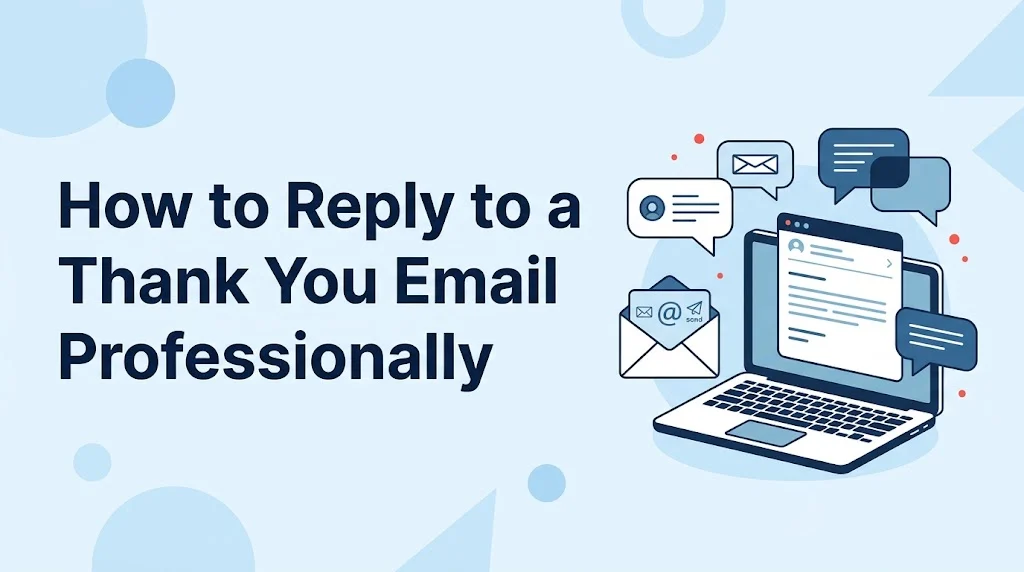
Knowing how to reply to a thank-you email professionally can make even a short workplace exchange feel polished and thoughtful. Whether a client appreciates your help, a manager thanks you for completing a task, a coworker acknowledges your support, or a business contact follows up after a meeting, your response can reinforce a positive professional relationship.
The good news? You do not need a five-paragraph masterpiece every time someone says thank you. Sometimes a simple “You’re very welcome” is exactly right. Other situations call for something warmer, more formal, or more relationship-focused. The trick is knowing which tone fits the situation without sounding robotic or overly rehearsed.
Polite Responses
- You’re very welcome. I’m glad I could help.
Use this when someone thanks you for providing assistance with a task.
Meaning: You are politely acknowledging their appreciation while showing that you were happy to help. - My pleasure. I’m glad everything worked out well.
Use this after helping someone resolve an issue successfully.
Meaning: You are responding warmly and positively. - You’re most welcome.
Use this for a short and courteous workplace response.
Meaning: You are respectfully accepting their thanks. - Happy to help.
Use this when you want a friendly but professional reply.
Meaning: You are communicating that helping them was not a burden. - It was my pleasure to assist.
Use this in more formal professional correspondence.
Meaning: You are expressing willingness to provide support. - Glad I could be of assistance.
Use this after helping with a professional request.
Meaning: You are acknowledging their thanks in a polished way. - You’re welcome, and thank you for your kind words.
Use this when their email included especially thoughtful appreciation.
Meaning: You are returning their courtesy. - It’s always a pleasure to help.
Use this when you have an ongoing professional relationship.
Meaning: You are showing that you value being helpful. - Of course. I’m happy I could assist.
Use this for a warm and natural workplace exchange.
Meaning: You are keeping the response friendly and approachable. - Absolutely. I’m glad I could support you.
Use this when your assistance contributed to someone’s work.
Meaning: You are emphasizing your willingness to support them. - You’re very welcome, and I’m glad the information was useful.
Use this after sending documents, guidance, or information.
Meaning: You are confirming that your help served its purpose. - My pleasure. Please don’t hesitate to reach out again.
Use this when you want to keep communication open.
Meaning: You are offering continued professional support. - Happy to assist anytime.
Use this with colleagues or recurring clients.
Meaning: You are showing openness to future collaboration. - You’re welcome. I appreciate your message.
Use this when you want to acknowledge their appreciation directly.
Meaning: You are responding graciously without overexplaining. - Glad to be of help. Wishing you continued success.
Use this when closing a professional exchange.
Meaning: You are ending the conversation on a positive note.
Formal Responses
- You’re very welcome. It was a pleasure assisting you.
Use this when communicating with a senior professional or formal client.
Meaning: You are maintaining a respectful and polished tone. - It was my pleasure to assist with this matter.
Use this in formal business correspondence.
Meaning: You are acknowledging their thanks professionally. - I’m pleased I could be of assistance.
Use this after providing important professional support.
Meaning: You are expressing satisfaction that your assistance was useful. - You’re most welcome. I’m glad we were able to resolve the matter.
Use this after helping solve a business issue.
Meaning: You are recognizing the successful outcome. - It was a pleasure working with you.
Use this after completing a project or assignment together.
Meaning: You are expressing appreciation for the professional relationship. - I’m glad I could assist. Please feel free to contact me should you need anything further.
Use this when additional support may be required.
Meaning: You are offering continued assistance in a formal manner. - You’re very welcome. Thank you for your kind acknowledgment.
Use this when replying to a formal appreciation email.
Meaning: You are politely recognizing their gratitude. - I’m pleased that my assistance was helpful.
Use this when someone specifically mentions that your help made a difference.
Meaning: You are acknowledging the positive outcome. - It was a pleasure supporting you throughout this process.
Use this after assisting someone through multiple stages of work.
Meaning: You are emphasizing continued professional support. - You’re welcome. I appreciate the opportunity to assist.
Use this when helping a client or business partner.
Meaning: You are showing appreciation for being involved. - I’m happy to have been of assistance.
Use this for formal written communication.
Meaning: You are expressing professional satisfaction. - My pleasure. I’m glad we could move things forward successfully.
Use this after contributing to a project.
Meaning: You are focusing on progress and results. - It was a pleasure assisting you with this request.
Use this when responding to a formal inquiry.
Meaning: You are offering a courteous professional acknowledgment. - You’re most welcome. I’m pleased we could address your needs.
Use this with a client or customer.
Meaning: You are emphasizing service and responsiveness. - Thank you for your kind message. It was a pleasure assisting you.
Use this when you want a polished formal response.
Meaning: You are combining appreciation with professional courtesy.
Short And Professional Responses
- You’re very welcome.
Use this when the original email is brief and straightforward.
Meaning: You are giving a concise professional acknowledgment. - My pleasure.
Use this for a clean and polished response.
Meaning: You are saying you were happy to help. - Happy to help.
Use this when you want something professional but relaxed.
Meaning: You are showing that the assistance was willingly provided. - Glad I could help.
Use this after solving a simple issue.
Meaning: You are acknowledging their thanks in a natural way. - Absolutely. You’re welcome.
Use this for a friendly workplace interaction.
Meaning: You are responding positively and warmly. - Of course.
Use this when the relationship is already familiar.
Meaning: You are indicating that helping them was natural. - Anytime.
Use this with a colleague or trusted professional contact.
Meaning: You are showing openness to future assistance. - Happy to assist.
Use this in a professional service context.
Meaning: You are emphasizing your willingness to help. - Certainly. My pleasure.
Use this when you want a slightly more polished short reply.
Meaning: You are combining professionalism with warmth. - You’re welcome. Glad it helped.
Use this after providing useful information.
Meaning: You are confirming that your assistance was valuable. - Glad to help.
Use this when you want a natural workplace response.
Meaning: You are keeping the exchange simple and positive. - Always happy to help.
Use this with someone you regularly work with.
Meaning: You are signaling ongoing support. - No problem at all.
Use this with a familiar colleague in a relaxed workplace environment.
Meaning: You are reassuring them that their request was not an inconvenience. - Of course. Happy to assist.
Use this when you want to sound approachable and professional.
Meaning: You are showing willingness to support them. - My pleasure. Glad we could get it sorted.
Use this after resolving a practical issue.
Meaning: You are acknowledging both their thanks and the successful result.
Warm And Friendly Responses
- You’re very welcome. I’m glad I could make things a little easier.
Use this when your assistance reduced someone’s workload.
Meaning: You are showing empathy and genuine helpfulness. - My pleasure. I’m happy everything came together smoothly.
Use this after helping with a project.
Meaning: You are celebrating the successful outcome with them. - Always happy to lend a hand.
Use this with a friendly coworker.
Meaning: You are showing that you enjoy being supportive. - You’re welcome. It was great working with you on this.
Use this after collaborating on a task.
Meaning: You are reinforcing a positive working relationship. - Glad I could help out.
Use this when the workplace relationship is informal.
Meaning: You are responding warmly without being overly formal. - Of course. I’m glad we got everything sorted.
Use this after resolving a problem together.
Meaning: You are emphasizing teamwork and success. - You’re welcome. I’m always happy to support the team.
Use this when helping coworkers.
Meaning: You are showing a team-oriented attitude. - My pleasure. I really appreciate your thoughtful message.
Use this when someone sends a particularly kind thank-you.
Meaning: You are acknowledging both their gratitude and their kindness. - Happy to help, and I’m glad it worked out.
Use this after assisting with a successful outcome.
Meaning: You are expressing genuine satisfaction. - You’re welcome. It was great being able to help.
Use this with colleagues or clients you know well.
Meaning: You are making your response feel personal and sincere. - Always glad to help where I can.
Use this when you want a humble response.
Meaning: You are showing willingness without sounding self-important. - I’m happy I could make a difference.
Use this when your assistance had a meaningful impact.
Meaning: You are acknowledging the value of your contribution. - It was a pleasure. I’m glad everything went smoothly.
Use this after completing a successful task.
Meaning: You are ending the interaction warmly. - You’re very welcome. I enjoyed working with you.
Use this after collaborating closely with someone.
Meaning: You are expressing appreciation for the working relationship. - Always a pleasure. I’m glad I could be there to help.
Use this with someone you have an established professional relationship with.
Meaning: You are combining warmth with continued support.
Client And Customer Responses
- You’re very welcome. We’re glad we could assist.
Use this when responding to a customer’s appreciation.
Meaning: You are acknowledging their thanks while representing the company professionally. - It was our pleasure to assist you.
Use this after providing customer service.
Meaning: You are communicating professional courtesy. - We’re happy to hear that we could help.
Use this when a client confirms a positive outcome.
Meaning: You are showing that customer satisfaction matters. - Thank you for your kind feedback. We’re glad we could support you.
Use this when the thank-you email also contains positive feedback.
Meaning: You are acknowledging both their appreciation and their experience. - You’re most welcome. Please let us know if we can assist further.
Use this when the client may need additional support.
Meaning: You are keeping the service relationship open. - It was a pleasure working with you.
Use this after completing a client project.
Meaning: You are reinforcing a positive business relationship. - We’re pleased we could meet your needs.
Use this after successfully completing a customer request.
Meaning: You are focusing on customer satisfaction. - Thank you for choosing us. We’re always happy to help.
Use this when responding to a customer’s appreciation.
Meaning: You are combining gratitude with service-oriented support. - You’re welcome. We truly appreciate your feedback.
Use this when their thank-you includes positive comments.
Meaning: You are showing that their feedback is valued. - We’re delighted to hear that everything went well.
Use this after a successful service experience.
Meaning: You are responding enthusiastically to their satisfaction. - My pleasure. Thank you for the opportunity to assist.
Use this with a business client.
Meaning: You are showing appreciation for their business. - We’re always here if you need further assistance.
Use this as a customer-service closing.
Meaning: You are reassuring the customer that support remains available. - It was a pleasure assisting you with your request.
Use this for formal client communication.
Meaning: You are providing a courteous professional acknowledgment. - Thank you for your kind words. We’re glad we could make the process easier.
Use this when a customer specifically praises your service.
Meaning: You are acknowledging their compliment while highlighting helpfulness. - We appreciate your message and look forward to assisting you again.
Use this when you want to encourage future business.
Meaning: You are ending the interaction with a positive relationship-building message.
Responses To Your Manager Or Boss
- You’re very welcome. I’m glad I could contribute.
Use this when your manager thanks you for completing an assignment.
Meaning: You are showing appreciation while emphasizing your contribution. - My pleasure. I’m happy to support the team.
Use this after helping with a team priority.
Meaning: You are showing teamwork and professionalism. - Thank you. I’m glad the work was helpful.
Use this when your manager recognizes your effort.
Meaning: You are responding humbly and professionally. - Happy to help. I appreciate the opportunity.
Use this when your manager gives you credit for an important task.
Meaning: You are showing gratitude for being trusted with the work. - You’re welcome. I’m glad we were able to get it done successfully.
Use this after completing a deadline-driven assignment.
Meaning: You are focusing on the team’s successful result. - My pleasure. I’m always happy to support our goals.
Use this when your contribution supports a broader business objective.
Meaning: You are demonstrating commitment to the organization. - Absolutely. I’m glad I could assist.
Use this for a brief exchange with your manager.
Meaning: You are responding confidently without overexplaining. - Thank you for the kind words. I’m happy to contribute.
Use this when your manager sends praise along with thanks.
Meaning: You are accepting the recognition gracefully. - You’re very welcome. I appreciate the opportunity to work on it.
Use this after being assigned a meaningful project.
Meaning: You are showing gratitude for the professional opportunity. - Glad I could help move things forward.
Use this when your contribution helped advance a project.
Meaning: You are focusing on measurable progress. - Happy to support whenever needed.
Use this when you want to show reliability.
Meaning: You are communicating that you can be counted on. - It was my pleasure. I’m glad we achieved the desired result.
Use this after successfully completing an important task.
Meaning: You are highlighting the successful outcome. - Of course. I’m pleased I could contribute to the team.
Use this after receiving team-related appreciation.
Meaning: You are emphasizing collaboration. - You’re welcome. I’m always glad to contribute where I can.
Use this when you want to sound helpful but humble.
Meaning: You are showing willingness without seeking excessive praise. - My pleasure. Thank you for trusting me with the task.
Use this after completing an assignment your manager entrusted to you.
Meaning: You are acknowledging their confidence in you.
Responses To A Coworker
- You’re welcome! Happy to help.
Use this after helping a colleague with a quick task.
Meaning: You are keeping the exchange friendly and professional. - No problem at all. Glad I could help.
Use this in a relaxed workplace environment.
Meaning: You are reassuring your coworker that the request was easy to handle. - Anytime! We’ve got each other’s backs.
Use this with a teammate you know well.
Meaning: You are emphasizing teamwork and mutual support. - Of course. Happy to jump in.
Use this when you helped during a busy period.
Meaning: You are showing enthusiasm for teamwork. - You’re welcome. Glad we got it sorted.
Use this after helping solve a workplace issue.
Meaning: You are focusing on the successful resolution. - My pleasure. Let me know if anything else comes up.
Use this when the task may require follow-up.
Meaning: You are offering continued assistance. - Absolutely. Happy to support.
Use this when a teammate thanks you for collaboration.
Meaning: You are showing that teamwork is welcome. - Glad I could take something off your plate.
Use this when helping a busy colleague.
Meaning: You are recognizing their workload and showing empathy. - No worries at all. We’re a team.
Use this after helping with a shared responsibility.
Meaning: You are emphasizing cooperation. - Always happy to help a teammate.
Use this when you want a warm workplace response.
Meaning: You are reinforcing a supportive team culture. - You’re welcome. I’m glad it worked out.
Use this after your colleague confirms success.
Meaning: You are acknowledging the positive result. - Happy to pitch in whenever I can.
Use this when you want to show reliability.
Meaning: You are expressing willingness to contribute. - Of course. That’s what teammates are for.
Use this with a friendly coworker.
Meaning: You are emphasizing mutual support. - You’re welcome. Thanks for letting me help.
Use this when you enjoyed collaborating with them.
Meaning: You are making the exchange more reciprocal. - Anytime. Glad we could get it across the finish line.
Use this after completing a shared project.
Meaning: You are celebrating the team’s accomplishment.
Creative Responses
- You’re welcome. Consider it one small win for the inbox.
Use this with a coworker who enjoys light workplace humor.
Meaning: You are making a routine exchange more memorable. - My pleasure. Another task successfully checked off the list.
Use this after completing a project task.
Meaning: You are keeping the response upbeat and productive. - Happy to help. Teamwork makes the inbox lighter.
Use this with a teammate.
Meaning: You are using humor to highlight collaboration. - You’re welcome. Glad I could be part of the solution.
Use this after contributing to a problem-solving process.
Meaning: You are highlighting your helpful contribution. - My pleasure. I’m calling that a productive email exchange.
Use this with a colleague in a casual workplace.
Meaning: You are adding light humor to a professional interaction. - Happy to help. One less thing on your to-do list.
Use this after completing something for a colleague.
Meaning: You are recognizing the practical value of your help. - You’re welcome. Mission accomplished.
Use this after successfully completing a small task.
Meaning: You are celebrating the result in a playful way. - Glad I could help turn a problem into a done deal.
Use this after resolving an issue.
Meaning: You are emphasizing successful problem-solving. - My pleasure. Teamwork for the win.
Use this after collaborating successfully.
Meaning: You are celebrating cooperation. - You’re welcome. Happy to keep the productivity train moving.
Use this with a coworker who appreciates workplace humor.
Meaning: You are playfully emphasizing continued progress. - Glad to help. Another email with a happy ending.
Use this after resolving a request through email.
Meaning: You are making the routine exchange sound more fun. - You’re welcome. We can officially call that handled.
Use this after completing a task.
Meaning: You are confidently confirming that the matter is resolved. - My pleasure. Consider it sorted.
Use this for a concise creative reply.
Meaning: You are confidently communicating completion. - Happy to help. Small task, big relief.
Use this when your assistance saved someone time.
Meaning: You are acknowledging the practical impact of your help. - You’re welcome. Glad we turned that one into a success story.
Use this after overcoming a challenging work issue.
Meaning: You are celebrating the successful outcome with a little personality.
Confident Responses
- You’re welcome. I’m glad I could make a meaningful contribution.
Use this when your work had a noticeable impact.
Meaning: You are confidently acknowledging your contribution without sounding boastful. - My pleasure. I’m pleased with the outcome as well.
Use this after completing successful work.
Meaning: You are showing confidence in the result. - Happy to help. I’m glad we achieved the goal.
Use this when your assistance contributed to a specific objective.
Meaning: You are focusing on results. - You’re very welcome. I was happy to take this on.
Use this after completing a challenging assignment.
Meaning: You are showing confidence and willingness. - Glad I could contribute to the success of the project.
Use this after receiving appreciation for your work.
Meaning: You are accepting recognition professionally. - My pleasure. It was a great opportunity to contribute.
Use this after working on an important initiative.
Meaning: You are showing confidence while expressing appreciation. - You’re welcome. I’m glad my support made a difference.
Use this when your work directly helped someone.
Meaning: You are acknowledging the impact of your contribution. - Happy to assist. I’m pleased we reached the desired outcome.
Use this after achieving a business objective.
Meaning: You are focusing on successful results. - Of course. I’m glad I could help move things forward.
Use this when your work accelerated progress.
Meaning: You are confidently emphasizing your contribution. - You’re welcome. I’m always glad to put my experience to work.
Use this when providing specialized professional assistance.
Meaning: You are confidently highlighting your expertise. - My pleasure. I’m glad the solution worked well.
Use this after solving a technical or business problem.
Meaning: You are expressing confidence in the result. - Happy to help. I’m pleased we handled it efficiently.
Use this after completing work quickly and effectively.
Meaning: You are highlighting efficiency and competence. - You’re welcome. I’m glad we delivered a strong result.
Use this after completing a successful project.
Meaning: You are confidently recognizing the quality of the outcome. - My pleasure. I’m always happy to contribute where my skills are useful.
Use this when your expertise helped a team or client.
Meaning: You are presenting your skills confidently but professionally. - You’re welcome. I’m glad the work achieved what we needed.
Use this when responding to appreciation after a successful task.
Meaning: You are focusing on effectiveness rather than praise.
Humble Responses
- You’re very welcome. I’m just glad I could help.
Use this when someone gives you a lot of praise.
Meaning: You are accepting their thanks without making the interaction about yourself. - My pleasure. I’m glad everything worked out.
Use this after receiving appreciation for your assistance.
Meaning: You are keeping the focus on the positive outcome. - Happy to help. I appreciate the kind words.
Use this when someone compliments your work.
Meaning: You are accepting praise graciously. - It was nothing. I’m glad I could assist.
Use this with a familiar colleague in a relaxed environment.
Meaning: You are modestly minimizing the effort while remaining helpful. - You’re welcome. I was happy to contribute.
Use this when your contribution was part of a larger team effort.
Meaning: You are showing humility and teamwork. - Glad I could be of help.
Use this after receiving a simple thank-you.
Meaning: You are responding warmly without seeking recognition. - My pleasure. I’m happy it was useful.
Use this after sharing advice or information.
Meaning: You are focusing on the usefulness of your help. - You’re welcome. I’m glad we got a good result.
Use this after collaborating with others.
Meaning: You are sharing credit for the outcome. - Happy to support whenever I can.
Use this when you want to sound helpful and modest.
Meaning: You are offering continued support without exaggeration. - I’m glad I could make things easier.
Use this after helping someone manage a difficult task.
Meaning: You are focusing on their benefit rather than your effort. - You’re welcome. I appreciate you saying that.
Use this when someone sends particularly generous praise.
Meaning: You are acknowledging their kindness sincerely. - It was a pleasure. I’m glad everything came together.
Use this after contributing to a group project.
Meaning: You are emphasizing the collective outcome. - Always happy to help where I can.
Use this when you want to sound approachable.
Meaning: You are showing willingness without sounding self-important. - My pleasure. I’m simply glad it worked out.
Use this after resolving a problem.
Meaning: You are keeping the focus on the successful result. - You’re welcome. It was a team effort.
Use this when others also contributed to the outcome.
Meaning: You are sharing credit rather than taking all the praise.
When You Want To Offer Further Help
- You’re welcome. Please let me know if there’s anything else I can help with.
Use this when the matter may require additional assistance.
Meaning: You are keeping the door open for continued support. - Happy to help. Feel free to reach out if you need anything further.
Use this after assisting a colleague or client.
Meaning: You are offering future assistance in a friendly way. - My pleasure. I’m available if you need any additional support.
Use this for a formal professional relationship.
Meaning: You are clearly communicating your continued availability. - You’re very welcome. Don’t hesitate to get in touch if anything else comes up.
Use this after resolving an issue.
Meaning: You are reassuring them that future questions are welcome. - Glad I could help. I’d be happy to assist with the next steps as well.
Use this when a project is still ongoing.
Meaning: You are proactively offering additional support. - You’re welcome. Let me know how else I can support you.
Use this when working closely with someone.
Meaning: You are putting their needs at the center of the exchange. - Happy to assist further whenever needed.
Use this for concise professional correspondence.
Meaning: You are offering ongoing help without unnecessary detail. - My pleasure. I’m here if you need anything else.
Use this in a friendly professional relationship.
Meaning: You are offering accessible future support. - You’re welcome. Please feel free to reach out with any follow-up questions.
Use this after providing information or guidance.
Meaning: You are inviting continued communication. - Glad I could help. I’m happy to stay involved as things progress.
Use this for an ongoing project.
Meaning: You are showing commitment beyond the immediate task. - Of course. Let me know if I can assist with anything else.
Use this for a simple workplace response.
Meaning: You are offering further assistance politely. - You’re very welcome. I’ll be happy to help with the next step.
Use this when another stage of work is coming up.
Meaning: You are showing readiness for continued collaboration. - My pleasure. Please reach out whenever you need support.
Use this with a client or trusted colleague.
Meaning: You are creating an open and supportive communication channel. - Happy to help. Keep me posted, and I’ll be glad to assist.
Use this for an ongoing professional matter.
Meaning: You are offering continued involvement. - You’re welcome. I look forward to helping again in the future.
Use this after completing a successful professional interaction.
Meaning: You are ending the exchange with a positive future-oriented message.
Email-Ready Closing Responses
- You’re very welcome. I’m glad I could help. Best regards,
Use this when you want a polished response that can be sent immediately.
Meaning: You are combining appreciation with a professional closing. - My pleasure. Please let me know if you need anything further. Best,
Use this when future communication may be needed.
Meaning: You are offering continued support while closing professionally. - Happy to help. Wishing you all the best. Kind regards,
Use this when ending a friendly professional exchange.
Meaning: You are closing warmly while maintaining professionalism. - You’re welcome. I’m pleased we could assist. Best regards,
Use this for a client or business contact.
Meaning: You are responding politely and formally. - It was my pleasure to assist. Please don’t hesitate to reach out if needed. Kind regards,
Use this when you want a formal and supportive closing.
Meaning: You are offering continued availability. - Glad I could help. I look forward to working with you again. Best,
Use this after completing a successful project.
Meaning: You are reinforcing the professional relationship. - You’re most welcome. I’m happy everything worked out well. Best regards,
Use this after resolving a customer’s or colleague’s issue.
Meaning: You are acknowledging the successful outcome. - My pleasure. Thank you for your kind message. Kind regards,
Use this when the sender’s email was especially appreciative.
Meaning: You are returning their courtesy. - Happy to assist. Please feel free to contact me with any further questions. Best regards,
Use this after answering a professional inquiry.
Meaning: You are keeping communication open. - You’re welcome. It was a pleasure working with you. Warm regards,
Use this after completing a collaboration.
Meaning: You are ending on a friendly professional note. - Glad to be of assistance. Wishing you continued success. Best regards,
Use this when closing a formal business conversation.
Meaning: You are offering a positive professional wish. - You’re very welcome. I appreciate the opportunity to assist. Kind regards,
Use this with a client or business partner.
Meaning: You are expressing gratitude for being involved. - My pleasure. I’m glad the information was helpful. Best,
Use this after answering someone’s questions.
Meaning: You are confirming that your assistance was useful. - Happy to help. I look forward to staying in touch. Warm regards,
Use this when you want to maintain a professional connection.
Meaning: You are ending with an invitation for future communication. - You’re welcome. Thank you again for your thoughtful message. Best regards,
Use this when the sender has gone out of their way to express appreciation.
Meaning: You are acknowledging their gratitude while closing courteously.
FAQs
What is the best way to reply to a thank-you email professionally?
The safest option is short, polite, and natural. “You’re very welcome. I’m glad I could help” works well in most workplace situations.
Should I reply to every thank-you email?
Not always. If the message clearly closes the conversation, another response may not be necessary.
What is a professional alternative to “You’re welcome”?
You can use “My pleasure,” “Happy to help,” “Glad I could assist,” or “I’m pleased I could be of assistance.”
How do I reply to a thank-you email from my boss?
Keep it confident but humble. “My pleasure. I’m happy to support the team” is a strong option.
How do I reply to a client who says thank you?
A polished option is “You’re very welcome. We’re glad we could assist. Please let us know if you need anything further.”
Conclusion
A professional reply to a thank-you email does not need to be complicated. The best response is usually short, genuine, and matched to the situation. A client may appreciate a polished “My pleasure,” while a coworker may prefer a simple “Happy to help.” Your manager may respond well to a confident but humble acknowledgment, while a long-term business partner may appreciate a warmer closing.
The key is to avoid sounding either too cold or overly formal. Choose words that feel natural to you while keeping the relationship and context in mind. Save these responses for your inbox, reuse the ones that fit your communication style, and never spend ten minutes overthinking a two-line email again.
Discover More Related Articles:
- How to Reply Thank You | After Helping Someone In 2026
- Professional Follow Up Email After No Response | Examples That Get Replies In 2026

Laura Adams is a dedicated content writer and blogger known for crafting clear, informative, and engaging articles. As a contributor to Responary.com, she specializes in creating reader-friendly content that educates, inspires, and keeps audiences informed on a wide range of subjects.