Quick Answer
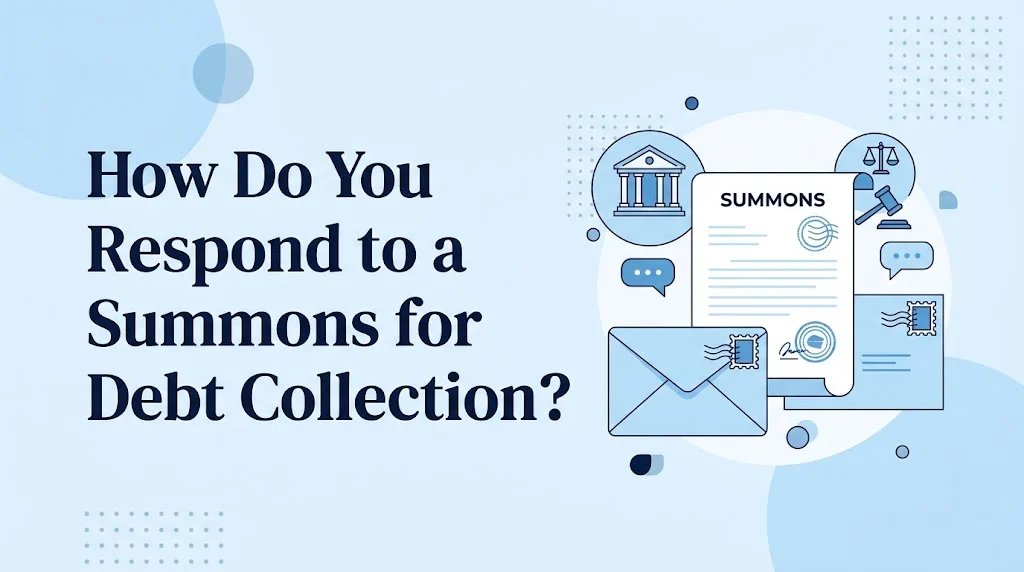
If you receive a debt collection summons, do not ignore it. Carefully read the summons and complaint, identify the response deadline, and follow the filing instructions for the court handling your case. In the U.S., the deadline can vary by court and method of service, so use the date and instructions stated in your court papers rather than assuming a universal deadline.
Review the summons, File an Answer, Deny anything you cannot verify, Check the debt and amount, Get legal help if needed
Getting served with a debt collection summons can turn an ordinary day into a serious “wait, what?” moment. Whether the paperwork arrives at your home, workplace, or through another permitted method of service, the most important thing is not to panic and definitely not to toss it into the “deal with it later” pile.
Knowing how to respond to a summons for debt collection starts with understanding that a summons is a court document, not simply another collection letter. You generally need to respond according to the court’s instructions and deadline. Ignoring a lawsuit can lead to a default judgment, which may give the creditor or collector stronger collection options.
This guide walks through practical ways to handle the situation, from reviewing the paperwork and checking whether the debt is accurate to preparing an Answer and considering legal assistance. Because debt-collection procedures and deadlines can vary by jurisdiction, always follow the specific court papers and local rules.
First Steps After Receiving a Summons
- Read every page before doing anything else.
Use this when the paperwork has just arrived and you need to understand what you received.
Meaning: The summons and complaint contain important information about the lawsuit, including instructions and deadlines. - Write down the response deadline.
Use this immediately after reviewing the summons.
Meaning: Missing the required deadline can put you at risk of a default judgment. - Find the court named on the paperwork.
Use this when you need to determine where your response must be filed.
Meaning: The correct court controls the filing process for your case. - Read the complaint carefully.
Use this before admitting or denying any allegations.
Meaning: The complaint tells you what the creditor or collector is claiming. - Check the plaintiff’s name.
Use this when reviewing who filed the lawsuit.
Meaning: You should know exactly which creditor or collection company is bringing the claim. - Check your name and identifying information.
Use this when confirming that the lawsuit actually concerns you.
Meaning: Errors in identifying information may need to be addressed. - Do not assume the amount is correct.
Use this when the balance looks familiar but you are unsure how it was calculated.
Meaning: You should review the claimed balance rather than automatically accepting it. - Keep the original paperwork safe.
Use this after receiving the summons and complaint.
Meaning: The documents may be needed throughout the case. - Make copies of everything.
Use this before sending or filing documents.
Meaning: Keeping your own complete record can help you track the case. - Create a case folder.
Use this when you have several letters, statements, or court documents.
Meaning: Organizing your records makes the process easier to manage. - Check whether you recognize the debt.
Use this when the creditor or account name seems unfamiliar.
Meaning: You need to determine whether the alleged debt is actually yours. - Check the original creditor.
Use this when a collection agency is suing you.
Meaning: The complaint may identify the company that originally provided the credit or service. - Review the account history.
Use this when you have statements or payment records available.
Meaning: The history may help you identify errors or inconsistencies. - Do not ignore the summons because you are unsure what it means.
Use this when the legal language feels overwhelming.
Meaning: Confusion is a reason to seek help, not a reason to ignore the case. - Consider speaking with a consumer-debt attorney.
Use this when you are uncertain about your legal rights or defenses.
Meaning: A qualified lawyer can evaluate the specific facts and applicable law.
How to Read the Summons
- Start with the court name.
Use this when identifying which court is handling the case.
Meaning: The court determines the applicable procedures and filing location. - Locate the case number.
Use this when organizing your documents or communicating with the court.
Meaning: The case number identifies your particular lawsuit. - Find the plaintiff and defendant names.
Use this when confirming the parties involved.
Meaning: These names tell you who filed the case and who is being sued. - Look for the response instructions.
Use this before preparing any paperwork.
Meaning: The summons should explain how you are expected to respond. - Identify the deadline printed on the documents.
Use this when creating your response timeline.
Meaning: The stated deadline is critical to protecting your ability to defend the case. - Check how you were served.
Use this when determining which procedural rules may apply.
Meaning: The method of service can affect response requirements in some jurisdictions. - Read any warnings carefully.
Use this when the summons contains consequences for failing to respond.
Meaning: Court notices may explain what could happen if you do nothing. - Review attachments to the complaint.
Use this when the plaintiff included contracts, statements, or account records.
Meaning: Attachments may contain evidence supporting the allegations. - Look for hearing information.
Use this when the paperwork mentions a scheduled court appearance.
Meaning: You need to know whether the court has already scheduled a proceeding. - Check whether an Answer form is included.
Use this when the court provides forms for self-represented defendants.
Meaning: Some courts provide specific paperwork that can simplify filing. - Read local filing instructions.
Use this when you are unsure how or where to submit your response.
Meaning: Filing procedures vary among courts. - Do not rely on a generic online deadline.
Use this when different websites give you different answer periods.
Meaning: Your specific court papers and applicable rules should control your deadline. - Do not confuse a debt-validation deadline with a lawsuit deadline.
Use this when you received collection notices alongside court documents.
Meaning: A debt collector’s validation process does not necessarily change the court’s deadline for answering a lawsuit. - Ask the clerk about filing logistics if necessary.
Use this when you have a procedural question about submitting documents.
Meaning: Court staff may explain administrative filing procedures, although they generally cannot provide legal advice. - Get legal advice when the instructions are unclear.
Use this when you cannot determine what response the court requires.
Meaning: A lawyer or qualified legal aid provider can help interpret your situation.
How to Prepare an Answer
- Respond to each numbered allegation.
Use this when the complaint contains numbered paragraphs.
Meaning: An Answer generally addresses the plaintiff’s allegations rather than simply sending a general letter. - Admit allegations you know are true.
Use this only when you have reviewed the allegation and know it is accurate.
Meaning: An admission tells the court you do not dispute that particular fact. - Deny allegations you genuinely dispute.
Use this when the complaint contains a factual claim you believe is incorrect.
Meaning: A denial tells the court that you contest the allegation. - State when you lack enough information to admit or deny something.
Use this when you cannot reasonably verify an allegation.
Meaning: You should not guess about facts you cannot confirm. - Do not make up defenses.
Use this when you are tempted to add every possible legal argument.
Meaning: Defenses should be based on facts and applicable law. - Use the court’s required format.
Use this when filing your Answer.
Meaning: Courts can have specific requirements for formatting and filing. - Include the correct case number.
Use this when preparing the final document.
Meaning: The court needs to associate your Answer with the correct lawsuit. - Use your legal name as required.
Use this when completing court paperwork.
Meaning: Your response should accurately identify the defendant. - Sign the Answer where required.
Use this before submitting it.
Meaning: An unsigned filing may create procedural problems depending on the court’s rules. - Check whether a certificate of service is required.
Use this when filing in a court that requires service on the opposing party.
Meaning: You may need to show that you properly provided the other side with your response. - Keep a file-stamped copy.
Use this after filing your Answer.
Meaning: The stamped copy provides evidence that your response was submitted. - Record the filing date.
Use this when updating your case records.
Meaning: A clear timeline can help demonstrate that you responded on time. - Read the court’s instructions before submitting.
Use this as a final review step.
Meaning: Small filing requirements can matter in court proceedings. - Consider having an attorney review your Answer.
Use this when the debt, amount, or legal issues are complicated.
Meaning: Professional review can help identify potential defenses or procedural problems. - Do not assume filing an Answer means you admit the debt.
Use this when you are worried that responding automatically means accepting liability.
Meaning: Responding to the lawsuit allows you to contest the plaintiff’s claims rather than automatically agreeing with them.
What If You Do Not Recognize the Debt?
- Say you do not recognize the account.
Use this when the alleged debt does not look familiar.
Meaning: You should not admit responsibility for an account you cannot identify. - Review the original creditor listed in the paperwork.
Use this when a collection company filed the lawsuit.
Meaning: The original creditor may help you determine whether the account belongs to you. - Compare the account information with your records.
Use this when you have old statements or payment history.
Meaning: Matching details can help identify errors or mistaken identity. - Look for possible identity theft.
Use this when the account clearly was not opened by you.
Meaning: Unauthorized accounts can require a different response strategy. - Request documentation when appropriate.
Use this when you need information about the alleged debt.
Meaning: Documentation can help you determine whether the debt is valid. - Do not admit ownership just to end the conversation.
Use this when a collector pressures you for an immediate answer.
Meaning: An inaccurate admission can complicate your position. - Save evidence showing the account is not yours.
Use this when you have documents supporting your position.
Meaning: Records can help establish your dispute. - Review the complaint for factual errors.
Use this when the plaintiff’s information does not match your records.
Meaning: Incorrect information may become relevant to your defense. - Check whether the plaintiff identifies how it obtained the debt.
Use this when a debt has apparently been sold or assigned.
Meaning: The case may involve questions about ownership or collection authority. - Keep copies of dispute correspondence.
Use this after communicating with the collector.
Meaning: Your communications may become useful evidence. - Avoid relying only on a phone call.
Use this when you need a reliable record of a dispute.
Meaning: Written records provide clearer evidence of what you communicated. - Review any validation notice you received.
Use this when the collector previously sent information about the debt.
Meaning: A validation notice may provide details about the creditor and amount claimed. - Consider legal advice if identity theft is involved.
Use this when the account appears fraudulent.
Meaning: Identity-related debt disputes can involve additional legal and documentation issues. - Do not ignore the court case because the debt is unfamiliar.
Use this when you believe the lawsuit is mistaken.
Meaning: You still need to respond according to the court’s requirements. - Keep your evidence organized.
Use this throughout the dispute.
Meaning: A chronological file makes it easier to explain what happened.
What If the Debt Amount Is Wrong?
- Compare the claimed balance with your statements.
Use this when the lawsuit lists an amount you do not recognize.
Meaning: Your records can help identify discrepancies. - Check payment credits.
Use this when you previously made payments.
Meaning: Missing payments can make the claimed balance inaccurate. - Review added fees and interest.
Use this when the balance seems significantly higher than expected.
Meaning: You can investigate how the plaintiff calculated the total. - Look for duplicate charges.
Use this when the complaint contains detailed account records.
Meaning: Duplicate entries can inflate an alleged balance. - Compare the account number.
Use this when several accounts appear in your records.
Meaning: Matching account information helps identify the correct debt. - Save proof of payments.
Use this when you have bank statements, receipts, or confirmations.
Meaning: Payment records may support your position. - Do not guess the correct amount.
Use this when you are unsure what you actually owe.
Meaning: It is better to identify what you can verify than make unsupported statements. - Challenge inaccurate allegations through the proper court response.
Use this when the complaint contains incorrect financial information.
Meaning: Your Answer is part of formally responding to the lawsuit. - Ask for an accounting when appropriate.
Use this when you cannot understand how the balance was calculated.
Meaning: An accounting can clarify the components of the claimed amount. - Check whether interest is included.
Use this when the principal balance appears familiar but the total does not.
Meaning: Interest can explain some differences but should be reviewed carefully. - Check whether collection fees are included.
Use this when the claimed amount includes additional charges.
Meaning: Additional charges may require examination under the applicable agreement and law. - Keep the original financial records.
Use this when sending copies to anyone involved.
Meaning: Keeping originals protects your documentation. - Do not destroy old statements.
Use this when the case is still active.
Meaning: Older documents may become relevant later. - Consider professional advice for a disputed balance.
Use this when the amount is substantial or complicated.
Meaning: A lawyer can evaluate whether the claimed amount is legally recoverable. - Make your disagreement specific.
Use this when you know exactly which amount or charge is incorrect.
Meaning: Specific objections are generally more useful than vague statements.
Possible Defenses to Investigate
- The debt is not yours.
Use this when you have evidence that another person incurred the debt.
Meaning: Identity or account ownership may be central to your defense. - The amount claimed is inaccurate.
Use this when your records contradict the plaintiff’s calculation.
Meaning: A disputed amount may require the plaintiff to establish what is actually owed. - The debt was already paid.
Use this when you have proof of payment.
Meaning: Payment records may support a defense to the collection claim. - The debt was settled.
Use this when you have documentation of a settlement agreement.
Meaning: A completed settlement may affect what can still be claimed. - The plaintiff may not be the proper party.
Use this when ownership of the account is unclear.
Meaning: The party suing generally needs a legally sufficient basis to pursue the claim. - The account information contains errors.
Use this when names, dates, amounts, or account details do not match.
Meaning: Factual inaccuracies may be important to your defense. - The debt may be too old to sue on.
Use this when the account is from many years ago.
Meaning: Statutes of limitations can restrict when certain debts may be sued on, but the rules vary by jurisdiction and debt type. - The contract may contain relevant limitations.
Use this when the debt arose from a written agreement.
Meaning: The agreement may contain terms relevant to the dispute. - You may have evidence of improper collection conduct.
Use this when the collector violated applicable collection rules.
Meaning: Certain collection practices may create separate legal issues. - The plaintiff’s documentation may be incomplete.
Use this when important account records are missing.
Meaning: Missing evidence can matter when the plaintiff must establish its claim. - You previously disputed the account.
Use this when you have written records of an earlier dispute.
Meaning: Your previous communications may provide important context. - The account may involve identity theft.
Use this when you never opened the account.
Meaning: Fraudulent account activity can require specific documentation and defenses. - The creditor may have received payments not reflected in the complaint.
Use this when your payment records show otherwise.
Meaning: Payment evidence may challenge the claimed balance. - The lawsuit may contain procedural issues.
Use this when something about service or filing appears unusual.
Meaning: Procedural requirements can affect how a case proceeds. - Ask a lawyer which defenses actually apply.
Use this when you are unsure whether a potential defense is legally valid.
Meaning: Legal defenses depend heavily on the facts and jurisdiction.
Mistakes to Avoid
- Do not ignore the summons.
Use this as the most important rule when served with a lawsuit.
Meaning: Failing to respond can result in a default judgment. - Do not assume the collector automatically wins.
Use this when the lawsuit feels intimidating.
Meaning: Being sued does not itself establish that every allegation is correct. - Do not automatically admit the debt.
Use this when you have not reviewed the allegations.
Meaning: You should respond based on facts you can verify. - Do not miss the court deadline.
Use this when building your response plan.
Meaning: Deadlines can affect your ability to defend yourself. - Do not rely on random online forms.
Use this when searching for an Answer template.
Meaning: Court requirements vary, so a generic form may not fit your case. - Do not send sensitive financial information unnecessarily.
Use this when a collector asks for personal banking details.
Meaning: You should protect sensitive information and verify who you are dealing with. - Do not destroy old records.
Use this throughout the lawsuit.
Meaning: Documents may become relevant to your defense. - Do not make casual admissions over the phone.
Use this when a collector contacts you during the lawsuit.
Meaning: Statements can become part of the record, so communicate carefully. - Do not assume a 30-day debt-dispute period replaces the court deadline.
Use this when both a validation notice and summons are involved.
Meaning: These are separate legal processes with potentially different deadlines. - Do not throw away envelopes or service paperwork.
Use this when organizing your documents.
Meaning: Service information may matter when determining deadlines. - Do not rely solely on verbal promises.
Use this when negotiating with a collector.
Meaning: Important agreements should be documented appropriately. - Do not assume settlement is your only option.
Use this when deciding how to handle the case.
Meaning: Depending on the facts, you may have defenses or other legal options. - Do not assume bankruptcy is automatically necessary.
Use this when the debt feels overwhelming.
Meaning: Bankruptcy is a major legal decision that requires individualized advice. - Do not assume every collection company follows the same process.
Use this when comparing advice online.
Meaning: Laws and procedures vary by jurisdiction and case type. - Do not wait until the hearing date to start.
Use this when you have recently been served.
Meaning: Preparing early gives you more time to understand your options.
If You Agree That You Owe the Debt
- Review the claimed amount before agreeing to anything.
Use this when you believe the account is probably yours.
Meaning: Accepting the debt does not mean you should skip reviewing the calculation. - Check whether the amount includes fees or interest.
Use this before discussing payment.
Meaning: You should understand exactly what the plaintiff claims is owed. - Consider discussing settlement options.
Use this when you want to resolve the dispute without continuing litigation.
Meaning: A settlement may be possible, depending on the creditor and circumstances. - Get settlement terms in writing.
Use this before making a payment under a settlement agreement.
Meaning: Written terms help establish what both sides agreed to. - Ask what happens to the lawsuit after settlement.
Use this before sending settlement money.
Meaning: You need to understand how the court case will be handled. - Do not assume a phone agreement ends the lawsuit.
Use this when negotiating by telephone.
Meaning: Court procedures may still require formal action. - Compare payment options carefully.
Use this when a collector offers several plans.
Meaning: Different arrangements can have different financial consequences. - Ask about the total amount required.
Use this when negotiating a resolution.
Meaning: You should know the complete financial obligation. - Keep every settlement document.
Use this after reaching an agreement.
Meaning: Documentation can be important if questions arise later. - Continue watching the court docket when appropriate.
Use this after reaching an agreement.
Meaning: A settlement does not necessarily mean the court automatically closes the case. - Do not pay under pressure without understanding the terms.
Use this when a collector demands immediate payment.
Meaning: You should understand the agreement before committing money. - Ask whether a lawyer should review the agreement.
Use this for significant balances or complicated settlements.
Meaning: Professional review can help identify important legal terms. - Keep proof of every payment.
Use this throughout a payment arrangement.
Meaning: Payment records document what you have actually paid. - Ask what balance remains after each payment.
Use this when making multiple payments.
Meaning: Clear records can prevent confusion about the remaining amount. - Do not stop monitoring deadlines.
Use this while negotiations are ongoing.
Meaning: Negotiations do not automatically eliminate court deadlines unless properly extended or otherwise resolved.
When to Consider Legal Help
- Contact an attorney when the amount is substantial.
Use this when the financial consequences could be significant.
Meaning: A lawyer can assess the risks and available defenses. - Seek legal help when you do not understand the complaint.
Use this when the legal terminology is confusing.
Meaning: Understanding the allegations is essential to responding effectively. - Look for consumer-debt experience.
Use this when choosing an attorney.
Meaning: Relevant experience can be especially useful in collection lawsuits. - Ask about legal aid if money is tight.
Use this when you cannot afford a private lawyer.
Meaning: Some legal aid organizations and clinics provide free or reduced-cost assistance to qualifying people. - Ask whether a consultation is available.
Use this when you need guidance before deciding whether to retain counsel.
Meaning: A consultation can help you understand your situation and next steps. - Bring the entire lawsuit to the consultation.
Use this when meeting a lawyer.
Meaning: The attorney needs the summons, complaint, and relevant records to evaluate the matter. - Bring your payment history.
Use this when you dispute the balance.
Meaning: Financial records can help the lawyer assess the claim. - Bring previous collection letters.
Use this when reviewing possible collection-law issues.
Meaning: Earlier communications may provide useful evidence. - Bring settlement correspondence.
Use this if you previously negotiated with the collector.
Meaning: Prior agreements and offers may affect the analysis. - Ask about the response deadline immediately.
Use this when contacting legal assistance.
Meaning: A lawyer needs to know how much time is available. - Tell the lawyer when and how you were served.
Use this during your consultation.
Meaning: Service details can be relevant to procedural deadlines. - Ask about possible defenses.
Use this when you want to understand your options.
Meaning: A lawyer can identify defenses that may apply to your specific facts. - Ask what happens if you do nothing.
Use this when evaluating the seriousness of the lawsuit.
Meaning: Understanding the consequences can help you make an informed decision. - Ask about settlement versus litigation.
Use this when weighing different strategies.
Meaning: Each approach can have different costs, risks, and benefits. - Do not delay simply because you are looking for a lawyer.
Use this when the response deadline is approaching.
Meaning: You still need to protect your deadline while seeking legal assistance.
What Happens If You Ignore the Lawsuit?
- A default judgment may be requested.
Use this when explaining why a summons should not be ignored.
Meaning: The plaintiff may seek judgment when a defendant fails to respond. - You may lose the opportunity to present defenses.
Use this when someone is tempted to ignore the paperwork.
Meaning: Failing to respond can severely limit your ability to contest the claim. - The court may enter judgment for the claimed amount.
Use this when explaining potential consequences.
Meaning: A judgment can make the debt legally enforceable through available collection procedures. - Additional lawful costs may be included.
Use this when discussing the financial consequences of a judgment.
Meaning: Depending on the applicable law and judgment, additional amounts may sometimes be awarded. - Collection options can become stronger after judgment.
Use this when explaining why timely action matters.
Meaning: A judgment can provide additional legal mechanisms for collection. - Wage garnishment may be possible in some circumstances.
Use this when discussing post-judgment collection.
Meaning: Garnishment rules depend on applicable law and generally require legal authorization. - Bank account restraints may be possible in some circumstances.
Use this when explaining potential consequences.
Meaning: Collection remedies vary by jurisdiction and individual circumstances. - Property liens may be possible in some situations.
Use this when discussing judgment enforcement.
Meaning: Some judgments can create or support property-related collection remedies depending on local law. - The case can become harder to resolve.
Use this when encouraging someone to act promptly.
Meaning: Addressing the lawsuit before judgment generally preserves more opportunities to respond. - Do not assume ignoring service makes it disappear.
Use this when someone thinks avoiding paperwork will stop the case.
Meaning: Avoiding service or ignoring documents does not reliably prevent a lawsuit from moving forward. - Do not assume the collector will forget.
Use this when someone is considering doing nothing.
Meaning: A lawsuit is a formal legal action that should be taken seriously. - Do not wait for another letter before responding.
Use this when the summons already provides instructions.
Meaning: The court’s deadline matters independently of later collection communications. - Do not confuse silence with agreement.
Use this when explaining why an Answer matters.
Meaning: Failing to respond can produce legal consequences even when you believe the debt is incorrect. - Act before the deadline whenever possible.
Use this when creating a response plan.
Meaning: Early action gives you more time to correct filing problems or obtain advice. - Get help if you are overwhelmed.
Use this when the legal process feels intimidating.
Meaning: Legal aid, clinics, and attorneys may be able to help you understand the process.
FAQs
What does it mean to receive a debt collection summons?
It generally means a creditor or debt collector has filed a lawsuit seeking payment and you have been formally notified that you are a defendant.
How quickly do I need to respond?
There is no single deadline that applies to every debt collection case. The deadline depends on the court, jurisdiction, and circumstances of service.
What happens if I do not respond?
The plaintiff may seek a default judgment. If judgment is entered, the creditor or collector may have additional legal collection options available under applicable law.
Should I admit that I owe the debt?
Only respond based on facts you can verify.
Can I dispute a debt after receiving a summons?
Potentially, yes, but a lawsuit has its own deadlines and procedures.
Conclusion
Receiving a debt collection summons can feel intimidating, but panic is not a strategy. Your first move should be to slow down, read the paperwork carefully, identify the court deadline, and keep organized records. Whether you believe the debt is yours, the amount is wrong, or the lawsuit contains information you do not recognize, responding properly gives you a chance to address the claims instead of allowing the case to move forward without your input.
Debt collection laws and court procedures vary by jurisdiction, so avoid assuming that advice written for another state or country applies to your case. When the stakes are significant or the paperwork is confusing, consider speaking with a qualified attorney or legal aid organization.
Discover More Related Articles:

Jennifer Wilson is an experienced writer and content creator with over 20 years of expertise in digital publishing, lifestyle, and informative content. Holding a degree in English Literature, she contributes to Responary.Com, where she shares engaging, well-researched articles that help readers stay informed and inspired.