Quick Answer
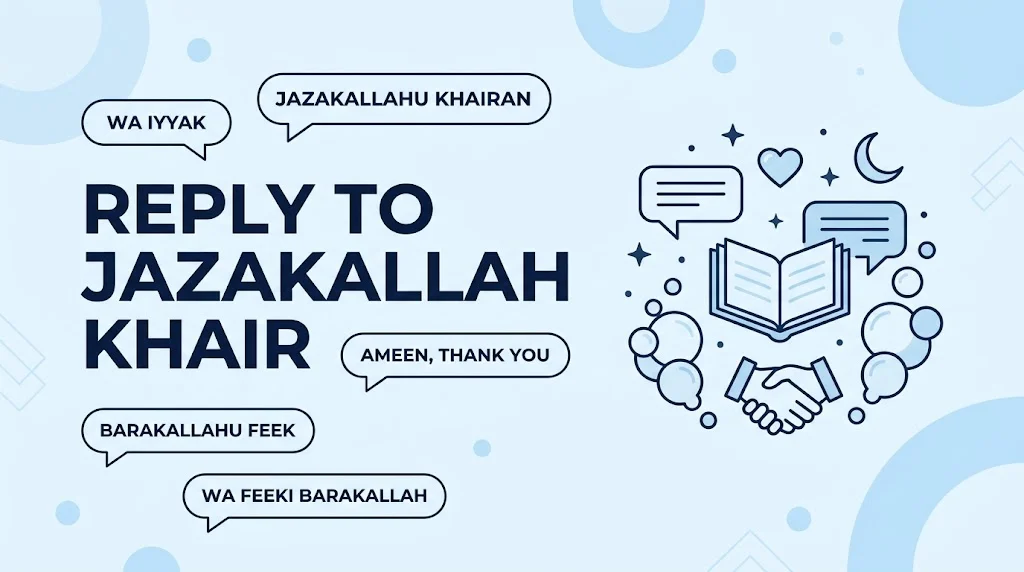
A good reply to JazakAllah Khair can be simple, warm, respectful, or playful depending on who said it. Try these: Wa iyyak, Ameen, JazakAllahu khairan, You’re most welcome, Ameen wa iyyak
You receive a sweet “JazakAllah Khair” after helping someone, sharing advice, making a dua, or simply doing something kind. Now comes the tiny question that somehow feels bigger than it should: what do you say back? The right reply to JazakAllah Khair depends on the person, situation, and tone. With family, you can keep it warm and affectionate. With friends, a short and casual answer works perfectly. In a professional or respectful setting, you may prefer something more polished.
You do not need a complicated response. Sometimes “Ameen, wa iyyak” says everything beautifully. Other times, a simple “You’re most welcome” keeps things natural. From WhatsApp messages and DMs to family chats, Islamic conversations, and everyday kindness, this list gives you plenty of ready-to-use replies without making the moment feel awkward or overly formal.
Simple And Respectful Replies
- Wa iyyak!
Use this when someone thanks you with a short and respectful message.
Meaning: You are wishing the same goodness and reward back to them. - Ameen, wa iyyak.
Use this after receiving a heartfelt expression of gratitude.
Meaning: You are responding with a prayer that the blessing applies to both of you. - You’re most welcome.
Use this when you want a simple everyday response.
Meaning: You are warmly acknowledging their thanks. - Ameen, thank you.
Use this when their words include a kind prayer or blessing.
Meaning: You are accepting the good wish while showing appreciation. - Wa iyyakum.
Use this when speaking respectfully to more than one person.
Meaning: You are returning the blessing to everyone addressed. - JazakAllahu khairan as well.
Use this when you want to return their kind words directly.
Meaning: You are wishing them the same goodness in return. - Ameen, may Allah bless you too.
Use this for a warm and sincere response.
Meaning: You are returning their kindness with a blessing. - My pleasure.
Use this after helping someone with something meaningful.
Meaning: You are letting them know that helping was gladly done. - Always welcome.
Use this with friends, family, or people you regularly help.
Meaning: You are showing that you are happy to help again. - Ameen, and may Allah reward you too.
Use this when you want your response to sound heartfelt.
Meaning: You are wishing them reward and blessings in return. - You’re very welcome.
Use this when you want a polite and universally understandable response.
Meaning: You are graciously acknowledging their gratitude. - Ameen, same to you.
Use this for a quick and casual exchange.
Meaning: You are returning the blessing in a simple way. - Wa iyyak, and thank you for your kind words.
Use this when the message feels especially thoughtful.
Meaning: You are returning the blessing and appreciating their gratitude. - Glad I could help.
Use this after assisting someone with a task or problem.
Meaning: You are saying that helping them was genuinely worthwhile. - Ameen! May Allah bless us both.
Use this for a warm personal exchange.
Meaning: You are turning the gratitude into a shared prayer.
Islamic And Traditional Replies
- Wa iyyak, Ameen.
Use this when you want a concise traditional response.
Meaning: You are returning the prayer and asking that it be accepted. - Ameen ya Rabb, wa iyyak.
Use this for a more heartfelt religious response.
Meaning: You are asking Allah to accept the blessing and return it to the other person. - Wa iyyakum, barakAllahu feekum.
Use this when addressing multiple people respectfully.
Meaning: You are returning the good wish and asking for blessings for them. - Ameen, barakAllahu feek.
Use this when responding to someone who has shown you kindness.
Meaning: You are praying for blessings upon them. - Ameen, may Allah reward you abundantly.
Use this when their gratitude feels especially sincere.
Meaning: You are wishing them abundant reward and blessings. - Wa iyyak, may Allah accept from us all.
Use this in a spiritually meaningful conversation.
Meaning: You are expressing hope that everyone’s good deeds and prayers are accepted. - Ameen, may Allah increase you in goodness.
Use this for someone who has also done something kind for you.
Meaning: You are praying that they receive even more goodness. - Wa iyyak, may Allah keep you blessed.
Use this with someone close to you.
Meaning: You are returning their gratitude with a sincere blessing. - Ameen, may Allah grant you goodness in this life and the next.
Use this for a deeply sincere exchange.
Meaning: You are wishing them lasting goodness and blessings. - JazakAllahu khairan wa iyyak.
Use this when you want to mirror the respectful tone of the original message.
Meaning: You are returning the prayer for goodness to the sender. - Ameen, may Allah make things easy for you too.
Use this when someone thanks you during a difficult situation.
Meaning: You are offering them a sincere prayer for ease. - Wa iyyak, may Allah guide and bless us all.
Use this for a thoughtful religious conversation.
Meaning: You are expressing a shared wish for guidance and blessings. - Ameen, may Allah accept your duas.
Use this after someone has thanked you for making a dua.
Meaning: You are wishing that their prayers are accepted. - Wa iyyak, may Allah keep goodness in your path.
Use this for a meaningful and gentle response.
Meaning: You are praying that goodness continues to come their way. - Ameen, wa iyyak, may Allah bless your heart.
Use this with someone who has expressed sincere gratitude.
Meaning: You are returning their kindness with a heartfelt blessing.
Short Replies For Text Messages
- Ameen, wa iyyak 🤍
Use this when you want a warm but very short text.
Meaning: You are returning the blessing with affection. - Wa iyyak 🤲
Use this for a quick WhatsApp response.
Meaning: You are simply returning the good wish. - Ameen 🤍
Use this when the context already makes the response clear.
Meaning: You are expressing agreement with the prayer. - Wa iyyak, always!
Use this with someone you regularly help.
Meaning: You are letting them know you are happy to help anytime. - Ameen, same to you!
Use this for a friendly text exchange.
Meaning: You are returning their good wishes. - Of course! 🤍
Use this after doing something small for a friend.
Meaning: You are showing that helping them was natural and easy. - Anytime!
Use this after helping someone casually.
Meaning: You are reassuring them that they can count on you. - Always happy to help.
Use this when you want a slightly warmer response.
Meaning: You genuinely appreciated being able to help. - Ameen, you too! 🤲
Use this in a friendly religious conversation.
Meaning: You are returning the blessing in a casual way. - Wa iyyak, take care!
Use this when ending the conversation.
Meaning: You are returning the blessing and closing warmly. - Ameen! Blessings to you too.
Use this when you want a simple English response.
Meaning: You are returning the positive sentiment. - No worries, wa iyyak!
Use this with a close friend.
Meaning: You are keeping the response relaxed while returning the blessing. - You got it! Ameen.
Use this after helping someone with a request.
Meaning: You are keeping things casual while acknowledging their prayer. - Ameen, happy to help!
Use this after doing someone a favor.
Meaning: You are showing that their gratitude is appreciated. - Wa iyyak, anytime you need!
Use this when you want to encourage them to ask for help again.
Meaning: You are offering continued support.
Sweet Replies
- Ameen, wa iyyak. May Allah fill your days with happiness.
Use this for someone who has been especially kind to you.
Meaning: You are returning their gratitude with a heartfelt blessing. - You’re welcome, and may Allah bless you always.
Use this with family or a close friend.
Meaning: You are responding warmly while wishing them continued blessings. - Ameen! Your kind words mean a lot.
Use this when their message genuinely touched you.
Meaning: You are acknowledging both the prayer and their thoughtfulness. - Wa iyyak, may your heart always be at peace.
Use this for someone you care deeply about.
Meaning: You are wishing them emotional peace and comfort. - Ameen, may Allah surround you with goodness.
Use this as a tender and sincere reply.
Meaning: You are wishing them a life filled with positive things. - You’re very welcome, and may Allah reward your kindness too.
Use this when they have also been supportive toward you.
Meaning: You are returning their kindness with a prayer. - Ameen, wishing you countless blessings too.
Use this for a warm personal exchange.
Meaning: You are returning their good wishes generously. - Wa iyyak, may Allah keep a smile on your face.
Use this with someone cheerful and close to you.
Meaning: You are wishing them continued happiness. - Ameen, may your duas always find their way to acceptance.
Use this when speaking with someone who values heartfelt prayers.
Meaning: You are wishing that their prayers are accepted. - Your words are appreciated. Ameen, wa iyyak.
Use this after receiving a particularly meaningful thank-you.
Meaning: You are showing appreciation while returning the blessing. - Ameen, may Allah make your days beautiful.
Use this for a gentle and positive message.
Meaning: You are wishing them happiness and ease. - Wa iyyak, sending you lots of duas and good wishes.
Use this for a close friend or family member.
Meaning: You are responding with warmth and affection. - May Allah bless you more than you expect. Ameen.
Use this when someone has been especially generous or helpful.
Meaning: You are wishing them abundant unexpected blessings. - Ameen, may your kindness return to you many times over.
Use this after someone thanks you sincerely.
Meaning: You are wishing their goodness comes back to them. - Wa iyyak, may your heart always find peace and happiness.
Use this for an emotionally meaningful response.
Meaning: You are wishing them lasting inner peace.
Friendly And Casual Replies
- Ameen, wa iyyak! 😊
Use this with a friend who keeps conversations relaxed.
Meaning: You are returning the blessing in a cheerful way. - Anytime, my friend!
Use this after helping a close friend.
Meaning: You are telling them you are always happy to help. - Wa iyyak, buddy!
Use this with a close male friend.
Meaning: You are returning the blessing in a relaxed tone. - Ameen! You’re good!
Use this after a small favor.
Meaning: You are reassuring them that there is nothing to worry about. - No need to thank me!
Use this when you helped someone you are close to.
Meaning: You are saying that helping them was no big deal. - Of course, anytime!
Use this after assisting a friend.
Meaning: You are showing that you would gladly help again. - Ameen, right back at you!
Use this when you want a playful casual reply.
Meaning: You are returning their blessing with friendly energy. - Wa iyyak! Glad I could help.
Use this after solving a friend’s problem.
Meaning: You are expressing happiness that your help mattered. - Always, friend! 🤲
Use this with someone you have a close friendship with.
Meaning: You are showing continued support and warmth. - Ameen! You deserve all the good too.
Use this with someone who has been kind to you.
Meaning: You are returning their kindness with appreciation. - Wa iyyak, no problem at all!
Use this after a simple favor.
Meaning: You are keeping the exchange friendly and stress-free. - Happy to help!
Use this when you want a natural everyday response.
Meaning: You are saying their request was not a burden. - Ameen, sending good vibes your way!
Use this with a modern and casual friend.
Meaning: You are returning the positive energy. - Wa iyyak! Stay blessed.
Use this when ending a friendly conversation.
Meaning: You are closing with a warm blessing. - Anytime you need me!
Use this when you want to reassure someone of your support.
Meaning: You are offering ongoing help and friendship.
Formal And Professional Replies
- Ameen. You are most welcome.
Use this when replying to a colleague or professional contact.
Meaning: You are combining a respectful religious response with professional courtesy. - Wa iyyak. It was my pleasure to assist you.
Use this after helping someone professionally.
Meaning: You are politely expressing that you were glad to help. - Ameen, and thank you for your kind words.
Use this in a respectful professional conversation.
Meaning: You are acknowledging their gratitude graciously. - You are most welcome. May Allah bless you as well.
Use this for a respectful workplace exchange.
Meaning: You are responding professionally while returning the blessing. - Ameen. I am glad I could be of assistance.
Use this after helping with a professional matter.
Meaning: You are acknowledging their thanks in a polished way. - Wa iyyakum. Wishing you continued blessings.
Use this when addressing multiple colleagues or contacts.
Meaning: You are respectfully returning their good wishes. - Thank you, and may Allah reward you as well.
Use this when you want a courteous response.
Meaning: You are returning their blessing while expressing appreciation. - You are very welcome. May Allah grant you ease and goodness.
Use this for a meaningful professional interaction.
Meaning: You are offering a respectful blessing in return. - Ameen. It was truly my pleasure to help.
Use this when someone has sincerely appreciated your assistance.
Meaning: You are emphasizing that helping them was rewarding. - Wa iyyak, and thank you for your thoughtful message.
Use this for a polished written response.
Meaning: You are acknowledging both the blessing and their effort. - Ameen. Wishing you success, peace, and blessings.
Use this when replying to a professional acquaintance.
Meaning: You are offering a thoughtful and respectful response. - You are most welcome. May you have continued happiness and blessings.
Use this in a formal conversation.
Meaning: You are returning their gratitude with a polished blessing. - Ameen, and may Allah bless your efforts as well.
Use this after helping someone with work or a project.
Meaning: You are wishing them success in their own efforts. - Wa iyyakum, and thank you for your appreciation.
Use this when responding to a group.
Meaning: You are maintaining a courteous and respectful tone. - It was my pleasure. May Allah bless you and your family.
Use this with a professional contact who has a warm relationship with you.
Meaning: You are combining professional courtesy with a sincere blessing.
Funny Replies
- Wa iyyak! Payment accepted in biryani.
Use this with a friend who owes you food after you helped them.
Meaning: You are joking that food is your preferred reward. - Ameen! My good deed points are looking great today.
Use this with a friend who enjoys playful humor.
Meaning: You are joking about collecting rewards for good deeds. - Wa iyyak! I accept prayers and snacks.
Use this with someone who knows your sense of humor.
Meaning: You are playfully asking for a snack alongside the blessing. - Ameen! I shall now disappear into the Eid food.
Use this around a festive meal.
Meaning: You are joking about your excitement for the food. - You’re welcome! Invoice coming never.
Use this after helping a close friend for free.
Meaning: You are joking that your help does not require payment. - Wa iyyak! Consider the good deed officially completed.
Use this after helping someone with a small task.
Meaning: You are humorously treating the favor like a completed mission. - Ameen! We are both collecting blessings today.
Use this with a friend during a positive conversation.
Meaning: You are turning the exchange into a playful shared moment. - Wa iyyak! No refunds on kindness.
Use this when joking with someone you helped.
Meaning: You are humorously suggesting that kindness comes with no returns. - Ameen! Now go enjoy your day.
Use this when ending a friendly exchange.
Meaning: You are mixing warmth with a casual playful sign-off. - You’re welcome! My kindness subscription is still active.
Use this with an internet-savvy friend.
Meaning: You are joking that you are always available to help. - Wa iyyak! Good deed unlocked.
Use this after completing a small favor.
Meaning: You are using gaming language to make the moment playful. - Ameen! I will be accepting compliments all day.
Use this with a friend who likes teasing.
Meaning: You are jokingly enjoying their gratitude. - Wa iyyak! That compliment has been received loud and clear.
Use this after someone sends an especially enthusiastic thank-you.
Meaning: You are playfully acknowledging their appreciation. - Ameen! Friendship benefits activated.
Use this with a close friend.
Meaning: You are joking that helping each other is part of friendship. - You’re welcome! Next good deed loading…
Use this after helping someone with a small request.
Meaning: You are playfully suggesting that you are ready to help again.
Cute Replies For Someone Special
- Ameen, wa iyyak 🤍 May Allah always keep you happy.
Use this for someone who holds a special place in your life.
Meaning: You are returning their blessing with genuine affection. - Wa iyyak, you deserve every beautiful blessing.
Use this for someone you deeply appreciate.
Meaning: You are expressing admiration and goodwill. - Ameen, may Allah keep your heart peaceful and happy.
Use this for a loved one.
Meaning: You are wishing them lasting emotional wellbeing. - You’re welcome. Helping you always makes me happy.
Use this when you want to show affection naturally.
Meaning: You are telling them that supporting them brings you joy. - Wa iyyak, always happy to be there for you.
Use this when someone close thanks you for your support.
Meaning: You are reassuring them that they can rely on you. - Ameen, may Allah bless you more than you can imagine.
Use this for someone you care about deeply.
Meaning: You are wishing them abundant blessings. - Your duas mean a lot to me. Ameen, wa iyyak.
Use this after receiving a particularly sincere message.
Meaning: You are showing that their prayer genuinely touched you. - Wa iyyak, may every good thing find you.
Use this as a soft and affectionate reply.
Meaning: You are wishing them happiness and goodness. - Ameen, and may your smile never fade.
Use this for someone who brings happiness into your life.
Meaning: You are wishing them lasting joy. - You’re welcome, always. May Allah keep you close to happiness.
Use this for someone special.
Meaning: You are offering both affection and a sincere blessing. - Wa iyyak! Your kind words just made my day.
Use this when their message genuinely made you smile.
Meaning: You are telling them their gratitude had a positive emotional impact. - Ameen, may Allah surround you with people who truly care for you.
Use this for someone important to you.
Meaning: You are wishing them meaningful and supportive relationships. - Wa iyyak, may your heart always know peace.
Use this when you want something gentle and emotional.
Meaning: You are wishing them deep inner peace. - Ameen, sending the same beautiful wishes back to you.
Use this for a warm personal message.
Meaning: You are returning their kindness wholeheartedly. - Wa iyyak, may Allah make every step ahead beautiful for you.
Use this when someone is starting a new chapter.
Meaning: You are wishing them a positive and blessed future.
Clever And Thoughtful Replies
- Ameen, may the goodness behind your words return to you.
Use this when someone expresses sincere gratitude.
Meaning: You are wishing that their kindness comes back to them. - Wa iyyak. Kindness is always worth sharing.
Use this after helping someone.
Meaning: You are emphasizing the value of doing good for others. - Ameen. May we both continue finding reasons to be grateful.
Use this during a meaningful conversation.
Meaning: You are turning gratitude into a shared reflection. - Wa iyyak, may every good intention lead to something beautiful.
Use this after helping someone pursue a positive goal.
Meaning: You are wishing their intentions bring good results. - Ameen, may your gratitude become another source of blessing.
Use this when someone sincerely appreciates your help.
Meaning: You are responding thoughtfully to their gratitude. - Wa iyyak. Goodness feels better when it is shared.
Use this after doing something kind.
Meaning: You are highlighting the joy of helping others. - Ameen, may every kindness you give return in unexpected ways.
Use this for a thoughtful response.
Meaning: You are wishing them rewards for their kindness. - Wa iyyak, may your good intentions always be rewarded.
Use this when someone has shown genuine care.
Meaning: You are wishing their intentions bring blessings. - Ameen. Sometimes a simple kindness says more than words can.
Use this after a meaningful exchange.
Meaning: You are recognizing the emotional value of kindness. - Wa iyyak, may goodness always recognize your heart.
Use this as a poetic response.
Meaning: You are wishing that positive experiences continue finding them. - Ameen, may Allah turn every sincere effort into something rewarding.
Use this after helping someone with an important task.
Meaning: You are wishing their efforts receive meaningful reward. - Wa iyyak. May gratitude always keep us humble.
Use this during a deeper conversation.
Meaning: You are connecting gratitude with humility. - Ameen, may every blessing remind us to be grateful.
Use this for a reflective response.
Meaning: You are emphasizing appreciation for life’s blessings. - Wa iyyak, may the goodness continue from one heart to another.
Use this for a heartfelt message.
Meaning: You are wishing that kindness keeps spreading. - Ameen. May we always have reasons to do good.
Use this when you want a meaningful closing line.
Meaning: You are expressing a desire for continued kindness and good deeds.
Replies When You Want To Keep The Conversation Going
- Ameen, wa iyyak! How has your day been?
Use this when you want to move naturally into another topic.
Meaning: You are returning the blessing and inviting conversation. - Wa iyyak! Did you have a good day?
Use this with a friend or family member.
Meaning: You are showing interest in how they are doing. - Ameen! Hope everything is going well with you.
Use this when you want a warm follow-up.
Meaning: You are combining the blessing with genuine concern. - Wa iyyak! What are you up to today?
Use this for a casual chat.
Meaning: You are using the gratitude exchange to start a conversation. - Ameen, same to you! How is everything?
Use this when you have not spoken recently.
Meaning: You are returning the blessing and reopening the conversation. - Wa iyyak! Hope you are having a peaceful day.
Use this when you want a gentle follow-up.
Meaning: You are showing warmth while encouraging them to share. - Ameen! And how has everything been lately?
Use this with someone you have not spoken to in a while.
Meaning: You are turning a simple reply into a genuine check-in. - Wa iyyak! Anything exciting happening with you?
Use this with a friend you want to chat with.
Meaning: You are inviting them to continue the conversation. - Ameen, may Allah bless you too. How are you doing?
Use this when you want a caring follow-up.
Meaning: You are combining a blessing with personal interest. - Wa iyyak! Hope your week is going beautifully.
Use this during a friendly conversation.
Meaning: You are keeping the exchange positive and open. - Ameen! It was lovely hearing from you.
Use this when someone you have not heard from messages you.
Meaning: You are letting them know you appreciated their contact. - Wa iyyak! What have you been up to?
Use this with an old friend or acquaintance.
Meaning: You are encouraging them to share an update. - Ameen, and thank you! How is your family?
Use this when speaking with someone whose family you know.
Meaning: You are returning the blessing and showing personal care. - Wa iyyak! Hope life has been treating you well.
Use this for a relaxed reconnection.
Meaning: You are opening the door to a broader conversation. - Ameen! Now tell me how you have been.
Use this with someone close to you.
Meaning: You are warmly shifting the conversation toward them.
Emotional And Heartfelt Replies
- Ameen, wa iyyak. May Allah reward your kindness and keep you close to goodness.
Use this after someone gives you sincere appreciation.
Meaning: You are responding with a deep prayer for their wellbeing. - Ameen. Your words touched my heart more than you know.
Use this when their gratitude feels especially meaningful.
Meaning: You are honestly expressing the emotional impact of their message. - Wa iyyak, and may Allah make your journey easier and brighter.
Use this for someone going through a major life chapter.
Meaning: You are offering encouragement and a prayer for ease. - Ameen, may every difficulty in your life be replaced with ease.
Use this when someone has been facing challenges.
Meaning: You are wishing them relief and comfort. - Wa iyyak. May Allah protect your heart and bless your path.
Use this for someone you deeply care about.
Meaning: You are expressing sincere concern for their wellbeing. - Ameen, may you always be surrounded by sincere love and kindness.
Use this for a close friend or family member.
Meaning: You are wishing them supportive and genuine relationships. - Wa iyyak, may Allah give you more than what your heart hopes for.
Use this when someone has shared their hopes or dreams.
Meaning: You are wishing them fulfillment beyond their expectations. - Ameen. May every prayer you carry in your heart be answered with goodness.
Use this for a deeply personal response.
Meaning: You are wishing for positive answers to their heartfelt prayers. - Wa iyyak. I truly appreciate your kindness and your duas.
Use this when someone has shown you genuine support.
Meaning: You are acknowledging both their kindness and prayers. - Ameen, may Allah fill your life with peace that stays.
Use this for a soft emotional reply.
Meaning: You are wishing them lasting peace. - Wa iyyak, may every new chapter bring you closer to happiness.
Use this when someone is starting something new.
Meaning: You are wishing them a positive and blessed future. - Ameen. May Allah bless the people you love and keep them close.
Use this for a family-oriented message.
Meaning: You are wishing protection and blessings for their loved ones. - Wa iyyak. May your heart never run out of hope.
Use this when someone needs encouragement.
Meaning: You are offering emotional strength and optimism. - Ameen, may Allah turn your worries into reasons to smile.
Use this when someone has been stressed or worried.
Meaning: You are wishing them relief and happiness. - Wa iyyak, may goodness follow you wherever life takes you.
Use this as a heartfelt closing response.
Meaning: You are wishing them continuous blessings and positivity.
FAQs
What is the best reply to JazakAllah Khair?
A simple and respectful response is “Wa iyyak” or “Ameen, wa iyyak.” You can also say “You’re most welcome” in everyday English.
What does Wa iyyak mean?
Wa iyyak means “and to you” or “likewise.” It is commonly used to return a good wish or prayer to the person who said it.
Can I simply say Ameen?
Yes. “Ameen” works especially well when the original message contains a prayer or blessing. It means that you are affirming the prayer and asking for it to be accepted.
What should I say in a professional setting?
Try “Ameen. You are most welcome,” “Wa iyyak. It was my pleasure to assist you,” or “Thank you, and may Allah bless you as well.”
Can I use a funny response?
Yes, but save humor for friends, siblings, cousins, or people who understand your personality.
Conclusion
A good response does not need to be long or complicated. Whether you choose a simple “Wa iyyak,” a heartfelt “Ameen, may Allah bless you too,” or a playful line for your best friend, the key is to match the tone to the relationship.
Gratitude deserves a thoughtful response, and even a few words can make an ordinary exchange feel warmer. For family, friends, colleagues, or someone special, there is a reply for every situation in this list. Save your favorites, reuse them whenever the moment comes, and do not stress about finding the perfect words every time.
Discover More Related Articles:
- How to Reply Thank You | After Helping Someone In 2026
- Professional Follow Up Email After No Response | Examples That Get Replies In 2026

Jennifer Wilson is an experienced writer and content creator with over 20 years of expertise in digital publishing, lifestyle, and informative content. Holding a degree in English Literature, she contributes to Responary.Com, where she shares engaging, well-researched articles that help readers stay informed and inspired.