Quick Answer
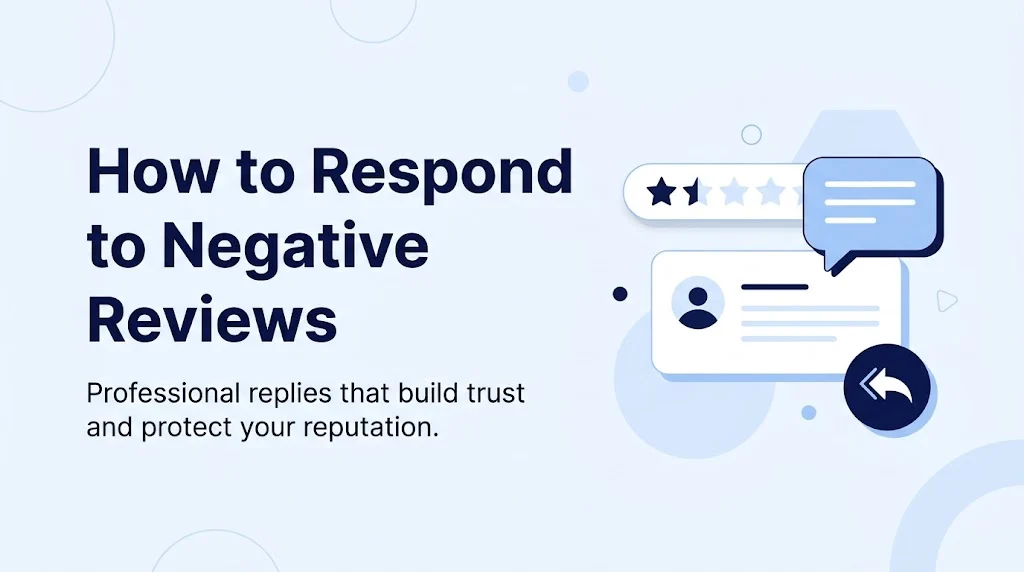
The best way to respond to negative reviews is to stay calm, acknowledge the customer’s experience, apologize when appropriate, and offer a practical solution. Your reply should show potential customers that you take feedback seriously.
Top responses: Thank you for your feedback, We’re sorry to hear about your experience, We appreciate you bringing this to our attention, We’d love the opportunity to make things right, Please contact us so we can resolve this.
Getting a negative review can feel frustrating, especially when you have worked hard to provide a great product or service. Whether the feedback appears on Google, Yelp, Facebook, TripAdvisor, or your own website, your response matters just as much as the review itself. Potential customers often read business replies before deciding whether to trust a company.
Knowing how to respond to negative reviews helps you protect your reputation, show professionalism, and turn an unhappy customer’s experience into an opportunity to improve. The trick is to avoid arguing, making excuses, or sounding defensive. Instead, acknowledge the concern, express genuine empathy, and offer a reasonable next step. Even when a review feels unfair, a calm and helpful response can leave a positive impression on future customers. Below, you’ll find ready-to-use examples for different situations, from customer complaints and service problems to unfair feedback and public review platforms.
1. Professional Responses to Negative Reviews
- Thank you for sharing your feedback. We take every customer experience seriously.
Use this when responding to a general complaint on a public review platform.
Meaning: You acknowledge the customer’s feedback and demonstrate professionalism. - We appreciate you bringing this matter to our attention.
Use this when a customer highlights a problem with your product or service.
Meaning: You show that customer concerns deserve attention. - We’re sorry your experience did not meet your expectations.
Use this when a customer expresses disappointment.
Meaning: You acknowledge the negative experience without becoming defensive. - Thank you for your honest feedback. We’re always looking for ways to improve.
Use this when you want to show that your business values constructive criticism.
Meaning: You present feedback as an opportunity to improve. - We value your business and regret that we fell short of your expectations.
Use this when a dissatisfied customer has purchased from you.
Meaning: You communicate respect and acknowledge that the experience was disappointing. - We’d appreciate the opportunity to learn more about your experience.
Use this when the review lacks specific details.
Meaning: You invite further discussion so you can better understand the issue. - Your feedback is important to us, and we’d like to address your concerns.
Use this when you want to encourage a constructive resolution.
Meaning: You show that the business is willing to listen and respond. - We’re committed to providing a better experience and appreciate your patience.
Use this when an issue requires investigation or follow-up.
Meaning: You communicate accountability and a willingness to improve. - Thank you for giving us the chance to review this situation.
Use this when your team is investigating a complaint.
Meaning: You acknowledge the feedback and signal that the matter is being considered. - We regret that your visit did not reflect the standards we aim to maintain.
Use this for a complaint about an in-person business experience.
Meaning: You recognize the gap between the customer’s experience and your standards. - We appreciate your feedback and will share your concerns with the appropriate team.
Use this when the issue involves a specific department or employee.
Meaning: You show that the feedback can reach the people responsible for improvement. - We’re sorry we missed the mark and appreciate you letting us know.
Use this for a straightforward professional response.
Meaning: You acknowledge the shortcoming without making excuses. - We take concerns like yours seriously and would welcome the chance to discuss them further.
Use this when the issue needs a more detailed conversation.
Meaning: You communicate seriousness and invite further contact. - Thank you for your patience while we work to understand what happened.
Use this when you need time to investigate.
Meaning: You set a respectful expectation for follow-up. - We appreciate you sharing this experience and will use your feedback to guide improvements.
Use this when the review identifies a genuine weakness.
Meaning: You show that customer feedback can contribute to better service.
2. Polite Responses to Negative Reviews
- We’re sorry to hear that you weren’t satisfied with your experience.
Use this when you want a gentle, respectful opening.
Meaning: You acknowledge the customer’s disappointment politely. - Thank you for letting us know about your concerns.
Use this when a customer describes a problem in their review.
Meaning: You recognize their effort to share feedback. - We understand your frustration and appreciate you bringing this to our attention.
Use this when a customer sounds upset.
Meaning: You recognize their feelings and show respect. - We’re sorry things didn’t go as expected and appreciate your understanding.
Use this when the experience was below expectations.
Meaning: You acknowledge the disappointment in a courteous tone. - Thank you for taking the time to share your thoughts with us.
Use this when you want to begin with appreciation.
Meaning: You show gratitude for the customer’s time. - We appreciate your patience and would like to help resolve this matter.
Use this when a complaint needs additional attention.
Meaning: You express courtesy while offering a path forward. - We’re sorry this experience left you disappointed.
Use this when a customer describes an unsatisfactory visit or purchase.
Meaning: You recognize the emotional impact of the experience. - Thank you for your feedback. We hope to have an opportunity to serve you better.
Use this when you want to maintain a positive relationship.
Meaning: You express a desire to improve the customer’s future experience. - We appreciate your honesty and are sorry we didn’t meet your expectations.
Use this when the customer has clearly explained what went wrong.
Meaning: You combine appreciation with acknowledgment of disappointment. - We’re grateful you brought this issue to our attention.
Use this when a review reveals a potential service problem.
Meaning: You recognize the value of the customer’s feedback. - We’re sorry for the inconvenience and appreciate your understanding.
Use this when the customer experienced an avoidable problem.
Meaning: You acknowledge the inconvenience respectfully. - Your experience matters to us, and we’re sorry it wasn’t a positive one.
Use this when you want a personal yet polite response.
Meaning: You show concern for the customer’s experience. - Thank you for sharing this with us. We’d welcome the chance to make things better.
Use this when a resolution may still be possible.
Meaning: You invite an opportunity to address the problem. - We appreciate your feedback and apologize for the disappointment.
Use this when the complaint is straightforward.
Meaning: You acknowledge the customer’s dissatisfaction courteously. - We hope you’ll consider giving us another opportunity to provide a better experience.
Use this when you genuinely want the customer to return.
Meaning: You express a desire to rebuild trust.
3. Responses That Apologize for a Bad Customer Experience
- We’re truly sorry your experience fell short of expectations.
Use this when a customer had a disappointing overall experience.
Meaning: You offer a sincere apology for the shortcoming. - We apologize for the inconvenience this caused you.
Use this when a problem disrupted the customer’s plans.
Meaning: You acknowledge the inconvenience and express regret. - We’re sorry we didn’t deliver the level of service you deserved.
Use this when your service was genuinely below standard.
Meaning: You accept that the customer deserved a better experience. - Please accept our apologies for the frustration you experienced.
Use this when a customer had to deal with an avoidable issue.
Meaning: You recognize their frustration and apologize respectfully. - We regret that we let you down and appreciate you telling us about it.
Use this when the business made a clear mistake.
Meaning: You acknowledge the failure and value the feedback. - We’re sorry this situation caused you unnecessary stress.
Use this when a mistake created additional work or worry.
Meaning: You recognize the wider impact of the problem. - We sincerely apologize for not meeting your expectations on this occasion.
Use this for a formal response to a dissatisfied customer.
Meaning: You offer a direct and professional apology. - We’re sorry for the disappointment and are reviewing what happened.
Use this when the business needs to investigate the issue.
Meaning: You apologize while indicating that the matter is being examined. - We understand that this wasn’t the experience you expected, and we’re sorry.
Use this when the customer describes a gap between expectations and reality.
Meaning: You acknowledge the mismatch and express regret. - We apologize for the poor experience and appreciate the chance to learn from it.
Use this when the feedback highlights an area for improvement.
Meaning: You combine accountability with a commitment to learn. - We’re sorry that our service left you disappointed.
Use this when a service-related complaint is justified.
Meaning: You directly recognize the customer’s dissatisfaction. - Please accept our sincere apologies for the trouble you encountered.
Use this for a formal customer service reply.
Meaning: You offer a respectful apology for the difficulty. - We regret the inconvenience and are committed to doing better.
Use this when you want to communicate future improvement.
Meaning: You acknowledge the problem and express a commitment to change. - We’re sorry we didn’t get this right the first time.
Use this when the customer experienced a mistake or failed service.
Meaning: You acknowledge that the business did not meet expectations. - Thank you for your patience. We apologize and would appreciate the chance to address your concerns.
Use this when the issue may require a direct conversation.
Meaning: You combine an apology with an invitation to resolve the problem.
4. Responses to Negative Google Reviews
- Thank you for your Google review. We’re sorry your experience wasn’t what you expected.
Use this when responding to a dissatisfied customer on Google.
Meaning: You acknowledge the public feedback and the customer’s disappointment. - We appreciate your feedback and would like to understand what went wrong.
Use this when the review provides limited information.
Meaning: You invite clarification before deciding on the next step. - We’re sorry to hear about your experience. Please contact our team so we can look into this further.
Use this when the issue needs private follow-up.
Meaning: You acknowledge the complaint and offer a direct route to assistance. - Thank you for bringing this to our attention. We’re reviewing your concerns.
Use this when you need to investigate a reported problem.
Meaning: You show that the review is receiving attention. - We’re sorry we didn’t meet your expectations and would appreciate the opportunity to improve.
Use this when you want to encourage a future visit.
Meaning: You acknowledge the disappointing experience and express a desire to do better. - Your feedback helps us improve, and we appreciate you sharing it.
Use this when the review contains useful criticism.
Meaning: You demonstrate that constructive feedback is welcome. - We’re disappointed to hear that your visit wasn’t satisfactory. We’d like to learn more.
Use this when a customer describes a poor visit.
Meaning: You express concern and invite additional information. - Thank you for your feedback. We aim to provide a positive experience for every customer.
Use this when you want to reinforce your service standards.
Meaning: You state your commitment to customer satisfaction. - We’re sorry for the inconvenience. Please reach out so we can explore a solution.
Use this when the review describes a problem that may be fixable.
Meaning: You apologize and offer a practical next step. - We take your concerns seriously and would like to investigate this matter.
Use this when the review raises a potentially significant issue.
Meaning: You communicate that the complaint deserves careful attention. - We’re sorry your experience didn’t reflect the service we strive to provide.
Use this when a review criticizes your overall service.
Meaning: You acknowledge the gap between your standards and the experience described. - Thank you for sharing your perspective. We welcome the chance to address your concerns.
Use this when you want to invite further discussion.
Meaning: You show openness to feedback and possible resolution. - We’re sorry to hear this and would appreciate more details so we can follow up.
Use this when you cannot identify the transaction or visit from the review.
Meaning: You request information without making assumptions. - We appreciate you taking the time to review us and regret that we fell short.
Use this when the review identifies a genuine service failure.
Meaning: You acknowledge the review and accept the shortcomings described. - Thank you for your feedback. We hope to have another opportunity to earn your trust.
Use this when you want to rebuild the relationship.
Meaning: You express a desire to restore the customer’s confidence.
5. Responses to Negative Reviews About Poor Service
- We’re sorry our service did not meet your expectations.
Use this when a customer complains about the quality of service.
Meaning: You acknowledge that the service was disappointing. - Thank you for letting us know. We’ll review your comments with our team.
Use this when the feedback concerns staff behavior or service standards.
Meaning: You indicate that the concern will be shared internally. - We’re sorry you felt unsupported during your experience.
Use this when the customer says their needs were not addressed.
Meaning: You recognize their feeling of being let down. - We aim to provide attentive service, and we’re sorry we missed the mark.
Use this when a customer reports inattentive service.
Meaning: You acknowledge that the experience fell short of your service goals. - Your concerns about our service matter, and we’d like to learn more.
Use this when you need additional details about a service problem.
Meaning: You invite a conversation to understand the complaint. - We’re sorry you had to spend extra time resolving this issue.
Use this when a service failure caused delays or repeated contact.
Meaning: You acknowledge the time and effort the customer lost. - We appreciate your feedback about our service and will use it to identify improvements.
Use this when the customer points out a recurring weakness.
Meaning: You show that the business intends to learn from the criticism. - We’re sorry our team did not provide the experience you expected.
Use this when the complaint involves a staff interaction.
Meaning: You acknowledge the unsatisfactory service without publicly blaming an individual. - Thank you for bringing this service issue to our attention.
Use this when a review identifies a specific problem.
Meaning: You recognize the importance of the complaint. - We understand how frustrating poor service can be, and we’re sorry.
Use this when the customer sounds particularly frustrated.
Meaning: You validate their frustration and express regret. - We’d welcome the chance to understand your concerns and make improvements.
Use this when you want to learn more from the experience.
Meaning: You invite constructive dialogue. - We’re reviewing our service process to see where we can do better.
Use this when the complaint reveals a possible process failure.
Meaning: You signal that the business is considering improvements. - We’re sorry the support you received wasn’t helpful.
Use this when a customer complains about customer service.
Meaning: You acknowledge that the assistance did not meet their needs. - Thank you for your patience. We’ll work to provide a better experience moving forward.
Use this when a service issue has been identified.
Meaning: You express a commitment to improvement. - We appreciate your honesty and the opportunity to improve our service.
Use this when you want to end a response on a constructive note.
Meaning: You value the feedback and focus on future progress.
6. Responses to Negative Product Reviews
- We’re sorry the product didn’t meet your expectations.
Use this when a customer is unhappy with a purchased item.
Meaning: You acknowledge the customer’s dissatisfaction with the product. - Thank you for your feedback. We’d like to learn more about the issue you experienced.
Use this when the review does not explain the product problem fully.
Meaning: You invite details that may help identify a solution. - We’re sorry the item wasn’t what you expected.
Use this when the product did not match the customer’s expectations.
Meaning: You recognize the gap between expectations and the experience. - We appreciate you bringing this product concern to our attention.
Use this when a customer reports a defect or quality issue.
Meaning: You acknowledge the concern and its potential importance. - Please contact our support team so we can review the available options.
Use this when a product may qualify for a return, replacement, or other remedy.
Meaning: You direct the customer toward a practical next step. - We’re sorry the product quality fell short of what you expected.
Use this when the complaint concerns durability or materials.
Meaning: You acknowledge the customer’s concerns about quality. - Thank you for sharing your experience. We take product feedback seriously.
Use this when a review identifies a possible product weakness.
Meaning: You show that product-related criticism matters. - We’re sorry the item didn’t work as intended. We’d like to help.
Use this when a customer reports a product malfunction.
Meaning: You recognize the problem and offer assistance. - We’d appreciate the chance to understand the issue and explore a solution.
Use this when the customer needs additional help.
Meaning: You invite further discussion rather than making assumptions. - Your feedback helps us evaluate the quality of our products.
Use this when the review provides specific information about the item.
Meaning: You show that customer experiences inform quality improvements. - We’re sorry the product didn’t deliver the experience you hoped for.
Use this when the customer expected more from the purchase.
Meaning: You acknowledge their disappointment. - Thank you for pointing this out. We’ll share your comments with the relevant team.
Use this when product feedback may be useful to your product team.
Meaning: You indicate that the information will reach the appropriate people. - We’d like to review your order details and see how we can assist.
Use this when the complaint may involve a specific order.
Meaning: You propose a practical way to investigate the issue. - We’re sorry this purchase wasn’t a positive experience.
Use this when a customer expresses general dissatisfaction with an item.
Meaning: You recognize that the purchase did not satisfy them. - We appreciate your feedback and hope we can provide a better experience next time.
Use this when you want to maintain the possibility of a future purchase.
Meaning: You express a desire to regain the customer’s confidence.
7. Responses to Negative Reviews About Slow Service or Delays
- We’re sorry you had to wait longer than expected.
Use this when a customer complains about waiting times.
Meaning: You acknowledge the delay and its inconvenience. - Thank you for your patience. We apologize for the delay you experienced.
Use this when a service or order took longer than promised.
Meaning: You offer a direct apology for the delay. - We understand that your time is valuable, and we’re sorry we kept you waiting.
Use this when a customer had to wait for staff or assistance.
Meaning: You show respect for their time. - We’re sorry your order didn’t arrive within the expected timeframe.
Use this when a review concerns late delivery.
Meaning: You acknowledge that the delivery did not meet expectations. - We appreciate you bringing the delay to our attention.
Use this when you need to investigate why a service took too long.
Meaning: You recognize the concern and its usefulness. - We’re reviewing our process to identify how we can reduce delays.
Use this when waiting times may reflect a process issue.
Meaning: You communicate a practical focus on improvement. - We apologize for the wait and appreciate your understanding.
Use this when a delay has already occurred.
Meaning: You acknowledge the inconvenience in a concise way. - We’re sorry the turnaround time was longer than anticipated.
Use this for complaints about appointments, repairs, or completed work.
Meaning: You recognize that the timeline was disappointing. - Thank you for letting us know about your experience with our delivery service.
Use this when a customer reports late or inconsistent delivery.
Meaning: You acknowledge the specific issue being raised. - We understand how frustrating unexpected delays can be.
Use this when the delay affected the customer’s plans.
Meaning: You recognize the frustration caused by the situation. - We’re sorry we didn’t communicate the delay more clearly.
Use this when the customer was not kept informed.
Meaning: You acknowledge a communication failure. - We appreciate your feedback and will review how we manage waiting times.
Use this when the complaint may reveal a recurring issue.
Meaning: You show that the business intends to evaluate its process. - We’re sorry the service took longer than you reasonably expected.
Use this when the customer describes an excessive wait.
Meaning: You acknowledge that the timeline was unsatisfactory. - Please contact us with your order details so we can look into the delay.
Use this when a delivery or order needs individual investigation.
Meaning: You invite the customer to provide information for follow-up. - Thank you for your feedback. We’ll work to make the experience smoother.
Use this when you want to end on a constructive note.
Meaning: You express a commitment to improving efficiency.
8. Responses to Negative Reviews About Staff or Employees
- We’re sorry to hear about your interaction with our team.
Use this when a review mentions an unpleasant staff interaction.
Meaning: You acknowledge the customer’s concern without making premature judgments. - Thank you for bringing this matter to our attention. We’ll review it internally.
Use this when the complaint concerns employee conduct.
Meaning: You indicate that the concern will be examined appropriately. - We’re sorry you felt that your concerns weren’t addressed properly.
Use this when a customer says an employee did not listen.
Meaning: You recognize their dissatisfaction with the interaction. - We expect our team to treat every customer with respect, and we’re sorry this was your experience.
Use this when the complaint involves disrespectful treatment.
Meaning: You reinforce your service expectations while acknowledging the concern. - We appreciate your feedback and would like to understand the interaction in more detail.
Use this when you need more information before taking action.
Meaning: You invite clarification without assuming what happened. - We’re sorry the support you received didn’t meet our standards.
Use this when a staff interaction appears to have fallen short.
Meaning: You acknowledge a possible service failure. - Thank you for sharing your concerns about your visit.
Use this when the complaint involves a particular location or visit.
Meaning: You acknowledge the customer’s feedback respectfully. - We take concerns about customer treatment seriously.
Use this when a review describes potentially inappropriate behavior.
Meaning: You communicate that the complaint deserves attention. - We’re sorry you left feeling disappointed with our team’s service.
Use this when the interaction affected the overall experience.
Meaning: You recognize the customer’s dissatisfaction. - Please contact our management team so we can discuss your concerns privately.
Use this when sensitive details need to be discussed directly.
Meaning: You offer a suitable channel for a more detailed conversation. - We appreciate you giving us an opportunity to review what happened.
Use this when you are investigating a staff-related complaint.
Meaning: You show willingness to examine the situation. - Your feedback helps us identify where additional training or support may be needed.
Use this when the complaint suggests a training issue.
Meaning: You show that feedback may inform staff development. - We’re sorry the interaction left a negative impression.
Use this when a customer describes a disappointing conversation with staff.
Meaning: You acknowledge the impact of the interaction. - We aim to create a welcoming environment, and we’re sorry we fell short.
Use this when the complaint involves the overall atmosphere or staff behavior.
Meaning: You reinforce your goal of treating customers well. - Thank you for raising this concern. We’ll handle it with the appropriate care.
Use this when a complaint requires discretion.
Meaning: You assure the customer that the concern will be treated seriously.
9. Responses to Unfair or Misleading Negative Reviews
- Thank you for your feedback. We’d like to clarify a few details so we can better understand the situation.
Use this when a review appears to contain an inaccurate detail.
Meaning: You invite clarification without starting an argument. - We’re sorry to hear about your concerns. Our team would welcome the opportunity to review the details.
Use this when the review does not match your available records.
Meaning: You offer to investigate without accusing the reviewer. - Thank you for sharing your perspective. We’d appreciate the chance to discuss this further.
Use this when you believe important context may be missing.
Meaning: You keep the conversation open and professional. - We take feedback seriously and would like to understand the circumstances surrounding your experience.
Use this when the account differs from what your team knows.
Meaning: You request context before reaching conclusions. - We’re sorry to hear this. Please contact us directly so we can review the matter.
Use this when you cannot verify the situation from the public review.
Meaning: You offer a private way to investigate. - We’d like to ensure we understand the details correctly before commenting further.
Use this when the facts are unclear.
Meaning: You avoid making assumptions or escalating the disagreement. - Thank you for raising this issue. We’ll be happy to look into it with you.
Use this when the customer may have misunderstood part of the experience.
Meaning: You offer clarification without dismissing the complaint. - We value honest feedback and welcome the opportunity to address any misunderstanding.
Use this when the review may reflect a communication gap.
Meaning: You emphasize openness and a willingness to clarify. - We’re unable to identify the experience from the details provided, but we’d be happy to investigate.
Use this when you cannot match the review to a customer or transaction.
Meaning: You explain the limitation and invite further information. - We’d appreciate additional details so we can review this concern fairly.
Use this when the complaint lacks enough information to assess it.
Meaning: You seek a fair understanding of the situation. - Thank you for your comments. We aim to address concerns accurately and respectfully.
Use this when the review raises disputed points.
Meaning: You reinforce a commitment to a fair response. - We understand that experiences can differ, and we’d welcome the chance to discuss yours.
Use this when you disagree with the review but want to remain courteous.
Meaning: You acknowledge the customer’s perspective without accepting every claim as fact. - We’d like to review the details before drawing conclusions about what happened.
Use this when an investigation is necessary.
Meaning: You communicate a measured approach to the complaint. - Please contact our team directly so we can clarify the situation together.
Use this when a public exchange would not be productive.
Meaning: You encourage a private conversation to resolve uncertainty. - We appreciate the opportunity to address your concerns and provide any necessary clarification.
Use this when you want to correct a misunderstanding professionally.
Meaning: You invite a constructive discussion without being confrontational.
10. Short Responses to Negative Reviews
- We’re sorry to hear this and appreciate your feedback.
Use this when you need a concise public response.
Meaning: You acknowledge the complaint and express regret. - Thank you for letting us know. We’ll look into this.
Use this when the issue needs investigation.
Meaning: You recognize the concern and indicate a next step. - We’re sorry we fell short of your expectations.
Use this when the experience was disappointing.
Meaning: You acknowledge that the business could have done better. - We appreciate your feedback and the opportunity to improve.
Use this when you want to keep the reply brief.
Meaning: You show that the criticism is useful. - We’re sorry for the inconvenience. Please contact us for assistance.
Use this when the customer may need direct support.
Meaning: You apologize and offer a way forward. - Thank you for raising this concern.
Use this when you want a neutral opening.
Meaning: You acknowledge the customer’s willingness to speak up. - We’re sorry your experience wasn’t satisfactory.
Use this for a general complaint.
Meaning: You recognize the customer’s dissatisfaction. - We’d appreciate the chance to make this right.
Use this when a resolution may be possible.
Meaning: You express willingness to address the problem. - Your feedback matters to us. Thank you for sharing it.
Use this for a short, friendly reply.
Meaning: You show appreciation for the customer’s comments. - We’re looking into your concerns and appreciate your patience.
Use this when the investigation is ongoing.
Meaning: You communicate that the matter is being reviewed. - We’re sorry this happened and would like to help.
Use this when the customer needs support.
Meaning: You acknowledge the problem and offer assistance. - Thank you for your honesty. We’ll take your comments on board.
Use this when the review contains constructive criticism.
Meaning: You show that the feedback will be considered. - We regret the experience and welcome the opportunity to improve.
Use this when you want a concise professional response.
Meaning: You express regret and a willingness to improve. - Please contact us directly so we can assist further.
Use this when the issue requires private follow-up.
Meaning: You provide a clear next step. - We appreciate you bringing this to our attention.
Use this for almost any relevant customer complaint.
Meaning: You acknowledge the feedback in a respectful way.
11. Responses to Negative Reviews for Small Businesses
- We’re sorry we didn’t provide the experience you hoped for.
Use this when responding on behalf of a small local business.
Meaning: You personally acknowledge that the experience fell short. - Thank you for supporting our business and sharing your feedback.
Use this when a returning or first-time customer leaves a complaint.
Meaning: You show appreciation while recognizing their concern. - As a small business, we value every customer and regret your disappointment.
Use this when your brand emphasizes personal service.
Meaning: You communicate that each customer’s experience matters. - We’re sorry things didn’t go as planned and would love to learn more.
Use this when you want to understand what went wrong.
Meaning: You invite a conversation without sounding defensive. - Your experience matters to our team, and we’re sorry we missed the mark.
Use this when you want a more personal response.
Meaning: You demonstrate that the complaint matters to the people behind the business. - Thank you for helping us see where we can do better.
Use this when a review identifies an improvement opportunity.
Meaning: You welcome constructive criticism. - We’re sorry your visit wasn’t as enjoyable as it should have been.
Use this for a local shop, salon, restaurant, or service business.
Meaning: You acknowledge that the visit was disappointing. - We appreciate your patience as we work to improve our service.
Use this when your business is addressing a recurring issue.
Meaning: You communicate a willingness to make improvements. - We’re sorry we let you down and would value the chance to speak with you.
Use this when you want to rebuild a personal relationship with a customer.
Meaning: You acknowledge the disappointment and invite direct contact. - Thank you for being honest about your experience with us.
Use this when a customer gives detailed feedback.
Meaning: You recognize their willingness to share their concerns. - We’re a growing business, and feedback like yours helps us improve.
Use this when the criticism offers a genuine lesson.
Meaning: You show that the business is willing to learn and develop. - We’re sorry we didn’t deliver the quality you expected from us.
Use this when a customer complains about workmanship or service.
Meaning: You acknowledge the difference between expectations and results. - We appreciate the opportunity to learn from this experience.
Use this when you want to emphasize improvement.
Meaning: You respond constructively rather than defensively. - We hope you’ll give our team another opportunity to serve you.
Use this when you genuinely want the customer to return.
Meaning: You express a desire to rebuild the relationship. - Thank you for sharing your experience. We’re committed to earning your trust.
Use this when a negative review could affect future customer confidence.
Meaning: You show that trust and improvement remain priorities.
12. Responses That Offer a Solution to Negative Reviews
- We’re sorry about your experience. Please contact us so we can discuss a suitable solution.
Use this when the customer has a problem that may be resolved directly.
Meaning: You apologize and invite a conversation about possible remedies. - Thank you for bringing this to our attention. We’d like to investigate and follow up.
Use this when you need to review the facts before offering a solution.
Meaning: You explain that the concern will be examined. - We’re sorry for the inconvenience. Our team is ready to help you with the next steps.
Use this when the customer needs practical assistance.
Meaning: You offer support rather than leaving the customer without direction. - Please reach out to our support team with your order details so we can assist.
Use this when the issue concerns a specific purchase.
Meaning: You explain what the customer can do to receive help. - We’d like the opportunity to understand the issue and work toward a fair resolution.
Use this when the complaint requires discussion.
Meaning: You show a willingness to seek a reasonable outcome. - We’re sorry this happened. Let’s see what options are available to help.
Use this when you cannot promise a particular remedy immediately.
Meaning: You offer assistance while keeping expectations realistic. - Thank you for your patience. We’ll review the details and explain the available next steps.
Use this when the complaint requires internal review.
Meaning: You set an expectation for a clear follow-up. - We appreciate your feedback and would like to help resolve your concerns directly.
Use this when a private conversation would be more useful than public discussion.
Meaning: You encourage direct communication to work toward a solution. - We’re sorry for the trouble. Please contact our team so we can review your options.
Use this when a return, exchange, repair, or other remedy might apply.
Meaning: You direct the customer to a practical source of help. - We understand your concern and are committed to finding an appropriate way forward.
Use this when a complaint is complex.
Meaning: You recognize the issue and express a willingness to address it. - Please share your reference number privately so we can investigate the matter.
Use this when you need an order or booking reference.
Meaning: You request the information necessary to identify the case while protecting privacy. - We’re sorry your experience fell short. We’ll review the issue and follow up through the appropriate channel.
Use this when your team needs to coordinate the response.
Meaning: You acknowledge the issue and describe the next step. - Thank you for giving us the chance to address this. We’ll do our best to assist.
Use this when the customer is open to a solution.
Meaning: You express appreciation and a commitment to help. - We’d like to learn more about what happened so we can recommend the right next step.
Use this when the cause of the problem is unclear.
Meaning: You seek information before recommending a solution. - We appreciate your feedback and hope to resolve this in a way that works for you.
Use this when you want to close with a collaborative tone.
Meaning: You emphasize cooperation and a practical resolution.
FAQs
1. How should you respond to negative reviews professionally?
Thank the reviewer, acknowledge their concern, apologize when appropriate, and offer a practical next step. Keep the reply calm, concise, and respectful.
2. Should you respond to every negative review?
Generally, yes. Responding to relevant negative reviews shows that your business listens to customers. Prioritize reviews that raise genuine concerns, and avoid engaging with abusive or repetitive comments unnecessarily.
3. What should you avoid when replying to a bad review?
Avoid arguing, blaming the customer, sharing private information, making personal attacks, or promising solutions you cannot deliver.
4. How do you respond to a negative review that seems unfair?
Stay professional and invite the reviewer to discuss the details privately. If a factual correction is necessary, state it briefly and respectfully without accusing the reviewer of lying.
5. Can responding to negative reviews improve your business reputation?
A thoughtful response can demonstrate accountability and customer care to potential buyers. Although it cannot guarantee a better rating, it can help build trust.
Conclusion
Responding to negative reviews is not just about protecting your business reputation. It is an opportunity to show customers that their concerns matter and that your team is willing to listen, learn, and improve. Whether you manage a local shop, an online store, a restaurant, or a service company, a thoughtful reply can make a meaningful difference in how people view your brand.
Start by choosing a response that matches the complaint, personalize it with relevant details, and offer a realistic next step. Stay calm even when the feedback feels unfair, and remember that future customers may be reading your reply too. Save these examples for your next review, share them with your team, and turn difficult feedback into an opportunity to build trust.
Discover More Related Articles:
- How to Respond to Tell Me About Yourself | In Any Situation 2026
- How to Respond to RSVP | for Any Situation In 2026

Laura Adams is a dedicated content writer and blogger known for crafting clear, informative, and engaging articles. As a contributor to Responary.com, she specializes in creating reader-friendly content that educates, inspires, and keeps audiences informed on a wide range of subjects.