Quick Answer
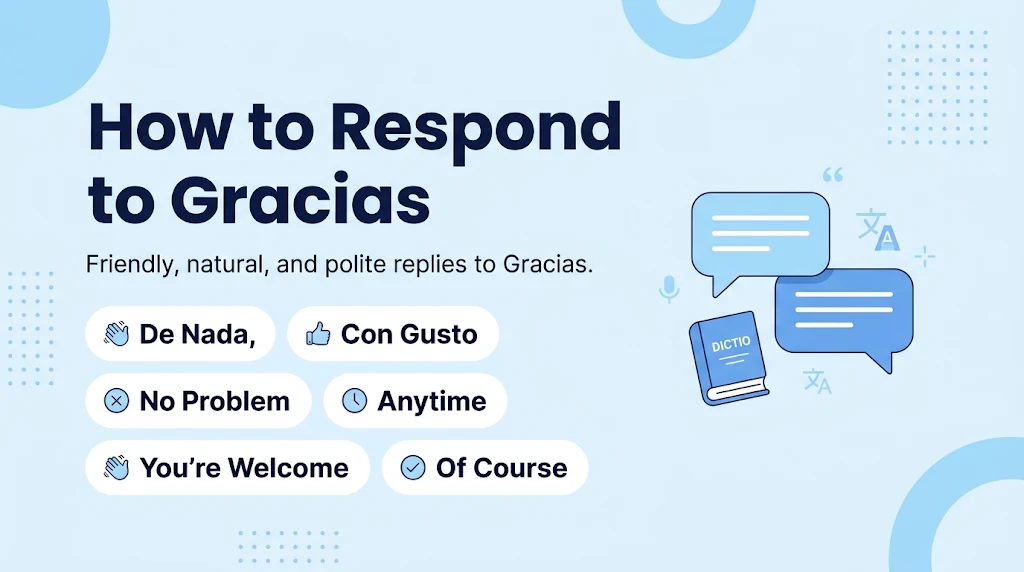
The best way to respond to gracias (thank you in Spanish) is to say De nada, No hay de qué, Con gusto, Un placer, or No te preocupes. These expressions mean you’re welcome, don’t mention it, my pleasure, or no worries, depending on the situation.
Someone says gracias, and suddenly you’re wondering whether to reply with de nada, something cute, or a little playful comeback. Whether you’re texting a Spanish-speaking friend, chatting with your crush, helping a coworker, or responding to someone after a small favor, the right reply can make the conversation feel natural and friendly.
Knowing how to respond to gracias is especially useful when you want to sound confident, polite, or even a little flirty without making things awkward. Spanish has plenty of beautiful ways to say “you’re welcome,” and some are surprisingly charming. From everyday expressions to funny replies and romantic responses, having a few options ready makes conversations easier. The best part? You don’t need to speak perfect Spanish to sound thoughtful. Just choose a reply that matches the moment, the relationship, and your personality.
Polite Responses
– De nada.
Use this when someone thanks you for a small favor or everyday help.
Meaning: You’re welcome; it was nothing.
– No hay de qué.
Use this when someone thanks you for helping them.
Meaning: There’s nothing to thank me for.
– Con gusto.
Use this when you genuinely enjoyed helping someone.
Meaning: Gladly or with pleasure.
– Un placer.
Use this after doing something nice for another person.
Meaning: It was my pleasure.
– No te preocupes.
Use this when someone thanks you for something minor.
Meaning: Don’t worry about it.
– Para eso estamos.
Use this when helping a friend or someone you know well.
Meaning: That’s what we’re here for.
– Cuando quieras.
Use this when someone might need your help again.
Meaning: Anytime.
– No es nada.
Use this when someone thanks you for a simple favor.
Meaning: It was nothing.
– A ti.
Use this when you also appreciate the other person.
Meaning: Thank you as well or the thanks go to you.
– Gracias a ti.
Use this when the other person deserves appreciation too.
Meaning: Thanks to you.
– Ha sido un placer.
Use this after helping someone or having a pleasant interaction.
Meaning: It has been a pleasure.
– Me alegra ayudar.
Use this when you want to sound genuinely kind.
Meaning: I’m happy to help.
– Siempre es un gusto.
Use this when you enjoy doing things for someone.
Meaning: It’s always a pleasure.
– No tienes que agradecerme.
Use this when someone thanks you for something heartfelt.
Meaning: You don’t need to thank me.
– Estoy aquí para ayudarte.
Use this when someone appreciates your support.
Meaning: I’m here to help you.
Casual Responses
– De nada, amigo.
Use this when a friend thanks you casually.
Meaning: You’re welcome, buddy.
– No pasa nada.
Use this when someone thanks you for something small.
Meaning: It’s all good.
– Tranqui.
Use this with friends in relaxed conversations.
Meaning: No worries or chill.
– Todo bien.
Use this after helping someone with something simple.
Meaning: Everything’s good.
– Dale.
Use this in casual conversations, especially in some Latin American regions.
Meaning: Okay, sure, or sounds good.
– A la orden.
Use this in friendly service situations or regional conversations.
Meaning: At your service.
– Sin problema.
Use this when you want a relaxed and helpful reply.
Meaning: No problem.
– No hay problema.
Use this when someone thanks you for helping them.
Meaning: There’s no problem at all.
– Todo tranquilo.
Use this when you want to keep things easygoing.
Meaning: Everything is fine.
– Claro que sí.
Use this when you’re happy to help again.
Meaning: Of course.
– Cuando sea.
Use this when telling a friend they can count on you.
Meaning: Whenever you need.
– Con todo gusto.
Use this when you want a friendly and enthusiastic response.
Meaning: With pleasure.
– Estamos bien.
Use this when responding casually to someone familiar.
Meaning: We’re good.
– No te hagas problema.
Use this when someone feels awkward about thanking you.
Meaning: Don’t make it an issue.
– Listo, no pasa nada.
Use this after completing a quick favor.
Meaning: All done, no worries.
Funny Responses
– De nada, pero acepto pizza.
Use this when a friend thanks you for helping them.
Meaning: You’re welcome, but you expect a playful reward.
– De nada, soy increíble.
Use this when joking with someone who knows your humor.
Meaning: You’re humorously complimenting yourself.
– Lo sé, lo sé.
Use this when your friend thanks you dramatically.
Meaning: You jokingly act like your kindness was expected.
– De nada, firma aquí para más favores.
Use this after helping someone with a task.
Meaning: You’re joking that future favors require a contract.
– Un placer, como siempre.
Use this when you want a playful but classy response.
Meaning: You’re saying helping them is always enjoyable.
– De nada, soy un héroe.
Use this after solving a friend’s problem.
Meaning: You’re humorously celebrating your helpfulness.
– No hay de qué, pero recuerda mi nombre.
Use this when joking after doing something impressive.
Meaning: You’re pretending your favor deserves recognition.
– De nada, mi trabajo aquí terminó.
Use this after completing a funny little favor.
Meaning: You’re acting like your mission is officially complete.
– Para eso estoy, obviamente.
Use this when a friend thanks you for something easy.
Meaning: You’re playfully saying helping them is your specialty.
– De nada, aplausos opcionales.
Use this when someone appreciates your effort.
Meaning: You’re jokingly requesting applause.
– Acepto gracias en efectivo.
Use this with a friend who owes you a favor.
Meaning: You’re pretending gratitude should come with payment.
– De nada, no olvides mi generosidad.
Use this when teasing someone after helping them.
Meaning: You’re joking that your kindness deserves remembering.
– Un placer, cinco estrellas para mí.
Use this after doing something particularly helpful.
Meaning: You’re humorously rating your own performance.
– De nada, mi cuenta de favores sigue abierta.
Use this when joking about helping someone again.
Meaning: You’re pretending to maintain a favor account.
– No hay de qué, soy así de amable.
Use this with friends who appreciate playful confidence.
Meaning: You’re jokingly presenting kindness as your natural talent.
Flirty Responses
– De nada, guapo.
Use this when responding to someone you find attractive.
Meaning: You’re saying you’re welcome while adding a compliment.
– Para ti, siempre.
Use this when someone special thanks you.
Meaning: You’re suggesting you are always happy to help them.
– Un placer, especialmente contigo.
Use this when you want a subtle romantic hint.
Meaning: Helping them feels especially enjoyable.
– De nada, cariño.
Use this with someone you’re already romantically close to.
Meaning: You’re responding with affection.
– No hay de qué, corazón.
Use this when you want a sweet and romantic reply.
Meaning: You’re expressing warmth and closeness.
– Cuando quieras, guapo.
Use this when you want to keep the flirting light.
Meaning: You’re telling them you’re happy to help anytime.
– Me encanta hacerte sonreír.
Use this when their gratitude comes with a smile.
Meaning: Their happiness makes you happy too.
– Por ti, lo que sea.
Use this with someone you genuinely care about.
Meaning: You’re showing that they’re especially important to you.
– De nada, pero me debes una cita.
Use this when you want to turn a favor into a playful invitation.
Meaning: You’re flirting by suggesting a date.
– Siempre es bonito hablar contigo.
Use this after a pleasant conversation.
Meaning: You’re letting them know you enjoy their company.
– No hay de qué, mi persona favorita.
Use this for a romantic partner or someone very special.
Meaning: You’re expressing affection and emotional closeness.
– Con gusto, especialmente si eres tú.
Use this when you want a charming romantic response.
Meaning: You’re saying their requests are particularly enjoyable.
– De nada, tu sonrisa es suficiente.
Use this when someone thanks you for making them happy.
Meaning: Their smile feels like a reward.
– Un placer, ¿cuándo repetimos?
Use this after spending enjoyable time together.
Meaning: You’re hinting that you want another meeting.
– Para ti siempre tengo tiempo.
Use this when someone special appreciates your help.
Meaning: You’re showing that they matter to you.
Cute Responses
– De nada, amiguito.
Use this with a close friend in a sweet conversation.
Meaning: You’re responding affectionately.
– Aww, de nada.
Use this when someone thanks you in a cute way.
Meaning: You’re acknowledging their gratitude warmly.
– Con mucho cariño.
Use this with someone you care about.
Meaning: You’re saying you helped with affection.
– De nada, corazón bonito.
Use this with someone who enjoys affectionate expressions.
Meaning: You’re adding a sweet compliment.
– Siempre para ti.
Use this when someone special thanks you.
Meaning: You’re showing that your support is always available.
– Me alegra haberte ayudado.
Use this after making someone’s day easier.
Meaning: You’re genuinely happy you could help.
– De nada, te mando un abrazo.
Use this with a friend or loved one.
Meaning: You’re returning the gratitude with affection.
– Con gusto y una sonrisa.
Use this when you want a cheerful reply.
Meaning: You’re saying you helped happily.
– No hay de qué, dulce persona.
Use this with someone who appreciates soft and sweet messages.
Meaning: You’re expressing kindness toward them.
– De nada, que tengas un día precioso.
Use this after a friendly interaction.
Meaning: You’re wishing them a beautiful day.
– Siempre es lindo ayudarte.
Use this when you enjoy supporting someone.
Meaning: Helping them feels nice to you.
– Un placer, que sonrías mucho.
Use this when someone thanks you for something thoughtful.
Meaning: You’re wishing them plenty of happiness.
– De nada, te lo mereces.
Use this when you do something nice for someone.
Meaning: You’re telling them they deserve kindness.
– Con todo mi cariño.
Use this for someone close to your heart.
Meaning: You’re offering your help with affection.
– De nada, que nunca te falten motivos para sonreír.
Use this for a heartfelt message.
Meaning: You’re wishing them lasting happiness.
Professional Responses
– Con mucho gusto.
Use this when responding to a customer or colleague.
Meaning: You’re welcome, and it was my pleasure.
– A su servicio.
Use this in formal customer-service situations.
Meaning: You’re at their service.
– Ha sido un placer ayudarle.
Use this after assisting a client or customer.
Meaning: It was a pleasure to help you.
– No hay de qué, estamos para ayudar.
Use this when representing a company or team.
Meaning: Helping people is part of your role.
– Gracias a usted.
Use this when you also appreciate the other person’s interaction.
Meaning: Thank you as well.
– Siempre es un gusto atenderle.
Use this when replying to a valued customer.
Meaning: It’s always a pleasure serving you.
– Quedo a su disposición.
Use this after completing professional assistance.
Meaning: I’m available if you need anything else.
– Con gusto, no dude en contactarme.
Use this when offering continued professional support.
Meaning: You’re welcome, and they can contact you anytime.
– Encantado de ayudarle.
Use this when responding to a formal thank-you.
Meaning: You’re delighted to help.
– Agradezco sus palabras.
Use this when someone expresses appreciation in a professional setting.
Meaning: You appreciate their kind words.
– Para eso estamos.
Use this in workplace conversations with colleagues.
Meaning: Helping is part of your responsibility or teamwork.
– Me alegra que haya sido útil.
Use this after providing information or assistance.
Meaning: You’re glad your help was useful.
– Será un placer ayudarle nuevamente.
Use this when ending a professional interaction.
Meaning: You’re happy to assist them again.
– Muchas gracias por su confianza.
Use this when someone thanks you for professional support.
Meaning: You’re appreciating their trust.
– Estamos encantados de ayudarle.
Use this when speaking on behalf of a business or team.
Meaning: Your organization is happy to provide assistance.
Sweet And Heartfelt Responses
– De nada, siempre cuenta conmigo.
Use this when someone appreciates your emotional support.
Meaning: You’re reassuring them that they can rely on you.
– No hay de qué, te quiero mucho.
Use this with family or close friends.
Meaning: You’re combining gratitude with affection.
– Me alegra haber podido ayudarte.
Use this after supporting someone through a difficult moment.
Meaning: You’re happy you could make things easier.
– De nada, eres importante para mí.
Use this when someone special thanks you.
Meaning: You’re reminding them that they matter.
– Con todo mi corazón.
Use this when your help came from genuine care.
Meaning: You did it with sincere affection.
– Siempre estaré aquí para ti.
Use this when someone thanks you for being supportive.
Meaning: You’re promising continued emotional support.
– No tienes que agradecerme, te lo mereces.
Use this after doing something kind for a loved one.
Meaning: You’re telling them your kindness was deserved.
– Me hace feliz verte feliz.
Use this when your help made someone smile.
Meaning: Their happiness brings you happiness.
– De nada, gracias por ser tú.
Use this for someone whose presence you appreciate.
Meaning: You’re expressing gratitude for their personality and relationship.
– Siempre con cariño y buena intención.
Use this when you want to explain the kindness behind your help.
Meaning: Your actions come from affection and sincerity.
– No hay de qué, te mereces lo mejor.
Use this when helping someone you care about.
Meaning: You’re wishing them the best in life.
– De nada, me importas mucho.
Use this when you want a personal and meaningful reply.
Meaning: You’re openly expressing that they matter to you.
– Qué bonito poder ayudarte.
Use this after doing something thoughtful.
Meaning: You’re happy to have the opportunity to help.
– De nada, que la vida te devuelva toda esa bondad.
Use this when someone is especially appreciative.
Meaning: You’re wishing them kindness in return.
– Siempre es un regalo compartir contigo.
Use this with someone who makes your life better.
Meaning: You value the relationship and time together.
Creative Responses
– De nada, misión cumplida.
Use this after completing a favor for a friend.
Meaning: You’re saying your helpful mission is complete.
– El placer fue mío.
Use this after a pleasant interaction.
Meaning: The pleasure was yours.
– Tu agradecimiento es mi recompensa.
Use this when someone thanks you for something meaningful.
Meaning: Their appreciation is enough for you.
– De nada, un pequeño acto de bondad.
Use this when you want a thoughtful response.
Meaning: You’re presenting your help as a simple kindness.
– Con gusto, como en una película.
Use this when joking about a dramatic favor.
Meaning: You’re playfully making your kindness sound cinematic.
– De nada, la bondad nunca pasa de moda.
Use this when you want a memorable reply.
Meaning: You’re celebrating the value of kindness.
– No hay de qué, felicidad entregada.
Use this after making someone’s day better.
Meaning: You’re saying you successfully shared happiness.
– De nada, un favor con mucho estilo.
Use this when helping someone in a fun way.
Meaning: You’re adding confidence and personality to your response.
– Con gusto, pequeñas cosas, grandes sonrisas.
Use this after doing something thoughtful.
Meaning: Even small acts can create happiness.
– De nada, la magia está en ayudar.
Use this when you want something creative and positive.
Meaning: You’re suggesting kindness has its own magic.
– Un placer, capítulo cerrado.
Use this after completing a task.
Meaning: You’re playfully declaring the favor finished.
– De nada, otro momento bonito para recordar.
Use this after sharing a pleasant experience.
Meaning: You’re appreciating the memory created together.
– Con gusto, porque las buenas personas merecen cosas buenas.
Use this when helping someone kind.
Meaning: You’re expressing appreciation for their goodness.
– De nada, que la alegría siga viajando.
Use this in a positive conversation.
Meaning: You’re wishing happiness continues spreading.
– No hay de qué, hoy por ti, mañana por mí.
Use this when helping a friend.
Meaning: You’re expressing the spirit of mutual support.
Confident Responses
– De nada, siempre doy lo mejor de mí.
Use this after completing something successfully.
Meaning: You’re confidently expressing your commitment.
– Con gusto, para eso soy bueno.
Use this when joking about a skill you have.
Meaning: You’re confidently saying you’re good at helping.
– De nada, problema resuelto.
Use this after fixing an issue.
Meaning: You’re emphasizing that everything is taken care of.
– Siempre listo para ayudar.
Use this when someone appreciates your support.
Meaning: You’re showing confidence and availability.
– De nada, cuenta conmigo.
Use this with someone who trusts you.
Meaning: You’re confidently offering your support.
– Con gusto, lo importante es que salió bien.
Use this after helping someone achieve a goal.
Meaning: You’re focusing on the successful result.
– No hay de qué, juntos podemos más.
Use this when helping a teammate or friend.
Meaning: You’re highlighting the strength of cooperation.
– De nada, siempre cumplo.
Use this after doing what you promised.
Meaning: You’re expressing reliability and confidence.
– Para eso estamos, seguimos adelante.
Use this after helping someone overcome a challenge.
Meaning: You’re encouraging continued progress.
– De nada, lo importante es avanzar.
Use this when helping someone move forward.
Meaning: You’re focusing on progress rather than praise.
– Con gusto, otro objetivo conseguido.
Use this after completing a task successfully.
Meaning: You’re celebrating another achievement.
– De nada, siempre hay una solución.
Use this when someone thanks you for solving a problem.
Meaning: You’re expressing optimism and practical confidence.
– Un placer, seguimos haciendo cosas buenas.
Use this with someone you work well with.
Meaning: You’re encouraging continued teamwork.
– De nada, lo hicimos posible.
Use this after achieving something together.
Meaning: You’re sharing credit for the accomplishment.
– Con gusto, aquí siempre se puede contar conmigo.
Use this when someone appreciates your reliability.
Meaning: You’re confidently reassuring them of your support.
Sarcastic Responses
– De nada, no te acostumbres.
Use this with a friend who constantly asks for favors.
Meaning: You’re jokingly warning them not to expect too much.
– Lo sé, soy demasiado amable.
Use this when someone thanks you dramatically.
Meaning: You’re playfully exaggerating your kindness.
– De nada, puedes escribir una reseña.
Use this after helping someone with a task.
Meaning: You’re jokingly asking for a review.
– No hay de qué, obviamente.
Use this with someone who appreciates sarcastic humor.
Meaning: You’re pretending your help was completely expected.
– De nada, espero mi premio.
Use this when a friend thanks you for doing something.
Meaning: You’re humorously suggesting that gratitude deserves a reward.
– Con gusto, soy un servicio premium.
Use this after doing something impressive.
Meaning: You’re joking that your help is high quality.
– De nada, otra obra maestra.
Use this after solving a problem.
Meaning: You’re sarcastically celebrating your achievement.
– No hay de qué, aplausos después.
Use this when a friend thanks you dramatically.
Meaning: You’re jokingly postponing the applause.
– De nada, mantén la admiración.
Use this with someone who enjoys playful teasing.
Meaning: You’re pretending they should continue admiring you.
– Con gusto, no acepto críticas.
Use this after helping someone with a task.
Meaning: You’re jokingly protecting your performance from criticism.
– De nada, mi generosidad no tiene límites.
Use this when exaggerating your helpfulness.
Meaning: You’re playfully presenting yourself as endlessly generous.
– No hay de qué, soy una leyenda.
Use this after doing something surprisingly helpful.
Meaning: You’re humorously celebrating yourself.
– De nada, el servicio fue gratuito esta vez.
Use this with friends who owe you favors.
Meaning: You’re joking that future help might cost something.
– Con gusto, pero no lo publiques.
Use this after helping someone in a funny situation.
Meaning: You’re pretending your kindness should remain secret.
– De nada, ya puedes dejar de emocionarte.
Use this when a friend is overly grateful.
Meaning: You’re teasing them for making a big deal out of your help.
Short And Simple Responses
– De nada.
Use this in almost any everyday conversation.
Meaning: You’re welcome.
– Con gusto.
Use this when you want a friendly and short reply.
Meaning: Gladly.
– Un placer.
Use this after helping someone.
Meaning: My pleasure.
– Claro.
Use this when someone thanks you casually.
Meaning: Of course.
– Siempre.
Use this with someone you are happy to help again.
Meaning: Always.
– A ti.
Use this when you also appreciate the other person.
Meaning: Thank you too.
– No pasa nada.
Use this after a small favor.
Meaning: No worries.
– Todo bien.
Use this when you want a relaxed response.
Meaning: All good.
– Por supuesto.
Use this when you gladly helped someone.
Meaning: Of course.
– Encantado.
Use this when you want to sound friendly and polished.
Meaning: Delighted or pleased.
– Sin problema.
Use this after helping with something simple.
Meaning: No problem.
– A la orden.
Use this in appropriate regional or service contexts.
Meaning: At your service.
– Para eso estamos.
Use this when helping a friend or colleague.
Meaning: That’s what we’re here for.
– No hay problema.
Use this in everyday conversations.
Meaning: No problem.
– Cuando quieras.
Use this when someone might need your help again.
Meaning: Anytime.
Romantic Responses
– De nada, mi amor.
Use this when your partner thanks you for something sweet.
Meaning: You’re welcome, my love.
– Siempre por ti, amor.
Use this when helping your partner feels natural.
Meaning: You’re always happy to do things for them.
– No hay de qué, mi vida.
Use this in a loving conversation.
Meaning: You’re welcome, darling.
– Un placer hacerte feliz.
Use this when your partner thanks you for a thoughtful gesture.
Meaning: Making them happy is a pleasure.
– De nada, te adoro.
Use this when you want a short affectionate reply.
Meaning: You’re welcome, and I adore you.
– Para ti, todo mi cariño.
Use this when responding to someone you love deeply.
Meaning: You’re offering affection and warmth.
– Con gusto, mi corazón.
Use this when your partner thanks you for helping them.
Meaning: You’re happy to help someone you love.
– De nada, eres mi felicidad.
Use this when sharing a romantic moment.
Meaning: You’re telling them they bring happiness into your life.
– Siempre es bonito cuidarte.
Use this when your partner appreciates your support.
Meaning: You enjoy taking care of them.
– No tienes que agradecerme, amor.
Use this when your partner thanks you for something meaningful.
Meaning: Your kindness comes naturally because you love them.
– De nada, mi persona favorita.
Use this when you want a romantic but modern expression.
Meaning: You’re telling them they are your favorite person.
– Lo haría mil veces por ti.
Use this after doing something important for your partner.
Meaning: You would happily repeat the gesture for them.
– Con todo mi amor, siempre.
Use this when you want an emotional romantic reply.
Meaning: Your help and affection come from love.
– De nada, mi cielo.
Use this when responding to your sweetheart.
Meaning: You’re offering a tender and affectionate reply.
– Gracias por hacer mi vida más bonita.
Use this when you want to return the appreciation romantically.
Meaning: You’re thanking them for making your life happier.
FAQs
What Does Gracias Mean?
Gracias is the Spanish word for thank you. People use it to express appreciation for favors, gifts, help, kindness, or thoughtful gestures.
What Is the Best Response to Gracias?
De nada is the most common and universally useful response. It means you’re welcome and works in most everyday situations.
Is De Nada Formal or Casual?
De nada is suitable for both casual and polite conversations. However, Con mucho gusto and Ha sido un placer can sound more polished in professional situations.
How Do You Respond to Gracias From Your Crush?
Try Para ti, siempre, Un placer, especialmente contigo, or De nada, guapo. These replies add a little flirtation without being overly dramatic.
Can You Respond to Gracias With No Hay De Qué?
Yes! No hay de qué means there’s nothing to thank me for. It’s a natural, polite expression used in many Spanish-speaking communities.
Conclusion
Knowing how to respond to gracias makes Spanish conversations feel easier, warmer, and more natural. Whether you prefer a simple De nada, a funny comeback, a sweet expression, or a romantic reply, the best choice depends on your relationship and the moment. You don’t need complicated Spanish to sound thoughtful or confident.
Just choose a phrase that feels comfortable and matches your personality. Save these responses for your next conversation, share your favorites with a Spanish-learning friend, or try a new expression the next time someone thanks you. A little language practice can make everyday conversations surprisingly memorable!
Discover More Related Articles:

Richard Scott is an experienced author dedicated to creating compelling and well-researched content for online audiences. As a contributor to Responary.com, he enjoys sharing knowledge through clear, engaging, and informative articles that connect with readers worldwide.