Quick Answer
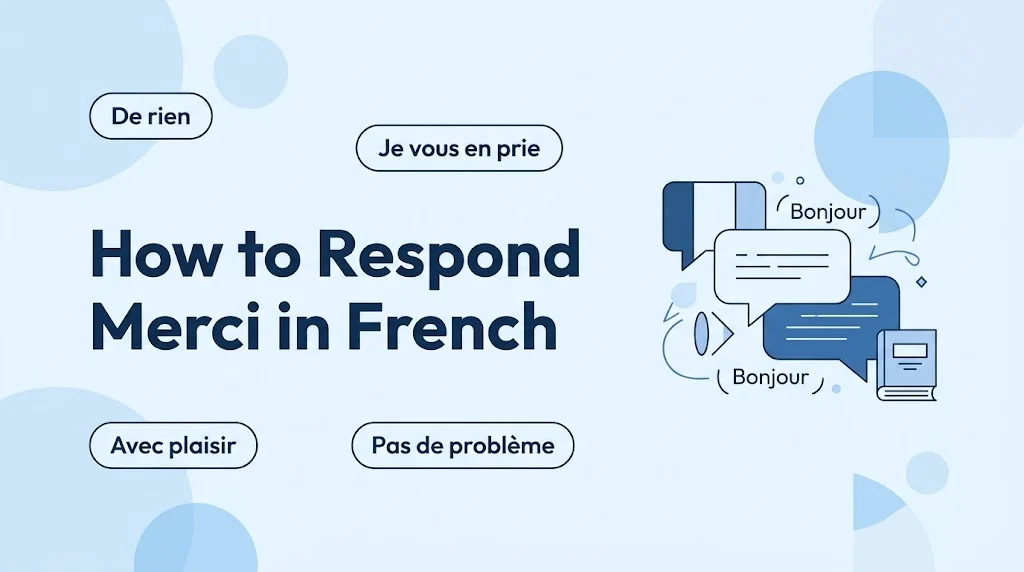
The best way to reply to merci depends on the situation, from simple and polite to casual, warm, funny, or professional. Try these: De rien, Je t’en prie, Avec plaisir, Pas de souci, Je vous en prie
Someone says merci, and suddenly you are wondering whether to say de rien, avec plaisir, or something a little more natural. No stress. Knowing how to respond to merci in French can make everyday conversations feel smoother, whether you are chatting with a French-speaking friend, replying to a text, traveling, talking to a colleague, or trying to impress someone with your language skills.
The good news is that French has plenty of natural responses, and you do not have to sound like you memorized them from a textbook. Some replies are classic and polite, while others are relaxed, friendly, playful, or even slightly charming. The trick is choosing the phrase that fits the person and the moment.
Polite Responses
- De rien
Use this when someone thanks you for a small favor or everyday kindness.
Meaning: You are saying that there is no need for them to thank you. - Je vous en prie
Use this with someone you do not know well or in a formal situation.
Meaning: You are offering a respectful and courteous response. - Je t’en prie
Use this with a friend, family member, or someone you address with tu.
Meaning: You are politely telling the person that helping them was no trouble. - Avec plaisir
Use this when you genuinely enjoyed helping someone.
Meaning: You are saying that you were happy to help. - Il n’y a pas de quoi
Use this when someone thanks you for something fairly ordinary.
Meaning: You are saying that what you did was not important enough to require thanks. - Pas de quoi
Use this for a short, natural response in casual situations.
Meaning: You are saying that it was nothing. - Tout le plaisir est pour moi
Use this when you want to sound especially gracious.
Meaning: You are saying that you were the one who enjoyed the interaction. - C’est moi qui vous remercie
Use this when you want to return the appreciation.
Meaning: You are telling the person that you are actually the one who should be thankful. - C’est moi qui te remercie
Use this with someone you know well.
Meaning: You are warmly returning their thanks. - Je vous en prie, avec plaisir
Use this when you want a particularly courteous reply.
Meaning: You are combining respect with genuine willingness to help. - Avec grand plaisir
Use this when you want to sound especially warm.
Meaning: You are emphasizing that helping them was genuinely enjoyable. - Je vous en prie, c’était normal
Use this in a polite exchange where you want to downplay your effort.
Meaning: You are saying that helping was simply the natural thing to do. - Je t’en prie, ça me fait plaisir
Use this with a friend or loved one.
Meaning: You are saying their appreciation makes you happy. - Pas de souci
Use this when the situation is informal but still polite.
Meaning: You are reassuring them that everything was fine. - Avec plaisir, vraiment
Use this when you want your response to sound sincere.
Meaning: You are emphasizing that your help was given gladly.
Casual Responses
- De rien !
Use this with friends or acquaintances in everyday conversations.
Meaning: You are giving the classic casual response that means no problem. - Pas de souci !
Use this after helping someone with something simple.
Meaning: You are saying that there was absolutely no problem. - Pas de problème !
Use this when you want a relaxed and straightforward reply.
Meaning: You are reassuring the person that helping them was easy. - T’inquiète !
Use this with a close friend after doing them a small favor.
Meaning: You are telling them not to worry about thanking you. - Pas besoin de me remercier !
Use this when someone is being overly thankful for a small favor.
Meaning: You are saying their thanks are unnecessary. - Normal !
Use this with someone you are comfortable with.
Meaning: You are saying that helping them was simply normal or expected. - Tranquille !
Use this among close friends in a very relaxed setting.
Meaning: You are saying everything is completely fine. - Avec plaisir !
Use this when you want to sound friendly without being formal.
Meaning: You are saying you were happy to help. - Ça marche !
Use this when the thanks are connected to a simple arrangement or favor.
Meaning: You are keeping the interaction relaxed and easygoing. - Aucun souci !
Use this when someone thanks you for helping them out.
Meaning: You are reassuring them that there was no inconvenience. - T’inquiète pas !
Use this with a friend who keeps apologizing or thanking you.
Meaning: You are telling them not to worry about it. - Pas de problème, vraiment !
Use this when you want to make your reassurance stronger.
Meaning: You are emphasizing that you genuinely did not mind. - Y a pas de quoi !
Use this in very casual spoken French.
Meaning: You are giving a relaxed version of there is nothing to thank me for. - Quand tu veux !
Use this after helping a friend and showing you would do it again.
Meaning: You are saying they can ask for your help again anytime. - Toujours avec plaisir !
Use this with someone you regularly help or care about.
Meaning: You are saying you are always happy to be there for them.
Professional Responses
- Je vous en prie.
Use this in an office, business, customer-service, or formal setting.
Meaning: You are giving a standard respectful response. - Avec plaisir.
Use this with a colleague, client, or professional contact.
Meaning: You are politely saying you were happy to assist. - Je vous en prie, c’est tout naturel.
Use this when you want to sound polished and courteous.
Meaning: You are saying that helping them was completely natural. - Tout le plaisir est pour moi.
Use this after assisting a valued client or professional contact.
Meaning: You are expressing graciousness and appreciation. - Je vous remercie également.
Use this when the situation involves mutual appreciation.
Meaning: You are returning the person’s thanks. - C’est moi qui vous remercie.
Use this when the other person has helped you in some way as well.
Meaning: You are politely shifting the gratitude back to them. - Avec grand plaisir, je vous en prie.
Use this when you want a warm but highly respectful response.
Meaning: You are emphasizing both courtesy and willingness to help. - Je suis ravi(e) d’avoir pu vous aider.
Use this after assisting someone professionally.
Meaning: You are saying that you are pleased you were able to help. - Je reste à votre disposition.
Use this after assisting a client or colleague who may need further help.
Meaning: You are letting them know that you remain available. - N’hésitez pas.
Use this when you want to encourage the person to contact you again.
Meaning: You are telling them they can reach out without hesitation. - Ce fut un plaisir.
Use this in a more formal written or professional exchange.
Meaning: You are politely saying that the interaction was enjoyable. - Je vous en prie, avec plaisir.
Use this when you want a concise but polished response.
Meaning: You are combining formal courtesy with warmth. - Je suis heureux(se) d’avoir pu vous être utile.
Use this in a professional conversation where you provided assistance.
Meaning: You are saying that you are glad your help was useful. - Merci à vous également.
Use this when appreciation goes both ways.
Meaning: You are returning the thanks respectfully. - Au plaisir de vous aider à nouveau.
Use this after completing a helpful professional interaction.
Meaning: You are expressing willingness to assist again.
Friendly Responses
- Avec plaisir, mon ami !
Use this with a close friend after helping them.
Meaning: You are making the response warm and personal. - De rien, ça me fait plaisir !
Use this when you genuinely enjoyed helping your friend.
Meaning: You are saying their gratitude makes you happy. - Toujours là pour toi !
Use this when a close friend thanks you for being supportive.
Meaning: You are reassuring them that you will be there for them. - Pas de souci, tu sais bien !
Use this with a friend who thanks you for something small.
Meaning: You are reminding them that your friendship makes favors easy. - Quand tu veux !
Use this when you would happily help the person again.
Meaning: You are letting them know that they can count on you. - Ça me fait plaisir de t’aider.
Use this with a friend or loved one.
Meaning: You are expressing genuine happiness about helping them. - Avec plaisir, toujours !
Use this when you want to sound especially supportive.
Meaning: You are saying you are consistently happy to help. - T’inquiète, c’est rien !
Use this for a small favor between friends.
Meaning: You are telling them not to worry because the favor was insignificant. - Pas besoin de me remercier !
Use this when your friend keeps thanking you.
Meaning: You are saying their thanks are unnecessary because you helped gladly. - Normal, entre amis !
Use this when you want to emphasize friendship.
Meaning: You are saying friends naturally help each other. - Avec plaisir, ça compte pour moi.
Use this when you helped someone you genuinely care about.
Meaning: You are showing that their wellbeing matters to you. - Je suis là si tu as besoin.
Use this after helping someone through a difficult situation.
Meaning: You are offering continued support. - Aucun problème, vraiment !
Use this when you want to reassure a friend.
Meaning: You are making it clear that their request caused no inconvenience. - Ça fait plaisir !
Use this when the interaction itself was enjoyable.
Meaning: You are saying the exchange made you feel good too. - Avec toi, toujours !
Use this for someone especially close to you.
Meaning: You are emphasizing loyalty and affection.
Cute Responses
- Avec plaisir 😊
Use this in a sweet text exchange with a friend or someone special.
Meaning: You are saying you were genuinely happy to help. - De rien, avec le sourire ! 😊
Use this when you want a cheerful response.
Meaning: You are adding warmth and positivity to the interaction. - Toujours avec plaisir 💕
Use this when responding to someone you care about.
Meaning: You are saying that helping them always makes you happy. - Je t’en prie, adorable !
Use this with someone you have a warm relationship with.
Meaning: You are making the response affectionate and playful. - Pas de souci, toi ! 🥰
Use this with someone close to you.
Meaning: You are keeping the reply affectionate and lighthearted. - Ça me fait plaisir de te faire plaisir.
Use this when you want a sweet and slightly playful response.
Meaning: You are saying their happiness makes you happy too. - De rien, petit cœur !
Use this only with someone who is comfortable with affectionate language.
Meaning: You are adding a tender and playful nickname. - Avec plaisir, toujours là pour toi.
Use this for someone you care about deeply.
Meaning: You are expressing affection and support. - Je t’en prie, ça me fait vraiment plaisir.
Use this when you want your appreciation to sound sincere.
Meaning: You are emphasizing that helping them genuinely made you happy. - De rien, tu le mérites !
Use this when you have done something kind for someone special.
Meaning: You are saying they deserve the kindness they received. - Avec plaisir, joli sourire obligatoire !
Use this as a playful message to someone close.
Meaning: You are encouraging them to stay happy and smile. - T’inquiète, c’était avec amour.
Use this with someone you share a close emotional connection with.
Meaning: You are saying your kindness came from genuine affection. - Pas besoin de merci, ton sourire suffit.
Use this when you want a sweet and slightly romantic tone.
Meaning: You are saying their happiness is enough appreciation. - Toujours un plaisir de t’aider.
Use this when you want to sound affectionate without being overly romantic.
Meaning: You are telling them you genuinely enjoy helping them. - Avec plaisir, prends soin de toi.
Use this when ending a caring conversation.
Meaning: You are combining your response with a warm expression of concern.
Funny Responses
- De rien, facture envoyée plus tard.
Use this with a friend who appreciates sarcastic humor.
Meaning: You are joking that your favor comes with a pretend bill. - Avec plaisir, paiement accepté en croissants.
Use this when joking with someone about French food.
Meaning: You are humorously pretending that pastries are your payment. - De rien, mon travail ici est terminé.
Use this after doing a small favor for a friend.
Meaning: You are jokingly acting like you completed an official mission. - Pas de souci, je prends les remerciements en chocolat.
Use this with someone who owes you a small treat.
Meaning: You are playfully suggesting chocolate as your reward. - Avec plaisir, je suis disponible pour les prochains miracles.
Use this when you have dramatically helped with something simple.
Meaning: You are exaggerating your helpfulness for comic effect. - De rien, service cinq étoiles.
Use this after doing a particularly useful favor.
Meaning: You are jokingly treating your help like premium service. - Pas de quoi, je fais ça les yeux fermés.
Use this after an easy task.
Meaning: You are playfully saying the favor was extremely easy. - Je t’en prie, où est mon trophée ?
Use this when joking with a close friend.
Meaning: You are pretending that your favor deserves an award. - Avec plaisir, le héros est arrivé.
Use this after saving a friend from a minor problem.
Meaning: You are humorously exaggerating your role as the helper. - De rien, c’était mon acte de bonté du jour.
Use this with someone who knows your sense of humor.
Meaning: You are jokingly presenting the favor as your daily good deed. - Pas de souci, je mérite au moins un café.
Use this after helping someone with a task.
Meaning: You are playfully asking for coffee as a reward. - Avec plaisir, applaudissements acceptés.
Use this when you want an intentionally dramatic reply.
Meaning: You are joking that your help deserves applause. - De rien, je prends les compliments jusqu’à minuit.
Use this after receiving enthusiastic thanks.
Meaning: You are humorously encouraging them to keep praising you. - Je t’en prie, mission accomplie.
Use this after completing a favor.
Meaning: You are treating the favor like a completed secret mission. - De rien, prochaine aventure demain.
Use this with a friend after helping them out.
Meaning: You are playfully suggesting that more adventures are coming.
Flirty Responses
- Avec plaisir, surtout pour toi.
Use this when someone you like thanks you for helping them.
Meaning: You are subtly suggesting that you treat them differently from everyone else. - Je t’en prie, ça me fait plaisir de te faire plaisir.
Use this when you want a gentle romantic hint.
Meaning: You are saying that making them happy makes you happy too. - De rien, ton sourire me suffit.
Use this when the person gives you a warm reaction.
Meaning: You are turning their happiness into a sweet compliment. - Avec plaisir, quand il s’agit de toi.
Use this when you want your interest to be noticeable.
Meaning: You are saying you are especially happy to help them. - Je t’en prie, tu peux me remercier avec un café.
Use this when you want to turn the exchange into a casual invitation.
Meaning: You are playfully suggesting spending time together. - Pas de quoi, mais j’aime bien quand tu me remercies.
Use this when the conversation already has a playful vibe.
Meaning: You are teasing them while encouraging more interaction. - Avec plaisir, tu sais que je ne peux rien te refuser.
Use this only when you already share a comfortable flirtatious dynamic.
Meaning: You are playfully admitting that you have a soft spot for them. - De rien, mais ton message me fait sourire.
Use this after receiving a sweet thank-you text.
Meaning: You are subtly revealing that hearing from them makes you happy. - Je t’en prie, jolie personne.
Use this for a light and affectionate compliment.
Meaning: You are adding a playful romantic touch. - Avec plaisir, tu me dois maintenant un sourire.
Use this when you want to keep the flirt going.
Meaning: You are playfully asking them to return the good energy. - De rien, je pourrais m’y habituer.
Use this when their thanks are especially sweet.
Meaning: You are teasing that you enjoy their attention. - Je t’en prie, mais ne me rends pas trop heureux(se).
Use this for playful romantic banter.
Meaning: You are jokingly admitting that their attention affects you. - Avec plaisir, surtout si ça me permet de te parler.
Use this when you want a more direct flirt.
Meaning: You are saying that helping them gives you an excuse to interact. - De rien, mais je préfère quand tu restes dans mes messages.
Use this when texting someone you like.
Meaning: You are hinting that you enjoy their presence in your conversations. - Avec plaisir, je crois que je vais aimer être utile.
Use this when you want playful romantic teasing.
Meaning: You are joking that helping them gives you another reason to stay close.
Sweet And Romantic Responses
- Avec plaisir, mon cœur.
Use this with a romantic partner or someone with whom affectionate language is already natural.
Meaning: You are responding warmly with an intimate term of affection. - Je t’en prie, ça me rend heureux(se) de pouvoir t’aider.
Use this when your partner thanks you for something meaningful.
Meaning: You are expressing genuine happiness about supporting them. - De rien, je serai toujours là pour toi.
Use this after helping someone you deeply care about.
Meaning: You are promising continued support. - Avec plaisir, tout ce que je peux faire pour toi.
Use this with a romantic partner or someone very close.
Meaning: You are expressing willingness to support them. - Ton bonheur me suffit.
Use this after doing something thoughtful for someone special.
Meaning: You are saying that their happiness is your reward. - Je t’en prie, mon amour.
Use this with a romantic partner.
Meaning: You are returning their thanks with affection. - Avec plaisir, parce que tu comptes beaucoup pour moi.
Use this when you want to express deeper feelings.
Meaning: You are telling them that they are important to you. - De rien, j’aime prendre soin de toi.
Use this when you have done something caring for your partner.
Meaning: You are expressing affection through the idea of caring for them. - Avec plaisir, toujours et encore.
Use this as a short romantic response.
Meaning: You are saying you would happily do it again. - Je t’en prie, ton sourire vaut tout.
Use this after making someone happy.
Meaning: You are saying their happiness is more valuable than any thanks. - De rien, c’est normal quand on aime quelqu’un.
Use this only when the romantic relationship is already established.
Meaning: You are connecting your kindness with genuine love. - Avec plaisir, mon bonheur est de te voir heureux(se).
Use this for an intimate and heartfelt exchange.
Meaning: You are saying their happiness contributes to your own. - Je t’en prie, prends soin de toi pour moi.
Use this when ending a caring conversation.
Meaning: You are expressing affection and concern for their wellbeing. - De rien, tu mérites toute cette attention.
Use this when you have done something thoughtful for a partner.
Meaning: You are affirming that they deserve kindness and care. - Avec plaisir, aujourd’hui comme demain.
Use this when you want a romantic promise of continued support.
Meaning: You are saying your willingness to help is not temporary.
Sarcastic Responses
- De rien, je sais, je suis incroyable.
Use this with a friend who enjoys playful sarcasm.
Meaning: You are jokingly complimenting yourself. - Avec plaisir, les applaudissements sont facultatifs.
Use this after doing someone a favor.
Meaning: You are pretending your help deserves a grand celebration. - Je t’en prie, je facture les miracles normalement.
Use this after solving a friend’s small problem.
Meaning: You are humorously exaggerating what you accomplished. - De rien, je mérite une médaille maintenant.
Use this when you want an exaggerated joke.
Meaning: You are pretending that your favor was an enormous achievement. - Pas de quoi, je suis généreux(se) aujourd’hui.
Use this when teasing a friend.
Meaning: You are joking that your kindness is an unusual event. - Avec plaisir, profitez bien de mon incroyable générosité.
Use this for dramatic sarcastic humor.
Meaning: You are playfully exaggerating your generosity. - De rien, je vais ajouter ça à mon CV.
Use this after completing a minor favor.
Meaning: You are pretending the favor was an important professional achievement. - Je t’en prie, c’était seulement un petit miracle.
Use this when you want an intentionally dramatic reply.
Meaning: You are exaggerating the importance of what you did. - Pas de souci, je fais ça gratuitement aujourd’hui.
Use this with someone who owes you a favor.
Meaning: You are joking that your help normally has a price. - De rien, mais je prends les compliments.
Use this when someone is being especially thankful.
Meaning: You are playfully encouraging their praise. - Avec plaisir, ne t’habitue pas trop.
Use this when teasing a friend.
Meaning: You are joking that your generosity is not guaranteed forever. - Je t’en prie, je suis exceptionnel(le), que veux-tu ?
Use this with someone who understands exaggerated humor.
Meaning: You are jokingly claiming superiority. - De rien, ma bonne action est faite.
Use this after helping someone with something small.
Meaning: You are jokingly calling the favor your good deed of the day. - Avec plaisir, tu peux raconter mon héroïsme à tout le monde.
Use this after dramatically helping someone.
Meaning: You are making fun of yourself by pretending you are a hero. - Pas de quoi, je reviendrai pour les récompenses.
Use this when joking about being thanked.
Meaning: You are playfully suggesting that gratitude should come with prizes.
Confident And Clever Responses
- Avec plaisir, c’est toujours mieux quand on peut aider.
Use this when you want to sound confident and positive.
Meaning: You are presenting helpfulness as something worthwhile. - De rien, il faut bien se rendre utile.
Use this in a relaxed conversation.
Meaning: You are confidently saying that being useful is a good thing. - Je t’en prie, compte sur moi.
Use this with someone who may need your support again.
Meaning: You are confidently assuring them that you are dependable. - Avec plaisir, mission accomplie.
Use this after successfully completing a favor.
Meaning: You are acknowledging the successful outcome with confidence. - De rien, problème résolu.
Use this after fixing something for someone.
Meaning: You are confidently emphasizing that the issue has been handled. - Je vous en prie, c’est avec plaisir.
Use this when you want a polished confident response.
Meaning: You are being respectful while showing genuine willingness to help. - Avec plaisir, toujours efficace.
Use this with someone who appreciates a little humor.
Meaning: You are jokingly highlighting your efficiency. - Pas de souci, je m’en occupe.
Use this when someone thanks you after asking for assistance.
Meaning: You are reassuring them that you can handle the situation. - De rien, c’était dans mes cordes.
Use this when you want to sound casually confident.
Meaning: You are saying the task was well within your abilities. - Avec plaisir, quand il faut, il faut.
Use this in a relaxed conversation after helping someone.
Meaning: You are saying that sometimes you simply need to step up and help. - Je t’en prie, tu peux compter sur moi.
Use this with a friend who needs reliable support.
Meaning: You are assuring them that they can depend on you. - De rien, je suis toujours partant(e).
Use this when you would happily help again.
Meaning: You are showing enthusiasm and confidence. - Avec plaisir, aucun défi n’est trop grand.
Use this jokingly after helping with a difficult task.
Meaning: You are playfully presenting yourself as capable and fearless. - Je vous en prie, heureux(se) d’avoir pu vous aider.
Use this after assisting someone professionally.
Meaning: You are responding with polished confidence and courtesy. - Avec plaisir, affaire classée.
Use this after solving a problem.
Meaning: You are confidently declaring that everything has been taken care of.
Chill Text And Social Media Responses
- De rien 😊
Use this when you want a quick text-message response.
Meaning: You are giving a friendly and uncomplicated reply. - Avec plaisir ✨
Use this in a positive social-media or DM exchange.
Meaning: You are saying you were happy to help. - Pas de souci 😌
Use this when you want a relaxed digital response.
Meaning: You are reassuring the person that everything is fine. - Je t’en prie 💫
Use this with a friend or someone you know well.
Meaning: You are responding warmly without sounding formal. - Toujours ! 🤝
Use this when someone thanks you for being supportive.
Meaning: You are saying you are always willing to help. - Avec plaisir, toujours ! 🙌
Use this when you want an upbeat reply.
Meaning: You are emphasizing your willingness to help again. - Pas de problème ✌️
Use this for an easygoing conversation.
Meaning: You are saying that there was no issue. - T’inquiète 😎
Use this with a close friend.
Meaning: You are telling them not to worry about it. - De rien, anytime !
Use this in a casual bilingual conversation.
Meaning: You are saying they can ask for your help again. - Ça marche 😊
Use this when the thank-you follows a simple arrangement.
Meaning: You are keeping the interaction relaxed and positive. - No worries, avec plaisir !
Use this when you naturally mix English and French.
Meaning: You are giving a casual bilingual response. - Tout bon !
Use this in a very relaxed conversation with someone who knows your style.
Meaning: You are saying everything is completely fine. - Avec plaisir, anytime 😄
Use this with friends who regularly mix languages in messages.
Meaning: You are offering friendly help again in a playful way. - Pas de stress !
Use this when someone thanks you after worrying about inconveniencing you.
Meaning: You are reassuring them that there is nothing to worry about. - De rien, on est là pour ça !
Use this with friends or a group after helping out.
Meaning: You are saying that helping each other is part of being a good friend or teammate.
FAQs
What is the most common response to merci in French?
De rien is one of the most common everyday responses. It is simple, natural, and appropriate in many casual situations.
What is the formal response to merci?
Je vous en prie is a classic formal response. It works well with strangers, customers, professional contacts, and people you address with vous.
Can I say avec plaisir after someone says merci?
Absolutely. Avec plaisir means with pleasure and sounds warm, positive, and natural. It works in both casual and many professional situations.
What is the difference between je t’en prie and je vous en prie?
Je t’en prie is used with someone you address using tu, while je vous en prie is used with vous. The choice depends on the relationship and level of formality.
Can I respond to merci with de rien in a professional situation?
You can, especially in a relaxed workplace, but je vous en prie or avec plaisir can sound more polished in formal professional situations.
Conclusion
A good French response does not need to be complicated. From the classic de rien to the warmer avec plaisir and the more formal je vous en prie, there is a natural phrase for almost every situation. The key is understanding who you are talking to and how formal or relaxed the moment feels. If you are texting a friend, keep it casual. If you are speaking with a colleague or customer, choose something polished.
And if the conversation has a little romantic energy, you can add a playful touch without overdoing it. Save these phrases for your next French conversation, share them with someone learning French, and try a different response each time. Before long, replying naturally will feel completely effortless.
Discover More Related Articles:
- How to Respond to an Interview Invitation | When You Are Interested In 2026
- How to Reply to a TikTok Comment With a Video In 2026

Laura Adams is a dedicated content writer and blogger known for crafting clear, informative, and engaging articles. As a contributor to Responary.com, she specializes in creating reader-friendly content that educates, inspires, and keeps audiences informed on a wide range of subjects.