Quick Answer
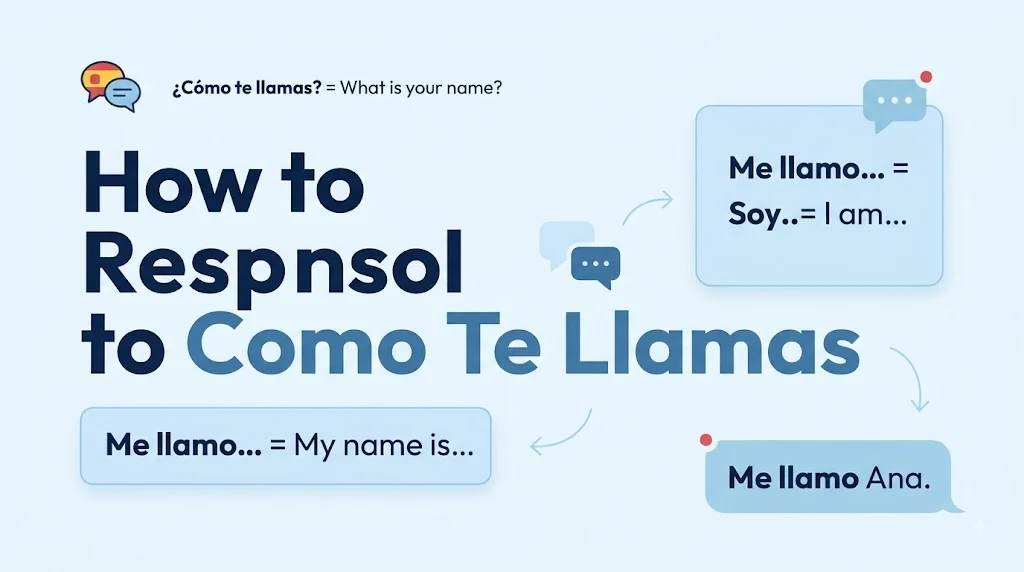
“¿Cómo te llamas?” means “What’s your name?” in Spanish. A natural reply is “Me llamo [your name],” but you can also answer in a friendly, funny, flirty, casual, or confident way depending on the situation.
Top alternatives: Me llamo [affirming name,], Soy [affirming name,], Mi nombre es [affirming name,], Puedes llamarme [affirming name,], Soy [name], mucho gusto
Someone slides into your DMs with “¿Cómo te llamas?” and suddenly your Spanish skills have entered the chat. Whether you are texting a new friend, meeting someone while traveling, chatting with a crush, joining an online community, or simply practicing Spanish, knowing what to say makes the interaction feel much smoother. The phrase literally asks for your name, so the simplest answer is usually “Me llamo [name].”
But sometimes a basic answer feels too boring. You might want to sound funny, charming, polite, mysterious, confident, or just casually friendly. Your response can set the entire tone of the conversation, especially when you are talking to someone new. From simple Spanish replies to playful internet-ready lines, these responses give you plenty of ways to answer naturally without making the conversation feel like a language textbook.
Simple Responses
- Me llamo [your name].
Example: Use this when someone directly asks your name in Spanish.
Meaning: You are simply saying, “My name is [your name].” - Soy [your name].
Example: Use this for a short and natural introduction in a casual conversation.
Meaning: You are introducing yourself by name. - Mi nombre es [your name].
Example: Use this when you want a slightly more complete introduction.
Meaning: You are saying, “My name is [your name].” - [Your name], mucho gusto.
Example: Use this when meeting someone for the first time.
Meaning: You are giving your name and politely saying it is nice to meet them. - Puedes llamarme [your name].
Example: Use this when introducing yourself to someone new.
Meaning: You are saying, “You can call me [your name].” - Soy [your name], ¿y tú?
Example: Use this when you want to keep the conversation moving.
Meaning: You are giving your name and asking for theirs. - Me llamo [your name], mucho gusto.
Example: Use this during a polite first introduction.
Meaning: You are introducing yourself warmly and respectfully. - Mi nombre es [your name]. ¿Cómo te llamas?
Example: Use this when you want to return the question.
Meaning: You give your name and ask the other person’s name. - [Your name] es mi nombre.
Example: Use this when practicing simple Spanish sentence structures.
Meaning: You are stating your name directly. - Soy [your name], encantado.
Example: Use this if you identify as male and want to sound polite.
Meaning: You are introducing yourself and saying you are pleased to meet them. - Soy [your name], encantada.
Example: Use this if you identify as female and want to give a warm introduction.
Meaning: You are introducing yourself while expressing pleasure at meeting them. - Me llamo [your name]. ¿Y tú?
Example: Use this in a casual text or DM.
Meaning: You are answering and inviting the other person to introduce themselves. - Puedes decirme [your name].
Example: Use this when casually telling someone what to call you.
Meaning: You are giving them your preferred name. - [Your name], mucho placer.
Example: Use this when you want a friendly introduction.
Meaning: You are introducing yourself and expressing pleasure at meeting them. - Soy [your name]. Un placer conocerte.
Example: Use this when you want your introduction to sound especially warm.
Meaning: You are saying your name and that it is a pleasure to meet them.
Friendly Responses
- ¡Me llamo [your name]! ¿Y tú?
Example: Use this when you want your introduction to feel upbeat and welcoming.
Meaning: You are answering warmly and inviting them to share their name. - Soy [your name], mucho gusto en conocerte.
Example: Use this when meeting someone in a relaxed social setting.
Meaning: You are introducing yourself in a friendly way. - Me llamo [your name]. ¡Qué gusto conocerte!
Example: Use this when you want to sound genuinely happy to meet someone.
Meaning: You are expressing warmth and friendliness. - Soy [your name]. ¿Cómo va todo?
Example: Use this when you want to move naturally into a conversation.
Meaning: You are introducing yourself and showing interest in the other person. - Me llamo [your name], encantado de conocerte.
Example: Use this when meeting someone casually but respectfully.
Meaning: You are giving your name and expressing pleasure at meeting them. - Soy [your name]! ¿Cómo te llamas tú?
Example: Use this when chatting with someone new online.
Meaning: You are making the introduction mutual. - Me llamo [your name]. ¡Ahora te toca!
Example: Use this when jokingly encouraging the other person to introduce themselves.
Meaning: You are playfully returning the question. - Soy [your name]. ¡Mucho gusto!
Example: Use this as a quick response when meeting someone.
Meaning: You are being friendly while keeping your answer simple. - Me llamo [your name], pero puedes decirme [nickname].
Example: Use this when you prefer a nickname.
Meaning: You are sharing both your formal name and preferred nickname. - [Your name] por aquí. ¿Y tú?
Example: Use this in a relaxed social-media conversation.
Meaning: You are casually introducing yourself and asking theirs. - Soy [your name]. ¡Encantado de conocerte!
Example: Use this when you want your introduction to feel enthusiastic.
Meaning: You are expressing genuine friendliness. - Me llamo [your name]. ¡Qué tal!
Example: Use this when you want to combine your introduction with a casual greeting.
Meaning: You are keeping the interaction easygoing. - [Your name]. Un gusto conocerte.
Example: Use this when you want a short but warm reply.
Meaning: You are politely saying it is nice to meet them. - Me llamo [your name]. ¿Y cómo te llamas?
Example: Use this during a new conversation where both people are introducing themselves.
Meaning: You are answering and naturally returning the question. - Soy [your name]. ¡Qué bueno conocerte!
Example: Use this when you want your first introduction to sound enthusiastic.
Meaning: You are expressing happiness about meeting them.
Funny Responses
- Me llamo [your name], pero mis amigos me llaman leyenda.
Example: Use this with friends or someone who enjoys playful humor.
Meaning: You are giving your name while jokingly hyping yourself up. - ¿Mi nombre? La estrella del día.
Example: Use this when the conversation is already playful.
Meaning: You are joking instead of giving a serious introduction immediately. - Soy [your name], pero puedes llamarme cuando quieras.
Example: Use this when joking with someone you are comfortable with.
Meaning: You are turning a simple introduction into a playful line. - Mi nombre es secreto… por ahora.
Example: Use this when teasing someone in a lighthearted chat.
Meaning: You are playfully pretending to be mysterious. - Me llamo [your name]. Sí, ese es mi nombre oficial.
Example: Use this when you want to make a basic introduction funny.
Meaning: You are humorously emphasizing that your name is actually your name. - Soy [your name], versión original.
Example: Use this as a playful introduction in a casual DM.
Meaning: You are joking that you are the original version of yourself. - Mi nombre viene con cero instrucciones.
Example: Use this when someone asks your name in a playful conversation.
Meaning: You are adding absurd humor to a simple introduction. - [Your name]. Fácil de recordar, difícil de olvidar.
Example: Use this when you want a confident joke.
Meaning: You are humorously suggesting your name is unforgettable. - Soy [your name]. Sí, así de importante.
Example: Use this when joking with someone who likes sarcasm.
Meaning: You are playfully exaggerating your importance. - Me llamo [your name]. El resto es historia.
Example: Use this when you want a dramatic joke.
Meaning: You are making your introduction sound hilariously epic. - [Your name], pero hoy estoy aceptando apodos.
Example: Use this in a playful online conversation.
Meaning: You are inviting the other person to continue joking. - Soy [your name]. Mi fan club está creciendo.
Example: Use this when you want a silly self-confident response.
Meaning: You are jokingly pretending to be famous. - Mi nombre es [your name]. No hay spoilers.
Example: Use this when teasing someone in a casual chat.
Meaning: You are turning your introduction into a playful mystery. - ¿Cómo me llamo? Depende de quién pregunte.
Example: Use this when the conversation has a teasing tone.
Meaning: You are playfully avoiding a straightforward answer. - Soy [your name]. Plot twist: ahora ya lo sabes.
Example: Use this with someone who enjoys internet-style humor.
Meaning: You are making the simple introduction feel playful.
Flirty Responses
- Me llamo [your name], pero puedes llamarme tu favorito.
Example: Use this when the conversation already has a playful romantic vibe.
Meaning: You are flirting by suggesting you could become their favorite person. - Soy [your name]. ¿Y tú, cómo te llamas, guapo?
Example: Use this when speaking flirtatiously to a man.
Meaning: You are answering while adding a compliment. - Soy [your name]. ¿Y tú, preciosa?
Example: Use this when speaking flirtatiously to a woman.
Meaning: You are returning the question with a charming compliment. - Me llamo [your name]. ¿Ya te estás aprendiendo mi nombre?
Example: Use this when someone seems interested in you.
Meaning: You are teasing them about remembering your name. - [Your name]. Espero que lo recuerdes.
Example: Use this when you want a subtle flirt without overdoing it.
Meaning: You are playfully suggesting that your name should stick in their mind. - Me llamo [your name]. ¿Por qué, te interesa?
Example: Use this when you want to tease someone who seems curious.
Meaning: You are playfully questioning their interest. - Soy [your name]. Ahora que sabes mi nombre, cuéntame el tuyo.
Example: Use this when you want to keep a flirty conversation going.
Meaning: You are inviting them to continue the connection. - Me llamo [your name], pero algo me dice que vas a rememberlo.
Example: Use this when jokingly flirting in a bilingual chat.
Meaning: You are teasing that they will remember you. - [Your name]. ¿Te gusta?
Example: Use this when the conversation already feels flirtatious.
Meaning: You are playfully asking whether they like your name. - Me llamo [your name]. Tu turno, encanto.
Example: Use this when you want a charming and confident reply.
Meaning: You are returning the introduction with a flirtatious nickname. - Soy [your name]. Bonito nombre para una futura conversación, ¿no?
Example: Use this when you want a playful romantic line.
Meaning: You are hinting that you want the conversation to continue. - [Your name]. Ahora dime el tuyo antes de que me distraiga.
Example: Use this when you want a teasing response.
Meaning: You are playfully implying that the other person has caught your attention. - Me llamo [your name]. ¿Ya empezamos con las preguntas interesantes?
Example: Use this when the conversation has a playful romantic tone.
Meaning: You are teasingly suggesting the interaction could become more personal. - Soy [your name]. Y tú pareces interesante.
Example: Use this when you want to flirt without being too direct.
Meaning: You are returning their interest with a subtle compliment. - Me llamo [your name]. Mucho gusto, especialmente si eres tú.
Example: Use this when you want a sweeter flirt.
Meaning: You are saying meeting them feels particularly nice.
Cute Responses
- Me llamo [your name]. ¡Mucho gusto! 😊
Example: Use this when texting someone new and keeping things sweet.
Meaning: You are giving your name with friendly enthusiasm. - Soy [your name]. ¿Y tú? 😊
Example: Use this when you want a simple and adorable introduction.
Meaning: You are answering warmly and inviting their introduction. - Me llamo [your name]. Qué lindo conocerte.
Example: Use this when someone makes the conversation feel welcoming.
Meaning: You are expressing that meeting them feels pleasant. - [Your name] aquí. ¡Encantado de conocerte!
Example: Use this when introducing yourself casually online.
Meaning: You are giving your name in a cheerful way. - Soy [your name]. Espero que tengamos una bonita conversación.
Example: Use this when you want to sound warm and sincere.
Meaning: You are expressing hope for a pleasant conversation. - Me llamo [your name]. Ahora quiero saber el tuyo.
Example: Use this when you want to make the exchange feel mutual.
Meaning: You are showing interest in the other person. - Soy [your name]. ¡Mucho gusto en conocerte!
Example: Use this during a friendly first meeting.
Meaning: You are politely showing happiness about meeting them. - [Your name]. Qué bonito nombre, ¿verdad?
Example: Use this when joking lightly about your own name.
Meaning: You are playfully expressing affection for your name. - Me llamo [your name]. ¡Ya nos presentamos!
Example: Use this after both people share their names.
Meaning: You are celebrating the completion of the introduction. - Soy [your name]. Me alegra conocerte.
Example: Use this when you want to sound genuinely kind.
Meaning: You are saying that meeting them makes you happy. - Me llamo [your name]. Espero recordarte también.
Example: Use this as a cute teasing line.
Meaning: You are playfully suggesting that you want to remember them. - [Your name]. ¡Hola! Mucho gusto.
Example: Use this for a simple friendly introduction.
Meaning: You are keeping your answer warm and approachable. - Soy [your name]. Qué alegría conocerte.
Example: Use this when you want to sound especially cheerful.
Meaning: You are expressing happiness about the introduction. - Me llamo [your name]. Ahora somos oficialmente conocidos.
Example: Use this when joking lightly after introducing yourself.
Meaning: You are making the new connection sound cute and memorable. - [Your name]. ¡Espero que te acuerdes de mí!
Example: Use this when you want a sweet playful goodbye or introduction.
Meaning: You are jokingly asking them to remember you.
Polite Responses
- Me llamo [your name]. Mucho gusto.
Example: Use this when meeting someone respectfully for the first time.
Meaning: You are giving your name and politely expressing pleasure at meeting them. - Mi nombre es [your name]. Es un placer conocerle.
Example: Use this in a formal interaction with someone you address respectfully.
Meaning: You are introducing yourself formally and politely. - Soy [your name]. Encantado de conocerle.
Example: Use this when speaking formally and identifying as male.
Meaning: You are giving your name with a respectful greeting. - Soy [your name]. Encantada de conocerle.
Example: Use this when speaking formally and identifying as female.
Meaning: You are introducing yourself respectfully. - Me llamo [your name]. Es un placer.
Example: Use this when you want a concise but polite introduction.
Meaning: You are saying your name and expressing courtesy. - Mi nombre es [your name]. Mucho gusto en conocerle.
Example: Use this in a professional or formal introduction.
Meaning: You are giving your name in a respectful manner. - Soy [your name]. ¿Y usted?
Example: Use this when speaking respectfully to someone you do not know well.
Meaning: You are introducing yourself and politely asking their name. - Me llamo [your name]. ¿Cómo se llama usted?
Example: Use this when you want to return the question formally.
Meaning: You are asking for the other person’s name using formal Spanish. - Es un placer, me llamo [your name].
Example: Use this when introducing yourself at a formal event.
Meaning: You are combining courtesy with your introduction. - Mucho gusto. Soy [your name].
Example: Use this when you want a polished but simple introduction.
Meaning: You are politely introducing yourself. - Me llamo [your name]. Agradezco la presentación.
Example: Use this when someone introduces you to another person.
Meaning: You are responding politely to the introduction. - Soy [your name]. Será un placer conocernos.
Example: Use this when beginning a formal relationship or meeting.
Meaning: You are expressing positive intentions about getting acquainted. - Mi nombre es [your name]. Encantado de conocerle.
Example: Use this in a formal conversation when you identify as male.
Meaning: You are offering a respectful introduction. - Mi nombre es [your name]. Encantada de conocerle.
Example: Use this in a formal conversation when you identify as female.
Meaning: You are offering a respectful introduction. - Soy [your name]. Es un placer saludarle.
Example: Use this when responding politely in a professional setting.
Meaning: You are introducing yourself with formal courtesy.
Casual Responses
- Soy [your name]. ¿Y tú?
Example: Use this when chatting casually with someone your age or a friend.
Meaning: You are giving your name and asking theirs. - [Your name] por aquí.
Example: Use this in a relaxed online conversation.
Meaning: You are casually introducing yourself. - Me llamo [your name]. ¿Qué tal tú?
Example: Use this when you want to keep the conversation relaxed.
Meaning: You are answering and casually engaging the other person. - Soy [your name]. Fácil, ¿no?
Example: Use this when joking lightly with someone.
Meaning: You are making the simple introduction playful. - [Your name]. Mucho gusto.
Example: Use this when you want a short and friendly answer.
Meaning: You are introducing yourself politely without extra detail. - Me llamo [your name]. ¿Y tú cómo te llamas?
Example: Use this in a casual text exchange.
Meaning: You are answering and returning the question naturally. - Soy [your name]. ¡Hola!
Example: Use this when someone asks your name in a friendly chat.
Meaning: You are keeping the response casual and approachable. - [Your name], ese soy yo.
Example: Use this when you want a relaxed playful introduction.
Meaning: You are casually confirming your name. - Me llamo [your name]. Simple.
Example: Use this when you want a very casual answer.
Meaning: You are keeping the introduction straightforward. - Soy [your name]. ¿Cómo va?
Example: Use this when you want to continue chatting immediately.
Meaning: You are introducing yourself and opening the conversation. - [Your name]. ¿Tú?
Example: Use this when texting and keeping things extremely concise.
Meaning: You are giving your name and asking theirs. - Me llamo [your name]. ¡Ahora tú!
Example: Use this when you want a playful casual exchange.
Meaning: You are inviting the other person to introduce themselves. - Soy [your name]. Encantado.
Example: Use this when you want a relaxed but polite response.
Meaning: You are introducing yourself and expressing pleasure at meeting them. - [Your name] aquí. ¿Cuál es el tuyo?
Example: Use this in a casual social-media chat.
Meaning: You are giving your name and asking theirs. - Me llamo [your name]. Ya sabes quién soy.
Example: Use this as a playful casual ending.
Meaning: You are jokingly saying the introduction is now complete.
Confident Responses
- Me llamo [your name]. Fácil de recordar.
Example: Use this when you want to sound self-assured.
Meaning: You are confidently suggesting your name will be memorable. - Soy [your name]. Encantado de conocerte.
Example: Use this when you want confidence combined with politeness.
Meaning: You are introducing yourself with calm assurance. - [Your name]. Nunca pasa desapercibido.
Example: Use this when you want a bold playful introduction.
Meaning: You are jokingly saying your name gets noticed. - Me llamo [your name]. Ahora ya lo sabes.
Example: Use this when you want a direct confident answer.
Meaning: You are answering without unnecessary explanation. - Soy [your name]. Un nombre que recordarás.
Example: Use this when the conversation has a playful confident tone.
Meaning: You are suggesting your name will stick with them. - [Your name]. Ese es el nombre que necesitas recordar.
Example: Use this when you want a bold humorous response.
Meaning: You are playfully emphasizing your memorability. - Me llamo [your name]. Pregunta respondida.
Example: Use this when you want a crisp confident reply.
Meaning: You are playfully declaring the question answered. - Soy [your name]. ¿Cuál es tu nombre?
Example: Use this when you want to take control of the introduction.
Meaning: You confidently return the question. - [Your name]. Mucho gusto en conocerte.
Example: Use this when you want to sound polished and self-assured.
Meaning: You are confidently introducing yourself with courtesy. - Me llamo [your name]. Ya puedes ponerme nombre en tus contactos.
Example: Use this in a playful chat after meeting someone.
Meaning: You are jokingly suggesting they save your contact. - Soy [your name]. Así empieza la historia.
Example: Use this when you want a dramatic confident introduction.
Meaning: You are playfully framing the meeting as the beginning of something memorable. - [Your name]. No hace falta presentación adicional.
Example: Use this when you want a bold humorous answer.
Meaning: You are jokingly implying your name is enough. - Me llamo [your name]. Siguiente pregunta.
Example: Use this when you are comfortable being playful and direct.
Meaning: You are confidently moving the conversation forward. - Soy [your name]. Ahora quiero saber quién eres tú.
Example: Use this when you want a confident but engaging reply.
Meaning: You are answering while showing interest in them. - [Your name]. Encantado de conocerte. Vamos a ver qué sigue.
Example: Use this when you want an upbeat and confident introduction.
Meaning: You are showing openness to continuing the interaction.
Romantic Responses
- Me llamo [your name]. Tal vez deberías recordarlo.
Example: Use this when someone you like asks your name.
Meaning: You are subtly suggesting that you expect to meet again. - Soy [your name]. Me alegra que preguntaras.
Example: Use this when you want a soft romantic tone.
Meaning: You are showing that their attention makes you happy. - Me llamo [your name]. ¿Y tú, mi futura persona favorita?
Example: Use this only when the conversation is already playful and romantic.
Meaning: You are jokingly suggesting romantic potential. - [Your name]. Ahora ya tienes una razón para escribirme.
Example: Use this when exchanging names in a flirtatious chat.
Meaning: You are encouraging them to continue contacting you. - Soy [your name]. Espero que no sea la última vez que me lo preguntes.
Example: Use this when teasing someone you like.
Meaning: You are suggesting you want the conversation to continue. - Me llamo [your name]. Qué bonito empezar así.
Example: Use this when a new romantic conversation feels promising.
Meaning: You are expressing affection for the beginning of the interaction. - [Your name]. Mucho gusto, especialmente contigo.
Example: Use this when you want a direct but sweet flirt.
Meaning: You are saying meeting this person feels special. - Soy [your name]. Ahora dime algo que no voy a olvidar de ti.
Example: Use this when you want to move beyond basic introductions.
Meaning: You are inviting a more personal romantic conversation. - Me llamo [your name]. ¿Ya puedo saber el tuyo?
Example: Use this when you want a gentle romantic exchange.
Meaning: You are showing interest while keeping things natural. - [Your name]. Encantado de conocerte, de verdad.
Example: Use this when you want to sound sincere rather than overly playful.
Meaning: You are expressing genuine pleasure at meeting them. - Soy [your name]. Y tú acabas de llamar mi atención.
Example: Use this when the other person clearly interests you.
Meaning: You are directly expressing attraction. - Me llamo [your name]. ¿Nos quedamos con las presentaciones o seguimos hablando?
Example: Use this when you want to encourage a longer conversation.
Meaning: You are subtly inviting more interaction. - [Your name]. Tal vez sea un nombre que escuches mucho.
Example: Use this when teasing someone romantically.
Meaning: You are playfully suggesting you may become important to them. - Soy [your name]. Me gusta que quieras saberlo.
Example: Use this when you want to acknowledge their attention.
Meaning: You are showing that their curiosity feels flattering. - Me llamo [your name]. Ahora me toca descubrirte a ti.
Example: Use this when you want to turn the introduction into a romantic conversation.
Meaning: You are expressing curiosity about the other person.
Clever Responses
- Me llamo [your name]. La pregunta correcta sería: ¿cómo vas a recordarme?
Example: Use this when you want a witty answer instead of a basic introduction.
Meaning: You are turning the simple question into a clever joke. - Soy [your name]. La respuesta corta y oficialmente aprobada.
Example: Use this when you want to sound witty in a casual chat.
Meaning: You are humorously presenting your name as the official answer. - Mi nombre es [your name]. El resto se descubre con el tiempo.
Example: Use this when you want to sound slightly mysterious.
Meaning: You are giving your name while suggesting there is more to learn about you. - [Your name]. Primera pista sobre mí.
Example: Use this when someone is getting to know you.
Meaning: You are framing your name as the first piece of information about yourself. - Soy [your name]. ¿Cuál es tu teoría sobre mí?
Example: Use this when the conversation is playful.
Meaning: You are inviting the other person to become curious about you. - Me llamo [your name]. Ahora tenemos algo en común: nos conocemos.
Example: Use this when you want a charming witty response.
Meaning: You are making the introduction feel more meaningful. - [Your name]. Una palabra bastante importante para mí.
Example: Use this when you want a thoughtful introduction.
Meaning: You are giving your name while adding a little intrigue. - Soy [your name]. Nombre desbloqueado.
Example: Use this in an internet-style conversation.
Meaning: You are joking that the person has unlocked your name. - Me llamo [your name]. Nivel uno de conocimiento completado.
Example: Use this when you want playful gaming-style humor.
Meaning: You are treating getting to know you like completing a game level. - [Your name]. Ahora la pregunta interesante es la tuya.
Example: Use this when you want to shift attention back to them.
Meaning: You are confidently returning the conversation. - Soy [your name]. La información clasificada termina aquí.
Example: Use this when you want a humorous mysterious tone.
Meaning: You are jokingly pretending your personal details are secret. - Me llamo [your name]. Ya tienes el dato principal.
Example: Use this when you want a short clever reply.
Meaning: You are giving your name with playful confidence. - [Your name]. Primera impresión: oficialmente presentada.
Example: Use this after meeting someone new.
Meaning: You are humorously framing the introduction as an important moment. - Soy [your name]. Ahora veamos qué haces con esa información.
Example: Use this when the conversation is teasing and playful.
Meaning: You are jokingly challenging them to continue. - Me llamo [your name]. Y ahora la conversación puede ponerse interesante.
Example: Use this when you want to encourage more conversation.
Meaning: You are signaling that you are open to continuing the interaction.
Playful Responses
- Me llamo [your name]. ¿Te lo digo otra vez para que no lo olvides?
Example: Use this when joking with someone who seems interested.
Meaning: You are playfully teasing them about remembering your name. - Soy [your name]. ¿Aprobé la presentación?
Example: Use this when you want to make the introduction playful.
Meaning: You are jokingly asking whether your introduction was good enough. - [Your name]. Encantado, supongo que ahora somos amigos.
Example: Use this with someone you have just met casually.
Meaning: You are joking about instantly becoming friends. - Me llamo [your name]. Siguiente nivel: conocer tu nombre.
Example: Use this in a playful online conversation.
Meaning: You are turning introductions into a fun little challenge. - Soy [your name]. ¿Tú eres el famoso [their name]?
Example: Use this when you already know their name and want to tease them.
Meaning: You are playfully pretending they are famous. - [Your name]. Ahora estamos oficialmente presentados.
Example: Use this after exchanging names.
Meaning: You are jokingly marking the beginning of the acquaintance. - Me llamo [your name]. Fácil, ¿verdad?
Example: Use this when you want a light humorous answer.
Meaning: You are playfully treating the question as extremely simple. - Soy [your name]. Y no, no tengo un nombre secreto.
Example: Use this when joking with someone who likes playful banter.
Meaning: You are adding humor to a straightforward answer. - [Your name]. ¿Ahora viene la entrevista completa?
Example: Use this when someone keeps asking personal questions.
Meaning: You are teasing them about their curiosity. - Me llamo [your name]. Primer dato desbloqueado.
Example: Use this in an online chat with a gaming or internet vibe.
Meaning: You are making the introduction feel like a fun achievement. - Soy [your name]. Tu turno, detective.
Example: Use this when the other person seems curious about you.
Meaning: You are playfully challenging them to share their name. - [Your name]. ¿Contento con la respuesta?
Example: Use this when you want a teasing but harmless response.
Meaning: You are jokingly checking whether your answer satisfied them. - Me llamo [your name]. ¿Qué más quieres saber?
Example: Use this when you are comfortable with the conversation.
Meaning: You are inviting them to keep talking. - Soy [your name]. Ahora tienes una misión: recordarlo.
Example: Use this when you want a playful confident line.
Meaning: You are jokingly challenging them to remember your name. - [Your name]. Y oficialmente hemos superado la primera pregunta.
Example: Use this when starting a playful conversation with someone new.
Meaning: You are joking about moving past the basic introduction.
FAQs
What does “¿Cómo te llamas?” mean?
It means “What’s your name?” in English. It is a common Spanish phrase used when asking someone to introduce themselves.
What is the easiest answer to “¿Cómo te llamas?”?
The easiest answer is “Me llamo [your name],” which means “My name is [your name].”
Can I say “Soy [name]” instead?
Yes. “Soy [name]” means “I am [name]” and sounds natural in many casual introductions.
What should I say if I want to ask their name too?
Say “Me llamo [your name]. ¿Y tú?” This means “My name is [your name]. And you?”
Is “¿Cómo te llamas?” formal or casual?
It uses the informal “te,” so it is generally casual or friendly. In a formal situation, “¿Cómo se llama usted?” can be used.
Conclusion
Knowing how to answer “¿Cómo te llamas?” can turn a tiny Spanish question into the start of a great conversation. You do not need an elaborate sentence every time. “Me llamo [your name]” works perfectly, while a funny, cute, flirty, polite, or confident variation can add more personality when the situation calls for it.
The key is matching your response to the person and the mood. If you are meeting someone for the first time, keep it warm and natural. If you are texting a crush, let a little charm sneak in. Save these responses, share your favorites, and keep a few ready for your next Spanish conversation.
Discover More Related Articles:
- How to Respond to a Google Review | That Actually Sound Human In 2026
- Thank You Reply for Birthday Wishes | Sweet, Funny & Heartfelt Responses In 2026

Jennifer Wilson is an experienced writer and content creator with over 20 years of expertise in digital publishing, lifestyle, and informative content. Holding a degree in English Literature, she contributes to Responary.Com, where she shares engaging, well-researched articles that help readers stay informed and inspired.