Quick Answer|
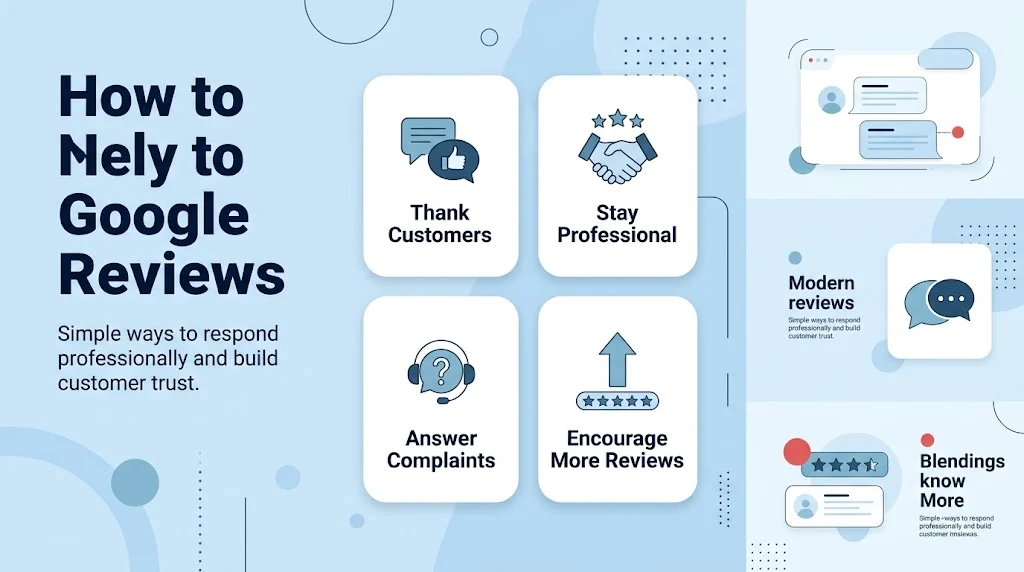
The best way to reply to Google reviews is to stay professional, specific, appreciative, and human. Thank positive reviewers, address negative feedback calmly, and show future customers that you genuinely care about their experience.
Top alternatives: how to respond to Google reviews, Google review response examples, how to answer customer reviews, business review replies, customer feedback responses
A Google review can be a tiny comment with a surprisingly big impact. A five-star review can make your business feel instantly trustworthy, while one unhappy customer can leave a comment that everyone sees. Whether you run a restaurant, salon, hotel, online business, local shop, agency, or service company, knowing what to say matters.
The tricky part is finding the right balance. You want to sound professional without sounding like a corporate robot. You want to defend your business when necessary without starting a public argument. And when someone leaves a glowing review, you do not want to reply with the same boring “Thank you for your feedback” every single time. This guide gives you ready-to-use responses for happy customers, unhappy customers, detailed reviews, short reviews, unfair complaints, loyal customers, and almost every awkward review situation in between.
Friendly Responses to Positive Reviews
- “Thank you so much for your kind words!”
Example: Use this when a customer leaves a short but positive review.
Meaning: You are warmly showing appreciation for their feedback. - “We truly appreciate you taking the time to share this.”
Example: Use this when a customer writes a thoughtful review about their experience.
Meaning: You value both their business and the effort they made to leave feedback. - “We are so glad you enjoyed your experience with us!”
Example: Use this after a customer says they had a great overall experience.
Meaning: You are celebrating their satisfaction. - “It means a lot to hear that you had such a positive experience.”
Example: Use this when responding to a heartfelt review.
Meaning: You want the customer to know their kind words matter. - “Thanks for making our day with this review!”
Example: Use this for a cheerful review from a happy customer.
Meaning: You are adding warmth and personality to your response. - “We are delighted to hear you enjoyed your visit.”
Example: Use this for restaurants, salons, hotels, or other in-person businesses.
Meaning: You are professionally acknowledging their satisfaction. - “Your support means more than you know.”
Example: Use this when a loyal customer leaves an especially positive review.
Meaning: You are expressing genuine appreciation. - “Thank you for choosing us and sharing your experience.”
Example: Use this when you want a polished but friendly response.
Meaning: You appreciate both their purchase and their feedback. - “We are thrilled that everything met your expectations.”
Example: Use this when a reviewer praises your service or product.
Meaning: You are confirming that customer satisfaction is important to you. - “We loved hearing about your experience!”
Example: Use this for a warm response to an enthusiastic review.
Meaning: You are showing genuine interest in the customer’s experience. - “Thanks for the wonderful review and support!”
Example: Use this for a short five-star review.
Meaning: You are keeping your reply concise while showing appreciation. - “It was a pleasure serving you!”
Example: Use this for service-based businesses.
Meaning: You are expressing appreciation for the opportunity to help. - “We are grateful to have you as a customer.”
Example: Use this when replying to a loyal customer.
Meaning: You are emphasizing the value of the relationship. - “We hope to welcome you back again soon!”
Example: Use this after a positive visit to a physical business.
Meaning: You are inviting the customer to return. - “Thanks for spreading the love!”
Example: Use this when a customer enthusiastically recommends your business.
Meaning: You are responding in a casual and upbeat way.
Professional Responses to Positive Reviews
- “Thank you for your thoughtful feedback. We sincerely appreciate it.”
Example: Use this when your business prefers a polished professional voice.
Meaning: You are expressing appreciation in a formal but approachable way. - “We appreciate your positive feedback and continued support.”
Example: Use this for a returning customer who leaves a favorable review.
Meaning: You value their ongoing relationship with the business. - “Thank you for recognizing the effort our team puts into every customer experience.”
Example: Use this when a reviewer compliments your staff.
Meaning: You are acknowledging both the customer and your team. - “We are pleased to know that our service met your expectations.”
Example: Use this for a professional service company.
Meaning: You are confirming that customer satisfaction remains a priority. - “Thank you for taking the time to provide such positive feedback.”
Example: Use this for a detailed professional review.
Meaning: You appreciate the reviewer’s effort. - “Your feedback is greatly appreciated by our entire team.”
Example: Use this when a customer praises multiple members of your staff.
Meaning: You are sharing the appreciation across the organization. - “We are grateful for your recommendation and support.”
Example: Use this when a reviewer tells others to try your business.
Meaning: You value their public endorsement. - “Thank you for trusting us with your business.”
Example: Use this for professional services or high-value purchases.
Meaning: You recognize that customers place confidence in your company. - “We are pleased to hear that you had a positive experience.”
Example: Use this as a safe professional response to a favorable review.
Meaning: You are acknowledging customer satisfaction without overdoing it. - “Your kind feedback reinforces our commitment to excellent service.”
Example: Use this when a customer specifically praises your service quality.
Meaning: You are connecting the review to your service standards. - “Thank you for highlighting our team’s efforts.”
Example: Use this when a reviewer mentions an employee by name.
Meaning: You are recognizing your staff’s contribution. - “We sincerely appreciate your recommendation.”
Example: Use this when a customer recommends your business to others.
Meaning: You are thanking them for helping build your reputation. - “It is wonderful to know that we delivered the experience you expected.”
Example: Use this for a detailed review discussing service quality.
Meaning: You are professionally acknowledging a successful experience. - “Thank you for your confidence in our business.”
Example: Use this when trust is important to your service.
Meaning: You are emphasizing the importance of customer confidence. - “We look forward to serving you again.”
Example: Use this as a polished closing for a positive review.
Meaning: You are encouraging future business.
Short Responses for Five-Star Reviews
- “Thank you for the five stars!”
Example: Use this when the reviewer leaves only a rating.
Meaning: You are acknowledging their positive rating directly. - “Five stars from you means a lot!”
Example: Use this for a casual, friendly brand voice.
Meaning: You are showing enthusiasm about the rating. - “Thank you for your support!”
Example: Use this for a very short review.
Meaning: You appreciate the customer’s positive action. - “We truly appreciate the five-star love!”
Example: Use this for a fun and approachable business personality.
Meaning: You are making the response warmer and more memorable. - “Thanks for rating us!”
Example: Use this when there is no written comment.
Meaning: You are simply acknowledging the rating. - “We appreciate you!”
Example: Use this when you want a warm, ultra-short reply.
Meaning: You are expressing customer appreciation. - “Thanks for choosing us!”
Example: Use this when you want to reinforce customer loyalty.
Meaning: You are grateful they selected your business. - “So glad we earned those five stars!”
Example: Use this for an upbeat response.
Meaning: You are celebrating their satisfaction. - “We are grateful for your support!”
Example: Use this for a simple professional reply.
Meaning: You value their positive feedback. - “Thanks for the great rating!”
Example: Use this when the review contains no written details.
Meaning: You are directly thanking the reviewer. - “Your five stars made our day!”
Example: Use this for a cheerful local business.
Meaning: You are showing genuine excitement. - “We appreciate the love!”
Example: Use this when your brand voice is casual.
Meaning: You are responding with friendly energy. - “Thanks for supporting our business!”
Example: Use this when you want to emphasize the customer’s contribution.
Meaning: You recognize that reviews help your business. - “We are smiling over here!”
Example: Use this for a playful brand response.
Meaning: You are showing that the positive rating genuinely made you happy. - “Come back anytime!”
Example: Use this when a local customer gives a five-star rating.
Meaning: You are warmly inviting them to return.
Inspiring Responses to Detailed Positive Reviews
- “Thank you for sharing such a detailed experience. We are thrilled that you enjoyed every part of your visit.”
Example: Use this when someone explains several things they loved about your business.
Meaning: You are showing that you read and valued their entire review. - “We especially appreciate you mentioning our team. We will be sure to share your kind words with them.”
Example: Use this when a customer praises specific employees.
Meaning: You are showing that their compliment will reach your staff. - “It is wonderful to hear that our service, quality, and attention to detail stood out.”
Example: Use this when a customer praises multiple parts of your business.
Meaning: You are reflecting their specific compliments. - “Thank you for taking the time to explain what made your experience special.”
Example: Use this when a reviewer writes a long personal review.
Meaning: You appreciate the effort behind their feedback. - “Your detailed feedback is incredibly encouraging for our team.”
Example: Use this when the review provides several positive observations.
Meaning: You are emphasizing how meaningful the review is internally. - “We are so happy to know that your expectations were exceeded.”
Example: Use this when a reviewer says the experience was better than expected.
Meaning: You are celebrating an especially successful customer experience. - “Thank you for highlighting the little details that made a difference.”
Example: Use this when someone notices thoughtful touches.
Meaning: You value their attention to your service details. - “Reading reviews like yours reminds us why we love what we do.”
Example: Use this for an emotional and enthusiastic review.
Meaning: You are connecting their feedback with your team’s motivation. - “We are grateful that you took the time to recommend us so thoughtfully.”
Example: Use this when a reviewer gives an extensive recommendation.
Meaning: You deeply appreciate their endorsement. - “It is fantastic to hear that our team made your experience memorable.”
Example: Use this when staff receive strong praise.
Meaning: You are recognizing the role your employees played. - “Thank you for noticing the care we put into our work.”
Example: Use this when a reviewer praises your attention to quality.
Meaning: You are reinforcing your commitment to doing things well. - “We are delighted that you found exactly what you were looking for.”
Example: Use this for retail or service businesses.
Meaning: You are celebrating that the customer found the right solution. - “Your review captures exactly the experience we hope to provide.”
Example: Use this when a customer describes your ideal service experience.
Meaning: You are saying their feedback aligns with your business goals. - “Thank you for sharing your experience so generously.”
Example: Use this when a customer writes a heartfelt review.
Meaning: You appreciate both their words and their time. - “We cannot thank you enough for such thoughtful feedback.”
Example: Use this when a detailed review is especially meaningful.
Meaning: You are expressing strong gratitude.
Responses to Negative Reviews
- “We are sorry to hear that your experience did not meet expectations.”
Example: Use this as a calm opening to a negative review.
Meaning: You acknowledge the customer’s dissatisfaction without becoming defensive. - “Thank you for bringing this to our attention.”
Example: Use this when a reviewer reports a problem.
Meaning: You are showing that you take the complaint seriously. - “We are disappointed to hear that we fell short during your visit.”
Example: Use this when the business accepts responsibility for a poor experience.
Meaning: You acknowledge that the service did not meet your standards. - “We would appreciate the opportunity to understand what happened.”
Example: Use this when the review lacks enough detail.
Meaning: You want more information before addressing the issue. - “This is not the experience we want for our customers.”
Example: Use this when a complaint involves poor service.
Meaning: You are making clear that the experience does not reflect your standards. - “We take your concerns seriously and would like to look into this further.”
Example: Use this when the complaint requires investigation.
Meaning: You are signaling that the matter deserves attention. - “We are sorry that we did not deliver the experience you expected.”
Example: Use this when the customer’s expectations were not met.
Meaning: You are acknowledging disappointment respectfully. - “Your feedback gives us an opportunity to improve.”
Example: Use this when you want to turn criticism into a constructive response.
Meaning: You are showing that feedback can lead to better service. - “We understand your frustration.”
Example: Use this when a customer clearly explains why they were upset.
Meaning: You are acknowledging their emotional reaction. - “We would like to make this right.”
Example: Use this when you want to move toward resolution.
Meaning: You are showing willingness to address the problem. - “We are sorry this experience left you disappointed.”
Example: Use this when a customer expresses strong dissatisfaction.
Meaning: You are responding with empathy rather than defensiveness. - “Thank you for sharing your concerns with us.”
Example: Use this when you want a professional opening.
Meaning: You recognize the customer’s right to provide criticism. - “We take feedback like this seriously.”
Example: Use this when the complaint raises a meaningful service concern.
Meaning: You are communicating that negative feedback matters. - “We would value the chance to discuss this with you directly.”
Example: Use this when the issue should not be handled publicly.
Meaning: You want to move the conversation into a private resolution channel. - “We appreciate you giving us the opportunity to address this.”
Example: Use this when the customer is willing to discuss the issue.
Meaning: You are framing the complaint as an opportunity to improve.
Responses to Unfair Reviews
- “We are sorry you feel this way, and we would appreciate more details about your experience.”
Example: Use this when the review is vague or difficult to verify.
Meaning: You are staying respectful while requesting useful information. - “We take every review seriously and would like to better understand what happened.”
Example: Use this when the complaint contains limited specifics.
Meaning: You want clarification before making assumptions. - “We would be happy to look into this if you can share additional details.”
Example: Use this when the review does not provide enough information.
Meaning: You are inviting the customer to provide context. - “We are unable to identify the experience described, but we would like to investigate.”
Example: Use this when the business cannot match the review to its records.
Meaning: You are politely noting uncertainty without accusing the reviewer. - “We value honest feedback and want to make sure we understand your concerns accurately.”
Example: Use this when you suspect there may be a misunderstanding.
Meaning: You want clarification before responding to the substance. - “We are sorry the experience did not feel positive from your perspective.”
Example: Use this when you disagree with the reviewer’s characterization.
Meaning: You acknowledge their feelings without agreeing with every claim. - “We would prefer to understand the full situation before drawing conclusions.”
Example: Use this when a review appears incomplete.
Meaning: You want facts before making judgments. - “Please reach out directly so we can review the details with you.”
Example: Use this when public discussion could create confusion.
Meaning: You are offering a private path toward clarification. - “We appreciate your feedback, even when the experience did not go as hoped.”
Example: Use this when responding to criticism without admitting fault.
Meaning: You are keeping the tone professional and constructive. - “We want every concern to be reviewed fairly.”
Example: Use this when the complaint appears disputed.
Meaning: You are emphasizing a balanced approach. - “We would be grateful for the opportunity to hear more about what occurred.”
Example: Use this when the review is unclear.
Meaning: You are politely asking for more information. - “We take concerns seriously while also recognizing that experiences can differ.”
Example: Use this when you disagree with the reviewer’s interpretation.
Meaning: You acknowledge subjective experiences without accepting every allegation. - “We are happy to investigate this further.”
Example: Use this when you need more information before responding.
Meaning: You are demonstrating willingness to examine the complaint. - “We would like to resolve any misunderstanding respectfully.”
Example: Use this when you believe communication may have broken down.
Meaning: You are aiming for resolution instead of confrontation. - “Thank you for raising the issue. We will review the circumstances carefully.”
Example: Use this when a complaint requires internal investigation.
Meaning: You are taking the concern seriously without arguing publicly.
Calm Responses to Angry Customers
- “We understand why this situation was frustrating.”
Example: Use this when a review contains strong emotional language.
Meaning: You are acknowledging the customer’s frustration. - “We are sorry that your experience caused this level of disappointment.”
Example: Use this when the reviewer is especially upset.
Meaning: You are responding empathetically without escalating the situation. - “We would like to help resolve this rather than continue the frustration.”
Example: Use this when a customer is clearly angry.
Meaning: You want to move the discussion toward a solution. - “We hear your concerns, and we are taking them seriously.”
Example: Use this when a review raises several complaints.
Meaning: You are reassuring the customer that they have been heard. - “We are sorry this became a frustrating experience.”
Example: Use this when service problems created tension.
Meaning: You recognize the emotional impact of the experience. - “We would appreciate the opportunity to address this directly.”
Example: Use this when a public argument would not be productive.
Meaning: You want to discuss the issue privately. - “We understand that your time and expectations matter.”
Example: Use this when the complaint involves delays or service failures.
Meaning: You are acknowledging what the customer values. - “Thank you for explaining your frustration.”
Example: Use this when the customer gives detailed criticism.
Meaning: You appreciate their explanation even though it is negative. - “We are committed to handling your concern respectfully.”
Example: Use this when the review becomes confrontational.
Meaning: You are setting a calm and professional tone. - “We would rather work toward a solution than debate the experience.”
Example: Use this when a conversation is becoming argumentative.
Meaning: You are prioritizing resolution over winning an argument. - “We are sorry we left you feeling this way.”
Example: Use this when a customer’s emotional reaction is clear.
Meaning: You are showing empathy without making unnecessary claims. - “Let us see how we can make this better.”
Example: Use this when you want a warm, solution-focused response.
Meaning: You are inviting the customer toward resolution. - “Your concerns deserve a proper response.”
Example: Use this when the complaint is detailed and serious.
Meaning: You are showing that you do not intend to dismiss it. - “We appreciate the chance to learn from this experience.”
Example: Use this when criticism reveals a service problem.
Meaning: You are turning an unpleasant situation into an improvement opportunity. - “We hope we can earn back your confidence.”
Example: Use this when a disappointed customer may consider returning.
Meaning: You want to rebuild trust.
Funny and Casual Responses
- “Well, this review definitely woke us up!”
Example: Use this only when the complaint is mild and your brand voice is playful.
Meaning: You are acknowledging the feedback with light humor. - “Okay, we hear you!”
Example: Use this for casual businesses responding to minor criticism.
Meaning: You are showing that the feedback has been noticed. - “We appreciate the honesty, even when it stings a little.”
Example: Use this when a customer gives blunt but constructive criticism.
Meaning: You are showing humility and openness. - “Not our finest five minutes, and we own that.”
Example: Use this when the business clearly made a mistake.
Meaning: You are admitting the error in a conversational way. - “Fair call. We can do better.”
Example: Use this for a straightforward response to valid criticism.
Meaning: You accept the customer’s point and commit to improvement. - “Message received loud and clear.”
Example: Use this when a customer makes a strong but useful complaint.
Meaning: You are showing that their feedback has been understood. - “We definitely do not want that to become your lasting memory of us.”
Example: Use this after a disappointing customer experience.
Meaning: You want to repair the customer’s impression. - “Looks like we missed the mark this time.”
Example: Use this when a service failure is clear.
Meaning: You are acknowledging that expectations were not met. - “That one is on us.”
Example: Use this when the business made an obvious mistake.
Meaning: You are taking responsibility directly. - “We promise we can do better than that.”
Example: Use this when the complaint points to an unusual service failure.
Meaning: You are reassuring the customer about future experiences. - “Consider this our official nudge to do better.”
Example: Use this when criticism is constructive.
Meaning: You are turning feedback into motivation. - “Not the five-star moment we were hoping for.”
Example: Use this when responding to a mild negative review with gentle humor.
Meaning: You acknowledge that the experience fell short. - “We appreciate the reality check.”
Example: Use this when feedback reveals something the business needs to improve.
Meaning: You value honest criticism. - “We hear you, and yes, we can do better.”
Example: Use this when a customer has a legitimate complaint.
Meaning: You combine a casual tone with accountability. - “Thanks for keeping us honest.”
Example: Use this when a review points out a genuine weakness.
Meaning: You appreciate candid customer feedback.
Responses for Loyal Customers
- “Thank you for always supporting us!”
Example: Use this when a regular customer leaves another positive review.
Meaning: You are recognizing their continued loyalty. - “We are lucky to have customers like you.”
Example: Use this when a long-time customer recommends your business.
Meaning: You are expressing sincere appreciation for loyalty. - “Your continued support means everything to our team.”
Example: Use this when a loyal customer writes a heartfelt review.
Meaning: You value their long-term relationship with the business. - “It is always wonderful to hear from you.”
Example: Use this when a repeat customer leaves feedback.
Meaning: You are making the response feel personal and welcoming. - “Thank you for coming back and sharing your experience again.”
Example: Use this when a repeat visitor leaves another review.
Meaning: You appreciate both their loyalty and feedback. - “Customers like you make what we do worthwhile.”
Example: Use this when someone consistently supports your business.
Meaning: You are emphasizing the emotional value of loyal customers. - “We are so grateful for your continued trust.”
Example: Use this for professional services or repeat purchases.
Meaning: You recognize the importance of ongoing customer confidence. - “Thanks for being part of our journey.”
Example: Use this for a small business with a community-focused personality.
Meaning: You see loyal customers as part of the business story. - “Your support never goes unnoticed.”
Example: Use this when a customer frequently recommends your business.
Meaning: You want them to know their loyalty matters. - “We always appreciate seeing your name pop up!”
Example: Use this for a friendly, informal business voice.
Meaning: You are making the response feel personal. - “Thank you for trusting us time and time again.”
Example: Use this for a repeat customer.
Meaning: You are recognizing their consistent confidence in your business. - “We are thrilled to keep giving you reasons to come back.”
Example: Use this when a repeat customer leaves a positive review.
Meaning: You are reinforcing the goal of long-term satisfaction. - “Your loyalty is one of the best compliments we can receive.”
Example: Use this when a customer repeatedly chooses your business.
Meaning: You consider repeat business a strong sign of trust. - “We cannot thank you enough for sticking with us.”
Example: Use this when a long-time customer has supported your business through changes.
Meaning: You are expressing deep gratitude. - “Here is to many more great experiences together!”
Example: Use this as a cheerful closing for a loyal customer.
Meaning: You are looking forward to continuing the relationship.
Responses to Specific Compliments
- “Thank you for noticing our attention to detail!”
Example: Use this when a customer praises small details in your service.
Meaning: You appreciate that they recognized your effort. - “We will absolutely share your kind words with the team.”
Example: Use this when someone praises an employee.
Meaning: You are promising to recognize your staff internally. - “We are so glad our service stood out.”
Example: Use this when a customer specifically praises service quality.
Meaning: You are reinforcing your commitment to excellent service. - “Thank you for highlighting our team’s friendliness.”
Example: Use this when staff receive compliments for being welcoming.
Meaning: You are recognizing the quality of your customer service. - “It means a lot to hear that you appreciated the quality.”
Example: Use this when a customer praises a product or service.
Meaning: You value their recognition of your standards. - “We are thrilled you loved the atmosphere.”
Example: Use this for restaurants, hotels, salons, or similar businesses.
Meaning: You are acknowledging a specific part of the experience. - “Thank you for noticing the care behind the work.”
Example: Use this when someone praises craftsmanship or effort.
Meaning: You are grateful they recognized the work involved. - “We are so happy the experience felt welcoming.”
Example: Use this when a customer praises the environment.
Meaning: You value creating a comfortable experience. - “Your kind words about our staff mean so much.”
Example: Use this when employees are praised.
Meaning: You are showing that staff recognition matters. - “We love hearing that our service made a difference.”
Example: Use this when the customer says your help solved a problem.
Meaning: You are emphasizing the positive impact of your service. - “Thank you for recognizing the quality we work hard to maintain.”
Example: Use this when a customer praises product quality.
Meaning: You are connecting their compliment with your standards. - “We are delighted that you enjoyed the experience from start to finish.”
Example: Use this when a review praises the entire customer journey.
Meaning: You are celebrating comprehensive satisfaction. - “That compliment made its way straight to our team.”
Example: Use this when responding to a particularly kind staff compliment.
Meaning: You are showing that the team will appreciate hearing it. - “We are grateful you took the time to recognize our effort.”
Example: Use this when a reviewer specifically notices hard work.
Meaning: You appreciate their thoughtful recognition. - “Thank you for seeing what we put into every experience.”
Example: Use this when a customer praises your care and dedication.
Meaning: You value customers who notice the effort behind your service.
Creative Brand Responses
- “Five stars officially added to today’s happiness report!”
Example: Use this for a playful brand with a cheerful personality.
Meaning: You are making a positive review feel memorable. - “This review just gave our team a serious boost.”
Example: Use this after an especially enthusiastic review.
Meaning: You are showing that customer feedback motivates your staff. - “Our team is smiling from screen to screen.”
Example: Use this when a customer leaves a heartwarming review.
Meaning: You are expressing genuine excitement. - “We are filing this one under ‘made our day.’”
Example: Use this for a fun response to a glowing review.
Meaning: You are playfully showing how much the feedback meant. - “Your review just became our favorite notification.”
Example: Use this when responding to an enthusiastic customer.
Meaning: You are making the response feel personal and warm. - “Adding this review to the team motivation folder.”
Example: Use this when a customer gives encouraging feedback.
Meaning: You are saying their words can motivate your team. - “This is the kind of feedback we screenshot for the team.”
Example: Use this when a review is especially meaningful.
Meaning: You are emphasizing how much the review matters internally. - “You just made our customer-service hearts very happy.”
Example: Use this for a playful service brand.
Meaning: You are expressing warm appreciation. - “Review received. Smiles activated.”
Example: Use this for a short, quirky response.
Meaning: You are playfully celebrating positive feedback. - “We are officially having a good day because of you.”
Example: Use this when a customer leaves a very positive review.
Meaning: You are showing genuine gratitude in a casual way. - “This review deserves a little happy dance.”
Example: Use this for a fun social-media-friendly brand voice.
Meaning: You are humorously showing excitement. - “You brought the five-star energy!”
Example: Use this when a customer leaves a glowing rating.
Meaning: You are matching their enthusiasm. - “We are sending a giant thank-you right back.”
Example: Use this for a warm and creative reply.
Meaning: You are responding to praise with enthusiastic appreciation. - “Your kind words just upgraded everyone’s mood.”
Example: Use this after an emotional or detailed review.
Meaning: You are showing how much their feedback affected your team. - “We will be smiling about this one for a while.”
Example: Use this when a review is particularly thoughtful.
Meaning: You want the customer to know their words made a lasting impression.
FAQS
How should I respond to a Google review?
Keep your response short, genuine, specific, and professional. Thank positive reviewers and address negative feedback calmly without becoming defensive.
Should I reply to every review?
Ideally, yes. Consistent responses show customers that your business notices and values feedback.
What should I say to a positive review?
Thank the customer, mention something specific from their review when possible, and invite them to return.
How do I respond to a negative review professionally?
Acknowledge the customer’s concern, apologize when appropriate, avoid arguing, and offer a way to continue the conversation privately.
Should I apologize even when the customer is wrong?
You can acknowledge their frustration without admitting fault. Phrases such as “We are sorry the experience was disappointing” can show empathy without accepting an inaccurate claim.
Conclusion
A good review response is more than a quick thank-you. It is a public opportunity to show potential customers how your business communicates, handles praise, and responds when something goes wrong. Keep positive replies warm and specific, keep negative replies calm and solution-focused, and let your brand personality come through naturally.
The goal is not to win every review conversation. It is to build trust, demonstrate professionalism, and remind future customers that real people are behind the business. Try different responses from this list, personalize them to fit your brand, and keep your replies fresh instead of copying the same sentence every time. Save this guide, share it with your team, and turn your next review into a relationship-building moment.
Discover More Related Articles:

Jennifer Wilson is an experienced writer and content creator with over 20 years of expertise in digital publishing, lifestyle, and informative content. Holding a degree in English Literature, she contributes to Responary.Com, where she shares engaging, well-researched articles that help readers stay informed and inspired.