Quick Answer
The best way to respond to condolences is to thank the person for their kindness, acknowledge their support, or simply express appreciation if you are not ready to say much. You can keep your reply short, heartfelt, formal, or personal depending on the situation.
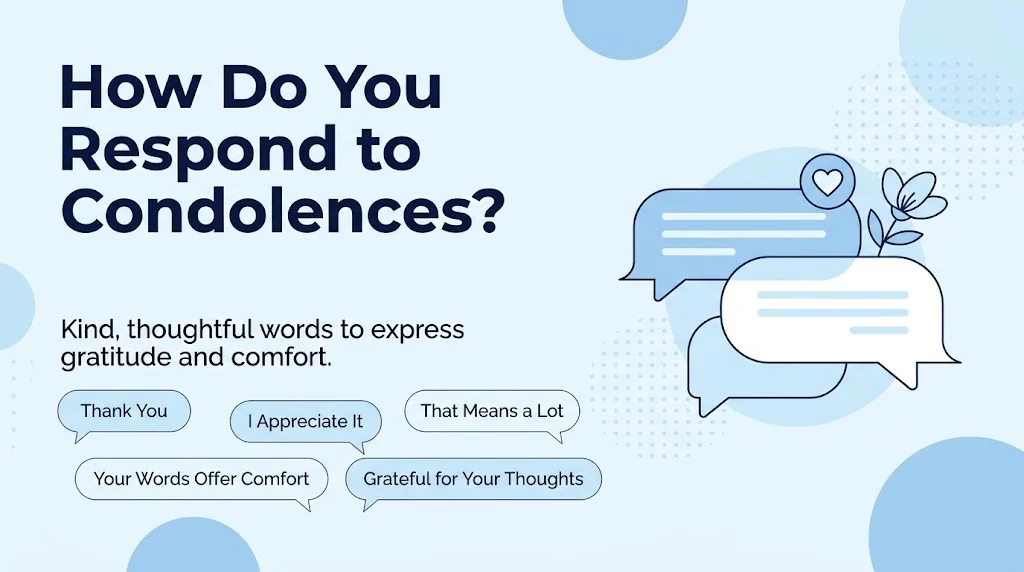
Here are five simple replies you can use: Thank you for your kind words, I really appreciate your support, Thank you for keeping us in your thoughts, Your kindness means a lot, I appreciate your heartfelt condolences.
Losing someone you love is never easy, and finding the right words during grief can feel almost impossible. When friends, family members, coworkers, or even acquaintances offer their condolences, you might want to respond kindly but struggle to know what to say. Sometimes, a simple thank-you feels enough. Other times, you want to express how much their support means without getting overwhelmed emotionally.
Knowing how to respond to condolences can make these difficult conversations a little easier. The good news is that you do not need a perfect speech or a long message. A few sincere words can show appreciation for someone’s kindness, prayers, or comforting presence.
Short and Simple Responses to Condolences
– Thank you for your kind words. Use this when someone sends a brief sympathy message. Meaning: You appreciate their kindness and acknowledgment of your loss.
– Thank you so much. Use this when you cannot manage a longer response. Meaning: You are expressing gratitude without needing to explain your feelings.
– I really appreciate it. Use this when someone offers comfort in person or by text. Meaning: You value their thoughtful gesture.
– Thank you for thinking of me. Use this when someone reaches out during a difficult time. Meaning: You appreciate that they remembered you and offered support.
– Your kindness means a lot. Use this when someone’s message genuinely comforts you. Meaning: Their compassion has made a positive difference.
– Thank you for your support. Use this when friends or relatives stand by you. Meaning: You recognize and appreciate their care.
– I appreciate your sympathy. Use this in a text or face-to-face conversation. Meaning: You are acknowledging their compassionate response to your loss.
– Thanks for reaching out. Use this when someone contacts you after hearing the news. Meaning: You appreciate their effort to check on you.
– Thank you for being so thoughtful. Use this when someone sends a considerate message. Meaning: You are grateful for the care behind their words.
– I appreciate your kind thoughts. Use this when someone offers general words of comfort. Meaning: You value their concern and compassion.
– Thank you for your message. Use this when you want a neutral, easy reply. Meaning: You acknowledge their message without sharing more than you wish.
– That means a lot to me. Use this when you feel touched by someone’s sympathy. Meaning: Their words have emotional significance for you.
– Thank you for your understanding. Use this when someone gives you space to grieve. Meaning: You appreciate their patience and consideration.
– I am grateful for your kindness. Use this when someone offers genuine comfort. Meaning: You are expressing sincere appreciation for their compassion.
– Thank you for remembering us. Use this when someone offers condolences to your family. Meaning: You appreciate their support for everyone affected by the loss.
Heartfelt Responses to Condolences
– Thank you for your beautiful words during this difficult time. Use this when a message brings you comfort. Meaning: You appreciate the emotional care behind their words.
– Your support has meant more than you know. Use this for someone who has been there for you. Meaning: Their presence has helped you through a painful experience.
– I am truly grateful for your kindness and compassion. Use this when someone offers sincere sympathy. Meaning: You deeply appreciate their thoughtful support.
– Thank you for keeping me in your thoughts. Use this when someone sends a comforting message. Meaning: You value their concern during your grief.
– Your words brought me comfort when I needed it most. Use this when someone’s message genuinely helps. Meaning: Their kindness has offered emotional reassurance.
– I cannot express how much your support means to me. Use this when someone has helped you through a difficult period. Meaning: You feel deeply grateful for their care.
– Thank you for standing beside me during this heartbreaking time. Use this for a close friend or family member. Meaning: You appreciate their loyalty and presence during your loss.
– Your compassion has made these difficult days a little easier. Use this when someone’s support has been comforting. Meaning: Their kindness has helped you cope with grief.
– I am touched by your thoughtful message. Use this when someone writes something especially meaningful. Meaning: Their words have genuinely moved you.
– Thank you for surrounding us with so much love. Use this when several people have offered support. Meaning: You appreciate the collective care shown to your family.
– Your kindness will stay with me for a long time. Use this when someone’s gesture has left a lasting impression. Meaning: You will remember their compassion beyond this difficult moment.
– Thank you for helping me feel less alone. Use this for someone who has checked in consistently. Meaning: Their support has helped ease your sense of isolation.
– I am grateful to have your support during this painful chapter. Use this for someone close to you. Meaning: You value their presence as you navigate grief.
– Your heartfelt condolences mean so much to our family. Use this when replying on behalf of loved ones. Meaning: Your family appreciates their sympathy and care.
– Thank you for offering comfort when words are difficult to find. Use this when you are struggling to express your feelings. Meaning: You appreciate their compassion without needing to explain your grief.
Polite Responses to Condolences
– Thank you for your sincere condolences. Use this when responding to an acquaintance. Meaning: You respectfully acknowledge their sympathy.
– I appreciate your thoughtful expression of sympathy. Use this in a formal message or written reply. Meaning: You are responding with courtesy and gratitude.
– Thank you for your kindness during this difficult period. Use this for neighbors, acquaintances, or community members. Meaning: You recognize their considerate gesture.
– Your condolences are sincerely appreciated. Use this when you prefer a formal tone. Meaning: You are expressing respectful gratitude.
– Thank you for taking the time to reach out. Use this when someone sends a thoughtful note. Meaning: You appreciate the effort they made to contact you.
– I am grateful for your kind thoughts and support. Use this when someone offers sympathy and assistance. Meaning: You value their compassion and concern.
– Thank you for your consideration and understanding. Use this when someone respects your need for space. Meaning: You appreciate their sensitivity toward your situation.
– Please accept my sincere thanks for your kind message. Use this in a written response to a sympathy card. Meaning: You are formally acknowledging their thoughtfulness.
– Thank you for your compassion and support. Use this for a respectful but warm reply. Meaning: You appreciate their concern during your loss.
– I appreciate your thoughtful words of comfort. Use this when responding to someone you do not know very well. Meaning: You acknowledge their sympathy graciously.
– Thank you for remembering our family at this time. Use this for community members or extended relatives. Meaning: You appreciate their consideration of your family.
– Your message is greatly appreciated. Use this when you need a concise formal reply. Meaning: You acknowledge their message respectfully.
– Thank you for your generosity of spirit. Use this when someone offers unusual kindness. Meaning: You appreciate their compassionate nature.
– I am thankful for your thoughtful condolences. Use this in a card, email, or written note. Meaning: You express sincere appreciation in a polished way.
– Thank you for your support and consideration. Use this in formal or semi-formal conversations. Meaning: You acknowledge their kindness while maintaining a respectful tone.
Responses to Condolences From Friends
– Thank you for being there for me. Use this when a close friend checks on you. Meaning: You value their friendship and support.
– I am lucky to have a friend like you. Use this when your friend makes an effort to comfort you. Meaning: You are expressing gratitude for a meaningful friendship.
– Thanks for checking in on me. It means a lot. Use this when a friend follows up after the initial news. Meaning: You appreciate their continued care.
– I really needed to hear that. Thank you. Use this when their words arrive at a difficult moment. Meaning: Their message has provided emotional comfort.
– Thank you for letting me lean on you. Use this when your friend offers a listening ear. Meaning: You appreciate being able to rely on them.
– Your friendship means everything right now. Use this for your closest friends. Meaning: Their presence is especially valuable during your grief.
– Thanks for giving me space while still being there. Use this when a friend supports you without pressuring you. Meaning: You appreciate their understanding of your needs.
– I do not have many words right now, but thank you. Use this when emotions make it difficult to respond. Meaning: You are grateful even though expressing yourself is hard.
– Thank you for remembering me during all of this. Use this when a friend reaches out unexpectedly. Meaning: You value their thoughtfulness.
– You have no idea how much your support helps. Use this when a friend has been especially supportive. Meaning: Their care is making a meaningful difference.
– Thanks for listening without trying to fix everything. Use this when a friend allows you to talk freely. Meaning: You appreciate their patience and emotional understanding.
– I appreciate you more than ever right now. Use this for a friend who has stayed close. Meaning: Your difficult experience has made their friendship feel especially important.
– Thank you for sending so much love my way. Use this when a friend sends a caring message. Meaning: You appreciate their affection and encouragement.
– It helps knowing I have you in my corner. Use this when you need reassurance from a close friend. Meaning: You feel supported by their loyalty.
– Thank you for being a safe place for me. Use this for a trusted friend who understands your emotions. Meaning: You feel comfortable sharing your grief with them.
Responses to Condolences From Family
– Thank you for keeping our family in your thoughts. Use this when relatives offer condolences. Meaning: You appreciate their care for the entire family.
– We are grateful for all the love and support. Use this when responding on behalf of your household. Meaning: Your family appreciates the kindness it has received.
– Thank you for being with us during this difficult time. Use this for relatives who have offered practical or emotional help. Meaning: You value their presence and support.
– Your support has brought our family comfort. Use this when a relative has helped everyone cope. Meaning: Their kindness has helped ease the family’s grief.
– Thank you for remembering our loved one with us. Use this when relatives share memories of the person who died. Meaning: You appreciate their willingness to honor that person’s memory.
– We truly appreciate your prayers and kind words. Use this when relatives offer spiritual support. Meaning: You are grateful for their prayers and sympathy.
– It means so much to know we are not alone. Use this when family members rally around you. Meaning: Their support provides comfort and connection.
– Thank you for helping us through these days. Use this when relatives assist with arrangements or daily needs. Meaning: You appreciate their practical and emotional help.
– Our family is thankful for your compassion. Use this when sending a shared response to relatives. Meaning: You are acknowledging their collective kindness.
– Thank you for keeping our loved one’s memory alive. Use this when relatives share meaningful stories. Meaning: You value their efforts to honor the person who died.
– We appreciate every message and gesture of support. Use this for a family-wide thank-you. Meaning: You recognize all the ways people have shown care.
– Your presence has meant so much to us. Use this for relatives who attended a gathering or memorial. Meaning: Their willingness to be there has comforted your family.
– Thank you for standing together with us. Use this when family members support one another. Meaning: You value their solidarity during grief.
– We are deeply grateful for your kindness. Use this when your family receives heartfelt condolences. Meaning: You are expressing sincere appreciation on behalf of everyone.
– Thank you for helping us honor someone so special. Use this when relatives participate in remembering a loved one. Meaning: You appreciate their role in celebrating that person’s life.
Responses to Condolences at Work
– Thank you for your kind words and understanding. Use this when a coworker expresses sympathy. Meaning: You appreciate their support and consideration.
– I appreciate your thoughtful message. Use this in a workplace chat or email. Meaning: You acknowledge their condolences professionally.
– Thank you for your support during this difficult time. Use this when your manager or colleague checks in. Meaning: You value their compassion while navigating your loss.
– Thank you for giving me the time and space I need. Use this when your workplace accommodates your circumstances. Meaning: You appreciate their respect for your grieving process.
– I am grateful for your understanding and patience. Use this when colleagues adjust work expectations. Meaning: You recognize their flexibility and consideration.
– Thank you for reaching out. I truly appreciate it. Use this for a professional contact who sends condolences. Meaning: You respond warmly without becoming overly personal.
– Your kind message is greatly appreciated. Use this in a brief professional email. Meaning: You acknowledge their sympathy respectfully.
– Thank you for your thoughtfulness and support. Use this when your manager or teammate offers help. Meaning: You appreciate their considerate response.
– I appreciate the kindness shown by the team. Use this when several coworkers offer condolences. Meaning: You are thanking the group for its collective support.
– Thank you for your patience as I navigate this loss. Use this when work responsibilities have been affected. Meaning: You appreciate their understanding during a difficult period.
– I am grateful for the team’s compassion. Use this in a group email or workplace message. Meaning: You recognize the team’s care and consideration.
– Thank you for keeping me in your thoughts. Use this when a colleague offers a brief message. Meaning: You appreciate their concern.
– Your understanding has made a difficult situation easier. Use this when your workplace has been supportive. Meaning: Their consideration has reduced some of your stress.
– Thank you for the thoughtful note and kind wishes. Use this when responding to a written condolence. Meaning: You appreciate the effort behind their message.
– I sincerely appreciate your condolences and support. Use this when responding to a manager or senior colleague. Meaning: You are expressing professional and heartfelt gratitude.
Responses to Condolences on Social Media
– Thank you all for your kind words and support. Use this under a post announcing your loss. Meaning: You are thanking everyone who has reached out.
– I appreciate every message and prayer. Use this when many people comment on your post. Meaning: You acknowledge the collective support you have received.
– Thank you for keeping our family in your thoughts. Use this when responding to a public announcement. Meaning: You appreciate the concern shown toward your family.
– Your kindness means more than words can express. Use this when the comments are especially touching. Meaning: You are expressing deep gratitude for the support.
– Thank you to everyone who has reached out during this difficult time. Use this as a general social media acknowledgment. Meaning: You recognize all the people who have offered condolences.
– I am grateful for the love shown to our family. Use this after receiving many messages. Meaning: You appreciate the affection and support your family has received.
– Thank you for remembering our loved one so kindly. Use this when people share memories or tributes. Meaning: You value their efforts to honor the person who died.
– Your messages have brought us comfort. Thank you. Use this when online support helps you feel less alone. Meaning: You acknowledge that their words have been comforting.
– Thank you for your heartfelt condolences. Use this as a simple public reply. Meaning: You respectfully appreciate the sympathy expressed.
– We appreciate all the love and support during this time. Use this when posting on behalf of your family. Meaning: You are thanking your wider community.
– Thank you for every kind thought and prayer. Use this when friends and relatives share religious messages. Meaning: You appreciate their spiritual and emotional support.
– I may not be able to reply to everyone, but I am truly grateful. Use this when you receive more messages than you can answer individually. Meaning: You are acknowledging everyone’s kindness without creating pressure to respond to each person.
– Thank you for being so thoughtful and compassionate. Use this under a particularly caring comment. Meaning: You recognize the kindness behind the message.
– Our family feels blessed by your support. Use this when you want to thank your online community. Meaning: You are expressing gratitude for the care shown to your family.
– Thank you all for helping us feel surrounded by love. Use this when many people offer comfort. Meaning: You appreciate the sense of connection their messages provide.
Responses to Condolences With Religious Meaning
– Thank you for your prayers and kind words. Use this when someone offers religious comfort. Meaning: You appreciate their prayers and compassionate wishes.
– May God bless you for your kindness. Use this when you want to respond with a blessing. Meaning: You are expressing gratitude through a religious sentiment.
– Thank you. Your prayers mean a great deal to me. Use this when someone offers to pray for you. Meaning: You value their spiritual support.
– May God grant our family strength and patience. Thank you for your support. Use this when faith is an important source of comfort. Meaning: You are asking for strength while acknowledging their kindness.
– Thank you for remembering us in your prayers. Use this when someone sends a religious condolence. Meaning: You appreciate being included in their prayers.
– May God reward you for your compassion. Use this when someone has been especially thoughtful. Meaning: You are offering a faith-centered expression of gratitude.
– Thank you for your prayers during this painful time. Use this when you are coping with a recent loss. Meaning: You value their spiritual care and support.
– May God bring peace to every grieving heart. Use this when replying to a group offering religious sympathy. Meaning: You are extending a prayer for comfort to everyone affected.
– Thank you for your faith-filled words of comfort. Use this when someone shares a religious message. Meaning: You appreciate the spiritual encouragement they offered.
– May God bless you and your family for thinking of us. Use this when replying to a family friend. Meaning: You are returning their kindness with a blessing.
– Thank you for your prayers and continued support. Use this when someone has supported you over several days. Meaning: You acknowledge both their spiritual care and practical kindness.
– May God grant us patience and guide us through this loss. Use this when you want to express faith during grief. Meaning: You are seeking spiritual strength during a painful experience.
– Your prayers have been a source of comfort. Thank you. Use this when spiritual support genuinely helps you. Meaning: You are explaining how their prayers have comforted you.
– Thank you for sharing words of faith and hope. Use this when someone sends a religious passage or blessing. Meaning: You appreciate the encouragement they have provided.
– May God reward your kindness and keep you in His care. Use this when you want a warm religious response. Meaning: You are expressing gratitude and wishing them divine protection.
Responses When You Feel Too Emotional to Reply
– Thank you. I am finding it difficult to put my feelings into words. Use this when grief makes conversation difficult. Meaning: You appreciate their kindness while acknowledging your emotions.
– I really appreciate your message, even if I cannot say much right now. Use this when you need a short and honest response. Meaning: You are expressing gratitude without forcing yourself to elaborate.
– Thank you for understanding that I need some time. Use this when you are not ready to talk. Meaning: You appreciate their patience with your grieving process.
– Your kindness means a lot, especially right now. Use this when someone reaches out at a difficult moment. Meaning: You recognize their support even when you feel overwhelmed.
– I do not know what to say, but thank you for being here. Use this when you feel emotionally exhausted. Meaning: You are expressing appreciation despite struggling to find words.
– Thank you for your patience with me. Use this when you need extra time to respond. Meaning: You appreciate their willingness to give you space.
– I am taking things one day at a time. Thank you for checking in. Use this when someone asks how you are coping. Meaning: You are being honest without sharing more than you feel ready to discuss.
– Thank you. Today has been difficult, and your message helps. Use this when their words bring you some comfort. Meaning: You acknowledge your pain and appreciate their support.
– I appreciate you thinking of me, even when I cannot respond properly. Use this when grief affects your ability to communicate. Meaning: You value their care without expecting yourself to find perfect words.
– Thank you for giving me room to grieve in my own way. Use this when someone respects your boundaries. Meaning: You appreciate being allowed to process your feelings at your own pace.
– I am grateful for your support, even if I am quiet right now. Use this when you are withdrawing from conversations. Meaning: You reassure them that your silence does not mean you do not care.
– Your message touched me. I just need a little time. Use this when a message is meaningful but emotionally overwhelming. Meaning: You appreciate their kindness while asking for space.
– Thank you for not expecting me to have the right words. Use this for someone who understands grief. Meaning: You value their acceptance and patience.
– I may be quiet for a while, but I appreciate you. Use this when you need to step back from communication. Meaning: You are setting a gentle boundary without dismissing their support.
– Thank you for being gentle with me during this time. Use this when someone approaches your grief with care. Meaning: You appreciate their sensitivity toward your emotions.
Responses to Condolences From Someone Who Knew the Person Who Died
– Thank you for remembering them so fondly. Use this when someone shares a positive memory. Meaning: You appreciate their effort to honor your loved one.
– It means a lot to know they touched your life too. Use this when someone describes how the person affected them. Meaning: You feel comforted knowing your loved one mattered to others.
– Thank you for sharing that beautiful memory. Use this when someone tells you a story about the person who died. Meaning: You value the memory and the connection it preserves.
– I am grateful you got to know them. Use this when someone speaks warmly about your loved one. Meaning: You appreciate the relationship they shared.
– They meant so much to us, and your words remind me of that love. Use this when a message brings up meaningful memories. Meaning: You are recognizing the lasting impact of your loved one.
– Thank you for keeping their memory alive. Use this when someone shares a tribute or story. Meaning: You appreciate their continued remembrance.
– It is comforting to hear how much they meant to others. Use this when friends or former colleagues share memories. Meaning: You find comfort in knowing their life made a difference.
– Thank you for celebrating the person they were. Use this when someone focuses on their life and qualities. Meaning: You appreciate their effort to remember your loved one positively.
– I will always treasure memories like these. Use this when someone shares a special story. Meaning: You value the memories that help preserve their legacy.
– Thank you for sharing in our love for them. Use this when someone expresses genuine affection for the person who died. Meaning: You appreciate the shared connection and grief.
– Your story brought back some beautiful memories. Use this when someone’s recollection makes you remember happier times. Meaning: You appreciate the opportunity to reconnect with those memories.
– They would have loved hearing your kind words. Use this when someone pays a meaningful tribute. Meaning: You believe your loved one would have appreciated the sentiment.
– Thank you for reminding us of the joy they brought into the world. Use this when someone talks about their positive influence. Meaning: You appreciate their focus on your loved one’s life and legacy.
– It means so much that you remember them with such warmth. Use this when a friend or former coworker sends condolences. Meaning: You are touched by the affection they continue to show.
– Thank you for being part of their story. Use this when someone had a meaningful relationship with your loved one. Meaning: You value the role they played in that person’s life.
FAQs
What is the best way to respond to condolences?
A simple, sincere thank-you is usually enough. You can say, Thank you for your kind words or I really appreciate your support.
How do you respond to condolences over text?
Keep it brief and genuine. Try Thank you for reaching out, your message means a lot or I appreciate you keeping me in your thoughts.
How do you respond to condolences professionally?
Use respectful wording, such as Thank you for your thoughtful message and support during this difficult time.
How do you respond when someone says they are sorry for your loss?
You can say Thank you, I appreciate that or Thank you for your kindness. If you feel comfortable, you can also share a memory or express how their support helps.
Do you have to reply to every condolence message?
No. Grief can be exhausting, and you are not obligated to answer everyone immediately. A general thank-you message can acknowledge several people at once.
Conclusion
Finding the right words after a loss can be difficult, but your response does not need to be perfect. A simple thank-you, a heartfelt message, or even a few honest words can communicate your appreciation. Choose a reply that matches your relationship with the person and how you feel in that moment.
If you are not ready to talk, it is completely okay to keep things brief or respond later. The people who genuinely care about you will understand that grief takes time. Save these responses for when you need them, and remember that you deserve patience and kindness as you navigate this difficult chapter.
Discover More Related Articles:
- How to Respond to a Cancellation Email | Professionally & Politely In 2026
- Response to Love Center | For Every Mood and Situation In 2026

Jennifer Wilson is an experienced writer and content creator with over 20 years of expertise in digital publishing, lifestyle, and informative content. Holding a degree in English Literature, she contributes to Responary.Com, where she shares engaging, well-researched articles that help readers stay informed and inspired.