Quick Answer
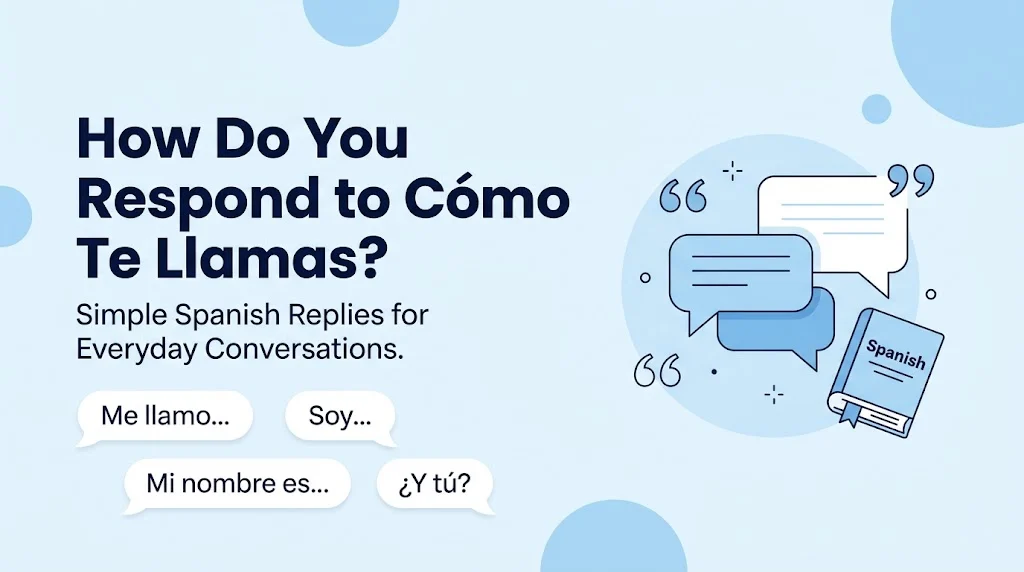
The best way to respond to Cómo te llamas is to say Me llamo [your name], which means My name is [your name]. You can also keep it casual, funny, friendly, or flirty depending on who is asking.
Here are five easy replies: Me llamo [your name], Soy [your name], Mi nombre es [your name], ¿Y tú cómo te llamas?, Mucho gusto, soy [your name].
Someone asks you a question in Spanish, and suddenly your brain forgets every Spanish word you have ever learned. Sound familiar? Whether you are chatting with a new friend, messaging someone on Instagram, meeting a coworker, or talking to your crush, knowing how to answer naturally can make the conversation much easier.
The phrase Cómo te llamas means What is your name? in English. The simplest answer is Me llamo followed by your name, but that is not your only option. You can sound polite, funny, confident, sweet, or even a little flirty, depending on the situation.
Simple and Common Responses
– Me llamo [your name]. Use this when someone asks your name in a normal conversation. Meaning: My name is [your name].
– Soy [your name]. Use this when you want a short and casual introduction. Meaning: I am [your name].
– Mi nombre es [your name]. Use this when you want to state your name clearly. Meaning: My name is [your name].
– Me llamo Alex, ¿y tú? Use this when you want to answer and ask the other person’s name. Meaning: My name is Alex, and you?
– Soy Sarah, mucho gusto. Use this when meeting someone for the first time. Meaning: I am Sarah, nice to meet you.
– Mi nombre es Daniel. Use this when you prefer a straightforward introduction. Meaning: My name is Daniel.
– Me dicen Sam. Use this when people usually call you by a nickname. Meaning: People call me Sam.
– Puedes llamarme Alex. Use this when you want someone to use your preferred name. Meaning: You can call me Alex.
– Soy Emma, encantada. Use this when introducing yourself warmly. Meaning: I am Emma, delighted to meet you.
– Me llamo Ryan, ¿cómo te llamas tú? Use this when you want to keep the conversation going. Meaning: My name is Ryan, what is your name?
– Mi nombre es Lily, ¿y el tuyo? Use this when you want to return the question naturally. Meaning: My name is Lily, and yours?
– Soy Chris. Use this when a short answer feels most natural. Meaning: I am Chris.
– Me llamo Mia, mucho gusto en conocerte. Use this when meeting a new Spanish-speaking friend. Meaning: My name is Mia, nice to meet you.
– Puedes decirme Jake. Use this when you prefer a familiar form of address. Meaning: You can call me Jake.
– Me llamo Olivia, ¿y cómo te llamas? Use this when you want to introduce yourself and invite a response. Meaning: My name is Olivia, and what is your name?
Funny Responses
– Me llamo Misterioso. Use this when a friend asks your name as a joke. Meaning: My name is Mysterious.
– Mi nombre es secreto. Use this when you want to act dramatically mysterious. Meaning: My name is a secret.
– Me llamo Google, pregúntame lo que quieras. Use this with friends who enjoy silly jokes. Meaning: My name is Google, ask me anything you want.
– Soy la persona que estabas esperando. Use this when you want a playful, confident introduction. Meaning: I am the person you were waiting for.
– Me llamo Problemas. Use this when joking about your mischievous personality. Meaning: My name is Trouble.
– Mi nombre es demasiado famoso para decirlo. Use this when you want an exaggerated celebrity-style joke. Meaning: My name is too famous to say.
– Soy Batman, pero no se lo digas a nadie. Use this with a friend who enjoys superhero humor. Meaning: I am Batman, but do not tell anyone.
– Me llamo Wi-Fi, ¿quieres conectarte? Use this for a silly conversation starter. Meaning: My name is Wi-Fi, do you want to connect?
– Soy un misterio sin resolver. Use this when you want to sound playfully dramatic. Meaning: I am an unsolved mystery.
– Me llamo No Es Tu Asunto. Use this as an obviously joking response among close friends. Meaning: My name is None of Your Business.
– Soy famoso, pero todavía no lo sabes. Use this when you want to make a ridiculous boast. Meaning: I am famous, but you do not know it yet.
– Me llamo Café, porque sin mí no funcionas. Use this with a friend who cannot live without coffee. Meaning: My name is Coffee because you cannot function without me.
– Soy el personaje principal. Use this when you are joking about main-character energy. Meaning: I am the main character.
– Mi nombre está en los créditos finales. Use this when you want a movie-inspired joke. Meaning: My name appears in the end credits.
– Me llamo Jefe, mucho gusto. Use this with someone who appreciates playful confidence. Meaning: My name is Boss, nice to meet you.
Flirty Responses
– Me llamo [your name], pero puedes llamarme cariño. Use this when flirting with someone who seems comfortable with playful affection. Meaning: My name is [your name], but you can call me sweetheart.
– Soy [your name], ¿y tú, guapo? Use this when flirting with a guy. Meaning: I am [your name], and you, handsome?
– Me llamo [your name], pero tú puedes ponerme un apodo. Use this when you want to encourage a playful connection. Meaning: My name is [your name], but you can give me a nickname.
– Soy [your name], encantada de conocerte. Use this when you want to sound warm and subtly charming. Meaning: I am [your name], delighted to meet you.
– Me llamo [your name], ¿y cómo se llama alguien tan lindo? Use this when you want to compliment someone while asking their name. Meaning: My name is [your name], and what is someone so cute called?
– Soy [your name], pero eso ya lo sabías, ¿verdad? Use this when you share a playful connection with the person. Meaning: I am [your name], but you already knew that, right?
– Me llamo [your name], ¿quieres conocerme mejor? Use this when you want to make your interest clear. Meaning: My name is [your name], do you want to get to know me better?
– Soy [your name], tu nueva persona favorita. Use this when you want a confident, flirtatious introduction. Meaning: I am [your name], your new favorite person.
– Me llamo [your name], y tú pareces interesante. Use this when you want to compliment someone without being too forward. Meaning: My name is [your name], and you seem interesting.
– Soy [your name], pero puedes recordarme como tu crush. Use this with someone who enjoys bold flirting. Meaning: I am [your name], but you can remember me as your crush.
– Me llamo [your name], ¿te gusta mi nombre? Use this when you want a playful follow-up question. Meaning: My name is [your name], do you like my name?
– Soy [your name], y creo que ya tenemos química. Use this when the conversation already feels flirty. Meaning: I am [your name], and I think we already have chemistry.
– Me llamo [your name], pero puedes llamarme cuando quieras. Use this as a cheeky line with someone you like. Meaning: My name is [your name], but you can call me whenever you want.
– Soy [your name], ¿y tú eres así de encantador siempre? Use this when the other person is being charming. Meaning: I am [your name], and are you always this charming?
– Me llamo [your name], pero creo que recordarás mi sonrisa. Use this when you want a sweet, confident flirt. Meaning: My name is [your name], but I think you will remember my smile.
Polite Responses
– Me llamo [your name], mucho gusto. Use this when meeting someone for the first time. Meaning: My name is [your name], nice to meet you.
– Mi nombre es [your name], encantado de conocerte. Use this when you want to sound polite and friendly. Meaning: My name is [your name], pleased to meet you. A male speaker typically uses encantado.
– Soy [your name], un placer conocerte. Use this when introducing yourself in a friendly setting. Meaning: I am [your name], a pleasure to meet you.
– Me llamo [your name], ¿y tú cómo te llamas? Use this when you want to return the question politely. Meaning: My name is [your name], and what is your name?
– Mi nombre es [your name]. Es un placer. Use this during a brief introduction. Meaning: My name is [your name]. It is a pleasure.
– Soy [your name], mucho gusto en conocerte. Use this when meeting a new acquaintance. Meaning: I am [your name], nice to meet you.
– Me llamo [your name]. ¿Cuál es tu nombre? Use this when you want to ask the other person’s name directly. Meaning: My name is [your name]. What is your name?
– Soy [your name], gracias por preguntar. Use this when you want to sound especially courteous. Meaning: I am [your name], thank you for asking.
– Me llamo [your name], espero que estés bien. Use this when introducing yourself in a friendly conversation. Meaning: My name is [your name], I hope you are doing well.
– Mi nombre es [your name], mucho gusto en saludarte. Use this in a polite social introduction. Meaning: My name is [your name], nice to greet you.
– Soy [your name]. Encantado de conocerte. Use this when you want a simple and respectful answer. Meaning: I am [your name]. Pleased to meet you.
– Me llamo [your name], ¿cómo estás? Use this when you want to move the conversation forward. Meaning: My name is [your name], how are you?
– Mi nombre es [your name]. ¿Y el tuyo? Use this when you want to keep your introduction concise. Meaning: My name is [your name]. And yours?
– Soy [your name], es un placer saludarte. Use this when meeting someone in a friendly setting. Meaning: I am [your name], it is a pleasure to greet you.
– Me llamo [your name]. Mucho gusto en conocerte. Use this when you want a complete and friendly introduction. Meaning: My name is [your name], very nice to meet you.
Professional Responses
– Mi nombre es [your name]. Mucho gusto. Use this when meeting a new colleague or business contact. Meaning: My name is [your name], nice to meet you.
– Soy [your name], trabajo en el departamento de marketing. Use this when introducing yourself at work. Meaning: I am [your name], and I work in the marketing department.
– Me llamo [your name] y soy parte del equipo. Use this when joining a professional meeting. Meaning: My name is [your name], and I am part of the team.
– Mi nombre es [your name]. Es un placer conocerle. Use this when speaking formally to a client or senior contact. Meaning: My name is [your name], it is a pleasure to meet you. The pronoun le is a formal form of address.
– Soy [your name], encantado de conocerle. Use this when introducing yourself respectfully. Meaning: I am [your name], pleased to meet you. A male speaker typically uses encantado.
– Me llamo [your name] y represento a [company name]. Use this at a business event or networking meeting. Meaning: My name is [your name], and I represent [company name].
– Mi nombre es [your name]. Gracias por la oportunidad de presentarme. Use this during a formal introduction. Meaning: My name is [your name]. Thank you for the opportunity to introduce myself.
– Soy [your name], un placer trabajar con usted. Use this when meeting a new professional partner. Meaning: I am [your name], a pleasure to work with you.
– Me llamo [your name] y estoy aquí para ayudarle. Use this when introducing yourself in a customer-service role. Meaning: My name is [your name], and I am here to help you.
– Mi nombre es [your name]. ¿Cómo se llama usted? Use this when you need to return the question formally. Meaning: My name is [your name]. What is your name?
– Soy [your name], responsable del proyecto. Use this when explaining your role in a professional setting. Meaning: I am [your name], the person responsible for the project.
– Me llamo [your name]. Será un placer colaborar con usted. Use this when meeting a potential collaborator. Meaning: My name is [your name]. It will be a pleasure to collaborate with you.
– Mi nombre es [your name], y agradezco la oportunidad de conocerle. Use this in a formal networking conversation. Meaning: My name is [your name], and I appreciate the opportunity to meet you.
– Soy [your name]. Mucho gusto en formar parte de este equipo. Use this when introducing yourself to a new team. Meaning: I am [your name]. I am pleased to be part of this team.
– Me llamo [your name]. Quedo a su disposición. Use this when introducing yourself in a service-oriented professional setting. Meaning: My name is [your name]. I remain at your disposal.
Cute Responses
– Me llamo [your name] 😊 ¿y tú? Use this when chatting with a new friend online. Meaning: My name is [your name], and you?
– Soy [your name], ¡encantada de conocerte! Use this when you want to sound cheerful and approachable. Meaning: I am [your name], delighted to meet you. A female speaker typically uses encantada.
– Me llamo [your name], pero mis amigos me dicen [nickname]. Use this when you want to share a cute nickname. Meaning: My name is [your name], but my friends call me [nickname].
– Soy [your name] 🌸 Mucho gusto. Use this for a sweet and simple online introduction. Meaning: I am [your name], nice to meet you.
– Me llamo [your name], ¿te gusta mi nombre? Use this when you want to add a playful question. Meaning: My name is [your name], do you like my name?
– Soy [your name], ¡espero que seamos amigos! Use this when meeting someone you hope to befriend. Meaning: I am [your name], I hope we become friends.
– Me llamo [your name], ¡qué bonito conocerte! Use this when you want to sound extra friendly. Meaning: My name is [your name], how lovely to meet you.
– Soy [your name], y me encantan las buenas conversaciones. Use this when you want to encourage a friendly chat. Meaning: I am [your name], and I love good conversations.
– Me llamo [your name], ¡un gusto! Use this for a brief, upbeat introduction. Meaning: My name is [your name], nice to meet you.
– Soy [your name], ¿cuál es tu apodo? Use this when you want to learn the other person’s nickname. Meaning: I am [your name], what is your nickname?
– Me llamo [your name], ¡ahora ya nos conocemos! Use this after a friendly introduction. Meaning: My name is [your name], now we know each other.
– Soy [your name], ¡mucho gusto, personita bonita! Use this with someone who enjoys affectionate, playful language. Meaning: I am [your name], nice to meet you, lovely little person.
– Me llamo [your name], ¿y cómo te dicen tus amigos? Use this when you want to know what friends call the other person. Meaning: My name is [your name], and what do your friends call you?
– Soy [your name], ¡espero sacarte una sonrisa! Use this when you want to make a good first impression. Meaning: I am [your name], I hope to make you smile.
– Me llamo [your name], ¡un placer conocerte! Use this when you want a sweet but natural introduction. Meaning: My name is [your name], a pleasure to meet you.
Sarcastic Responses
– Me llamo Google, búscame. Use this with a friend who enjoys cheeky humor. Meaning: My name is Google, search for me.
– ¿Mi nombre? Pensé que ya lo sabías. Use this when teasing someone you know. Meaning: My name? I thought you already knew it.
– Me llamo No Sé, ¿y tú? Use this when you want to give a deliberately silly answer. Meaning: My name is I Don’t Know, and you?
– Soy una leyenda, los nombres son opcionales. Use this when you want to exaggerate your confidence. Meaning: I am a legend; names are optional.
– Mi nombre es demasiado largo para este chat. Use this in a playful online conversation. Meaning: My name is too long for this chat.
– Me llamo Favorito, porque todos me quieren. Use this when joking with friends. Meaning: My name is Favorite because everyone loves me.
– Soy el misterio que no necesitabas resolver. Use this when you want an over-the-top dramatic joke. Meaning: I am the mystery you did not need to solve.
– Me llamo Depende. Use this when you want a deliberately confusing answer. Meaning: My name is It Depends.
– Soy la persona que te va a ganar en todo. Use this with a friend who loves competition. Meaning: I am the person who is going to beat you at everything.
– Mi nombre está bajo investigación. Use this when you want to sound mock-serious. Meaning: My name is under investigation.
– Me llamo Señor Importante. Use this when pretending to be ridiculously formal. Meaning: My name is Mr. Important.
– Soy famoso en mi casa. Use this as a self-deprecating joke. Meaning: I am famous in my own house.
– Me llamo Paciencia, porque necesitas mucha conmigo. Use this with a friend who knows your mischievous side. Meaning: My name is Patience because you need a lot of it with me.
– Mi nombre es confidencial. Use this when pretending to protect a top-secret identity. Meaning: My name is confidential.
– Soy el error favorito del universo. Use this when you want a dramatic, sarcastic introduction. Meaning: I am the universe’s favorite mistake.
Confident Responses
– Me llamo [your name], y no se te va a olvidar. Use this when you want a bold, playful introduction. Meaning: My name is [your name], and you will not forget it.
– Soy [your name], mucho gusto. Use this when you want to sound self-assured and friendly. Meaning: I am [your name], nice to meet you.
– Me llamo [your name], recuerda ese nombre. Use this as a confident, teasing introduction. Meaning: My name is [your name], remember that name.
– Soy [your name], alguien que vale la pena conocer. Use this when you want to express confidence. Meaning: I am [your name], someone worth getting to know.
– Me llamo [your name], ¿y tú quién eres? Use this in a playful exchange with someone who likes bold humor. Meaning: My name is [your name], and who are you?
– Soy [your name], y estoy aquí para destacar. Use this when introducing yourself in a confident setting. Meaning: I am [your name], and I am here to stand out.
– Me llamo [your name], encantado de estar aquí. Use this when meeting people at an event. Meaning: My name is [your name], pleased to be here. A male speaker typically uses encantado.
– Soy [your name], auténtico y sin imitaciones. Use this when you want a strong personal introduction. Meaning: I am [your name], authentic and one of a kind.
– Me llamo [your name], y siempre dejo una buena impresión. Use this when you want to sound upbeat and confident. Meaning: My name is [your name], and I always make a good impression.
– Soy [your name], listo para cualquier aventura. Use this when meeting someone with an adventurous personality. Meaning: I am [your name], ready for any adventure.
– Me llamo [your name], y me gusta ser yo mismo. Use this when you want to show self-confidence. Meaning: My name is [your name], and I like being myself.
– Soy [your name], sin filtros y con personalidad. Use this as a bold introduction among friends. Meaning: I am [your name], unfiltered and full of personality.
– Me llamo [your name], y tengo mucho que ofrecer. Use this in a professional or personal introduction. Meaning: My name is [your name], and I have a lot to offer.
– Soy [your name], encantado de conocerte. Use this when you want confidence without arrogance. Meaning: I am [your name], pleased to meet you.
– Me llamo [your name], y esta es solo la primera impresión. Use this when you want to suggest there is more to discover about you. Meaning: My name is [your name], and this is only the first impression.
Creative and Unique Responses
– Me llamo [your name], pero mi historia es más interesante. Use this when you want to invite someone to learn more about you. Meaning: My name is [your name], but my story is more interesting.
– Soy [your name], una mezcla de café y buenas ideas. Use this when you want a creative personal introduction. Meaning: I am [your name], a mix of coffee and good ideas.
– Me llamo [your name], protagonista de mi propia historia. Use this when you like expressive, social-media-friendly wording. Meaning: My name is [your name], the main character of my own story.
– Soy [your name], coleccionista de buenos momentos. Use this when you want to show a positive personality. Meaning: I am [your name], a collector of good moments.
– Me llamo [your name], pero puedes llamarme buena compañía. Use this when you want a friendly, memorable introduction. Meaning: My name is [your name], but you can call me good company.
– Soy [your name], edición limitada. Use this when you want a short and confident answer. Meaning: I am [your name], a limited edition.
– Me llamo [your name], experto en convertir momentos en recuerdos. Use this when you want a thoughtful introduction. Meaning: My name is [your name], an expert at turning moments into memories.
– Soy [your name], con una historia para cada sonrisa. Use this when you want to sound warm and intriguing. Meaning: I am [your name], with a story for every smile.
– Me llamo [your name], pero mi personalidad habla primero. Use this when you want a bold, creative introduction. Meaning: My name is [your name], but my personality speaks first.
– Soy [your name], viajero de sueños y nuevas experiencias. Use this when you love travel or trying new things. Meaning: I am [your name], a traveler through dreams and new experiences.
– Me llamo [your name], fan de las conversaciones inesperadas. Use this when you want to encourage an interesting chat. Meaning: My name is [your name], a fan of unexpected conversations.
– Soy [your name], y cada día escribo una nueva página. Use this when you want a reflective introduction. Meaning: I am [your name], and every day I write a new page.
– Me llamo [your name], pero puedes descubrir el resto poco a poco. Use this when you want to sound intriguing without flirting too strongly. Meaning: My name is [your name], but you can discover the rest gradually.
– Soy [your name], energía positiva con nombre propio. Use this when you want to express an upbeat personality. Meaning: I am [your name], positive energy with a name of my own.
– Me llamo [your name], y las buenas historias empiezan con un hola. Use this when starting a new friendship or conversation. Meaning: My name is [your name], and good stories begin with a hello.
Chill and Casual Responses
– Soy [your name], ¿qué tal? Use this when chatting casually with someone new. Meaning: I am [your name], how’s it going?
– Me llamo [your name]. ¿Y tú? Use this for a quick text or DM. Meaning: My name is [your name], and you?
– Soy [your name], mucho gusto. Use this for a relaxed introduction. Meaning: I am [your name], nice to meet you.
– Me dicen [nickname]. Use this when you prefer your nickname. Meaning: People call me [nickname].
– Soy [your name], ¿cómo va todo? Use this when you want to keep things conversational. Meaning: I am [your name], how is everything going?
– Me llamo [your name], ¿de dónde eres? Use this when you want to move into another topic. Meaning: My name is [your name], where are you from?
– Soy [your name], ¿y qué me cuentas? Use this when you want to keep a casual chat going. Meaning: I am [your name], so what is new with you?
– Me llamo [your name], ¡todo bien! Use this when you want an upbeat and relaxed introduction. Meaning: My name is [your name], all good!
– Soy [your name], encantado. Use this for a brief, friendly introduction. Meaning: I am [your name], pleased to meet you. A male speaker typically uses encantado.
– Me llamo [your name], ¿y cómo te va? Use this when you want to ask how the other person is doing. Meaning: My name is [your name], and how are things going?
– Soy [your name], un gusto. Use this when you want a short, casual introduction. Meaning: I am [your name], a pleasure.
– Me llamo [your name], ¿qué haces por aquí? Use this in an online chat or social setting. Meaning: My name is [your name], what brings you here?
– Soy [your name], ¿te gusta hablar español? Use this when chatting with someone who speaks Spanish. Meaning: I am [your name], do you like speaking Spanish?
– Me llamo [your name], ¿hablamos un rato? Use this when you want to continue chatting. Meaning: My name is [your name], shall we talk for a while?
– Soy [your name], ¡un placer! Use this for a friendly and effortless introduction. Meaning: I am [your name], a pleasure to meet you.
Emotional and Heartfelt Responses
– Me llamo [your name], y me alegra conocerte. Use this when meeting someone you feel excited to know. Meaning: My name is [your name], and I am happy to meet you.
– Soy [your name], gracias por querer conocerme. Use this when someone makes a genuine effort to get to know you. Meaning: I am [your name], thank you for wanting to know me.
– Me llamo [your name]. Espero que podamos ser buenos amigos. Use this when you hope to build a friendship. Meaning: My name is [your name]. I hope we can become good friends.
– Soy [your name], y me encantan las personas auténticas. Use this when you value sincerity. Meaning: I am [your name], and I love genuine people.
– Me llamo [your name], un placer compartir este momento contigo. Use this when you want a warm and thoughtful introduction. Meaning: My name is [your name], a pleasure to share this moment with you.
– Soy [your name], y creo que todos tenemos una historia que contar. Use this when starting a meaningful conversation. Meaning: I am [your name], and I believe everyone has a story to tell.
– Me llamo [your name], y espero que esta sea una bonita amistad. Use this when you hope the introduction leads to friendship. Meaning: My name is [your name], and I hope this becomes a beautiful friendship.
– Soy [your name], agradecido de conocerte. Use this when you feel genuinely grateful to meet someone. Meaning: I am [your name], grateful to meet you.
– Me llamo [your name], y me gusta conocer personas nuevas. Use this when you enjoy meeting people. Meaning: My name is [your name], and I like meeting new people.
– Soy [your name], espero que tengas un día maravilloso. Use this when you want to leave a positive first impression. Meaning: I am [your name], I hope you have a wonderful day.
– Me llamo [your name], gracias por iniciar la conversación. Use this when you appreciate the other person reaching out first. Meaning: My name is [your name], thank you for starting the conversation.
– Soy [your name], y me alegra que nuestros caminos se crucen. Use this when you want to sound warm and a little poetic. Meaning: I am [your name], and I am glad our paths have crossed.
– Me llamo [your name], espero que nos llevemos muy bien. Use this when meeting someone you would like to connect with. Meaning: My name is [your name], and I hope we get along very well.
– Soy [your name], un placer conocerte de verdad. Use this when you want to emphasize sincere interest. Meaning: I am [your name], truly pleased to meet you.
– Me llamo [your name], y espero que esta conversación sea el comienzo de algo bueno. Use this when you feel optimistic about a new connection. Meaning: My name is [your name], and I hope this conversation is the beginning of something good.
FAQs
What does Cómo te llamas mean?
It means What is your name? in English. It is a common informal question used when asking someone their name in Spanish.
What is the best way to respond to Cómo te llamas?
The simplest answer is Me llamo [your name], meaning My name is [your name]. You can also say Soy [your name], meaning I am [your name].
How do you respond flirtatiously to Cómo te llamas?
You can say Me llamo [your name], pero puedes llamarme cariño, meaning My name is [your name], but you can call me sweetheart.
How do you answer formally in Spanish?
Say Mi nombre es [your name]. Mucho gusto for a polite introduction. In a formal setting, you can also ask ¿Cómo se llama usted? to ask someone their name respectfully.
Can I answer Cómo te llamas with just my name?
Yes. Saying your name alone is usually understood in casual conversation, although Me llamo [your name] is a more complete answer.
Conclusion
Learning a few natural Spanish replies can make introductions much less stressful. Whether you want a simple answer, a funny comeback, a polite introduction, or a flirty line for your crush, the best response is one that matches your personality and the situation.
Start with Me llamo followed by your name, then add a friendly question to keep the conversation going. As you become more comfortable, try different expressions and practice them in real conversations, messages, and social media chats. Save your favorite replies so you can use them whenever someone asks your name.
Discover More Related Articles:
- How to Respond to a Cancellation Email | Professionally & Politely In 2026
- Response to Love Center | For Every Mood and Situation In 2026

Laura Adams is a dedicated content writer and blogger known for crafting clear, informative, and engaging articles. As a contributor to Responary.com, she specializes in creating reader-friendly content that educates, inspires, and keeps audiences informed on a wide range of subjects.