Quick Answer
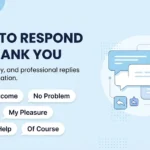
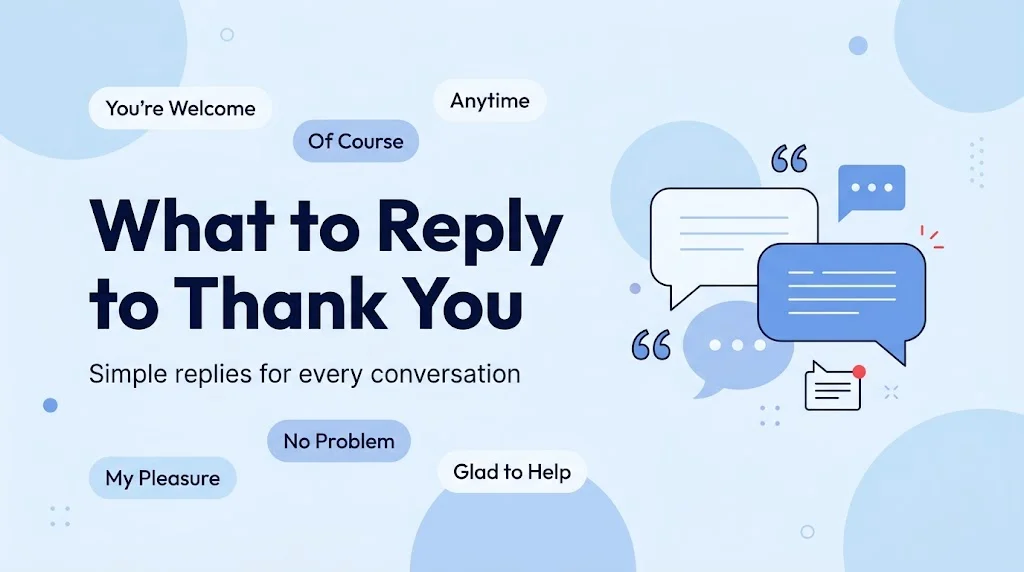
The best what to reply to thank you response depends on the situation. Keep it simple with You’re welcome, No problem, Anytime, My pleasure, or Of course, happy to help.
Someone says “thank you,” and suddenly your brain goes completely blank. You know you need to reply, but “you’re welcome” feels a little too basic, especially when the conversation is casual, funny, romantic, or happening over text. Sound familiar?
Knowing what to reply to thank you can make even a tiny interaction feel more natural. Your response might be a quick “Anytime” to a friend, a polished “My pleasure” to a client, or a playful “Don’t mention it, I accept snacks as payment” in a group chat.
The right reply depends on your relationship, the favor, and the vibe you want to create. From WhatsApp messages and Instagram DMs to workplace chats and conversations with your crush, these ready-to-use responses give you plenty of ways to sound genuine without making a simple exchange awkward.
Polite Responses
- You’re very welcome!
Use this when you want a warm and respectful everyday response.
Meaning: You are happily acknowledging their gratitude. - My pleasure!
Use this when you genuinely enjoyed helping them.
Meaning: You are saying that helping them was enjoyable rather than a burden. - You’re most welcome.
Use this when you want your response to sound especially courteous.
Meaning: You are warmly accepting their thanks. - Not at all!
Use this when the favor was easy or insignificant to you.
Meaning: You are telling them there was no trouble involved. - It was my pleasure to help.
Use this after doing something meaningful for someone.
Meaning: You are emphasizing that you were happy to assist. - Of course!
Use this with someone you are comfortable helping.
Meaning: You are showing that helping them felt natural. - Happy to help!
Use this after assisting someone with a task or problem.
Meaning: You are expressing genuine willingness to help. - Anytime!
Use this when you want to let someone know they can ask again.
Meaning: You are showing that you are available to help in the future. - Glad I could help.
Use this after solving someone’s problem.
Meaning: You are pleased that your help was useful. - It’s absolutely fine.
Use this when someone is thanking you for a small favor.
Meaning: You are reassuring them that there was no inconvenience. - No need to thank me.
Use this with someone close to you.
Meaning: You are saying the favor was something you were happy to do. - You don’t have to thank me.
Use this when you want to make someone feel comfortable.
Meaning: You are telling them that your help came naturally. - Always happy to help.
Use this when you want to sound especially supportive.
Meaning: You are showing ongoing willingness to assist. - It was nothing at all.
Use this when someone is thanking you for a small favor.
Meaning: You are minimizing the effort involved. - You’re welcome, anytime.
Use this when you want to combine politeness with warmth.
Meaning: You are letting them know you would gladly help again.
Funny Responses
- You’re welcome, my good deed is complete for today.
Use this with a friend after doing them a favor.
Meaning: You are joking about treating your helpful moment like an achievement. - No problem, I’ll invoice you later.
Use this after helping someone with a playful task.
Meaning: You are jokingly pretending your help comes with a bill. - Anytime, but snacks are appreciated.
Use this when a friend thanks you for helping them.
Meaning: You are humorously suggesting snacks as payment. - You’re welcome! Please hold the applause.
Use this when you want to exaggerate your helpfulness for comedy.
Meaning: You are playfully pretending you deserve a big celebration. - Don’t mention it. My ego already knows.
Use this with a friend who enjoys sarcastic humor.
Meaning: You are joking that you already know you did something impressive. - No worries, superhero duties are part of the job.
Use this after solving someone’s problem.
Meaning: You are playfully comparing your helpfulness to superhero behavior. - You’re welcome! I accept compliments in cash.
Use this when you want an absurd and playful reply.
Meaning: You are joking about getting paid for being helpful. - Anytime! I’m basically customer service at this point.
Use this after repeatedly helping the same friend.
Meaning: You are joking about becoming their personal support desk. - No problem, just doing important side quests.
Use this with a gaming-loving friend.
Meaning: You are framing the favor as a fun mission. - You’re welcome! That’ll be one imaginary high five.
Use this after doing someone a small favor.
Meaning: You are turning gratitude into a playful exchange. - Glad to help. My résumé needed another achievement.
Use this after accomplishing something useful.
Meaning: You are jokingly treating the favor as a career accomplishment. - Anytime! Where’s my trophy?
Use this when someone thanks you for something simple.
Meaning: You are humorously exaggerating your contribution. - No worries, I accept gratitude in dessert form.
Use this with someone who loves sweets.
Meaning: You are jokingly asking for a treat instead of formal thanks. - You’re welcome! Another mission successfully completed.
Use this after helping a friend solve something.
Meaning: You are making the favor sound like a completed mission. - It’s nothing. I’m just out here collecting good karma.
Use this when you want a playful response.
Meaning: You are joking that helping them benefits you too.
Casual Responses
- No worries!
Use this for almost any relaxed conversation.
Meaning: You are saying their thanks is completely fine and unnecessary. - No problem!
Use this with friends, coworkers, or acquaintances.
Meaning: You are casually saying the favor was easy. - Anytime!
Use this with someone you are comfortable helping.
Meaning: You are saying you would gladly help again. - Of course!
Use this when you want something short and natural.
Meaning: You are showing that helping them was an obvious choice. - Sure thing!
Use this after a simple favor or request.
Meaning: You are keeping the exchange relaxed and friendly. - You got it!
Use this when you want an upbeat response.
Meaning: You are confirming that helping them was easy. - All good!
Use this when you want to keep things extremely casual.
Meaning: You are reassuring them that everything is fine. - Don’t worry about it!
Use this after a small favor.
Meaning: You are telling them not to feel obligated. - Glad to help!
Use this when you want to sound friendly and positive.
Meaning: You are happy that your help mattered. - For sure!
Use this with friends or casual acquaintances.
Meaning: You are responding enthusiastically and informally. - Absolutely!
Use this when you want a confident but casual reply.
Meaning: You are showing that helping them was no trouble. - Anytime, seriously!
Use this for someone you genuinely care about.
Meaning: You are emphasizing that they can count on you. - You bet!
Use this when you want a cheerful, conversational response.
Meaning: You are enthusiastically accepting their gratitude. - No big deal!
Use this after a minor favor.
Meaning: You are saying the favor was easy and not worth worrying about. - All good, happy to help.
Use this when you want casual warmth.
Meaning: You are reassuring them while showing genuine kindness.
Professional Responses
- You’re very welcome.
Use this when replying to a client, manager, or professional contact.
Meaning: You are responding courteously and professionally. - My pleasure.
Use this after helping a customer, client, or colleague.
Meaning: You are communicating professional warmth. - Happy to assist.
Use this in workplace messages or customer service conversations.
Meaning: You are showing that providing assistance was part of your role. - Glad I could assist.
Use this after resolving a professional issue.
Meaning: You are confirming that you are pleased with the outcome. - You’re most welcome.
Use this in formal emails or workplace conversations.
Meaning: You are returning their gratitude respectfully. - It was my pleasure to assist you.
Use this when responding to a client or customer.
Meaning: You are emphasizing professional courtesy. - Of course, happy to help.
Use this with coworkers or clients you communicate with regularly.
Meaning: You are combining professionalism with friendliness. - I’m glad I could be of assistance.
Use this after solving a specific issue.
Meaning: You are acknowledging that your assistance was useful. - You’re welcome, and please feel free to reach out again.
Use this when you want to keep communication open.
Meaning: You are inviting future questions or requests. - Always happy to support.
Use this when assisting a colleague or team member.
Meaning: You are showing that you value being supportive. - It was no trouble at all.
Use this when someone thanks you for handling a small professional task.
Meaning: You are reassuring them that the request was manageable. - I’m pleased I could help.
Use this in polished workplace communication.
Meaning: You are expressing satisfaction with helping them. - You’re welcome, and I’m glad everything worked out.
Use this after helping resolve an issue.
Meaning: You are showing satisfaction that the problem was successfully handled. - My pleasure, and I’m always here if you need assistance.
Use this when supporting a client or colleague.
Meaning: You are offering continued professional support. - Thank you for your kind words.
Use this when someone gives you particularly warm appreciation.
Meaning: You are acknowledging their gratitude with equal courtesy.
Sweet Responses
- Always happy to help you.
Use this with someone you genuinely care about.
Meaning: You are letting them know their needs matter to you. - You never have to thank me.
Use this with someone close to you.
Meaning: You are saying your kindness comes without expectations. - Anything for you.
Use this with a close friend, family member, or romantic interest.
Meaning: You are expressing strong willingness to help. - I’m just glad I could make things a little easier.
Use this when you helped someone through a difficult moment.
Meaning: You are showing that their wellbeing matters to you. - You’re always worth helping.
Use this for someone who feels guilty about asking for help.
Meaning: You are reassuring them that supporting them is meaningful. - Of course, you know I’ve got you.
Use this with someone close to you.
Meaning: You are expressing loyalty and support. - You’re welcome, always.
Use this as a warm response to someone special.
Meaning: You are emphasizing that your support is dependable. - Helping you is the easy part.
Use this when someone sincerely appreciates your effort.
Meaning: You are making them feel that supporting them is effortless. - I’m just happy I could be there for you.
Use this after helping someone emotionally or practically.
Meaning: You are expressing genuine care. - You know I’d do it again.
Use this with someone close to you.
Meaning: You are showing that your support is sincere and ongoing. - No thanks needed, just keep smiling.
Use this when you want a cheerful and affectionate response.
Meaning: You are saying their happiness is enough thanks. - Always here for you.
Use this when someone thanks you for emotional support.
Meaning: You are reassuring them that they can rely on you. - I’m glad it helped, truly.
Use this after helping someone with something important.
Meaning: You are emphasizing genuine happiness about being useful. - You deserve all the help and kindness.
Use this when comforting someone you care about.
Meaning: You are affirming their worth and deservingness. - Anything that makes your day easier is worth it.
Use this when someone appreciates your support.
Meaning: You are showing that their happiness matters to you.
Flirty Responses
- Anything for you.
Use this when someone you like thanks you for helping them.
Meaning: You are adding a subtle romantic undertone. - You’re welcome, cutie.
Use this when you already have a playful connection.
Meaning: You are returning their thanks with a direct affectionate compliment. - For you? Always.
Use this when you want a confident romantic reply.
Meaning: You are suggesting that you are especially willing to help them. - You don’t have to thank me, just smile at me.
Use this when flirting with someone you already know well.
Meaning: You are playfully replacing gratitude with affection. - Anything to make you smile.
Use this when your help made their day easier.
Meaning: You are hinting that their happiness matters to you. - You’re welcome, but I might need a cute thank-you in person.
Use this when you already have a comfortable flirty relationship.
Meaning: You are playfully suggesting spending time together. - No problem, I like being your favorite helper.
Use this when the other person often comes to you for help.
Meaning: You are teasing them while showing interest. - Anytime, especially when it’s you.
Use this when you want your interest to be noticeable.
Meaning: You are saying you treat them differently in a flattering way. - You’re welcome. That smile better be worth it.
Use this with someone who enjoys playful teasing.
Meaning: You are flirting through lighthearted banter. - My pleasure, beautiful.
Use this when you already share a romantic connection.
Meaning: You are making the response affectionate and complimentary. - You can thank me with coffee.
Use this when you want to turn gratitude into a casual date idea.
Meaning: You are playfully suggesting spending time together. - No need to thank me, but I won’t stop you from complimenting me.
Use this when your conversation is already teasing and flirty.
Meaning: You are jokingly inviting more attention. - Helping you might be my favorite hobby.
Use this when you want playful romantic energy.
Meaning: You are exaggerating your enjoyment of being around them. - Anytime, just keep giving me reasons to talk to you.
Use this when you want to continue the conversation.
Meaning: You are openly showing that you enjoy their attention. - You’re welcome. I think you owe me a smile now.
Use this when you want a cute and confident flirt.
Meaning: You are turning the exchange into playful romantic banter.
Sarcastic Responses
- You’re welcome, I know I’m amazing.
Use this with a friend who enjoys playful sarcasm.
Meaning: You are jokingly exaggerating your own importance. - Don’t mention it, my greatness speaks for itself.
Use this after doing a simple favor.
Meaning: You are humorously overestimating your contribution. - I’ll add that thank-you to my collection.
Use this when someone thanks you repeatedly.
Meaning: You are teasing them about how often they express gratitude. - Finally, some recognition.
Use this when joking with a close friend.
Meaning: You are pretending you have been waiting for appreciation. - You’re welcome. I accept admiration too.
Use this when you want an exaggerated sarcastic reply.
Meaning: You are jokingly asking for more praise. - No problem, hero services are free today.
Use this after helping someone with something minor.
Meaning: You are playfully presenting yourself as their hero. - You’re welcome. Please remain calm.
Use this when your friend is overly grateful.
Meaning: You are jokingly treating the favor as a major event. - I know, I know. I’m wonderful.
Use this with someone who knows your humor.
Meaning: You are jokingly turning their gratitude into praise. - Glad you finally noticed.
Use this after doing something helpful repeatedly.
Meaning: You are teasing them for acknowledging your effort. - Your gratitude has been noted.
Use this for dry humor in a text conversation.
Meaning: You are pretending to process their thanks like an official request. - You’re welcome. I expect a five-star review.
Use this after helping a friend.
Meaning: You are jokingly treating your favor like a service. - No need for the emotional speech.
Use this when a friend becomes overly thankful.
Meaning: You are playfully minimizing their gratitude. - I accept your thanks. Case closed.
Use this with someone who keeps thanking you.
Meaning: You are humorously ending the gratitude exchange. - It’s okay, you may thank me again later.
Use this when you want exaggerated sarcasm.
Meaning: You are jokingly encouraging even more appreciation. - You’re welcome. My work here is done.
Use this after solving someone’s problem.
Meaning: You are playfully acting like a mission has been completed.
Cute Responses
- Aww, you’re welcome!
Use this after receiving a sweet thank-you.
Meaning: You are responding with gentle affection. - Of course! Anytime you need me.
Use this with someone close to you.
Meaning: You are showing dependable support. - You’re welcome, lovely!
Use this with a close friend or someone special.
Meaning: You are adding an affectionate compliment. - Always, always!
Use this when you want an enthusiastic cute reply.
Meaning: You are emphasizing that you are happy to help again. - No need to thank me, silly.
Use this with someone you are very comfortable with.
Meaning: You are playfully telling them their gratitude is unnecessary. - Happy to help my favorite person.
Use this with someone especially close to you.
Meaning: You are making the reply affectionate and personal. - You’re welcome! Big virtual hug coming your way.
Use this when texting someone you care about.
Meaning: You are adding warmth and affection to the reply. - Of course, sunshine!
Use this with someone who enjoys cute nicknames.
Meaning: You are responding with cheerful affection. - Anytime, little reminder that I’ve got you.
Use this when someone needs reassurance.
Meaning: You are reminding them that your support is dependable. - You’re welcome! Now go enjoy your day.
Use this after helping someone with a small problem.
Meaning: You are encouraging them to move forward happily. - Aww, I’m glad I could help.
Use this when their gratitude feels especially sincere.
Meaning: You are showing genuine happiness that you were useful. - No thanks needed, just keep being you.
Use this with someone you appreciate.
Meaning: You are saying their presence is enough. - Always happy to make your day a little easier.
Use this for someone close to you.
Meaning: You are expressing thoughtful care. - You’re welcome! Sending you a tiny happy dance.
Use this when you want a playful text response.
Meaning: You are adding cheerful energy to the exchange. - Anytime, with extra smiles included.
Use this when you want a soft and upbeat reply.
Meaning: You are returning their gratitude with warmth and positivity.
Confident Responses
- Absolutely, happy to help.
Use this when you want to sound positive and self-assured.
Meaning: You are confidently acknowledging their thanks. - You can always count on me.
Use this with someone who regularly relies on you.
Meaning: You are expressing confidence in your reliability. - Of course, I’ve got it covered.
Use this after handling something successfully.
Meaning: You are reassuring them that you can manage the situation. - No problem, that’s what I’m here for.
Use this in a work or team setting.
Meaning: You are confidently presenting your help as dependable. - Glad I could make it happen.
Use this after completing a task for someone.
Meaning: You are acknowledging the successful result. - Anytime, consider it handled.
Use this when someone thanks you for taking care of something.
Meaning: You are confidently communicating that the issue is under control. - You got it, no stress.
Use this for a relaxed but assured response.
Meaning: You are telling them the situation is completely manageable. - Happy to take care of it.
Use this in professional or personal situations.
Meaning: You are confidently saying you were willing to handle the task. - No worries, I had it covered.
Use this when someone was concerned about asking for help.
Meaning: You are reassuring them that their request was not difficult. - Always happy to step up.
Use this when helping a friend or team member.
Meaning: You are expressing confidence in your willingness to contribute. - Consider it done.
Use this after agreeing to complete a task.
Meaning: You are confidently confirming your commitment. - You’re welcome. Glad we got it sorted.
Use this after fixing a problem together.
Meaning: You are emphasizing the successful outcome. - No problem, we’re good.
Use this for a short confident response.
Meaning: You are reassuring them that everything is fine. - Happy to make things easier.
Use this after helping someone with a challenge.
Meaning: You are confidently expressing the value of your support. - Anytime you need a hand, I’m there.
Use this with someone who may need future support.
Meaning: You are confidently offering dependable assistance.
Emotional Responses
- You’re welcome, and I’m really glad I could be there for you.
Use this when your help was emotionally important.
Meaning: You are expressing sincere care and support. - You never have to thank me for being there.
Use this with someone going through a difficult time.
Meaning: You are saying that supporting them is something you willingly do. - I’m just glad things are a little better now.
Use this after helping someone through a difficult situation.
Meaning: You care more about their wellbeing than receiving thanks. - It meant a lot to me to be able to help.
Use this when someone deeply appreciates your support.
Meaning: You are showing that helping them was personally meaningful. - I’m always in your corner.
Use this for someone close to you.
Meaning: You are promising emotional support and loyalty. - You can lean on me whenever you need to.
Use this when someone thanks you for being supportive.
Meaning: You are reassuring them that they do not have to face everything alone. - I’m grateful I could be there when you needed me.
Use this after an important moment.
Meaning: You are expressing gratitude for being able to support them. - You deserve to have people who show up for you.
Use this when someone feels guilty about receiving help.
Meaning: You are reassuring them that accepting support is okay. - Your happiness is more than enough thanks.
Use this for someone you care about deeply.
Meaning: You are saying their wellbeing matters more than recognition. - I’m glad you felt supported.
Use this after offering emotional encouragement.
Meaning: You are acknowledging the emotional impact of your support. - No thanks needed, I genuinely care about you.
Use this with someone close to your heart.
Meaning: You are making your concern and affection clear. - I’d do it again without thinking twice.
Use this after helping someone through something difficult.
Meaning: You are emphasizing how sincere your support is. - I’m just happy you’re okay.
Use this when someone thanks you after a stressful situation.
Meaning: You are prioritizing their wellbeing over gratitude. - You matter to me, so helping you was easy.
Use this for a meaningful personal conversation.
Meaning: You are expressing affection and genuine concern. - Whatever you need, you don’t have to face it alone.
Use this when someone needs ongoing emotional support.
Meaning: You are offering reassurance and companionship.
Clever Responses
- You’re welcome, but honestly, teamwork makes everything easier.
Use this when you helped someone accomplish something together.
Meaning: You are shifting the focus from yourself toward collaboration. - No thanks necessary, problem solved.
Use this after quickly fixing an issue.
Meaning: You are keeping the response efficient and confident. - Glad to be useful!
Use this when someone appreciates your help.
Meaning: You are responding with light confidence and positivity. - Consider your gratitude officially received.
Use this for playful formal humor.
Meaning: You are jokingly treating their thanks like an official message. - You’re welcome, mission accomplished.
Use this after successfully completing a task.
Meaning: You are turning the situation into a playful achievement. - No problem, that was an easy win.
Use this after solving something quickly.
Meaning: You are confidently saying the favor was straightforward. - Happy to help, efficiency for the win.
Use this after making someone’s task easier.
Meaning: You are celebrating the successful result. - Your thanks have been successfully processed.
Use this when you want dry internet-style humor.
Meaning: You are playfully treating gratitude like a digital transaction. - You’re welcome, problem officially downgraded.
Use this after fixing a stressful situation.
Meaning: You are jokingly saying you reduced the problem. - No worries, consider it one favor off the scoreboard.
Use this with a competitive friend.
Meaning: You are playfully keeping track of favors. - Happy to help, efficiency looks good on me.
Use this when you want confident humor.
Meaning: You are jokingly complimenting your own helpfulness. - You’re welcome, another successful operation.
Use this after handling a complicated request.
Meaning: You are presenting the favor as a successful mission. - Glad we got that sorted without breaking the internet.
Use this after fixing a digital or technical issue.
Meaning: You are using humor to celebrate solving the problem. - No problem, crisis downgraded to minor inconvenience.
Use this after helping someone with a small emergency.
Meaning: You are humorously minimizing the original problem. - You’re welcome, productivity has entered the chat.
Use this in a work or friend group chat.
Meaning: You are playfully celebrating getting something accomplished.
Sweet And Friendly Responses
- You’re welcome! Always happy to help.
Use this when you want a universally warm response.
Meaning: You are showing kindness without overcomplicating the exchange. - Of course, anytime you need me.
Use this with someone you trust.
Meaning: You are offering dependable support. - Glad I could do something for you.
Use this after helping someone with a task.
Meaning: You are expressing genuine satisfaction. - No worries at all, happy to help.
Use this when someone seems concerned about bothering you.
Meaning: You are reassuring them that their request was fine. - Always, my friend.
Use this with a close friend.
Meaning: You are reinforcing friendship and loyalty. - You’re welcome! Hope it made your day a little easier.
Use this after doing something practical for someone.
Meaning: You care about the positive effect your help had. - Anytime, you know that.
Use this with someone you have known for a while.
Meaning: You are reminding them that your support is dependable. - Happy to help whenever I can.
Use this for friends, relatives, or coworkers.
Meaning: You are offering continued kindness. - No need for thanks, just glad it worked out.
Use this after helping solve a problem.
Meaning: You care more about the result than receiving appreciation. - You’re welcome! Take care and enjoy your day.
Use this when ending a short conversation.
Meaning: You are closing the interaction warmly. - Always here if you need anything.
Use this when someone may need future support.
Meaning: You are offering reassurance and availability. - It was nothing, honestly.
Use this after a small favor.
Meaning: You are saying the effort was minimal. - Of course! Glad I could make things easier.
Use this after helping someone with a stressful task.
Meaning: You are showing genuine care. - You’re welcome! Sending good vibes your way.
Use this for a cheerful text response.
Meaning: You are ending the exchange with positivity. - Anytime, and I mean it.
Use this when you want your offer of help to feel sincere.
Meaning: You are emphasizing genuine willingness to support them.
FAQs
What is the best response to thank you?
The simplest choices are You’re welcome, No problem, Anytime, My pleasure, and Of course. The best option depends on your relationship and the situation.
What can I say instead of you’re welcome?
Try No worries, Happy to help, Anytime, My pleasure, Glad I could help, Of course, or Not at all.
How do I respond to thank you from a friend?
Keep it natural with No problem, Anytime, Of course, You got it, or Don’t mention it. A funny response also works if that matches your friendship.
What should I say when my crush says thank you?
You can use a playful reply such as Anything for you, Anytime, especially when it’s you, or You can thank me with coffee.
How do I reply professionally?
Use polished responses such as My pleasure, You’re very welcome, Happy to assist, or Glad I could be of assistance.
Conclusion
A simple thank-you does not always need a simple reply. Your response can be warm, funny, professional, flirty, sarcastic, or completely casual depending on the person and the moment. The goal is not to find one perfect phrase, but to choose something that sounds natural coming from you.
Whether you are answering a friend in a group chat, replying to a coworker, texting someone special, or responding to a message online, a little personality can make the conversation feel much better.
Save these replies for the next time your mind goes blank after hearing those two familiar words. Pick your favorite, make it your own, and keep the conversation flowing. Share this list with the friend who always says thank you and then waits for your response!
Discover More Related Articles:
- How to Respond to a Debt Collection Lawsuit | Without an Attorney In 2026
- How to Respond to I’ll Be Your Huckleberry | Without Flirting In 2026

Laura Adams is a dedicated content writer and blogger known for crafting clear, informative, and engaging articles. As a contributor to Responary.com, she specializes in creating reader-friendly content that educates, inspires, and keeps audiences informed on a wide range of subjects.