Quick Answer
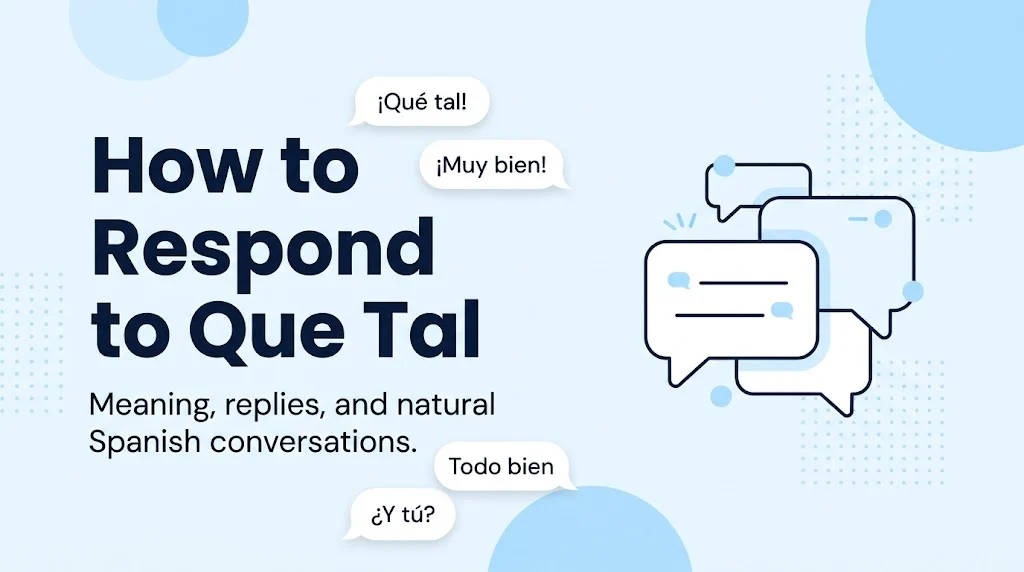
The best way to respond to “Que tal?” is to say “Bien, gracias” (Good, thanks), “Todo bien” (Everything’s good), or “Muy bien, ¿y tú?” (Very good, and you?). The right reply depends on your mood, your relationship with the person, and whether you want to sound polite, funny, friendly, or flirty.
Top alternatives: Bien, gracias; Todo bien; Muy bien, ¿y tú?; Aquí andamos; No me quejo.
Someone texts you “Que tal?” and suddenly your Spanish vocabulary disappears. You know it is a greeting, but what should you say back? Whether you are chatting with a friend, replying to a crush, talking to a Spanish-speaking coworker, or messaging someone on social media, knowing how to respond naturally makes the conversation much easier.
“¿Qué tal?” is a common Spanish expression that can mean “How are you?”, “How’s it going?”, or “What’s up?”, depending on the context. It is usually a casual way to start a conversation, so you do not need a complicated answer. A simple greeting works perfectly, but you can also be funny, sweet, confident, or playful.
1. Simple Responses to Que Tal
- Bien, gracias. ¿Y tú?
Example: Use this when someone casually greets you in Spanish.
Meaning: Good, thanks. And you? - Muy bien, gracias.
Example: Use this when you want to sound polite and positive.
Meaning: Very well, thank you. - Todo bien.
Example: Use this when a friend asks how things are going.
Meaning: Everything is good. - Bien, ¿y tú qué tal?
Example: Use this when you want to return the greeting naturally.
Meaning: Good, and how about you? - Todo tranquilo.
Example: Use this when life feels calm and ordinary.
Meaning: Everything is peaceful. - Bastante bien.
Example: Use this when things are going pretty well.
Meaning: Pretty good. - Aquí, bien.
Example: Use this during a quick casual exchange.
Meaning: Here, doing well. - No me quejo.
Example: Use this when things are fine but nothing extraordinary is happening.
Meaning: I can’t complain. - Todo en orden.
Example: Use this when everything seems to be going smoothly.
Meaning: Everything is in order. - Muy bien, ¿y tú?
Example: Use this when you want to be friendly and keep the conversation going.
Meaning: Very good, and you? - Genial, gracias.
Example: Use this when you feel especially good.
Meaning: Great, thanks. - Bien, todo bien.
Example: Use this when you want a short, relaxed answer.
Meaning: Good, everything is good. - Aquí andamos.
Example: Use this with friends when life is moving along as usual.
Meaning: Here we are, getting by. - De maravilla.
Example: Use this when things are going wonderfully.
Meaning: Wonderfully. - Todo marcha bien.
Example: Use this when you want to say things are progressing well.
Meaning: Everything is going well.
2. Funny Responses to Que Tal
- Sobreviviendo.
Example: Use this when you have had a long day and want to joke about it.
Meaning: Surviving. - Mejor que un lunes.
Example: Use this when you want to make a weekday joke.
Meaning: Better than a Monday. - Aquí, fingiendo que tengo mi vida organizada.
Example: Use this with a friend who understands your humor.
Meaning: Here, pretending I have my life organized. - Con sueño, como siempre.
Example: Use this when you are tired.
Meaning: Sleepy, as always. - Viviendo el sueño, aunque no sé cuál.
Example: Use this when you want a silly response.
Meaning: Living the dream, although I don’t know which one. - Más o menos, como el Wi-Fi.
Example: Use this when your mood is unpredictable.
Meaning: So-so, like the Wi-Fi. - Funcionando al 50 %.
Example: Use this when you are low on energy.
Meaning: Operating at 50 percent. - Como una estrella, pero sin presupuesto.
Example: Use this when you want an exaggerated joke.
Meaning: Like a star, but without the budget. - Todo bien, excepto mi cuenta bancaria.
Example: Use this when joking with a friend about money.
Meaning: Everything is good except my bank account. - Intentando no hacer el ridículo.
Example: Use this when you want to be self-deprecating.
Meaning: Trying not to embarrass myself. - Mejor que ayer, peor que mañana.
Example: Use this when you want a playful, dramatic answer.
Meaning: Better than yesterday, worse than tomorrow. - Con hambre, como siempre.
Example: Use this when you are thinking about your next meal.
Meaning: Hungry, as always. - Mi café y yo estamos bien.
Example: Use this when coffee is keeping you going.
Meaning: My coffee and I are doing well. - No sé, pregúntame después de comer.
Example: Use this when you are too hungry to think clearly.
Meaning: I don’t know, ask me after I eat. - Todo bien, todavía no soy famoso.
Example: Use this when you want a playful answer.
Meaning: Everything is good; I’m still not famous.
3. Flirty Responses to Que Tal
- Mejor ahora que me escribes.
Example: Use this with someone you like when they message you.
Meaning: Better now that you’re texting me. - Muy bien, ¿y tú, guapo?
Example: Use this when flirting with someone you are comfortable complimenting.
Meaning: Very well, and you, handsome? - Todo bien, ¿me extrañabas?
Example: Use this when you already have playful chemistry.
Meaning: Everything’s good. Did you miss me? - Ahora mucho mejor.
Example: Use this when someone’s message has made your day better.
Meaning: Much better now. - Bien, pero mejor estaría contigo.
Example: Use this when you want a romantic, playful reply.
Meaning: Good, but I’d be better with you. - Todo bien, cariño. ¿Y tú?
Example: Use this when affectionate language is already welcome between you.
Meaning: Everything’s good, sweetheart. And you? - Muy bien, pensando en alguien.
Example: Use this when you want to hint that you have a crush.
Meaning: Very well, thinking about someone. - Mejor desde que apareciste.
Example: Use this when someone special starts a conversation.
Meaning: Better since you showed up. - Bien, ¿y cuándo nos vemos?
Example: Use this when you want to suggest meeting up.
Meaning: Good, so when are we seeing each other? - Todo perfecto, ahora que estás aquí.
Example: Use this when you want a sweet, flirty answer.
Meaning: Everything is perfect now that you’re here. - Bien, pero tu mensaje mejoró mi día.
Example: Use this when you want to show someone their message made you happy.
Meaning: Good, but your message made my day better. - De maravilla, ¿y tú, lindo?
Example: Use this when a playful compliment fits your relationship.
Meaning: Wonderful, and you, cutie? - Todo bien, ¿me invitas a salir?
Example: Use this when you want to playfully suggest a date.
Meaning: Everything’s good. Are you asking me out? - Mucho mejor después de tu mensaje.
Example: Use this when you want to sound warm and interested.
Meaning: Much better after your message. - Bien, pero cuéntame algo bonito.
Example: Use this when you want the conversation to become sweet or romantic.
Meaning: Good, but tell me something nice.
4. Polite Responses to Que Tal
- Muy bien, gracias por preguntar.
Example: Use this when someone politely checks in on you.
Meaning: Very well, thanks for asking. - Estoy bien, muchas gracias. ¿Y usted?
Example: Use this when speaking respectfully to someone formally.
Meaning: I’m well, thank you very much. And you? - Todo va bien, gracias.
Example: Use this when you want a courteous, straightforward answer.
Meaning: Everything is going well, thanks. - Muy bien, espero que usted también.
Example: Use this in a respectful conversation.
Meaning: Very well, I hope you are too. - Bien, gracias. Espero que estés bien también.
Example: Use this when responding politely to a friend or acquaintance.
Meaning: Good, thanks. I hope you’re doing well too. - Todo en orden, muchas gracias.
Example: Use this when someone asks how you are in a formal setting.
Meaning: Everything is in order, thank you very much. - Estoy bastante bien, gracias.
Example: Use this when things are going well.
Meaning: I’m doing quite well, thanks. - Muy bien, ¿cómo está usted?
Example: Use this when you want to return a formal greeting.
Meaning: Very well, how are you? - Gracias por preguntar, todo bien.
Example: Use this when you appreciate someone’s concern.
Meaning: Thanks for asking, everything is good. - Me encuentro bien, gracias.
Example: Use this in a more formal conversation.
Meaning: I’m doing well, thank you. - Todo marcha bien por aquí.
Example: Use this when someone asks about your general situation.
Meaning: Everything is going well over here. - Bien, y espero que usted también esté bien.
Example: Use this when speaking politely to an older person or professional contact.
Meaning: Good, and I hope you’re doing well too. - Muy bien, gracias por su interés.
Example: Use this when someone checks on you professionally.
Meaning: Very well, thank you for your concern. - Todo bien por el momento, gracias.
Example: Use this when things are fine at present.
Meaning: Everything is fine for now, thanks. - Estoy bien, ¿y cómo le va a usted?
Example: Use this when returning a formal greeting.
Meaning: I’m well, and how are things going for you?
5. Professional Responses to Que Tal
- Muy bien, gracias. ¿Cómo va todo en el trabajo?
Example: Use this when greeting a colleague before discussing work.
Meaning: Very well, thanks. How is everything going at work? - Todo bien, gracias por preguntar.
Example: Use this in a professional message or meeting.
Meaning: Everything is good, thanks for asking. - Muy bien, ¿y cómo va el proyecto?
Example: Use this when speaking with a teammate.
Meaning: Very well, and how is the project going? - Todo marcha según lo previsto.
Example: Use this when work is progressing as planned.
Meaning: Everything is proceeding as expected. - Bien, gracias. ¿En qué puedo ayudarte?
Example: Use this when a client starts a conversation.
Meaning: Good, thanks. How can I help you? - Muy bien, espero que tú también.
Example: Use this with a colleague you address informally.
Meaning: Very well, I hope you are too. - Todo en orden por aquí.
Example: Use this when giving a quick professional update.
Meaning: Everything is in order here. - Bien, gracias. ¿Cómo va tu día?
Example: Use this when starting a friendly workplace conversation.
Meaning: Good, thanks. How is your day going? - Muy bien, listo para empezar.
Example: Use this before a meeting or task.
Meaning: Very well, ready to get started. - Todo bien, avanzando con las tareas.
Example: Use this when a manager asks how things are going.
Meaning: Everything is good, making progress with the tasks. - Bien, gracias. ¿Hay alguna novedad?
Example: Use this when you expect a work update.
Meaning: Good, thanks. Any news? - Todo marcha bien hasta ahora.
Example: Use this when a project is progressing smoothly.
Meaning: Everything is going well so far. - Muy bien, gracias por tu mensaje.
Example: Use this when replying to a colleague in a chat.
Meaning: Very well, thanks for your message. - Estoy bien, gracias. ¿Cómo puedo colaborar?
Example: Use this when you want to offer assistance at work.
Meaning: I’m well, thanks. How can I contribute? - Todo bien, seguimos adelante.
Example: Use this when a team is working through a task.
Meaning: Everything is good; we’re moving forward.
6. Cute Responses to Que Tal
- Bien, gracias. ¿Y tú, personita bonita?
Example: Use this with someone you know well and affectionately tease.
Meaning: Good, thanks. And you, lovely little person? - Todo bonito por aquí.
Example: Use this when you’re in a cheerful mood.
Meaning: Everything is lovely over here. - Bien, con una sonrisa.
Example: Use this when you want to sound sweet and positive.
Meaning: Good, with a smile. - Muy bien, mandándote buenas vibras.
Example: Use this when you want to send someone positive energy.
Meaning: Very well, sending you good vibes. - Aquí, feliz de saludarte.
Example: Use this when you’re happy to hear from someone.
Meaning: Here, happy to greet you. - Todo bien, con mucho cariño.
Example: Use this when talking to someone close to you.
Meaning: Everything is good, with lots of affection. - Mejor ahora que hablamos.
Example: Use this when a conversation makes you feel happier.
Meaning: Better now that we’re talking. - Bien, espero sacarte una sonrisa.
Example: Use this when you want to brighten someone’s day.
Meaning: Good, I hope I can make you smile. - Todo tranquilo y bonito.
Example: Use this when you feel relaxed and happy.
Meaning: Everything is calm and lovely. - Muy bien, gracias, corazón.
Example: Use this when affectionate language is normal between you.
Meaning: Very well, thanks, sweetheart. - Aquí, con ganas de charlar.
Example: Use this when you want to keep chatting.
Meaning: Here, in the mood to talk. - Bien, con un poquito de alegría extra.
Example: Use this when something has made you happy.
Meaning: Good, with a little extra happiness. - Todo bien, te mando un abrazo.
Example: Use this when you want to send warmth to a friend.
Meaning: Everything’s good; sending you a hug. - De maravilla, y ahora mejor.
Example: Use this when the conversation has improved your mood.
Meaning: Wonderful, and now even better. - Bien, que hablar contigo siempre alegra.
Example: Use this with someone whose company you enjoy.
Meaning: Good, talking with you always cheers me up.
7. Casual Responses to Que Tal
- Todo tranqui.
Example: Use this in an informal text to a friend.
Meaning: Everything’s chill. - Aquí nomás.
Example: Use this in some Latin American contexts when you’re just hanging around.
Meaning: Just here, nothing special. - Todo bien por ahora.
Example: Use this when things are fine at the moment.
Meaning: Everything’s good for now. - Aquí, pasando el rato.
Example: Use this when you’re relaxing or hanging out.
Meaning: Here, passing the time. - Nada nuevo.
Example: Use this when nothing interesting has happened.
Meaning: Nothing new. - Lo de siempre.
Example: Use this when life is following its usual routine.
Meaning: Same as always. - Todo normal.
Example: Use this when there’s nothing unusual to report.
Meaning: Everything’s normal. - Aquí, relajándome.
Example: Use this when you’re taking it easy.
Meaning: Here, relaxing. - Bien, ¿qué cuentas?
Example: Use this when you want to hear the other person’s news.
Meaning: Good, what’s new with you? - Todo en paz.
Example: Use this when life feels peaceful.
Meaning: Everything is peaceful. - Aquí, sin novedades.
Example: Use this when there are no updates.
Meaning: Here, no news. - Más o menos.
Example: Use this when things are neither great nor terrible.
Meaning: So-so. - Bien, ¿y qué haces?
Example: Use this when you want to continue the chat.
Meaning: Good, what are you doing? - Aquí, descansando un rato.
Example: Use this when you’re taking a break.
Meaning: Here, resting for a while. - Todo cool.
Example: Use this with friends who mix Spanish and English.
Meaning: Everything’s cool.
8. Confident Responses to Que Tal
- De maravilla, gracias.
Example: Use this when you’re feeling great and want to show it.
Meaning: Wonderful, thanks. - Excelente, como siempre.
Example: Use this when you feel confident and upbeat.
Meaning: Excellent, as always. - Cada día mejor.
Example: Use this when you feel you’re making progress.
Meaning: Better every day. - En mi mejor momento.
Example: Use this when you’re feeling especially confident.
Meaning: In my best moment. - Todo bajo control.
Example: Use this when you feel organized and prepared.
Meaning: Everything is under control. - Feliz y enfocado.
Example: Use this when you’re feeling positive and productive.
Meaning: Happy and focused. - No podría estar mejor.
Example: Use this when everything is going exceptionally well.
Meaning: I couldn’t be better. - Con toda la energía.
Example: Use this when you’re ready to take on the day.
Meaning: Full of energy. - Listo para lo que venga.
Example: Use this when you feel prepared for new challenges.
Meaning: Ready for whatever comes. - Todo marcha a mi favor.
Example: Use this when things are going your way.
Meaning: Everything is going in my favor. - Fuerte y tranquilo.
Example: Use this when you’re feeling steady and self-assured.
Meaning: Strong and calm. - Aprovechando cada día.
Example: Use this when you’re making the most of life.
Meaning: Making the most of every day. - Con buena actitud, como siempre.
Example: Use this when you want to sound positive.
Meaning: With a good attitude, as always. - Feliz con lo que estoy construyendo.
Example: Use this when you’re proud of your progress.
Meaning: Happy with what I’m building. - Todo bien y mirando hacia adelante.
Example: Use this when you’re focused on the future.
Meaning: Everything’s good and I’m looking ahead.
9. Sarcastic Responses to Que Tal
- Viviendo mi mejor vida, supuestamente.
Example: Use this with a friend who understands your sarcasm.
Meaning: Supposedly living my best life. - Perfecto, si ignoramos todos mis problemas.
Example: Use this when you want to joke about a busy day.
Meaning: Perfect, if we ignore all my problems. - De lujo, como si fuera millonario.
Example: Use this when things are ordinary but you want to exaggerate.
Meaning: Luxuriously, as if I were a millionaire. - Todo genial, según mi imaginación.
Example: Use this when reality is less exciting than you’d like.
Meaning: Everything is great, according to my imagination. - Mejor imposible, dicen mis tres neuronas.
Example: Use this when you want a silly self-deprecating joke.
Meaning: Couldn’t be better, say my three brain cells. - Fabuloso, estoy esperando que llegue mi fortuna.
Example: Use this when joking about waiting for good luck.
Meaning: Fabulous, I’m waiting for my fortune to arrive. - Como una celebridad sin paparazzi.
Example: Use this when you’re feeling playful.
Meaning: Like a celebrity without paparazzi. - Todo perfecto en mi mundo imaginario.
Example: Use this when you want an ironic reply.
Meaning: Everything is perfect in my imaginary world. - Sobreviviendo con estilo, obviamente.
Example: Use this when you’ve had a difficult day but want to joke.
Meaning: Surviving in style, obviously. - Bien, esperando que alguien me patrocine.
Example: Use this when joking about needing money.
Meaning: Good, waiting for someone to sponsor me. - Excelente, si no hacemos preguntas.
Example: Use this when you don’t want to explain your day.
Meaning: Excellent, if we don’t ask questions. - Como un reloj, pero sin batería.
Example: Use this when you feel tired or unmotivated.
Meaning: Like a clock, but without a battery. - Todo bajo control, más o menos.
Example: Use this when things are slightly chaotic.
Meaning: Everything is under control, more or less. - Brillando, aunque nadie lo note.
Example: Use this when you want a cheeky answer.
Meaning: Shining, even if nobody notices. - Bien, gracias a la magia del café.
Example: Use this when caffeine is keeping you going.
Meaning: Good, thanks to the magic of coffee.
10. Responses When You Are Having a Bad Day
- Un poco cansado, pero todo bien.
Example: Use this when you’re tired but don’t want to go into detail.
Meaning: A little tired, but everything is okay. Use cansada if you use feminine grammatical forms. - He tenido días mejores.
Example: Use this when things have been difficult lately.
Meaning: I’ve had better days. - No ha sido mi mejor día.
Example: Use this when you want to be honest without sharing every detail.
Meaning: It hasn’t been my best day. - Un poco estresado, pero aquí estoy.
Example: Use this when work or life has been stressful.
Meaning: A little stressed, but here I am. Use estresada if you use feminine grammatical forms. - Más o menos, gracias por preguntar.
Example: Use this when you’re not feeling great but appreciate the concern.
Meaning: So-so, thanks for asking. - Hoy ha sido un día largo.
Example: Use this when you’re exhausted after a busy day.
Meaning: Today has been a long day. - Necesito un descanso.
Example: Use this when you feel you need time to recharge.
Meaning: I need a break. - Un poco abrumado últimamente.
Example: Use this when you’ve had a lot on your mind.
Meaning: A little overwhelmed lately. Use abrumada if you use feminine grammatical forms. - Estoy pasando por una semana complicada.
Example: Use this when several things have been difficult.
Meaning: I’m going through a complicated week. - No muy bien, pero gracias por preguntar.
Example: Use this when you want to be honest and polite.
Meaning: Not very well, but thanks for asking. - He estado pensando en muchas cosas.
Example: Use this when you’re feeling thoughtful or worried.
Meaning: I’ve been thinking about a lot of things. - Un día a la vez.
Example: Use this when you’re managing things gradually.
Meaning: One day at a time. - Espero que mañana sea mejor.
Example: Use this when you’re hoping for a fresh start.
Meaning: I hope tomorrow is better. - Necesito un poquito de tranquilidad.
Example: Use this when you want some peace and quiet.
Meaning: I need a little peace and quiet. - Gracias por preguntar, significa mucho.
Example: Use this when someone’s concern makes you feel appreciated.
Meaning: Thanks for asking; it means a lot.
11. Responses That Keep the Conversation Going
- Bien, ¿y qué tal tu día?
Example: Use this when you want to ask about the other person’s day.
Meaning: Good, and how is your day going? - Todo bien. ¿Qué has hecho hoy?
Example: Use this when you want to hear about their activities.
Meaning: Everything’s good. What have you done today? - Muy bien, ¿qué me cuentas?
Example: Use this when you want a casual update.
Meaning: Very well, what’s new with you? - Bien, ¿qué planes tienes?
Example: Use this when you want to talk about upcoming plans.
Meaning: Good, what plans do you have? - Todo tranquilo. ¿Y qué novedades hay?
Example: Use this when you want to hear the latest news.
Meaning: Everything’s calm. What’s new? - Bien, ¿cómo te ha ido esta semana?
Example: Use this when catching up with someone.
Meaning: Good, how has your week been? - Muy bien. ¿Qué estás haciendo ahora?
Example: Use this when chatting casually by text.
Meaning: Very well. What are you doing right now? - Todo bien. ¿Has visto algo interesante últimamente?
Example: Use this when looking for a new topic.
Meaning: Everything’s good. Have you seen anything interesting lately? - Bien, ¿cómo van las cosas contigo?
Example: Use this when you want a broader update.
Meaning: Good, how are things going with you? - Genial. ¿Qué tal tu fin de semana?
Example: Use this when chatting on a Monday or after the weekend.
Meaning: Great. How was your weekend? - Bien, ¿qué ha sido lo mejor de tu día?
Example: Use this when you want a positive conversation.
Meaning: Good, what has been the best part of your day? - Todo bien. ¿Qué música estás escuchando?
Example: Use this when you want to discuss music.
Meaning: Everything’s good. What music are you listening to? - Bien, ¿alguna buena noticia?
Example: Use this when you want to hear something positive.
Meaning: Good, any good news? - Muy bien. ¿Qué tal va todo en casa?
Example: Use this when checking in with someone you know well.
Meaning: Very well. How is everything at home? - Bien, cuéntame algo interesante.
Example: Use this when you want the other person to share a story.
Meaning: Good, tell me something interesting.
12. Short Text And Social Media Responses
- Biennn, ¿y tú?
Example: Use this in a playful text to a friend.
Meaning: Gooood, and you? - Todo bien 😊
Example: Use this when you want a friendly, simple reply.
Meaning: Everything’s good. - Muy biennn ✨
Example: Use this when you’re feeling upbeat.
Meaning: Very good. - Aquí andamos 😂
Example: Use this when you’re joking about everyday life.
Meaning: Here we are, getting by. - Tranqui 😎
Example: Use this when everything is relaxed.
Meaning: Chill. - De maravilla 💖
Example: Use this when you’re feeling great.
Meaning: Wonderful. - No me quejo 🤷
Example: Use this when life is fine but ordinary.
Meaning: I can’t complain. - Todo cool ✌️
Example: Use this with friends who enjoy casual language.
Meaning: Everything’s cool. - Sobreviviendo jajaja 😂
Example: Use this when you’re tired but joking about it.
Meaning: Surviving, hahaha. - Bien, gracias 🌸
Example: Use this when you want a sweet, polite answer.
Meaning: Good, thanks. - Mejor ahora 😉
Example: Use this when you want a playful or lightly flirty tone.
Meaning: Better now. - Todo fresh 😌
Example: Use this when you’re relaxed and feeling good.
Meaning: Everything is fresh or chill. - Genial 🔥
Example: Use this when things are going really well.
Meaning: Great. - Aquí, relax 💤
Example: Use this when you’re taking it easy.
Meaning: Here, relaxing. - Bien, ¿y tú qué tal? 💬
Example: Use this when you want to return the greeting and continue chatting.
Meaning: Good, and how about you?
FAQs
What Does “¿Qué Tal?” Mean?
“¿Qué tal?” is a common Spanish expression that usually means “How are you?”, “How’s it going?”, or “What’s up?” The exact meaning depends on the context.
What Is the Best Response to “¿Qué Tal?”
A reliable answer is “Bien, gracias. ¿Y tú?”, meaning “Good, thanks. And you?” It is natural, polite, and suitable for many everyday conversations.
How Do You Respond to “¿Qué Tal?” Casually?
You can say “Todo bien” (Everything’s good), “Todo tranqui” (Everything’s chill), or “Aquí andamos” (Here we are, getting by).
How Do You Respond to “¿Qué Tal?” Flirtatiously?
If the other person welcomes playful flirting, try “Mejor ahora que me escribes”, meaning “Better now that you’re texting me.”
Is “¿Qué Tal?” Formal or Informal?
It is used in both casual and some formal situations. With friends, you can use “¿Y tú?” With someone you address formally, “¿Y usted?” is more appropriate.
Conclusion
Knowing how to respond to “¿Qué tal?” makes everyday Spanish conversations feel much more natural. You can keep things simple with “Bien, gracias,” make a friend laugh with a playful answer, or add a little charm when messaging someone you like. The secret is to choose a response that fits your mood and your relationship with the other person. You do not need perfect Spanish to sound friendly and confident.
Start with a few easy phrases, practice using them in real conversations, and gradually explore more creative replies. Save this list for your next Spanish chat, share your favorite response with a friend, and keep the conversation flowing!
Discover More Related Articles:
- How to Respond to What’s Up | for Every Mood & Situation In 2026
- How to Respond to a Narcissist Playing Victim | Calm & Powerful Replies

Jennifer Wilson is an experienced writer and content creator with over 20 years of expertise in digital publishing, lifestyle, and informative content. Holding a degree in English Literature, she contributes to Responary.Com, where she shares engaging, well-researched articles that help readers stay informed and inspired.