Quick Answer
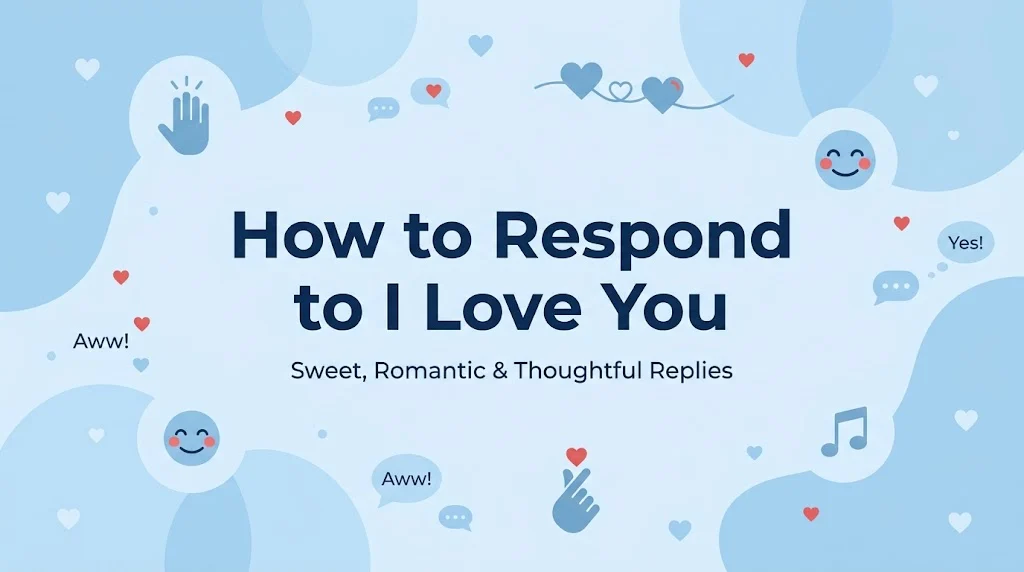
The best way to respond to I love you depends on how you feel and the relationship you share. You can return the affection, keep it sweet, make it playful, or respond honestly if you are not ready to say it back.
Top alternatives: I love you too, you mean so much to me, you have my whole heart, that means everything to me, I feel the same way
Three little words can make your heart race, your brain freeze, and your keyboard suddenly feel like advanced technology. Whether someone says it during a late-night text, sends it in a DM, whispers it on a date, or drops it unexpectedly in the middle of an ordinary conversation, “I love you” can create a very real emotional moment.
Your reply depends on the relationship, your feelings, and the kind of energy you want to bring to the moment. Maybe you are completely in love and want to say it back. Maybe you want something cute, funny, romantic, flirty, or deeply emotional. Or perhaps you care about the person but are not ready to return those words yet.
The good news? You do not need a perfect movie-style speech. A genuine response that sounds like you can make the moment even more meaningful. Here are plenty of ready-to-send ideas for every mood and situation.
Romantic Responses
- “I love you too, more than you know.”
Example: Use this when you want to return the affection with a little extra emotional depth.
Meaning: You feel strongly about the person and want them to know their love means a lot. - “You have my whole heart.”
Example: Use this during a romantic text when you want something short but meaningful.
Meaning: You are expressing deep emotional commitment. - “I fall for you a little more every day.”
Example: Use this when your relationship continues to grow stronger.
Meaning: Your feelings are becoming deeper over time. - “I have been waiting to hear you say that.”
Example: Use this when the confession has been something you secretly hoped for.
Meaning: Their words made you genuinely happy and relieved. - “You make loving you feel so easy.”
Example: Use this when you want to emphasize how natural your relationship feels.
Meaning: Your connection feels comfortable and effortless. - “You are the best part of my days.”
Example: Use this in a sweet message to your partner after they express their feelings.
Meaning: Their presence brings significant happiness into your life. - “I love you with all my heart.”
Example: Use this when you want a classic and sincere romantic response.
Meaning: You are expressing wholehearted affection. - “You mean more to me than words can explain.”
Example: Use this when emotions feel too big for a simple reply.
Meaning: Your feelings are difficult to fully put into words. - “I choose you, every single day.”
Example: Use this when you want to communicate lasting commitment.
Meaning: Your love is an ongoing choice rather than a temporary feeling. - “You make my world feel brighter.”
Example: Use this when your partner has a positive influence on your life.
Meaning: Their presence makes your life happier. - “I am so lucky to have you.”
Example: Use this after receiving an affectionate message from someone special.
Meaning: You feel grateful for the relationship. - “My heart knew before I did.”
Example: Use this when you want a poetic romantic reply.
Meaning: Your feelings developed naturally before you consciously recognized them. - “You are exactly where my heart wants to be.”
Example: Use this during a deeply romantic conversation.
Meaning: You feel emotionally at home with the person. - “I love the life we are building together.”
Example: Use this with a long-term partner when talking about your future.
Meaning: You value both the relationship and the shared future. - “And I will never get tired of hearing that.”
Example: Use this when you want to respond warmly to a repeated expression of love.
Meaning: Their affection continues to make you happy.
Sweet Responses
- “Aww, I love you too.”
Example: Use this for a simple and affectionate text reply.
Meaning: You are returning the love warmly and naturally. - “That just made my whole day.”
Example: Use this when their message arrives unexpectedly.
Meaning: Their affection has genuinely brightened your mood. - “You are so sweet.”
Example: Use this when you want a soft response without making it overly dramatic.
Meaning: You appreciate their affectionate gesture. - “My heart just smiled.”
Example: Use this as a cute text when you want something playful and tender.
Meaning: Their words made you feel genuinely happy. - “I needed to hear that today.”
Example: Use this when their affection arrives during a difficult day.
Meaning: Their words gave you emotional comfort. - “You always know how to make me smile.”
Example: Use this when they regularly brighten your mood.
Meaning: You appreciate their positive effect on you. - “That means so much to me.”
Example: Use this when you want a sincere but simple response.
Meaning: Their feelings are important to you. - “Sending all that love right back.”
Example: Use this in a casual affectionate text.
Meaning: You are warmly returning their affection. - “You just made my heart happy.”
Example: Use this when their message makes you feel especially loved.
Meaning: Their words created a strong feeling of happiness. - “You are my favorite person.”
Example: Use this when you want to make your affection feel personal.
Meaning: You consider them especially important in your life. - “Stop being this adorable.”
Example: Use this when their message is unexpectedly cute.
Meaning: You are playfully overwhelmed by their affection. - “Okay, now I am smiling like an idiot.”
Example: Use this when their message catches you off guard in a cute way.
Meaning: Their words made you visibly happy. - “That was ridiculously sweet.”
Example: Use this after receiving a heartfelt message.
Meaning: You found their expression of affection especially touching. - “You make my heart feel so full.”
Example: Use this during a tender romantic moment.
Meaning: You feel emotionally fulfilled by their presence. - “I am keeping that message forever.”
Example: Use this when someone sends a particularly meaningful confession.
Meaning: Their words are memorable and precious to you.
Funny Responses
- “Finally, you admitted it.”
Example: Use this when you have been teasing each other about your feelings.
Meaning: You are playfully pretending their confession was obvious. - “I was wondering when you would catch up.”
Example: Use this when you want a confident joke after they confess.
Meaning: You are humorously acting as though you fell first. - “Well, this escalated beautifully.”
Example: Use this when the confession arrives unexpectedly.
Meaning: You are playfully acknowledging the sudden romantic turn. - “I love you too, unfortunately.”
Example: Use this with a partner who enjoys sarcastic humor.
Meaning: You are jokingly hiding genuine affection behind mock reluctance. - “Great, now we both have a problem.”
Example: Use this when you want a playful romantic comeback.
Meaning: You are joking that being in love has created a funny situation. - “You really went and made this emotional.”
Example: Use this when their confession catches you off guard.
Meaning: You are playfully pretending to be overwhelmed. - “Well, that explains the butterflies.”
Example: Use this when you have been feeling unusually nervous around them.
Meaning: You are connecting your feelings to the romantic confession. - “Okay, you win. I love you more.”
Example: Use this during a playful exchange with your partner.
Meaning: You are turning affection into a cute competition. - “Plot twist: I love you too.”
Example: Use this when you want a funny, internet-style reply.
Meaning: You are returning the confession in a playful way. - “I knew there was a reason I liked you.”
Example: Use this as a teasing response to someone you are already close to.
Meaning: You are jokingly confirming your affection. - “That is suspiciously adorable.”
Example: Use this when the confession is unusually sweet.
Meaning: You are teasing them while appreciating the affection. - “Oh no, now I have to be romantic.”
Example: Use this when you are usually the funny one in the relationship.
Meaning: You are joking about being pushed into an emotional moment. - “Well, my secret is officially out.”
Example: Use this when you feel the same way but had not said it yet.
Meaning: You are playfully revealing that you also had strong feelings. - “Brb, emotionally buffering.”
Example: Use this when the confession catches you completely off guard.
Meaning: You are humorously saying you need a moment to process the emotion. - “Okay, that was unfairly cute.”
Example: Use this when their confession is too adorable to ignore.
Meaning: You are playfully admitting that their words affected you.
Flirty Responses
- “Careful, I might fall even harder.”
Example: Use this when you want to turn the confession into a romantic flirt.
Meaning: Your attraction and affection are continuing to grow. - “Say it again, I like hearing it from you.”
Example: Use this when you want to encourage more affection.
Meaning: Their words make you feel especially wanted. - “You have no idea what you do to me.”
Example: Use this during a playful romantic conversation.
Meaning: Their presence has a powerful emotional effect on you. - “I love you too, handsome.”
Example: Use this when you want a direct romantic reply with a compliment.
Meaning: You are returning the affection while making the message more personal. - “I was hoping you would say that.”
Example: Use this when you have been waiting for them to confess.
Meaning: You wanted to hear their feelings confirmed. - “Now come here and prove it.”
Example: Use this with a partner when playful affection is already established.
Meaning: You are turning the emotional moment into a teasing romantic invitation. - “You are making it very hard not to kiss you.”
Example: Use this during an affectionate in-person moment.
Meaning: Their confession has intensified your romantic attraction. - “And what exactly are you planning to do about it?”
Example: Use this when you want a teasing follow-up.
Meaning: You are inviting playful romantic attention. - “Good, because I have been crushing on you hard.”
Example: Use this when the relationship is moving from flirting toward something deeper.
Meaning: You are openly admitting strong attraction. - “That sounds even better coming from you.”
Example: Use this when you want to make the confession feel intimate.
Meaning: Their voice and affection have a special effect on you. - “I love you too, but I might love your hugs more.”
Example: Use this when physical affection is part of your relationship.
Meaning: You are adding playful charm to a sincere response. - “You really know how to make me blush.”
Example: Use this after receiving an unexpected romantic confession.
Meaning: Their words made you feel shy and attracted. - “You are dangerously easy to fall for.”
Example: Use this when you want a charming romantic response.
Meaning: You find the person irresistibly attractive and lovable. - “Keep talking like that and I am yours forever.”
Example: Use this with someone you already share a strong bond with.
Meaning: Their affection makes you feel even more committed. - “I was already yours, honestly.”
Example: Use this when you want a confident romantic comeback.
Meaning: You are saying your heart was already committed to them.
Cute Responses
- “You have my heart, silly.”
Example: Use this with someone who enjoys playful affection.
Meaning: You are expressing love in a soft and teasing way. - “Aww, come here.”
Example: Use this when you want to answer affection with warmth instead of many words.
Meaning: You want to respond through closeness and affection. - “You are my happy place.”
Example: Use this when someone makes you feel safe and comfortable.
Meaning: Their presence gives you emotional happiness. - “I love your heart.”
Example: Use this when you want to compliment their personality rather than appearance.
Meaning: You deeply appreciate who they are. - “You make everything feel a little better.”
Example: Use this when their presence helps you through everyday moments.
Meaning: They have a comforting influence on your life. - “You are my favorite notification.”
Example: Use this for a cute texting response.
Meaning: Seeing their messages always makes you happy. - “My heart says same.”
Example: Use this when you want a short, modern reply.
Meaning: You feel the same affection. - “You are too precious.”
Example: Use this when their confession feels especially sweet.
Meaning: You deeply value their affectionate nature. - “Big feelings for my favorite human.”
Example: Use this as a playful message for someone special.
Meaning: You have strong affection for them. - “You make my little heart so happy.”
Example: Use this when you want an extra-cute response.
Meaning: Their love brings you genuine joy. - “I love being loved by you.”
Example: Use this when you want to appreciate how they treat you.
Meaning: Their way of showing affection makes you feel valued. - “You are my person.”
Example: Use this when the relationship feels especially close.
Meaning: You feel a deep sense of connection and belonging with them. - “Okay, that melted me.”
Example: Use this when their confession is unexpectedly adorable.
Meaning: Their words made you feel soft and emotionally touched. - “You just made my cheeks hurt from smiling.”
Example: Use this after receiving a sweet confession by text.
Meaning: Their words made you extremely happy. - “Love you right back, tiny bit more.”
Example: Use this when you enjoy playful competition over who loves whom more.
Meaning: You are affectionately claiming that your love is slightly stronger.
Chill And Casual Responses
- “Love you too.”
Example: Use this when you want a natural response without making the moment overly dramatic.
Meaning: You are sincerely returning the affection. - “Same here, honestly.”
Example: Use this with someone you are comfortable with.
Meaning: You feel exactly the same way. - “You know I love you too.”
Example: Use this when your feelings are already obvious between you.
Meaning: You are casually confirming mutual affection. - “Right back at you.”
Example: Use this for a relaxed text response.
Meaning: You are returning the affectionate sentiment. - “Love you more.”
Example: Use this when you want a familiar and playful response.
Meaning: You are affectionately claiming the stronger feeling. - “Always.”
Example: Use this when you want a short but meaningful reply.
Meaning: You are expressing lasting affection. - “You already know.”
Example: Use this when your relationship has an established emotional connection.
Meaning: You believe your feelings are obvious. - “Same energy over here.”
Example: Use this when you want a modern casual response.
Meaning: You are saying the feeling is mutual. - “You got me.”
Example: Use this when you want something relaxed and slightly playful.
Meaning: You are admitting that you have strong feelings too. - “Yeah, I am pretty fond of you too.”
Example: Use this when you want to be affectionate without sounding overly serious.
Meaning: You are lightly expressing genuine affection. - “Could not agree more.”
Example: Use this when you want a clever but simple response.
Meaning: You completely share the feeling. - “You are stuck with me now.”
Example: Use this when your relationship is already serious and playful.
Meaning: You are joking about staying together. - “Good, because I was about to say it.”
Example: Use this when you were also planning to confess.
Meaning: Their confession came at exactly the right moment. - “Well, that makes two of us.”
Example: Use this as a relaxed response when feelings are mutual.
Meaning: You are confirming that the love goes both ways. - “Yeah, you are kind of my favorite.”
Example: Use this when you want a casual but affectionate reply.
Meaning: You care about them deeply while keeping the tone relaxed.
Deep And Emotional Responses
- “I love you in ways I still do not know how to explain.”
Example: Use this when you want to express feelings that seem bigger than words.
Meaning: Your love feels profound and difficult to describe. - “You have become such an important part of my life.”
Example: Use this when your relationship has significantly changed your everyday world.
Meaning: Their presence has become deeply meaningful to you. - “I hope you always know how much you mean to me.”
Example: Use this during a heartfelt conversation with someone you deeply care about.
Meaning: You want them to feel secure in your affection. - “My life feels different with you in it.”
Example: Use this when someone has had a meaningful positive impact on you.
Meaning: Their presence has changed your emotional world. - “You make me feel understood in a way I never expected.”
Example: Use this when emotional understanding is a major part of your relationship.
Meaning: You deeply value the connection you share. - “I am grateful that our paths crossed.”
Example: Use this when reflecting on how you met and what the relationship means.
Meaning: You feel thankful that this person entered your life. - “You have given my heart a place to feel safe.”
Example: Use this when someone provides emotional comfort and security.
Meaning: You trust and feel emotionally secure with them. - “I love the person I am when I am with you.”
Example: Use this when the relationship brings out your best qualities.
Meaning: Their presence helps you feel confident and authentic. - “You have touched my life in ways you may never realize.”
Example: Use this when expressing profound gratitude and affection.
Meaning: Their impact on you is deeper than they may understand. - “I will always treasure what we share.”
Example: Use this when you want to express lasting appreciation.
Meaning: You consider the relationship deeply valuable. - “You are one of the most beautiful parts of my story.”
Example: Use this during a reflective romantic moment.
Meaning: You see the relationship as an important part of your life journey. - “I feel incredibly lucky that I get to love you.”
Example: Use this when you want to emphasize gratitude for the relationship.
Meaning: You view loving them as something precious. - “Your love means more to me than I can put into words.”
Example: Use this when you feel overwhelmed by their affection.
Meaning: Their love carries significant emotional value for you. - “Whatever happens, I will always care deeply about you.”
Example: Use this when discussing a complicated emotional situation.
Meaning: You are expressing enduring care. - “Thank you for trusting me with your heart.”
Example: Use this when someone opens up emotionally to you.
Meaning: You appreciate the vulnerability behind their confession.
Polite Responses
- “That is incredibly sweet of you to say.”
Example: Use this when you appreciate someone’s feelings but are not ready to say the same thing.
Meaning: You are acknowledging their affection respectfully. - “Thank you for being honest about how you feel.”
Example: Use this when someone makes a sincere confession.
Meaning: You appreciate their emotional openness. - “That really means a lot to me.”
Example: Use this when you want to respond warmly without immediately returning the words.
Meaning: You value their feelings and the trust behind them. - “I am glad you felt comfortable telling me.”
Example: Use this when someone shares vulnerable feelings.
Meaning: You want them to know their honesty is respected. - “You are very special to me too.”
Example: Use this when you care deeply but are not ready to use the same words.
Meaning: You are expressing affection while staying honest about your feelings. - “I really appreciate hearing that from you.”
Example: Use this when you want to respond graciously.
Meaning: Their words are meaningful to you. - “That is such a kind thing to say.”
Example: Use this when you want a gentle response.
Meaning: You appreciate the sentiment without making promises. - “I care about you very much.”
Example: Use this when you want to communicate genuine affection carefully.
Meaning: You have strong care for the person even if your feelings differ. - “Thank you for trusting me enough to say that.”
Example: Use this when the confession feels emotionally vulnerable.
Meaning: You respect their courage and honesty. - “I value what we have together.”
Example: Use this when you want to protect an important relationship.
Meaning: You appreciate the connection even if you are not ready for deeper commitment. - “You mean a lot to me.”
Example: Use this when you want a warm but measured response.
Meaning: The person is genuinely important to you. - “I am touched that you feel that way.”
Example: Use this when you want to acknowledge their emotions respectfully.
Meaning: Their affection has affected you positively. - “I really care about you, and I want to be honest about my feelings.”
Example: Use this when you need to respond thoughtfully to a serious confession.
Meaning: You want to balance kindness with emotional honesty. - “I appreciate you telling me how you feel.”
Example: Use this when you need time before giving a deeper response.
Meaning: You are acknowledging their honesty without making an immediate commitment. - “That means more than you probably realize.”
Example: Use this when their confession genuinely touches you.
Meaning: Their words have significant emotional value.
When You Are Not Ready
- “I care about you deeply, but I am not ready to say those words yet.”
Example: Use this when you have strong feelings but need more time.
Meaning: You are being honest without rejecting the person. - “Thank you for telling me. I need some time to understand my feelings.”
Example: Use this when the confession catches you by surprise.
Meaning: You want space to process your emotions before responding further. - “You mean a lot to me, and I do not want to rush this.”
Example: Use this when you value the relationship but want to move slowly.
Meaning: You prefer genuine emotional development over pressure. - “I am really happy you told me, but I am not ready to say it back.”
Example: Use this when you want to be direct but gentle.
Meaning: You appreciate their honesty while maintaining your emotional boundary. - “I care about you too, but I want to take things at my own pace.”
Example: Use this when the relationship is becoming serious quickly.
Meaning: You need time and emotional space. - “I do not want to say something just because I feel pressured.”
Example: Use this when someone expects an immediate confession in return.
Meaning: You want your words to be authentic. - “I want to be honest rather than say something I do not fully mean.”
Example: Use this when you need to avoid giving false reassurance.
Meaning: You value honesty over pleasing someone temporarily. - “I am still figuring out what I feel.”
Example: Use this when your emotions are genuinely uncertain.
Meaning: You have not reached a clear conclusion yet. - “You are important to me, and I hope you can give me some time.”
Example: Use this when you want to preserve the relationship while processing your feelings.
Meaning: You need patience rather than pressure. - “I appreciate your feelings, and I want to handle them carefully.”
Example: Use this when the confession feels serious.
Meaning: You want to respond thoughtfully and respectfully. - “I would rather let my feelings grow naturally.”
Example: Use this when you believe emotional connection should develop gradually.
Meaning: You do not want to force romantic feelings. - “I am not there yet, but I value what we have.”
Example: Use this when you care about the person but are not in love.
Meaning: You are being honest while protecting the relationship. - “I hope you know that my hesitation is not meant to hurt you.”
Example: Use this when you worry the other person may take your response personally.
Meaning: You want to explain that needing time is not the same as rejection. - “I want my answer to be real when I say it.”
Example: Use this when someone wants you to return the confession immediately.
Meaning: You want emotional honesty rather than a forced response. - “Can we take a little time and let this unfold naturally?”
Example: Use this when you want to continue exploring the relationship without pressure.
Meaning: You prefer patience and authenticity.
When You Do Not Feel The Same
- “I care about you, but I do not feel the same way.”
Example: Use this when you need to be honest without being unnecessarily harsh.
Meaning: You are clearly communicating that your romantic feelings are different. - “Thank you for being honest. I want to be honest with you too.”
Example: Use this when someone makes a sincere confession.
Meaning: You are preparing to respond respectfully and truthfully. - “You deserve an honest answer, even if it is difficult to hear.”
Example: Use this when the conversation is emotionally serious.
Meaning: You believe honesty is kinder than false hope. - “I value you, but I do not see us romantically.”
Example: Use this when you want to clearly define the relationship.
Meaning: You appreciate the person without sharing romantic feelings. - “I respect your feelings, but mine are different.”
Example: Use this when you want a mature and direct response.
Meaning: You acknowledge their emotions while stating your own. - “I do not want to lead you on.”
Example: Use this when you know you cannot return their feelings.
Meaning: You want to prevent misunderstanding or false expectations. - “You are a wonderful person, but I do not feel that romantic connection.”
Example: Use this when you want to reject someone kindly.
Meaning: You are separating their worth from your romantic feelings. - “I hope we can be honest about where we both stand.”
Example: Use this when you want a mature conversation about the relationship.
Meaning: You want clarity instead of confusion. - “I am grateful for your honesty, and I hope you respect mine too.”
Example: Use this when emotions are running high.
Meaning: You are asking for mutual respect while being truthful. - “I care about you, just not in the same way.”
Example: Use this when you want a concise but compassionate answer.
Meaning: Your affection exists but is not romantic. - “I do not want to pretend I feel something I do not.”
Example: Use this when you need to make your position unmistakably clear.
Meaning: You prioritize emotional honesty. - “I hope you do not measure your worth by my feelings.”
Example: Use this when rejecting someone you genuinely respect.
Meaning: Their lack of romantic connection does not reflect the person’s value. - “I think honesty is the kindest thing I can give you right now.”
Example: Use this when you need to have a difficult emotional conversation.
Meaning: You believe clarity is more compassionate than false hope. - “I am sorry if this is not what you hoped to hear.”
Example: Use this after giving an honest rejection.
Meaning: You recognize that your answer may hurt them. - “I genuinely wish you happiness, even if it is not with me.”
Example: Use this when ending a romantic possibility respectfully.
Meaning: You sincerely want the other person to find a fulfilling relationship.
Confident Responses
- “I love you too, and I am not afraid to say it.”
Example: Use this when you want to express your feelings openly and confidently.
Meaning: You are comfortable being vulnerable about your love. - “I know what I feel, and I feel the same way.”
Example: Use this when you want a strong, straightforward reply.
Meaning: You are certain about your emotions. - “You already know you have my heart.”
Example: Use this when the relationship has a strong emotional foundation.
Meaning: You are confidently confirming your devotion. - “Absolutely. No hesitation.”
Example: Use this when someone confesses and you immediately want to confirm mutual feelings.
Meaning: Your affection is certain. - “I have never been more sure about someone.”
Example: Use this during a serious romantic moment.
Meaning: You feel unusually confident about the relationship. - “I choose you too.”
Example: Use this when the conversation is about commitment and mutual affection.
Meaning: You are expressing deliberate emotional commitment. - “There is no question about how I feel.”
Example: Use this when you want to remove any uncertainty.
Meaning: Your love is clear and genuine. - “You have my heart, and you know it.”
Example: Use this when you want a confident romantic reply.
Meaning: You are openly acknowledging your attachment. - “I love you, and I am proud of that.”
Example: Use this when you want to embrace your feelings without embarrassment.
Meaning: You feel confident about your relationship. - “I knew exactly how I felt before you even asked.”
Example: Use this when your feelings have been obvious to you for a while.
Meaning: Your affection is established and certain. - “You never have to wonder where my heart is.”
Example: Use this when reassuring a partner about your commitment.
Meaning: You want them to feel emotionally secure. - “I am all in.”
Example: Use this when you want a short and powerful romantic response.
Meaning: You are fully committed emotionally. - “I love you, and I mean every word.”
Example: Use this during an important or serious relationship moment.
Meaning: Your confession is completely sincere. - “You are not getting rid of me that easily.”
Example: Use this with a long-term partner for a playful confident response.
Meaning: You are jokingly promising to stay. - “My heart made its decision a long time ago.”
Example: Use this when you want a confident and slightly poetic reply.
Meaning: You feel deeply committed to the person.
Long-Distance Responses
- “I love you from here to wherever you are.”
Example: Use this when distance separates you from someone you love.
Meaning: Physical distance does not reduce your emotional connection. - “Miles cannot change how I feel about you.”
Example: Use this when reassuring a long-distance partner.
Meaning: Your feelings remain strong despite being apart. - “I wish I could hug you right now.”
Example: Use this after receiving an affectionate message while apart.
Meaning: You miss physical closeness with them. - “I love you, even on the days the distance feels heavy.”
Example: Use this during a difficult long-distance period.
Meaning: Your affection remains steady despite emotional challenges. - “You are far away, but never far from my thoughts.”
Example: Use this when you want something romantic and reassuring.
Meaning: You think about the person even when they are physically distant. - “Counting the days until I can say it to your face.”
Example: Use this when you are planning to reunite soon.
Meaning: You are excited about being together again. - “I love you more than this distance frustrates me.”
Example: Use this when distance has become emotionally tiring.
Meaning: Your love remains stronger than your frustration. - “Consider this a long-distance hug.”
Example: Use this in a cute text conversation.
Meaning: You are sending affection despite being unable to hug them physically. - “Wish you were here, as always.”
Example: Use this when you miss your partner during an ordinary moment.
Meaning: Their absence is noticeable because you want them nearby. - “One day closer to being together again.”
Example: Use this when distance feels difficult.
Meaning: You are focusing on the hope of reunion. - “Our connection does not need the same postcode.”
Example: Use this as a playful modern long-distance reply.
Meaning: You believe emotional closeness can exist despite physical distance. - “You are still my favorite person, even from miles away.”
Example: Use this during a sweet late-night text.
Meaning: Distance has not changed your affection. - “I cannot wait until distance is just a story we tell.”
Example: Use this when imagining a future together.
Meaning: You hope the separation will eventually end. - “Until I can hold you again, this message will have to do.”
Example: Use this when you miss physical affection.
Meaning: You wish you could express your love in person. - “Different places, same heart.”
Example: Use this as a short romantic message.
Meaning: You feel emotionally connected despite being apart.
Playful Responses
- “Took you long enough.”
Example: Use this when you have been waiting for someone to admit their feelings.
Meaning: You are teasing them while happily accepting the confession. - “I was hoping you would say that.”
Example: Use this when you secretly wanted them to confess first.
Meaning: Their words confirm something you already hoped was true. - “Well, now you are making this interesting.”
Example: Use this when the confession changes the mood of the conversation.
Meaning: You are playfully acknowledging the romantic development. - “Guess we are both hopeless now.”
Example: Use this when you are both clearly in love.
Meaning: You are joking about being emotionally invested in each other. - “Look who finally caught feelings.”
Example: Use this when teasing someone who took a while to confess.
Meaning: You are playfully celebrating their admission. - “That is adorable. Come here.”
Example: Use this when you want to combine teasing with affection.
Meaning: You appreciate the confession and want closeness. - “I knew it. I just wanted confirmation.”
Example: Use this when their feelings seemed obvious.
Meaning: You are playfully acting like you already knew. - “Okay, romantic era officially unlocked.”
Example: Use this when a relationship becomes more openly affectionate.
Meaning: You are joking about entering a new romantic phase. - “You really said that with your whole chest.”
Example: Use this when someone confidently confesses their feelings.
Meaning: You are playfully impressed by their honesty. - “Well, this is cute and slightly dangerous.”
Example: Use this when the romantic tension is strong.
Meaning: You are teasingly acknowledging how intense the moment feels. - “I blame you for making me this soft.”
Example: Use this when you normally have a sarcastic personality.
Meaning: Their affection has brought out your softer side. - “Congratulations, you made me smile.”
Example: Use this when you want a playful but sincere reaction.
Meaning: Their confession genuinely made you happy. - “Fine, I will keep you.”
Example: Use this with someone you are already deeply close to.
Meaning: You are jokingly expressing that you want them around. - “You are lucky I am obsessed with you too.”
Example: Use this when you want exaggerated playful affection.
Meaning: You are humorously emphasizing how strongly you care. - “Okay, you win this round.”
Example: Use this when you regularly tease each other about who cares more.
Meaning: You are playfully conceding the romantic moment.
FAQs
What does it mean when someone says “I love you”?
It usually expresses strong affection, emotional attachment, romantic feelings, or deep care, depending on the relationship and context.
What is the best way to respond if you love them too?
Keep it genuine. “I love you too” is often enough, but you can add a personal detail such as “I love you too, and you make my life happier.”
What if I am not ready to say it back?
You do not have to force yourself. Thank them for being honest, acknowledge their feelings, and explain that you need more time.
Can the phrase have a flirty meaning?
Yes. In a romantic relationship, it can be paired with playful teasing, compliments, or affectionate flirting depending on your comfort level.
What should I say if I do not feel the same way?
Be kind but clear. A response such as “I care about you, but I do not feel the same way” avoids giving false hope.
Conclusion
There is no single perfect way to respond when someone opens their heart to you. Sometimes the best answer is a simple “I love you too.” Other times, a funny comeback, a sweet message, a flirty line, or an honest explanation feels much more natural. What matters most is that your response matches your feelings and the relationship you share.
Words can shape a moment, but authenticity makes them memorable. Do not worry about sounding like a romance movie character. Speak in a way that feels like you. Whether you are texting your partner, replying to a crush, handling an unexpected confession, or simply looking for a cute comeback, there is a response here for your mood.
Save this list for your next heart-fluttering moment, share it with someone who needs it, and keep a few favorites ready for when words suddenly disappear.
Discover More Related Articles:

Jennifer Wilson is an experienced writer and content creator with over 20 years of expertise in digital publishing, lifestyle, and informative content. Holding a degree in English Literature, she contributes to Responary.Com, where she shares engaging, well-researched articles that help readers stay informed and inspired.