Quick Answer
The best app store reply to reviews should acknowledge the user’s experience, show appreciation, and address concerns clearly without sounding robotic. Try these: Thanks for your feedback, We appreciate your review, Glad you are enjoying the app, Sorry you experienced this issue, Thanks for helping us improve
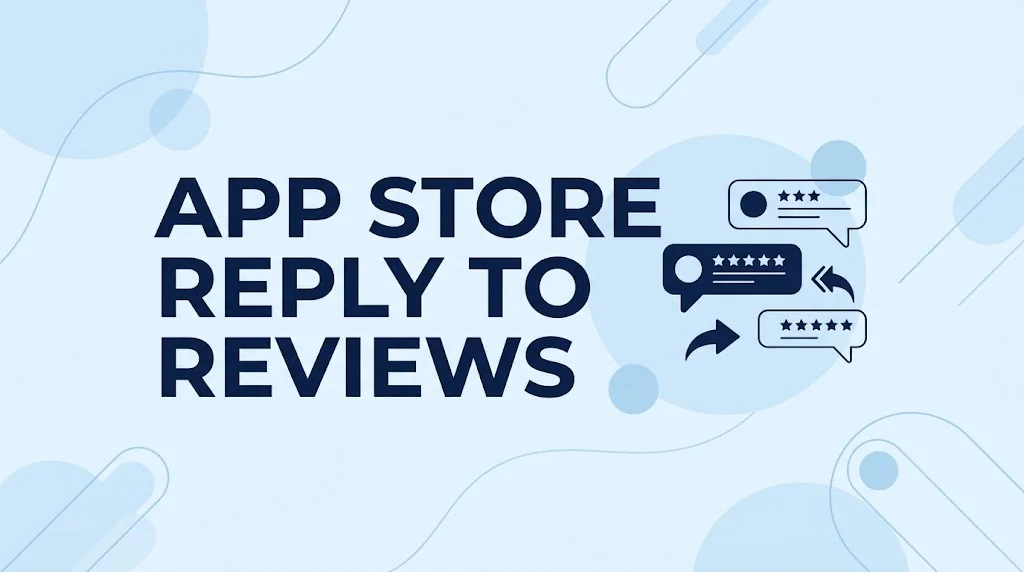
Writing an app store reply to reviews can feel surprisingly tricky. A five-star review deserves more than a boring “Thanks!” while a frustrated one needs a response that shows you are actually listening. Whether you are replying to happy users, handling complaints, addressing bugs, or responding to feature requests, the right words can make your app look more trustworthy and your brand feel more human.
Your replies may be read by potential customers before they download the app, so every response is part customer service and part public conversation. The goal is not to win an argument in the review section. It is to acknowledge the user, communicate clearly, and show that feedback matters. Below, you will find ready-to-use replies for positive, negative, funny, short, professional, and tricky app reviews.
Positive Review Responses
- Thanks so much for the amazing review!
Use this when a user leaves a very positive review.
Meaning: You are showing genuine appreciation for their support. - We are so glad you are enjoying the app!
Use this when someone says they love using your app.
Meaning: You are acknowledging their positive experience. - Thank you for taking the time to share your experience.
Use this for thoughtful and detailed reviews.
Meaning: You appreciate both their feedback and their effort. - Your feedback made our day! Thanks for the support.
Use this when a user leaves an enthusiastic review.
Meaning: You are responding warmly and personally. - We truly appreciate your kind words.
Use this for polished responses to positive reviews.
Meaning: You are expressing sincere gratitude. - Thanks for being part of our app community!
Use this when you want to build a sense of connection.
Meaning: You are making the user feel valued. - We are thrilled to hear the app is working well for you.
Use this when a user specifically praises the app’s performance.
Meaning: You are confirming that their positive experience matters. - Thanks for the five stars! We really appreciate it.
Use this for short, enthusiastic reviews.
Meaning: You are directly acknowledging their rating. - It means a lot to hear that you are enjoying the app.
Use this for heartfelt positive feedback.
Meaning: You are showing that their opinion has value. - We are happy to have you with us!
Use this when a user expresses long-term satisfaction.
Meaning: You are reinforcing a friendly relationship. - Thanks for the love and support!
Use this for casual and enthusiastic reviews.
Meaning: You are matching the user’s positive energy. - We appreciate your wonderful feedback!
Use this when you want a professional but friendly response.
Meaning: You are acknowledging their positive comments. - So glad the app is making things easier for you!
Use this when the reviewer mentions convenience.
Meaning: You are highlighting the benefit they experienced. - Thank you for recommending us!
Use this when someone says they would recommend the app.
Meaning: You are recognizing their trust in your product. - We hope to keep making your experience even better!
Use this after a particularly positive review.
Meaning: You are showing commitment to continued improvement.
Five-Star Review Responses
- Thank you for the five stars! We appreciate you.
Use this for a simple five-star rating with little text.
Meaning: You are thanking the user for their support. - Five stars made our day! Thank you!
Use this for a cheerful brand response.
Meaning: You are celebrating the positive rating. - We appreciate the five-star love!
Use this for a casual app brand voice.
Meaning: You are responding enthusiastically to their rating. - Thanks for rating us five stars!
Use this when the review contains only a rating.
Meaning: You are directly acknowledging their support. - We are grateful for your five-star review!
Use this for a polished response.
Meaning: You are expressing appreciation professionally. - That five-star rating means a lot to our team.
Use this when you want to sound personal.
Meaning: You are showing that every positive review matters. - Thanks for helping our app shine!
Use this for a playful five-star response.
Meaning: You are connecting their rating with the app’s success. - We could not ask for a better rating. Thank you!
Use this for an enthusiastic response.
Meaning: You are showing excitement about their feedback. - Your five stars are officially appreciated!
Use this for a lighthearted brand personality.
Meaning: You are making a simple thank-you more memorable. - Thanks for the fantastic rating and support!
Use this for a professional-friendly response.
Meaning: You are thanking them for supporting the app. - Five stars received and greatly appreciated!
Use this when you need a concise response.
Meaning: You are confirming that their rating was noticed. - Thank you for helping our app grow!
Use this when reviews are important to your app’s growth.
Meaning: You are explaining why their rating matters. - We are smiling over here. Thanks for the five stars!
Use this for a playful and human response.
Meaning: You are showing genuine excitement. - Your support keeps us motivated. Thank you!
Use this for loyal users.
Meaning: You are connecting their review with your team’s motivation. - We are incredibly grateful for the five-star feedback!
Use this when you want a warm professional reply.
Meaning: You are expressing strong appreciation.
Short And Simple Responses
- Thanks for your feedback!
Use this when you need a quick universal reply.
Meaning: You are acknowledging the user’s review. - We appreciate your support!
Use this for positive reviews.
Meaning: You are thanking the user for supporting the app. - Thanks for using our app!
Use this for brief positive reviews.
Meaning: You are appreciating their continued use. - We are glad you enjoyed it!
Use this after a positive experience.
Meaning: You are recognizing their satisfaction. - Thank you for sharing!
Use this for reviews containing useful feedback.
Meaning: You are appreciating their willingness to share. - We appreciate you!
Use this for casual brand communication.
Meaning: You are making the reply feel personal. - Thanks for the kind words!
Use this after a complimentary review.
Meaning: You are responding directly to their praise. - Glad to hear it!
Use this for short positive reviews.
Meaning: You are showing happiness about their experience. - Thanks for being here!
Use this for a friendly brand voice.
Meaning: You are making the user feel welcome. - We are listening!
Use this when a review includes constructive feedback.
Meaning: You are showing that user feedback matters. - Thanks for letting us know!
Use this when a user reports an issue.
Meaning: You are acknowledging the information without becoming defensive. - We appreciate the feedback!
Use this for both positive and constructive reviews.
Meaning: You are showing that the review has been noticed. - Happy to hear that!
Use this for positive comments.
Meaning: You are responding warmly and naturally. - Thanks for your support!
Use this for loyal users.
Meaning: You are expressing appreciation for their continued engagement. - We are glad you are with us!
Use this when you want a friendly closing.
Meaning: You are reinforcing a positive relationship with the user.
Professional Responses
- Thank you for taking the time to leave your feedback.
Use this for formal brand communication.
Meaning: You are respectfully acknowledging the user’s effort. - We sincerely appreciate your feedback and support.
Use this for professional app responses.
Meaning: You are expressing gratitude in a polished way. - Thank you for sharing your experience with us.
Use this for detailed reviews.
Meaning: You are recognizing the value of their experience. - We appreciate your continued support of our app.
Use this for returning users.
Meaning: You are acknowledging their ongoing relationship with the app. - Your feedback is valuable to our team.
Use this when a reviewer provides suggestions.
Meaning: You are communicating that their opinion can help improve the product. - Thank you for bringing this to our attention.
Use this when someone reports a problem.
Meaning: You are acknowledging the issue without becoming defensive. - We appreciate your patience and understanding.
Use this when an issue requires time to resolve.
Meaning: You are thanking the user for remaining patient. - We are committed to providing a better experience for our users.
Use this after constructive criticism.
Meaning: You are communicating a commitment to improvement. - Thank you for your thoughtful review.
Use this when the reviewer provides detailed comments.
Meaning: You are showing appreciation for their effort. - We value your feedback and appreciate you sharing it with us.
Use this for suggestions or concerns.
Meaning: You are emphasizing that their feedback is taken seriously. - Thank you for helping us identify areas where we can improve.
Use this after constructive criticism.
Meaning: You are framing criticism as useful information. - We appreciate your honest feedback.
Use this when the review includes both positives and negatives.
Meaning: You are recognizing their honesty. - Your experience matters to us, and we appreciate you reaching out.
Use this when responding to a frustrated reviewer.
Meaning: You are showing empathy without making unsupported promises. - Thank you for giving us the opportunity to improve.
Use this when a user reports a problem.
Meaning: You are treating criticism as an opportunity for development. - We appreciate your time and feedback.
Use this for a clean professional closing.
Meaning: You are ending the response respectfully.
Responses To Negative Reviews
- We are sorry to hear that your experience did not meet expectations.
Use this when a user is disappointed with the app.
Meaning: You are acknowledging their dissatisfaction respectfully. - Thank you for bringing this issue to our attention.
Use this when someone reports a specific problem.
Meaning: You are showing that the complaint has been heard. - We understand how frustrating this can be.
Use this when a reviewer describes a frustrating experience.
Meaning: You are acknowledging the emotional impact of the issue. - We would like to understand what happened and help.
Use this when more information is needed.
Meaning: You are inviting the user toward a solution. - We are sorry you encountered this issue.
Use this for technical complaints.
Meaning: You are acknowledging the problem without blaming the user. - Thank you for the honest feedback.
Use this when a negative review contains useful criticism.
Meaning: You are showing that criticism can be valuable. - We take feedback like this seriously.
Use this when a user reports a recurring concern.
Meaning: You are communicating that the complaint deserves attention. - We appreciate you letting us know about this experience.
Use this when a user describes a problem.
Meaning: You are thanking them for reporting the issue. - We are sorry this caused frustration.
Use this when the user’s main concern is inconvenience.
Meaning: You are acknowledging the frustration caused by the experience. - Your feedback helps us identify where we need to do better.
Use this when responding to constructive criticism.
Meaning: You are recognizing the role of feedback in improvement. - We understand your concern and appreciate you sharing it.
Use this when a reviewer raises a legitimate concern.
Meaning: You are responding empathetically without arguing. - We would appreciate the chance to look into this further.
Use this when the issue requires additional details.
Meaning: You are inviting the user to provide information for investigation. - We are continually working to improve the experience.
Use this when addressing general dissatisfaction.
Meaning: You are communicating ongoing improvement efforts. - Thanks for giving us the opportunity to address this.
Use this when responding to a serious complaint.
Meaning: You are keeping the conversation constructive. - We hope we can provide a better experience going forward.
Use this as a respectful closing.
Meaning: You are expressing a desire to improve future interactions.
Bug And Technical Issue Responses
- Thanks for reporting this issue. Our team will look into it.
Use this when a user identifies a technical bug.
Meaning: You are acknowledging the report and indicating that it needs investigation. - We are sorry you ran into this problem.
Use this for crashes, glitches, or errors.
Meaning: You are showing empathy for the inconvenience. - Thank you for helping us spot this bug.
Use this when the user’s report provides useful technical information.
Meaning: You are recognizing their role in identifying a problem. - We appreciate the detailed report.
Use this when a reviewer explains exactly what went wrong.
Meaning: You are valuing the information they provided. - We understand how frustrating technical issues can be.
Use this when an app feature is not working correctly.
Meaning: You are acknowledging the user’s frustration. - Thanks for bringing this to our attention.
Use this for newly reported technical problems.
Meaning: You are confirming that the issue has been noticed. - We are looking into the behavior you described.
Use this when the team needs to investigate.
Meaning: You are communicating that the reported behavior deserves attention. - We appreciate your patience while we work on improvements.
Use this when an issue may take time to address.
Meaning: You are asking for patience without dismissing the concern. - Sorry about the trouble, and thanks for reporting it.
Use this for a friendly response to a bug report.
Meaning: You are combining an apology with appreciation. - Your report helps us make the app better. Thank you.
Use this when a user provides useful technical feedback.
Meaning: You are showing how their feedback contributes to improvement. - We appreciate you taking the time to describe the issue.
Use this when the review includes useful troubleshooting details.
Meaning: You are thanking them for providing actionable information. - We are sorry the feature did not work as expected.
Use this when a specific function fails.
Meaning: You are acknowledging that the app did not meet expectations. - Thanks for flagging this for us.
Use this for a short and friendly technical reply.
Meaning: You are acknowledging the user’s report. - We are working to make the experience more reliable.
Use this when users report repeated technical problems.
Meaning: You are communicating a focus on reliability. - Thank you for helping us improve the app.
Use this as a positive closing after a bug complaint.
Meaning: You are turning a difficult interaction into a constructive one.
Feature Request Responses
- Thanks for the suggestion! We appreciate the idea.
Use this when a user requests a new feature.
Meaning: You are acknowledging their suggestion positively. - That is a great feature idea. Thanks for sharing it!
Use this when the request is particularly useful.
Meaning: You are showing enthusiasm without promising implementation. - We appreciate the feature suggestion.
Use this for professional responses.
Meaning: You are respectfully acknowledging the request. - Thanks for helping us understand what users want.
Use this when a review includes a detailed request.
Meaning: You are showing that user needs inform product thinking. - We will share your feedback with our team.
Use this when appropriate for your support process.
Meaning: You are indicating that the suggestion will be communicated internally. - Your idea has been noted. Thanks for the suggestion!
Use this for a short feature request reply.
Meaning: You are acknowledging the idea without guaranteeing action. - We love hearing ideas from our users.
Use this when encouraging future suggestions.
Meaning: You are inviting constructive engagement. - Thanks for helping us think about what could make the app better.
Use this for thoughtful feature suggestions.
Meaning: You are recognizing the value of their idea. - We appreciate you taking the time to suggest this.
Use this for detailed feature requests.
Meaning: You are thanking them for contributing. - That is definitely an interesting suggestion. Thanks!
Use this when you want a neutral but friendly response.
Meaning: You are acknowledging the idea without making a commitment. - Thanks for sharing what would make the app more useful for you.
Use this when the request is based on a specific need.
Meaning: You are recognizing the user’s perspective. - We appreciate the thoughtful suggestion.
Use this for a detailed product request.
Meaning: You are showing that the request received attention. - User feedback helps shape future improvements.
Use this when discussing potential changes.
Meaning: You are explaining why feature requests matter. - Thanks for the idea! We are always looking for ways to improve.
Use this for a friendly brand response.
Meaning: You are showing openness to improvement. - Keep the suggestions coming!
Use this when your brand has a casual personality.
Meaning: You are encouraging users to continue providing ideas.
Funny Responses
- Thanks for the five stars! Our coffee budget just improved.
Use this for a playful response to a glowing review.
Meaning: You are joking about how much positive reviews help the team. - We read this review and did a tiny happy dance.
Use this for an enthusiastic five-star review.
Meaning: You are expressing excitement in a humorous way. - Okay, this review just made our entire team smile.
Use this after an unusually sweet review.
Meaning: You are playfully showing how much the feedback means. - Adding this review to our imaginary trophy cabinet.
Use this when someone leaves an exceptionally positive comment.
Meaning: You are jokingly treating the review like an award. - Five stars? You are officially one of our favorite people today.
Use this for a casual brand voice.
Meaning: You are humorously rewarding their positive rating. - We promise not to let this review go to our heads.
Use this after an enthusiastic compliment.
Meaning: You are responding with playful humility. - BRB, showing this review to everyone on the team.
Use this when the review is especially complimentary.
Meaning: You are jokingly emphasizing how much you enjoyed reading it. - This review deserves a virtual high-five.
Use this for friendly and upbeat feedback.
Meaning: You are celebrating the user’s positive experience. - Well, now we have to keep being awesome. No pressure.
Use this after a glowing review.
Meaning: You are joking about maintaining high expectations. - Screenshotting this for team morale.
Use this when someone writes an especially kind review.
Meaning: You are humorously showing how motivating the feedback is. - Our notification just got a lot happier.
Use this after receiving a positive review.
Meaning: You are giving the review a playful emotional effect. - We came for the review and stayed for the compliments.
Use this for a humorous response to praise.
Meaning: You are playfully acknowledging their kind words. - You understood the assignment. Five stars!
Use this for a fun social-media-style brand voice.
Meaning: You are enthusiastically celebrating the rating. - This review has officially entered our good-mood department.
Use this after a cheerful review.
Meaning: You are jokingly saying the review improved the team’s mood. - Thanks for making our review section look this good!
Use this for an upbeat response to positive feedback.
Meaning: You are thanking the user for contributing a positive review.
Responses To Angry Reviews
- We understand why this experience was frustrating, and we appreciate you telling us about it.
Use this when a reviewer is clearly upset.
Meaning: You are acknowledging their frustration without arguing. - We are sorry that the experience left you disappointed.
Use this when the complaint is about overall dissatisfaction.
Meaning: You are recognizing the user’s disappointment. - Thank you for sharing your concerns. We take them seriously.
Use this when a review raises significant issues.
Meaning: You are communicating that their concerns matter. - We understand your frustration and would like to learn more about what happened.
Use this when details are missing.
Meaning: You are inviting constructive follow-up. - We are sorry this happened and appreciate you bringing it to our attention.
Use this after a serious complaint.
Meaning: You are combining empathy with acknowledgment. - We know how frustrating it can be when an app does not work as expected.
Use this for technical or usability complaints.
Meaning: You are validating the inconvenience. - Your feedback is important, even when the experience has been disappointing.
Use this when the user is highly critical.
Meaning: You are emphasizing that negative feedback is still valuable. - We are listening, and we appreciate you sharing your experience.
Use this for emotionally charged reviews.
Meaning: You are keeping the response calm and respectful. - We are sorry we did not deliver the experience you expected.
Use this when the app clearly failed to meet expectations.
Meaning: You are taking responsibility for the user’s experience without arguing. - Thank you for giving us the chance to understand what went wrong.
Use this when more information is needed.
Meaning: You are inviting the conversation toward resolution. - We understand your concern and appreciate your honesty.
Use this for strongly worded criticism.
Meaning: You are responding respectfully rather than defensively. - We are committed to learning from feedback like yours.
Use this when the complaint identifies a recurring issue.
Meaning: You are emphasizing improvement. - We are sorry for the inconvenience and appreciate your patience.
Use this when the problem has caused disruption.
Meaning: You are acknowledging the inconvenience respectfully. - Your experience matters, and we are sorry it fell short.
Use this when the user feels ignored or disappointed.
Meaning: You are validating their experience. - We appreciate you bringing this to us so we can better understand the issue.
Use this as a calm closing for a difficult review.
Meaning: You are keeping the conversation focused on understanding and improvement.
Responses To Funny Reviews
- We see what you did there, and we approve.
Use this when a user makes a clever joke in their review.
Meaning: You are showing that the brand understands their humor. - Okay, this review deserves its own comedy special.
Use this for an unusually funny review.
Meaning: You are enthusiastically praising their sense of humor. - We laughed, we read it again, and we laughed again.
Use this when the review genuinely makes you laugh.
Meaning: You are emphasizing how entertaining their review was. - Five stars for the review and five stars for the comedy.
Use this when a user combines praise with humor.
Meaning: You are playfully complimenting both the rating and the joke. - Our team needed this laugh today. Thank you!
Use this when the review brightens the team’s day.
Meaning: You are showing genuine appreciation for their humor. - We were not prepared for that review. Absolutely brilliant.
Use this after an unexpected funny comment.
Meaning: You are enthusiastically acknowledging their wit. - Adding this review to our unofficial hall of fame.
Use this for memorable funny feedback.
Meaning: You are jokingly giving their review special status. - You understood the assignment and then added comedy.
Use this for a clever review.
Meaning: You are praising both their feedback and humor. - We cannot decide what we like more, the review or the rating.
Use this for a funny positive review.
Meaning: You are playfully celebrating their contribution. - This review deserves a standing ovation.
Use this when someone writes something particularly clever.
Meaning: You are humorously showing strong appreciation. - Well played. Thanks for the laugh!
Use this for short witty reviews.
Meaning: You are acknowledging the joke with playful respect. - We have officially added this review to today’s serotonin supply.
Use this for a fun internet-style response.
Meaning: You are joking that their review improved your mood. - You just made our review section way more entertaining.
Use this for humorous user feedback.
Meaning: You are thanking them for adding personality to the review section. - Okay, that was actually hilarious. Thank you!
Use this when the humor is straightforward and funny.
Meaning: You are giving a genuine compliment. - Keep the jokes coming, and thanks for the support!
Use this for a user who regularly leaves playful feedback.
Meaning: You are encouraging their humor while appreciating their support.
FAQs
How should I reply to a positive app review?
Thank the user, acknowledge something specific when possible, and keep the response friendly and authentic.
How do I respond to a negative app review?
Stay calm, acknowledge the user’s frustration, thank them for the feedback, and invite them to provide more information when needed.
Should every app review receive a reply?
Replying consistently can help show users that feedback matters, although the exact approach depends on your review volume and available support resources.
What should I say to a one-star review?
Avoid arguing. Acknowledge the experience, thank the user for the feedback, and invite them to share more details if appropriate.
Can app store replies be funny?
Yes. Humor can work well for playful or positive reviews, but serious complaints usually call for empathy and professionalism.
Conclusion
A good app store reply does more than answer one reviewer. It shows future users how your brand communicates when things go well, when feedback is helpful, and when something goes wrong. Keep your responses human, specific, respectful, and appropriate for the situation.
For glowing reviews, show genuine appreciation. For feature requests, acknowledge the idea without making promises you cannot keep. And when a reviewer drops a hilarious comment, it is perfectly fine to have a little fun.
Save these responses as a starting point, adapt them to your brand voice, and keep your review section feeling like a real conversation instead of a customer-service robot factory.
Discover More Related Articles:

Richard Scott is an experienced author dedicated to creating compelling and well-researched content for online audiences. As a contributor to Responary.com, he enjoys sharing knowledge through clear, engaging, and informative articles that connect with readers worldwide.