Quick Answer
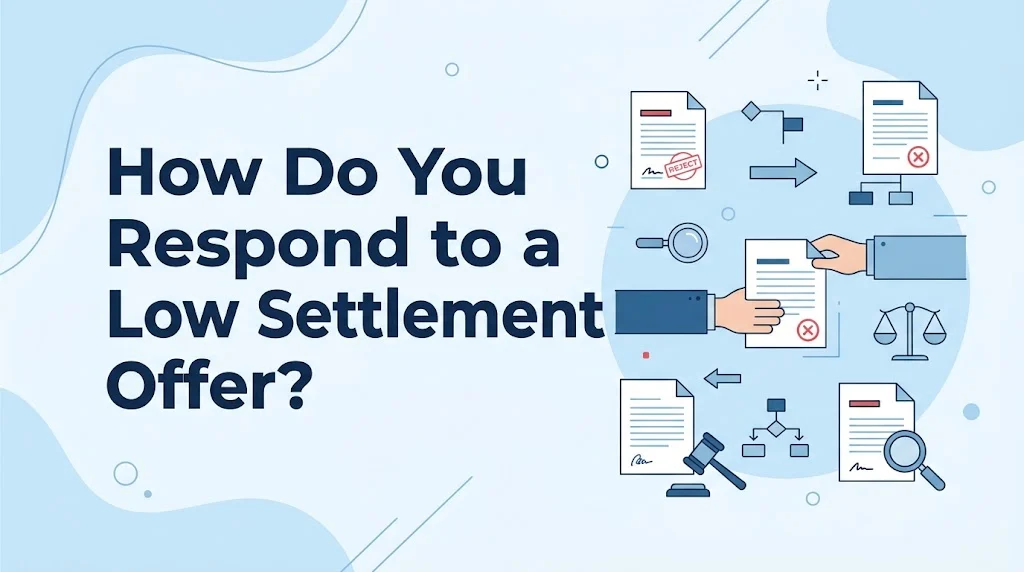
When you receive a low settlement offer, respond calmly and avoid accepting immediately. Thank you for the offer, but I cannot accept it, I believe the amount does not adequately reflect my losses, I would like to discuss a more reasonable amount, I am prepared to provide supporting documentation, Please reconsider your offer
Receiving a settlement offer that feels far below what you expected can be frustrating, especially when you have already spent time, money, and energy dealing with the underlying dispute. Whether the offer arrives by email, letter, phone call, or through a representative, your response can shape what happens next. The safest approach is usually to stay calm, avoid emotional language, and make your position clear without accidentally accepting terms you do not agree with.
A good response should acknowledge the offer, explain that you do not accept it as presented, and, where appropriate, point toward documentation or a counteroffer. From insurance claims and workplace disputes to personal injury matters and contract disagreements, the right wording can help keep negotiations professional and focused.
Professional Responses
- Thank you for your settlement offer. After reviewing it, I am unable to accept the proposed amount.
Use this when you want a straightforward written response to an offer you consider insufficient.
Meaning: You are clearly declining the current offer without unnecessarily escalating the discussion. - I appreciate your offer, but the proposed settlement does not adequately reflect the losses involved.
Use this when you want to explain your position without sounding confrontational.
Meaning: You are respectfully stating that the amount does not match your assessment of the losses. - Thank you for providing the settlement proposal. I have carefully considered the amount and cannot agree to it at this time.
Use this for a formal letter or email.
Meaning: You are declining the proposal while leaving room for further discussion. - After reviewing the offer and supporting information, I believe a higher settlement amount is appropriate.
Use this when you are prepared to continue negotiations.
Meaning: You are signaling that you expect the offer to be reconsidered. - I respectfully decline the current offer and remain open to discussing a more reasonable resolution.
Use this when you want to reject the offer without closing negotiations.
Meaning: You are declining the proposal while keeping communication open. - The proposed amount does not adequately account for the documented losses associated with this matter.
Use this when you have records supporting your position.
Meaning: You are grounding your response in documentation rather than emotion. - I appreciate the opportunity to review the proposal and would welcome further discussion regarding the settlement amount.
Use this when you want to keep negotiations moving.
Meaning: You are declining to accept the offer while inviting another conversation. - I cannot accept the settlement as currently proposed. Please let me know whether you are willing to reconsider the amount.
Use this when you want a direct response from the other side.
Meaning: You are clearly rejecting the offer and asking for reconsideration. - Thank you for your correspondence. I have reviewed the proposed settlement and do not consider it sufficient to resolve this matter.
Use this in a formal dispute.
Meaning: You are professionally communicating that the offer falls short of your expectations. - I am willing to continue discussions, but the current proposal does not provide an acceptable resolution.
Use this when negotiations are ongoing.
Meaning: You are showing willingness to negotiate without accepting the current terms. - I have considered the offer carefully and believe the matter warrants a higher settlement.
Use this when you want a concise professional statement.
Meaning: You are explaining that your assessment supports a higher amount. - Please reconsider the proposed amount in light of the losses and documentation already provided.
Use this when evidence has already been submitted.
Meaning: You are asking the other party to reassess the offer using available evidence. - I appreciate your response, but I cannot regard the proposed amount as a reasonable settlement of this matter.
Use this for a firm but measured written reply.
Meaning: You are rejecting the offer while maintaining a professional tone. - I remain interested in resolving this matter, provided the settlement amount more accurately reflects the circumstances.
Use this when you want to preserve the possibility of agreement.
Meaning: You are emphasizing resolution while requesting better terms. - Thank you for the proposal. I would be happy to discuss a revised settlement amount.
Use this when you want to move directly toward another negotiation.
Meaning: You are declining the current figure while inviting a counterproposal.
Firm Responses
- I cannot accept this offer because it does not adequately address the losses at issue.
Use this when you want to make your position unmistakably clear.
Meaning: You are firmly rejecting the amount on substantive grounds. - The current offer is not acceptable, and I am requesting that it be reconsidered.
Use this when you want a short and assertive response.
Meaning: You are rejecting the proposal and asking for a revised figure. - I have reviewed the offer carefully, and I do not believe it represents a fair resolution of this matter.
Use this when you want to communicate firm disagreement professionally.
Meaning: You are stating that your assessment differs significantly from the offer. - I am not prepared to accept the proposed amount.
Use this when you want a concise refusal.
Meaning: You are making clear that the offer does not have your agreement. - The proposed settlement falls substantially short of the amount supported by the available documentation.
Use this when you have records that support a different valuation.
Meaning: You are connecting your position to evidence. - I respectfully reject the current proposal and request a revised offer.
Use this when you want the other party to respond with another figure.
Meaning: You are firmly declining while encouraging continued negotiation. - This offer does not provide an acceptable resolution, so I cannot agree to it as presented.
Use this when the offer is significantly below your expectations.
Meaning: You are clearly rejecting the terms without using inflammatory language. - I believe the proposed amount substantially undervalues the losses involved.
Use this when you have reasons for requesting more.
Meaning: You are directly identifying the central disagreement. - I am willing to negotiate, but I cannot accept the current settlement figure.
Use this when you want to remain open to discussion.
Meaning: You are combining firmness with willingness to negotiate. - The offer does not reflect the full circumstances of the matter.
Use this when several factors affect the value of the dispute.
Meaning: You are indicating that important considerations may not have been reflected. - I cannot agree to resolve the matter for the amount proposed.
Use this in a formal negotiation.
Meaning: You are clearly withholding agreement to the proposed settlement. - I have considered the proposal, but my position remains that a substantially higher amount is warranted.
Use this when you have already discussed the issue previously.
Meaning: You are reinforcing your position after reviewing the offer. - The current figure does not adequately account for the documented impact of this matter.
Use this when documentation is central to your argument.
Meaning: You are pointing to evidence rather than simply saying the amount feels low. - I respectfully ask that the offer be reassessed before any further settlement discussions.
Use this when you want the other party to review its valuation.
Meaning: You are requesting reconsideration before proceeding. - I cannot accept the proposed settlement, but I remain available to discuss a more appropriate resolution.
Use this when you want to stay open to negotiation.
Meaning: You are firmly rejecting the amount without ending the conversation.
Insurance Settlement Responses
- Thank you for the settlement offer. After reviewing the valuation, I cannot accept the amount proposed.
Use this when responding to an insurance claim offer.
Meaning: You are declining the figure after reviewing the insurer’s proposal. - The proposed settlement does not adequately reflect the documented losses associated with my claim.
Use this when you have invoices, estimates, receipts, or other records.
Meaning: You are explaining why you believe the valuation should be reconsidered. - I have reviewed the claim valuation and believe the settlement amount should be reassessed.
Use this when you want another review.
Meaning: You are asking the insurer to reconsider its calculation. - Please provide the basis for the valuation used to calculate this settlement offer.
Use this when you need clarification about how the amount was determined.
Meaning: You are requesting information before deciding how to proceed. - The current offer does not appear to account for all documented expenses related to the claim.
Use this when certain expenses seem to be missing.
Meaning: You are identifying a possible gap in the calculation. - I respectfully request that the claim be reviewed again in light of the supporting documentation provided.
Use this when you have already submitted evidence.
Meaning: You are asking for a reassessment based on your records. - I cannot accept the current offer because I believe it understates the documented value of the claim.
Use this when the difference is substantial.
Meaning: You are clearly connecting your rejection to the claim valuation. - Please reconsider the proposed amount after reviewing the attached documentation.
Use this when sending additional evidence with your response.
Meaning: You are asking the recipient to reevaluate the offer using new or existing records. - I appreciate the offer, but the valuation does not reflect the full extent of the documented claim.
Use this when you want to remain courteous but firm.
Meaning: You are acknowledging the offer while explaining why it falls short. - I would like to discuss the calculation used to arrive at the proposed settlement amount.
Use this when you want more information before countering.
Meaning: You are asking for transparency about the valuation. - The proposed amount does not adequately address the losses I have documented.
Use this for a concise written response.
Meaning: You are explaining the core reason for rejecting the offer. - I am requesting a revised settlement proposal based on the documentation submitted.
Use this when you want a new offer.
Meaning: You are directly asking for reconsideration. - I have carefully reviewed the offer and believe additional consideration is warranted.
Use this when you want a measured tone.
Meaning: You are signaling disagreement without making the response unnecessarily aggressive. - I remain willing to discuss the claim, but I cannot accept the current settlement figure.
Use this when you want to continue negotiations.
Meaning: You are keeping communication open while rejecting the current amount. - Please let me know what additional information is needed to reconsider the valuation.
Use this when you want to understand what could change the offer.
Meaning: You are encouraging a practical next step in the negotiation.
Counteroffer Responses
- Thank you for the offer. I am prepared to consider a revised settlement of [amount].
Use this when you have decided on a specific counteroffer.
Meaning: You are communicating a proposed alternative amount. - I cannot accept the proposed amount, but I would be willing to resolve the matter for [amount].
Use this when you want to make a clear counteroffer.
Meaning: You are presenting an alternative figure while keeping settlement possible. - Based on the circumstances and documentation, I would propose [amount] as a revised settlement figure.
Use this when you want to explain the basis for your counteroffer.
Meaning: You are presenting your figure as a considered proposal rather than an arbitrary demand. - I appreciate the offer, but I believe [amount] more accurately reflects the value of the matter.
Use this when you want a firm but professional counteroffer.
Meaning: You are stating why your proposed amount differs from theirs. - I am willing to negotiate from a settlement figure of [amount].
Use this when you want to establish your proposed starting point.
Meaning: You are setting out the figure around which you want negotiations to continue. - If you are willing to increase the offer to [amount], I would be prepared to continue settlement discussions.
Use this when you want to invite a revised proposal.
Meaning: You are identifying the amount that would keep negotiations moving. - My proposed settlement amount is [amount], based on the losses and documentation currently available.
Use this when your counteroffer is supported by records.
Meaning: You are connecting your requested amount to evidence. - I respectfully counter the current offer with a proposal of [amount].
Use this for concise formal correspondence.
Meaning: You are formally presenting a different settlement figure. - The current proposal is not sufficient, so I would like to propose [amount] instead.
Use this for a direct negotiation email.
Meaning: You are rejecting the original figure and replacing it with your own. - I remain interested in resolving this matter and would consider settlement at [amount].
Use this when you want to emphasize your willingness to settle.
Meaning: You are presenting a specific amount while showing openness to resolution. - After reviewing the offer, I believe [amount] is a more appropriate figure for discussion.
Use this when you want a measured counteroffer.
Meaning: You are introducing a new figure without sounding overly aggressive. - I would be willing to discuss a settlement in the range of [amount] to [amount].
Use this when you intentionally want to provide a range.
Meaning: You are defining a negotiation range rather than a single number. - I cannot agree to the current figure, but I am prepared to make a counterproposal of [amount].
Use this when you want to keep the negotiation active.
Meaning: You are declining the offer while immediately offering an alternative. - Please consider [amount] as my proposed settlement figure.
Use this when you want a short counteroffer.
Meaning: You are clearly communicating your proposed amount. - I believe we may be able to resolve this matter at [amount] and invite you to consider that proposal.
Use this when you want your counteroffer to sound collaborative.
Meaning: You are presenting a possible path toward agreement.
Calm And Diplomatic Responses
- Thank you for taking the time to provide the offer. I would like to discuss the amount further.
Use this when you want to avoid immediately rejecting the proposal.
Meaning: You are keeping the conversation open for negotiation. - I appreciate the proposal and would like to better understand how the settlement figure was determined.
Use this when the valuation is unclear.
Meaning: You are requesting clarification before responding further. - Thank you for the offer. I have some concerns about the amount and would appreciate the opportunity to discuss them.
Use this when you want a collaborative tone.
Meaning: You are raising concerns without making the exchange hostile. - I have reviewed the proposal and would like to explore whether there is room for adjustment.
Use this when you believe negotiation is possible.
Meaning: You are politely asking whether the other side can increase its offer. - I appreciate your willingness to discuss settlement. At this stage, I do not believe the proposed amount adequately resolves the matter.
Use this for a measured formal response.
Meaning: You are recognizing the negotiation effort while explaining your disagreement. - I would welcome a conversation about the factors considered in arriving at this amount.
Use this when you want more information.
Meaning: You are encouraging an evidence-based discussion. - I understand your position, but I have a different assessment of the appropriate settlement amount.
Use this when you want to disagree respectfully.
Meaning: You are acknowledging their position without accepting it. - I appreciate the proposal and remain interested in finding mutually acceptable terms.
Use this when you want to preserve a cooperative relationship.
Meaning: You are showing that negotiation remains possible. - The offer gives us a starting point, but I believe there is room to reach a different figure.
Use this for a collaborative negotiation.
Meaning: You are treating the offer as the beginning of further discussion. - I would prefer to continue discussing the amount before making a final decision.
Use this when you need more time.
Meaning: You are avoiding an immediate acceptance or rejection. - Thank you for the proposal. I would like to review the details before responding substantively.
Use this when you have just received the offer.
Meaning: You are requesting time to evaluate it carefully. - I believe additional discussion may help us reach a more appropriate settlement.
Use this when you want to continue negotiations.
Meaning: You are encouraging further communication. - I am open to discussing the offer, although I have concerns about the proposed amount.
Use this for a calm negotiation email.
Meaning: You are communicating concern without closing the door. - I appreciate the effort to resolve this matter and would like to continue working toward a reasonable agreement.
Use this when maintaining goodwill matters.
Meaning: You are emphasizing resolution rather than conflict. - I would be happy to discuss the proposal further so we can determine whether an agreement is possible.
Use this when you want another negotiation conversation.
Meaning: You are keeping the process constructive and open.
Short And Direct Responses
- Thank you, but I cannot accept this offer.
Use this when you need a brief written response.
Meaning: You are clearly declining the proposal. - I appreciate the offer, but the amount is too low for me to accept.
Use this when you want to state the issue plainly.
Meaning: You are directly explaining why you are rejecting the offer. - I cannot agree to the proposed settlement amount.
Use this for a concise formal reply.
Meaning: You are withholding agreement. - The current offer does not work for me.
Use this for a less formal negotiation.
Meaning: You are simply communicating that the proposal is unacceptable to you. - I respectfully decline the current offer.
Use this when you want a short professional response.
Meaning: You are firmly rejecting the proposal without hostility. - Please reconsider the amount.
Use this when you want a direct request.
Meaning: You are asking the other side to increase or reassess the offer. - I would like to discuss a higher settlement amount.
Use this when you want to continue negotiating.
Meaning: You are clearly opening the door to a counteroffer. - The proposed figure does not adequately reflect the circumstances.
Use this when you want a concise but substantive response.
Meaning: You are stating that the amount does not match your assessment. - I am not prepared to accept the offer as presented.
Use this when you want to preserve negotiation flexibility.
Meaning: You are rejecting the current terms without ending discussions. - I would like to make a counteroffer.
Use this when you are ready to propose another amount.
Meaning: You are moving the negotiation toward your own proposal. - I need more information before responding to the offer.
Use this when the calculation is unclear.
Meaning: You are asking for additional details before deciding. - I have reviewed the proposal and would like to negotiate further.
Use this when the offer is not acceptable but discussion is possible.
Meaning: You are keeping the negotiation active. - I cannot resolve the matter for the amount proposed.
Use this for a firm written response.
Meaning: You are stating that the current amount is insufficient for settlement. - I believe a revised offer is appropriate.
Use this when you want the other side to reconsider.
Meaning: You are requesting a better proposal without specifying an amount. - Please send a revised proposal for consideration.
Use this when you want the other party to make the next move.
Meaning: You are asking them to return with a different offer.
Responses Asking For More Information
- Could you please provide a breakdown of how the settlement amount was calculated?
Use this when you do not understand the valuation.
Meaning: You are requesting transparency about the offer. - Please explain which losses or expenses were considered in determining the proposed amount.
Use this when you suspect something may have been omitted.
Meaning: You are asking for details about what the calculation includes. - I would appreciate a detailed explanation of the basis for the settlement figure.
Use this for a formal written request.
Meaning: You want to understand how the amount was reached. - Could you clarify whether all documentation previously submitted was considered?
Use this when you have provided substantial records.
Meaning: You are checking whether your evidence was included in the valuation. - Please provide the calculation supporting the proposed settlement.
Use this when you want a concise request for the underlying numbers.
Meaning: You are asking to see how the offer was derived. - I would like clarification regarding the items included and excluded from the offer.
Use this when the proposal does not explain its scope.
Meaning: You are asking what the settlement actually covers. - Could you explain the reasoning behind the amount proposed?
Use this for a simple but direct information request.
Meaning: You want to understand the basis for the other party’s position. - Before I respond further, I would appreciate the supporting calculation for the offer.
Use this when you need more detail before negotiating.
Meaning: You are asking for evidence before deciding your next step. - Please identify any documentation or information you believe is missing from the claim.
Use this when you want to know what could affect reconsideration.
Meaning: You are inviting the other side to identify gaps in the record. - I would appreciate clarification on how the proposed amount addresses the documented losses.
Use this when the offer appears inconsistent with your records.
Meaning: You are asking them to connect their valuation to the evidence. - Could you provide the assumptions used to arrive at this figure?
Use this when the calculation seems based on unclear factors.
Meaning: You are requesting the reasoning behind the valuation. - Please confirm whether the proposal is intended to resolve all outstanding issues.
Use this when the scope of settlement is unclear.
Meaning: You are seeking clarity about what accepting the offer would resolve. - I would like to understand how the amount compares with the documentation already provided.
Use this when your records appear inconsistent with the offer.
Meaning: You are asking for an evidence-based explanation. - Please provide any additional information supporting the proposed settlement figure.
Use this when you need more material to evaluate the offer.
Meaning: You are requesting support for the valuation. - Once I have the requested information, I will be in a better position to respond.
Use this when you want time before making a substantive decision.
Meaning: You are explaining that further evaluation depends on receiving more information.
Responses That Keep Negotiations Open
- Although I cannot accept the current offer, I remain willing to negotiate.
Use this when you want to reject the figure without ending discussions.
Meaning: You are keeping the settlement process open. - I remain interested in reaching a mutually acceptable resolution.
Use this for a professional negotiation.
Meaning: You are emphasizing resolution rather than conflict. - The current amount is not acceptable, but I am open to discussing revised terms.
Use this when you expect another proposal.
Meaning: You are declining the offer while inviting continued negotiation. - I believe there is still an opportunity to reach an agreement.
Use this when negotiations have not broken down.
Meaning: You are signaling continued willingness to negotiate. - I would be willing to continue discussions if the settlement amount can be reconsidered.
Use this when the amount is your primary concern.
Meaning: You are identifying the settlement figure as the issue. - I appreciate the offer and remain available to discuss a revised proposal.
Use this for a courteous written response.
Meaning: You are leaving the next step open. - I believe we are still within reach of a reasonable resolution.
Use this when you want an optimistic but measured tone.
Meaning: You are suggesting that further negotiation could lead to agreement. - I am willing to review another proposal that better reflects the circumstances.
Use this when you want the other party to make a new offer.
Meaning: You are asking them to return with a more suitable figure. - I hope we can continue discussions and work toward terms acceptable to both sides.
Use this when preserving a cooperative tone matters.
Meaning: You are encouraging constructive negotiation. - I am not accepting the current proposal, but I remain open to meaningful settlement discussions.
Use this when you want to distinguish rejection from ending negotiations.
Meaning: You are clearly declining while keeping communication active. - I would welcome the opportunity to discuss the offer and potential alternatives.
Use this when you want another conversation.
Meaning: You are inviting discussion of different settlement options. - I believe further dialogue could help narrow the difference between our positions.
Use this when the parties are far apart.
Meaning: You are encouraging continued negotiation. - Please let me know whether you are willing to revisit the settlement amount.
Use this when you want a direct answer.
Meaning: You are asking whether the other side will reconsider. - I remain prepared to discuss a revised proposal in good faith.
Use this for a formal negotiation.
Meaning: You are communicating openness to constructive settlement discussions. - I hope we can find a figure that reasonably addresses the circumstances and allows this matter to be resolved.
Use this when you want a diplomatic closing.
Meaning: You are emphasizing a practical path toward resolution.
Emotional But Respectful Responses
- I have put considerable time and effort into this matter, so I was disappointed by the amount proposed.
Use this when you want to express frustration without becoming aggressive.
Meaning: You are honestly communicating your reaction while staying measured. - I was surprised by the settlement figure because it does not reflect the impact this matter has had.
Use this when the offer feels unexpectedly low.
Meaning: You are expressing disappointment and explaining why. - I appreciate the offer, but the proposed amount does not reflect what I believe this matter is worth.
Use this when you want to communicate personal disagreement.
Meaning: You are respectfully stating that your valuation is higher. - After everything involved in this matter, I cannot consider the proposed amount an adequate resolution.
Use this when the process has been lengthy or difficult.
Meaning: You are explaining that the offer feels insufficient given the circumstances. - The offer was disappointing given the losses and difficulties involved.
Use this when you want to acknowledge your emotional reaction.
Meaning: You are expressing disappointment while pointing back to the underlying circumstances. - I had hoped the proposal would more fully recognize the losses documented in this matter.
Use this when you want a softer emotional statement.
Meaning: You are communicating that the offer fell below your expectations. - I respect the effort to resolve this, but I cannot accept an amount that I believe falls significantly short.
Use this when you want to combine gratitude and firmness.
Meaning: You are recognizing the settlement effort while rejecting the figure. - The proposed amount leaves me concerned that the full circumstances have not been considered.
Use this when you believe important factors were overlooked.
Meaning: You are expressing concern without making an unsupported accusation. - I would like the opportunity to explain why I believe the current offer is insufficient.
Use this when you want to provide additional context.
Meaning: You are asking for space to explain your position. - I hope you will reconsider the offer after taking the full circumstances into account.
Use this when you want a compassionate but firm appeal.
Meaning: You are asking for another evaluation. - This proposal does not reflect the outcome I expected after providing the supporting information.
Use this when you have already submitted evidence.
Meaning: You are expressing disappointment based on the information you supplied. - I remain hopeful that we can reach a settlement that better reflects the circumstances.
Use this when you want an optimistic ending.
Meaning: You are expressing continued willingness to resolve the matter. - I understand that negotiations involve different positions, but this amount is not one I can accept.
Use this when you want to acknowledge the nature of negotiation.
Meaning: You are showing understanding while maintaining your boundary. - I would appreciate a more careful review of the circumstances before the offer is finalized.
Use this when you want reconsideration.
Meaning: You are asking the other side to take another look. - I hope we can move forward with a proposal that more fairly reflects the documented circumstances.
Use this as a respectful closing statement.
Meaning: You are expressing a desire for a more suitable resolution.
Confident Responses
- I have reviewed the offer carefully, and I am confident that a higher settlement should be considered.
Use this when you want to communicate certainty without hostility.
Meaning: You are expressing a firm belief that the offer should increase. - I understand the proposal, but I am not prepared to accept it.
Use this when you want a calm, confident refusal.
Meaning: You are acknowledging the offer without agreeing to it. - My position is that the current settlement figure is insufficient.
Use this for formal correspondence.
Meaning: You are clearly stating your position. - I am prepared to continue negotiations toward a settlement that better reflects the circumstances.
Use this when you want to show confidence and flexibility.
Meaning: You are standing by your position while remaining open to negotiation. - I believe the available documentation supports a higher settlement amount.
Use this when your position is evidence-based.
Meaning: You are connecting your confidence to supporting records. - I am not willing to resolve this matter for the amount currently proposed.
Use this when you need a strong boundary.
Meaning: You are clearly stating that the current figure is unacceptable. - The offer does not meet my assessment of an appropriate settlement.
Use this when you want professional but confident wording.
Meaning: You are firmly communicating a different valuation. - I have considered the proposal fully, and my position remains unchanged.
Use this when you have already negotiated.
Meaning: You are reinforcing your position after careful consideration. - I am prepared to provide further documentation supporting my position if necessary.
Use this when additional evidence is available.
Meaning: You are indicating that your position can be supported with records. - I believe a revised offer is necessary before I can consider settlement.
Use this when the current proposal is clearly insufficient.
Meaning: You are setting a condition for continued settlement consideration. - I am willing to negotiate, but I will not accept the current amount.
Use this when you want maximum clarity.
Meaning: You are separating willingness to negotiate from willingness to accept. - My assessment is based on the documented circumstances and remains higher than the proposed amount.
Use this when you want an evidence-focused statement.
Meaning: You are explaining that your position is supported by available information. - I expect any revised proposal to take the documented losses into account.
Use this when requesting another offer.
Meaning: You are stating what you expect the next proposal to consider. - I remain confident that further discussion can address the difference between our positions.
Use this when you want a constructive confident tone.
Meaning: You are showing determination without making an aggressive threat. - I am ready to continue negotiations when you are prepared to reconsider the amount.
Use this as a firm closing statement.
Meaning: You are putting the next negotiation step back to the other side.
Clever And Strategic Responses
- Before discussing numbers further, I would like to understand the basis for the current valuation.
Use this when you do not want to negotiate blindly.
Meaning: You are seeking information before committing to a counterposition. - I appreciate the starting point, but I believe the available documentation supports a different valuation.
Use this when you want to frame the offer as part of negotiation.
Meaning: You are rejecting the figure while explaining that evidence supports another view. - Rather than accepting the current figure, I would like to discuss the factors that led to it.
Use this when the calculation is unclear.
Meaning: You are shifting the conversation toward the reasoning behind the offer. - I believe a more detailed review of the documented losses would be helpful before we discuss a final figure.
Use this when additional review may strengthen your position.
Meaning: You are asking for a fuller evaluation before settlement. - The proposed amount gives us a basis for discussion, but I do not consider it a final resolution.
Use this when you want to keep negotiations active.
Meaning: You are making clear that the offer has not been accepted. - I would prefer to resolve this through continued negotiation rather than accepting an amount that does not reflect the circumstances.
Use this when you want to emphasize settlement while rejecting the figure.
Meaning: You are showing a preference for negotiation over immediate acceptance. - Please review the supporting information again before presenting a revised proposal.
Use this when evidence has already been provided.
Meaning: You are asking for reconsideration based on the existing record. - I am willing to revisit my position if the valuation is supported by additional information.
Use this when you want to remain flexible.
Meaning: You are showing openness while requesting a stronger basis for negotiation. - I believe the difference between the current offer and my position can be addressed through further discussion.
Use this when you want to keep negotiations constructive.
Meaning: You are encouraging dialogue rather than confrontation. - I would like to focus our discussion on the documented losses and the basis for their valuation.
Use this when conversations are becoming emotional.
Meaning: You are redirecting negotiations toward objective information. - A revised proposal that accounts for the available documentation would give us a better basis for settlement.
Use this when you want the other side to reconsider.
Meaning: You are suggesting a practical next step. - I am open to resolving the matter, but the current figure does not provide a basis for agreement.
Use this when you want to be direct without being hostile.
Meaning: You are explaining why negotiation needs to continue. - I would welcome a revised proposal after the relevant information has been fully considered.
Use this in a formal negotiation.
Meaning: You are asking for another offer based on a fuller review. - I believe the most productive next step is to discuss the valuation rather than simply accept the proposed figure.
Use this when you want to move negotiations forward.
Meaning: You are steering the conversation toward the reasons behind the amount. - I remain open to settlement, but any agreement should reflect the documented circumstances of the matter.
Use this as a firm closing statement.
Meaning: You are preserving settlement discussions while establishing your position.
FAQs
What does a low settlement offer mean?
It generally means the other party has proposed an amount that you believe is insufficient to resolve the matter.
How should I respond to a low settlement offer?
Keep the response calm and factual. Acknowledge the offer, clearly state whether you accept it, explain your concerns, and consider requesting clarification or making a counteroffer.
Should I immediately reject a low settlement offer?
Not necessarily. Depending on the circumstances, you may want to review the calculation, supporting documents, and terms before deciding whether to reject, counter, or seek professional advice.
Can I make a counteroffer?
You can propose a different amount during negotiations, but the appropriate approach depends on the type of dispute, applicable law, and any existing agreements or deadlines.
What if I do not know what amount to counter with?
You can first ask how the proposed figure was calculated and what information was considered. This may give you useful information before deciding how to respond.
Conclusion
A low settlement offer can feel frustrating, but your response does not need to become an emotional back-and-forth. Keep your wording clear, professional, and focused on the facts. You can acknowledge the proposal, explain why you disagree, ask how the figure was calculated, provide supporting documentation, or make a counteroffer when appropriate.
The strongest wording is often the wording that leaves little room for confusion while keeping communication productive. Before accepting or signing anything, consider the full terms of the proposed settlement and whether professional legal advice is appropriate for your situation.
Save these responses as a starting point, adapt them to your circumstances, and choose language that accurately represents your position. A calm message can keep a difficult negotiation moving in a constructive direction.
Discover More Related Articles:
- Average Police Response Time to Active Shooter | Time Statistics In 2026
- Russia Response to Trump | Latest Statements & Reactions In 2026

Jennifer Wilson is an experienced writer and content creator with over 20 years of expertise in digital publishing, lifestyle, and informative content. Holding a degree in English Literature, she contributes to Responary.Com, where she shares engaging, well-researched articles that help readers stay informed and inspired.