Quick Answer
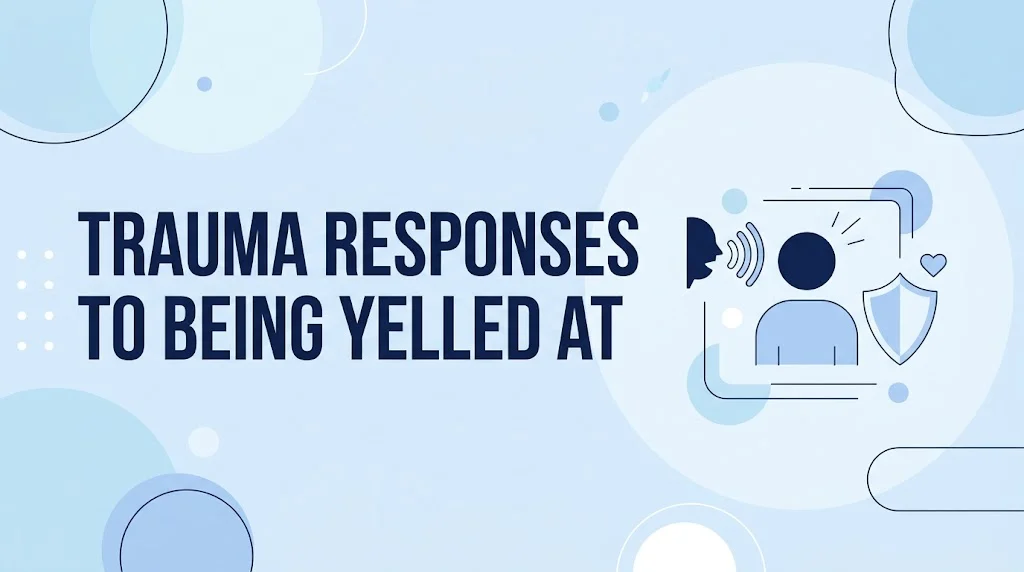
A trauma response to being yelled at can look like freezing, shutting down, crying, becoming defensive, leaving the situation, or feeling intensely anxious. These reactions can happen when yelling makes your nervous system feel threatened or unsafe.
Common reactions include freezing, shutting down, panic, people-pleasing, anger, dissociation, crying, and needing to escape.
Being yelled at can hit much harder than people realize. One person may argue back, while another suddenly goes completely quiet, starts crying, feels shaky, or desperately wants to leave the room. If your body reacts strongly when someone raises their voice, you are not necessarily being dramatic or overly sensitive.
Your nervous system may be responding to yelling as a threat, especially if past experiences taught you that shouting was connected with danger, rejection, conflict, or loss of control.
A trauma response to being yelled at can show up in surprisingly different ways. You might freeze during an argument, apologize even when you did nothing wrong, become defensive, or feel numb afterward. Understanding these reactions can make confusing emotional moments easier to recognize and navigate.
Freezing Responses
- I suddenly go completely quiet.
Use this description when you notice yourself losing the ability to speak during shouting.
Meaning: Your nervous system may be shifting into a protective freeze response. - My mind goes blank when someone yells.
Use this when you know what you want to say but cannot access the words.
Meaning: Intense stress can temporarily interfere with clear thinking and communication. - I just stare and cannot react.
Use this when your body feels stuck during confrontation.
Meaning: Your system may be responding by becoming still rather than fighting or escaping. - I feel like I cannot move.
Use this when yelling makes your body feel unusually heavy or immobilized.
Meaning: A strong threat response can produce a feeling of physical shutdown. - I stop making eye contact.
Use this when you automatically look away during shouting.
Meaning: Avoiding visual engagement may feel safer when your nervous system is overwhelmed. - I cannot think of anything to say.
Use this when your usual communication skills disappear during conflict.
Meaning: High emotional arousal can make it difficult to organize thoughts. - I feel frozen even when I know I am safe.
Use this when your reaction seems bigger than the current situation.
Meaning: The nervous system can react automatically even when the present moment is not physically dangerous. - I become unusually still.
Use this when you notice your body becoming quiet during an argument.
Meaning: Stillness can be one way the body attempts to manage overwhelming stress. - I cannot defend myself in the moment.
Use this when you think of responses only after the argument ends.
Meaning: Stress can temporarily make assertive responses difficult. - I feel disconnected from the conversation.
Use this when the argument starts feeling distant or unreal.
Meaning: Emotional overwhelm can sometimes lead to detachment. - I just wait for the yelling to stop.
Use this when your only goal during conflict becomes getting through the moment.
Meaning: Your system may be prioritizing endurance over communication. - I feel trapped inside my own body.
Use this when emotional activation feels physically overwhelming.
Meaning: A powerful stress reaction can create a strong sense of immobilization. - I cannot process what they are saying.
Use this when the words become difficult to follow during shouting.
Meaning: Intense stress can reduce your ability to process information normally. - I shut down before I even realize it.
Use this when the reaction happens automatically.
Meaning: Your body may recognize a perceived threat before your conscious mind catches up. - I feel like disappearing from the situation.
Use this when confrontation makes you want to become invisible.
Meaning: Your nervous system may be seeking protection from overwhelming stimulation.
Fight Responses
- I get angry very quickly.
Use this when yelling immediately triggers intense irritation or rage.
Meaning: Anger can be a protective response when the body perceives a threat. - I feel like I have to defend myself.
Use this when raised voices instantly make you prepare for an argument.
Meaning: Your nervous system may be shifting into a fight-oriented response. - I start arguing back without meaning to.
Use this when your reaction feels automatic.
Meaning: Fighting back can become a learned protective behavior during perceived conflict. - I become extremely defensive.
Use this when even small comments suddenly feel like attacks.
Meaning: Your mind may be trying to protect you from further emotional harm. - I raise my voice too.
Use this when you notice yourself matching the other person’s intensity.
Meaning: Your nervous system may be responding to perceived aggression with counter-aggression. - I feel a rush of anger through my body.
Use this when your physical reaction happens before your thoughts catch up.
Meaning: Stress hormones can create a powerful physical readiness to respond. - I want to prove that I am not wrong.
Use this when arguments become focused on defending yourself.
Meaning: Being yelled at may activate a strong need to protect your position. - I become argumentative over small details.
Use this when minor disagreements suddenly feel enormous.
Meaning: Your emotional system may already be activated before the disagreement escalates. - I feel personally attacked even when criticism is mild.
Use this when feedback quickly feels threatening.
Meaning: Previous experiences can influence how your nervous system interprets criticism. - I cannot let the argument go.
Use this when you keep replaying the conflict and wanting to respond.
Meaning: Your brain may remain activated after the immediate threat appears to be over. - I feel an urge to fight back immediately.
Use this when your first instinct is confrontation.
Meaning: Anger can create a strong impulse to regain control. - I become sarcastic when I feel cornered.
Use this when humor or sarcasm appears during tense moments.
Meaning: Sarcasm can sometimes function as a defensive shield. - I feel furious but do not know why.
Use this when your anger seems disproportionate to the situation.
Meaning: The present conflict may be activating older emotional patterns. - I become intensely protective of myself.
Use this when you feel compelled to establish boundaries immediately.
Meaning: Your mind may be trying to restore a sense of safety and control. - I feel like I have to win the argument.
Use this when backing down feels emotionally impossible.
Meaning: Conflict may feel connected to safety, dignity, or being heard.
Flight Responses
- I immediately want to leave.
Use this when your first instinct during shouting is physical distance.
Meaning: Your nervous system may be choosing escape as a way to regain safety. - I look for an excuse to end the conversation.
Use this when staying in the discussion feels overwhelming.
Meaning: Ending exposure to the conflict can feel protective. - I walk away when someone starts yelling.
Use this when leaving helps you regain emotional control.
Meaning: Creating distance can reduce intense nervous-system activation. - I avoid people who raise their voices.
Use this when you become cautious around people who frequently yell.
Meaning: Avoidance can develop when your brain associates certain situations with emotional danger. - I feel desperate to escape the room.
Use this when shouting creates an overwhelming urge to get away.
Meaning: Your body may be activating its escape response. - I suddenly need to be alone.
Use this when social contact feels too intense after conflict.
Meaning: Solitude can feel like a way to recover from overstimulation. - I cancel plans after an intense argument.
Use this when conflict leaves you emotionally drained.
Meaning: Your system may need quiet time to return to baseline. - I avoid difficult conversations altogether.
Use this when even the possibility of conflict creates anxiety.
Meaning: Avoidance can become a strategy for preventing another overwhelming experience. - I start planning how to get away.
Use this when conflict immediately makes you think about leaving.
Meaning: Your brain may be searching for an exit from perceived danger. - I feel safest behind a closed door.
Use this when physical separation helps you calm down.
Meaning: A private space can provide a sense of control after confrontation. - I stop answering messages after being yelled at.
Use this when you need distance following a conflict.
Meaning: Temporary withdrawal can be a way of reducing emotional stimulation. - I avoid calling people who make me anxious.
Use this when anticipating another confrontation feels stressful.
Meaning: Your brain may be trying to prevent another stressful encounter. - I feel nervous before difficult conversations even start.
Use this when anticipation itself creates physical tension.
Meaning: Your nervous system may associate confrontation with previous stressful experiences. - I constantly look for signs that someone is angry.
Use this when you monitor people’s moods closely.
Meaning: Hypervigilance can develop when emotional unpredictability has felt unsafe. - I want to disappear when conflict begins.
Use this when emotional escape feels more appealing than discussion.
Meaning: Withdrawal may feel like the safest available response.
People-Pleasing Responses
- I apologize immediately.
Use this when you say sorry before understanding what actually happened.
Meaning: Apologizing can become an automatic attempt to stop conflict. - I say whatever will calm them down.
Use this when keeping the peace becomes more important than expressing yourself.
Meaning: Your response may prioritize reducing perceived danger. - I agree even when I disagree.
Use this when confrontation makes honesty feel unsafe.
Meaning: Agreement can become a protective strategy during stressful interactions. - I take the blame just to end the argument.
Use this when you accept responsibility simply to stop the yelling.
Meaning: Your nervous system may value immediate safety over fairness. - I keep asking if they are mad at me.
Use this when someone’s tone makes you anxious about the relationship.
Meaning: Reassurance-seeking can develop when anger feels threatening. - I try desperately to make everyone happy.
Use this when you feel responsible for preventing other people’s anger.
Meaning: People-pleasing can become a strategy for maintaining emotional safety. - I explain myself over and over.
Use this when you feel compelled to prove that you did not do anything wrong.
Meaning: Repeated explaining may come from fear of being misunderstood or punished. - I immediately ask what I did wrong.
Use this when someone raises their voice unexpectedly.
Meaning: Your mind may quickly assume responsibility for the conflict. - I become overly agreeable.
Use this when you notice yourself saying yes to avoid tension.
Meaning: Agreeableness can become a way of preventing escalation. - I worry about disappointing everyone.
Use this when conflict makes you intensely concerned about others’ feelings.
Meaning: You may have learned to associate other people’s displeasure with danger or rejection. - I change my behavior to prevent another argument.
Use this when you constantly adjust yourself around someone.
Meaning: Your brain may be trying to control future conflict by anticipating it. - I feel responsible for someone’s anger.
Use this when another person’s emotional reaction feels like your fault.
Meaning: You may be taking responsibility for emotions that belong to someone else. - I say sorry even when I am hurt.
Use this when your instinct is to repair the relationship immediately.
Meaning: Keeping connection may feel more urgent than acknowledging your own feelings. - I try to fix everything immediately.
Use this when unresolved conflict feels unbearable.
Meaning: Rapid problem-solving can become an attempt to restore emotional safety. - I become extremely careful with my words.
Use this when you feel like one wrong sentence could trigger another outburst.
Meaning: Constant self-monitoring can reflect fear of conflict.
Emotional Responses
- I start crying immediately.
Use this when tears appear as soon as someone raises their voice.
Meaning: Crying can be a natural physical response to intense emotional stress. - I feel deeply ashamed.
Use this when yelling makes you suddenly feel small or defective.
Meaning: Criticism or shouting can activate painful feelings of inadequacy. - I feel scared even when I know I am safe.
Use this when your emotional reaction seems disconnected from the present situation.
Meaning: The nervous system does not always respond according to conscious logic. - I feel embarrassed by my reaction.
Use this when you judge yourself for becoming emotional.
Meaning: Shame can appear after an intense stress response. - I feel emotionally exhausted afterward.
Use this when an argument leaves you drained for hours.
Meaning: Sustained stress can be physically and emotionally tiring. - I replay every word afterward.
Use this when you repeatedly analyze what happened.
Meaning: Your brain may be trying to understand and process a stressful event. - I keep wondering what I should have said.
Use this when the perfect response comes to mind later.
Meaning: The nervous system may become clearer after the immediate stress has passed. - I feel unusually small during conflict.
Use this when yelling makes you feel powerless or helpless.
Meaning: Certain conflict dynamics can activate old feelings of vulnerability. - I become emotionally numb afterward.
Use this when you feel almost nothing once the argument ends.
Meaning: Emotional shutdown can sometimes follow overwhelming stress. - I need hours to feel normal again.
Use this when your body remains tense long after the conflict.
Meaning: The nervous system can take time to settle after intense activation. - I feel guilty for being upset.
Use this when you criticize yourself for having emotions.
Meaning: You may have learned to minimize your own emotional needs. - I become unusually sensitive afterward.
Use this when small comments feel much more intense after conflict.
Meaning: Your stress system may still be activated. - I feel emotionally distant afterward.
Use this when you withdraw from the person following an argument.
Meaning: Distance may feel safer while you process what happened. - I struggle to sleep after being yelled at.
Use this when the conflict keeps your mind or body activated at night.
Meaning: Stress can make it difficult for the body to fully relax. - I feel relieved when the person finally stops yelling.
Use this when the end of the confrontation brings a noticeable physical release.
Meaning: Your body may be coming down from a heightened state of stress.
Anxiety Responses
- My heart starts racing.
Use this when yelling immediately produces noticeable physical anxiety.
Meaning: Stress can activate the body’s fight-or-flight system. - My hands start shaking.
Use this when confrontation causes visible trembling.
Meaning: Adrenaline and heightened stress can create physical shaking. - I feel sick to my stomach.
Use this when arguments trigger nausea or stomach discomfort.
Meaning: Emotional stress can strongly affect the digestive system. - I start breathing faster.
Use this when shouting makes your breathing noticeably change.
Meaning: Your body may be preparing to respond to perceived danger. - My chest feels tight.
Use this when anxiety creates noticeable physical tension.
Meaning: Stress can produce muscle tension and changes in breathing. - I feel dizzy during arguments.
Use this when intense conflict makes you feel physically unsteady.
Meaning: Strong emotional arousal can sometimes produce dizziness or lightheadedness. - I become hyperaware of their tone.
Use this when you carefully monitor every change in someone’s voice.
Meaning: Your brain may be scanning for signs of danger or escalation. - I panic when someone’s voice gets louder.
Use this when even a moderate increase in volume feels alarming.
Meaning: Raised voices may have become strongly associated with threat. - I constantly watch people’s facial expressions.
Use this when you try to predict whether someone is becoming angry.
Meaning: Hypervigilance can involve closely monitoring others for warning signs. - I feel anxious before answering.
Use this when you hesitate because you fear making things worse.
Meaning: Anticipating another negative reaction can increase anxiety. - I cannot relax after an argument.
Use this when your body remains tense afterward.
Meaning: Your stress response may take time to settle. - I jump when someone suddenly speaks loudly.
Use this when loud sounds cause an unusually strong reaction.
Meaning: Your nervous system may have become sensitive to cues associated with conflict. - I feel on edge around angry people.
Use this when someone’s visible frustration makes you uncomfortable.
Meaning: Your brain may be scanning the environment for potential conflict. - I need reassurance after someone gets angry.
Use this when you immediately worry that the relationship is damaged.
Meaning: Anger may trigger fears of rejection or abandonment. - I feel anxious long after the conversation ends.
Use this when your body remains unsettled afterward.
Meaning: Emotional activation can continue after the external conflict has stopped.
Shutdown And Dissociation Responses
- Everything suddenly feels unreal.
Use this when an intense argument creates a strange sense of disconnection.
Meaning: Severe stress can sometimes produce feelings of unreality. - I feel like I am watching myself from outside.
Use this when you experience a strong sense of detachment.
Meaning: Some people experience dissociative sensations during overwhelming stress. - I cannot remember everything that was said.
Use this when parts of the confrontation become difficult to recall.
Meaning: High stress can affect attention and memory formation. - I feel completely numb.
Use this when emotions seem to disappear during or after conflict.
Meaning: Emotional numbness can sometimes accompany overwhelming stress. - I mentally check out.
Use this when you feel present physically but disconnected mentally.
Meaning: Detachment can function as a protective response to overwhelming emotion. - I stare at one spot during arguments.
Use this when your attention seems to lock onto something.
Meaning: Your brain may be narrowing attention while handling intense stress. - I feel far away from the situation.
Use this when the conflict seems strangely distant.
Meaning: Detachment can occur when emotional intensity becomes difficult to process. - I lose track of time.
Use this when a stressful interaction makes your sense of time unusual.
Meaning: Intense stress can alter awareness and attention. - I have trouble remembering what happened afterward.
Use this when the details of the argument feel blurry.
Meaning: Extreme emotional activation can interfere with memory and concentration. - I feel like I am not really there.
Use this when you experience strong emotional disconnection.
Meaning: Detachment can sometimes occur as the mind attempts to manage overwhelming stress. - My emotions disappear completely.
Use this when you go from intense feelings to sudden numbness.
Meaning: Emotional shutdown can follow overwhelming activation. - I feel detached from my surroundings.
Use this when familiar places suddenly seem strange or distant.
Meaning: Stress can occasionally affect your sense of connection to the environment. - I cannot tell what I am feeling.
Use this when emotions become confusing after intense conflict.
Meaning: Overwhelming stress can temporarily make emotions difficult to identify. - I feel blank after someone yells.
Use this when your emotional response becomes almost empty.
Meaning: Your system may be moving from intense activation into shutdown. - I need quiet before I can process anything.
Use this when conversation feels impossible immediately afterward.
Meaning: Reducing stimulation can give your nervous system time to settle.
Boundary-Setting Responses
- Please lower your voice so we can talk.
Use this when you want to continue the conversation without accepting shouting.
Meaning: You are setting a clear boundary around respectful communication. - I am willing to talk when we are both calm.
Use this when the discussion has become too intense.
Meaning: You are pausing the interaction without refusing communication entirely. - I will not continue while I am being yelled at.
Use this when you need to protect your emotional space.
Meaning: You are clearly stating that shouting is not acceptable to you. - I hear you, but I need you to speak calmly.
Use this when you want to acknowledge the issue without engaging with aggression.
Meaning: You are separating the person’s concern from the way it is being communicated. - We can discuss this without shouting.
Use this when you want to redirect the conversation.
Meaning: You are asking for respectful communication. - I need a few minutes before we continue.
Use this when you feel yourself becoming overwhelmed.
Meaning: You are creating space to regulate before responding. - I want to understand you, but I cannot do that while being yelled at.
Use this when you want to keep the conversation constructive.
Meaning: You are expressing willingness to listen while maintaining a boundary. - I am going to step away and come back when we are calmer.
Use this when taking a break is safer and more productive.
Meaning: You are choosing temporary distance rather than escalating the argument. - Please do not speak to me that way.
Use this when someone’s communication becomes disrespectful.
Meaning: You are directly identifying and rejecting unacceptable treatment. - I am listening, but I need respectful communication.
Use this when you want to remain engaged.
Meaning: You are asking for respect without dismissing the person’s concerns. - We can solve this without attacking each other.
Use this when the goal is to move from conflict toward resolution.
Meaning: You are encouraging cooperation instead of aggression. - I am not comfortable continuing this conversation right now.
Use this when you need to pause.
Meaning: You are protecting your emotional limits. - Let us talk about the problem instead of yelling at each other.
Use this when you want to redirect the focus.
Meaning: You are encouraging problem-solving rather than escalation. - I will come back to this when I can think clearly.
Use this when your nervous system feels overwhelmed.
Meaning: You are giving yourself permission to pause before responding. - I deserve to be spoken to respectfully.
Use this when you need to remind yourself or another person of your boundary.
Meaning: You are affirming that disagreement does not justify verbal aggression.
Recovery Responses
- I need some quiet after that.
Use this when you need space following an intense interaction.
Meaning: You are recognizing your need to decompress. - I am going to take a few deep breaths.
Use this when your body still feels activated.
Meaning: Slow breathing can help create a sense of calm and control. - I need to remind myself that the argument is over.
Use this when your body still feels like the conflict is happening.
Meaning: You are helping yourself distinguish the present from the lingering stress response. - I need time before I can talk about it.
Use this when immediate processing feels impossible.
Meaning: You are allowing yourself time to recover before discussing the event. - I am safe in this moment.
Use this as a grounding statement when you feel overwhelmed after conflict.
Meaning: You are directing your attention toward present-moment safety. - I do not have to solve everything immediately.
Use this when you feel pressured to fix the situation instantly.
Meaning: You are giving yourself permission to slow down. - My reaction does not make me weak.
Use this when you feel ashamed of becoming emotional.
Meaning: You are separating your stress response from your self-worth. - I can process this one step at a time.
Use this when the entire situation feels overwhelming.
Meaning: You are breaking recovery into manageable pieces. - I am allowed to take a break.
Use this when you feel guilty for stepping away.
Meaning: You are recognizing that emotional regulation may require temporary space. - I do not have to respond while overwhelmed.
Use this when you feel pressured to answer immediately.
Meaning: You are giving yourself permission to wait until you are calmer. - That was intense, and I need time to settle.
Use this when you want to acknowledge your reaction without judging it.
Meaning: You are recognizing the impact of the experience on your nervous system. - I can come back to this when I feel grounded.
Use this when you want to continue the discussion later.
Meaning: You are choosing regulation before communication. - I can care about someone without accepting yelling.
Use this when you struggle to maintain boundaries with someone you love.
Meaning: Love and personal boundaries can exist at the same time. - I am allowed to protect my peace.
Use this when you feel guilty for creating distance from conflict.
Meaning: You are affirming your right to emotional boundaries. - I can learn what helps me feel safe during conflict.
Use this when you want to understand your reactions rather than criticize yourself.
Meaning: You are approaching your responses with curiosity and self-compassion.
Understanding The Response
- My body reacts before my brain can explain why.
Use this when your reaction feels automatic.
Meaning: Nervous-system responses can happen faster than conscious reasoning. - The reaction feels bigger than the situation.
Use this when your emotional response surprises you.
Meaning: Current conflict can sometimes activate memories or learned associations from earlier experiences. - I know they are not dangerous, but I still panic.
Use this when your emotional response does not match your logical assessment.
Meaning: The body’s threat system does not always follow conscious reasoning. - I feel guilty for reacting this way.
Use this when you criticize yourself after becoming overwhelmed.
Meaning: Shame can compound the original stress response. - I wish I could respond normally.
Use this when you compare yourself with people who stay calm during conflict.
Meaning: Different nervous systems can respond differently to the same situation. - I need to understand my triggers.
Use this when you want to recognize patterns in your reactions.
Meaning: Identifying triggers can help you become more aware of what activates your stress response. - I notice certain tones affect me more than others.
Use this when specific voices or communication styles trigger discomfort.
Meaning: Your nervous system can become sensitive to particular cues associated with previous experiences. - I react strongly even when the person means well.
Use this when someone’s raised voice is not intentionally threatening.
Meaning: Intent and nervous-system impact are not always the same thing. - I need calm communication to think clearly.
Use this when raised voices interfere with your ability to communicate.
Meaning: A calmer environment can make it easier to process information and respond. - I notice myself becoming hyperalert.
Use this when you start scanning for signs that the situation will worsen.
Meaning: Hypervigilance can be part of a heightened stress response. - I feel better when I know what to expect.
Use this when unpredictable conflict makes you especially anxious.
Meaning: Predictability can help reduce uncertainty and perceived threat. - I need time to understand what happened.
Use this when you cannot immediately explain your feelings.
Meaning: Emotional processing does not always happen instantly. - I am learning to recognize my body’s signals.
Use this when you are becoming more aware of physical stress reactions.
Meaning: Body awareness can help you notice activation earlier. - My response is information, not a character flaw.
Use this when you want to stop judging yourself.
Meaning: A strong reaction can be understood without turning it into a negative judgment about yourself. - I can work on my response without blaming myself for having it.
Use this when you want a balanced approach to personal growth.
Meaning: Self-awareness and self-compassion can exist together.
Supportive Responses
- I believe your reaction is real.
Use this when reassuring someone who feels embarrassed by their response.
Meaning: You are validating their experience without judging it. - You do not have to explain everything immediately.
Use this when someone is overwhelmed after conflict.
Meaning: You are giving them permission to process at their own pace. - You deserve calm and respectful communication.
Use this when supporting someone who frequently experiences shouting.
Meaning: You are affirming their right to healthy communication. - Take the time you need to calm down.
Use this when someone needs space after an argument.
Meaning: You are encouraging recovery rather than rushing them. - Your feelings are worth listening to.
Use this when someone tends to minimize their emotional response.
Meaning: You are reminding them that their experience matters. - You are allowed to step away from yelling.
Use this when someone feels guilty for leaving a heated conversation.
Meaning: You are validating the use of boundaries during conflict. - You do not have to match someone’s anger.
Use this when encouraging calm communication.
Meaning: Another person’s intensity does not require an equally intense response. - You can talk when you feel ready.
Use this when someone needs time before discussing what happened.
Meaning: You are offering support without pressuring them. - You are not weak for becoming overwhelmed.
Use this when someone feels ashamed of crying or freezing.
Meaning: Emotional overwhelm does not determine someone’s strength. - It makes sense that you need a moment.
Use this when someone needs time after an intense argument.
Meaning: You are normalizing the need for emotional recovery. - You can set a boundary without being cruel.
Use this when someone worries that leaving an argument is disrespectful.
Meaning: Protecting yourself can be done firmly and respectfully. - You do not have to solve the conflict while activated.
Use this when someone feels pressured to keep talking.
Meaning: Taking a pause can be healthier than continuing while overwhelmed. - You can ask for a calmer conversation.
Use this when someone wants to continue discussing the issue.
Meaning: You are reminding them that respectful communication is possible. - Your reaction deserves curiosity, not shame.
Use this when someone is trying to understand their patterns.
Meaning: Self-compassion can make emotional patterns easier to understand. - You deserve relationships where conflict can be handled safely.
Use this when supporting someone who regularly experiences aggressive communication.
Meaning: Healthy relationships should allow disagreement without intimidation.
FAQs
What is a trauma response to being yelled at?
It refers to an automatic physical, emotional, or behavioral reaction that can happen when yelling is experienced as threatening or overwhelming.
Why do I freeze when someone yells at me?
Freezing can be a protective nervous-system response. Instead of fighting or escaping, the body may temporarily become still or unable to respond.
Why do I cry when someone raises their voice?
Crying can be a natural response to stress, fear, frustration, or emotional overload. It does not automatically mean you are weak or overly sensitive.
Can being yelled at trigger anxiety?
Yes. Raised voices can trigger physical and emotional stress responses, particularly when they are associated with previous experiences of conflict or feeling unsafe.
Why do I apologize when I did nothing wrong?
Some people automatically apologize because they have learned that agreeing, appeasing, or taking blame can make conflict end faster.
Conclusion
A strong reaction to yelling does not automatically mean something is wrong with you. Freezing, crying, becoming angry, wanting to escape, apologizing quickly, or needing quiet afterward can all be ways your nervous system responds to intense conflict. The important part is learning to notice what happens without immediately judging yourself.
Understanding your patterns can help you communicate your needs, recognize boundaries, and choose healthier ways to handle difficult conversations. You do not have to become perfectly calm overnight.
Start by noticing your body’s signals and giving yourself permission to pause. Save these responses for moments when you need them, share them with someone who might relate, and remember that understanding yourself is a powerful step forward.
Discover More Related Articles:
- How to Reply Thanks | Best Responses for Every Situation In 2026
- How to Respond to WYO in Text | Funny, Flirty & Casual Replies In 2026

Richard Scott is an experienced author dedicated to creating compelling and well-researched content for online audiences. As a contributor to Responary.com, he enjoys sharing knowledge through clear, engaging, and informative articles that connect with readers worldwide.