Quick Answer
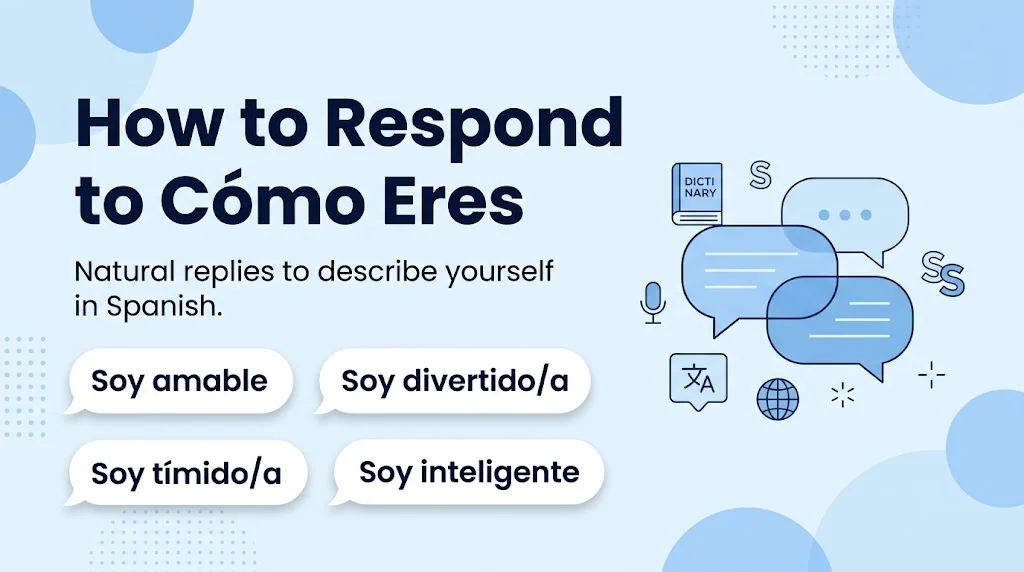
If someone asks you “Cómo eres?”, they want to know what kind of person you are. In Spanish, it means “What are you like?” or “What kind of person are you?” You can answer with humor, confidence, flirtation, or a simple description of your personality.
Top alternatives: “Soy una persona divertida,” “Depende de quién pregunte,” “Soy amable y sincero,” “Un poco loco, pero buena persona,” “¿Por qué quieres saber?”
Ever received a message saying “Cómo eres?” and suddenly forgotten how to describe yourself? It happens! Whether someone asks you in a text, Instagram DM, dating conversation, or while getting to know you, this simple Spanish question can mean more than you expect. They might be curious about your personality, trying to start a conversation, or even flirting a little.
The phrase “Cómo eres?” generally means “What are you like?” It invites you to talk about your character, attitude, habits, or personality. Your answer can be sweet, funny, mysterious, confident, or playful, depending on who is asking. You do not need to write a whole autobiography just to answer one message.
1. Funny Responses to “Cómo Eres?”
– “Soy un desastre, pero uno divertido.”
Example: Use this when a friend asks about your personality in a casual chat.
Meaning: You admit you can be chaotic while showing that you have a sense of humor.
– “Soy 50% sueño y 50% hambre.”
Example: Use this when you want to make someone laugh.
Meaning: You jokingly describe yourself as someone who is always tired or hungry.
– “Depende de cuánto haya dormido.”
Example: Use this when someone asks what you are like early in the morning.
Meaning: Your mood depends on how much sleep you get.
– “Soy buena persona, con actualizaciones pendientes.”
Example: Use this in a playful social media conversation.
Meaning: You are still growing and improving as a person.
– “Un poquito loco, pero con buenas intenciones.”
Example: Use this when describing your playful personality.
Meaning: You are quirky but mean well.
– “Soy el personaje secundario que se roba la película.”
Example: Use this when you want a dramatic, funny answer.
Meaning: You think you bring unexpected fun to any situation.
– “Como un lunes, pero con mejor actitud.”
Example: Use this when joking with someone who likes sarcastic humor.
Meaning: You may have your moments, but you try to stay positive.
– “Soy tranquilo hasta que ponen mi canción favorita.”
Example: Use this when talking about your love of music.
Meaning: You are usually calm but get excited about things you love.
– “Soy un meme con sentimientos.”
Example: Use this in a casual DM with someone who enjoys internet humor.
Meaning: You joke around but still have an emotional side.
– “Soy más raro que un lunes sin sueño.”
Example: Use this when you want to describe yourself as unusual.
Meaning: You proudly embrace your quirks.
– “Soy un paquete sorpresa.”
Example: Use this when you want to sound unpredictable.
Meaning: People never know exactly what to expect from you.
– “Soy una mezcla de café y malas decisiones.”
Example: Use this with a friend who appreciates playful exaggeration.
Meaning: You joke about being energetic and occasionally impulsive.
– “Soy normal, según mi propia investigación.”
Example: Use this when someone teases you about being weird.
Meaning: You humorously question your own normality.
– “Soy el caos con buena presentación.”
Example: Use this when you want a witty description.
Meaning: You may be unpredictable but know how to make an impression.
– “Soy fácil de entender, difícil de explicar.”
Example: Use this when you want a funny but slightly mysterious reply.
Meaning: Your personality is easier to experience than to describe.
2. Flirty Responses to “Cómo Eres?”
– “Eso tendrás que descubrirlo tú.”
Example: Use this when someone you like asks about your personality.
Meaning: You invite them to get to know you personally.
– “Soy más interesante en persona.”
Example: Use this during a playful conversation with a crush.
Meaning: You suggest that spending time together would reveal more about you.
– “Cariñoso con las personas correctas.”
Example: Use this when you want to hint at your affectionate side.
Meaning: You show that you become warm and caring when you trust someone.
– “Un poquito tímido al principio, después no me callo.”
Example: Use this when explaining how you behave around someone new.
Meaning: You need time to feel comfortable before opening up.
– “Tengo mi lado dulce, pero no se lo enseño a cualquiera.”
Example: Use this when flirting with someone you trust.
Meaning: You suggest that your softer side is reserved for special people.
– “Depende, ¿quieres la versión normal o la encantadora?”
Example: Use this when the conversation is lighthearted and flirty.
Meaning: You playfully suggest that you have an attractive personality.
– “Soy de los que recuerdan los pequeños detalles.”
Example: Use this when you want to show that you are thoughtful.
Meaning: You value the little things that matter to others.
– “Un poco misterioso, para que no te aburras.”
Example: Use this when someone enjoys playful teasing.
Meaning: You like keeping conversations interesting.
– “Soy tranquilo, pero sé cómo sacar una sonrisa.”
Example: Use this when you want to sound sweet and confident.
Meaning: You describe yourself as calm and good at making others happy.
– “Tengo buen corazón y un poquito de encanto.”
Example: Use this when you want a charming but modest reply.
Meaning: You present yourself as kind and likable.
– “Soy de los que prefieren demostrar antes que prometer.”
Example: Use this when discussing what you are like in relationships.
Meaning: You value actions more than empty words.
– “Un poquito complicado, pero vale la pena conocerme.”
Example: Use this with someone who enjoys playful confidence.
Meaning: You admit you have layers while inviting them to learn more.
– “Soy atento cuando alguien me importa.”
Example: Use this when you want to communicate affection.
Meaning: You show that you care through your actions.
– “Soy bastante dulce cuando entro en confianza.”
Example: Use this when you are shy around someone new.
Meaning: You become more affectionate once you feel comfortable.
– “¿Por qué, te está dando curiosidad conocerme?”
Example: Use this when someone seems interested in you.
Meaning: You playfully ask whether they want to know you better.
3. Cute Responses to “Cómo Eres?”
– “Soy una persona sencilla con un corazón enorme.”
Example: Use this when someone wants an honest description of you.
Meaning: You value simplicity and caring for others.
– “Un poquito tímido, pero muy cariñoso.”
Example: Use this when describing yourself to a new friend.
Meaning: You take time to open up but enjoy showing affection.
– “Me gusta hacer felices a las personas que quiero.”
Example: Use this when you want to highlight your caring nature.
Meaning: You enjoy making your loved ones feel appreciated.
– “Soy de sonrisas fáciles y sentimientos sinceros.”
Example: Use this in a warm conversation.
Meaning: You are cheerful and genuine about your emotions.
– “Tranquilo, amable y un poquito soñador.”
Example: Use this when someone asks for three words to describe you.
Meaning: You see yourself as calm, kind, and imaginative.
– “Soy alguien que disfruta las cosas pequeñas.”
Example: Use this when explaining what makes you happy.
Meaning: You appreciate simple moments in life.
– “Me río mucho y me preocupo por los míos.”
Example: Use this when describing your social personality.
Meaning: You enjoy having fun and care about people close to you.
– “Soy sensible, pero también muy fuerte.”
Example: Use this when you want to describe your emotional side.
Meaning: You can feel deeply while handling challenges.
– “Un alma tranquila con muchas ideas.”
Example: Use this when someone asks what kind of person you are.
Meaning: You are thoughtful and imaginative.
– “Soy de los que escuchan de verdad.”
Example: Use this when you want to highlight your listening skills.
Meaning: You care about understanding other people.
– “Me gusta dar cariño sin esperar nada a cambio.”
Example: Use this when discussing your values.
Meaning: You believe in showing genuine kindness.
– “Soy feliz con una buena conversación.”
Example: Use this when chatting with someone who enjoys meaningful talks.
Meaning: You appreciate connection through conversation.
– “Tengo un corazón sensible y una mente curiosa.”
Example: Use this when describing your personality thoughtfully.
Meaning: You are caring and enjoy learning about the world.
– “Soy de los que siempre intentan ver lo bueno.”
Example: Use this when explaining your outlook on life.
Meaning: You try to remain optimistic.
– “Un poquito soñador, pero con los pies en la tierra.”
Example: Use this when describing your hopes and personality.
Meaning: You have big dreams while staying realistic.
4. Confident Responses to “Cómo Eres?”
– “Soy auténtico y no intento ser alguien más.”
Example: Use this when someone asks about your personality.
Meaning: You are comfortable being yourself.
– “Sé lo que quiero y trabajo por conseguirlo.”
Example: Use this when discussing your goals.
Meaning: You are determined and purposeful.
– “Soy independiente, pero valoro a las personas que me rodean.”
Example: Use this when describing your balance between independence and friendship.
Meaning: You enjoy your own space while appreciating others.
– “Tengo carácter, pero también sé escuchar.”
Example: Use this when explaining how you handle disagreements.
Meaning: You stand by your views while remaining open to others.
– “Soy alguien que aprende de sus errores.”
Example: Use this when talking about personal growth.
Meaning: You see mistakes as opportunities to improve.
– “No soy perfecto, pero siempre intento mejorar.”
Example: Use this when you want an honest, mature reply.
Meaning: You recognize your imperfections and value growth.
– “Soy directo, sincero y bastante leal.”
Example: Use this when describing your strongest qualities.
Meaning: You value honesty and loyalty.
– “Tengo mis propias ideas y respeto las de los demás.”
Example: Use this when discussing your outlook on life.
Meaning: You are confident without dismissing other perspectives.
– “Soy tranquilo, pero sé defender mis límites.”
Example: Use this when explaining how you handle conflict.
Meaning: You prefer peace but respect yourself.
– “Prefiero ser real antes que impresionar a todos.”
Example: Use this when someone asks how you act around others.
Meaning: You value authenticity over popularity.
– “Soy constante cuando algo realmente me importa.”
Example: Use this when talking about your priorities.
Meaning: You put effort into things that matter to you.
– “Soy de pocas promesas y muchas acciones.”
Example: Use this when describing your approach to commitments.
Meaning: You believe in proving yourself through what you do.
– “Sé reconocer lo que hago bien y lo que debo mejorar.”
Example: Use this in a serious conversation about personality.
Meaning: You have self-awareness.
– “Soy firme con mis valores y respetuoso con los demás.”
Example: Use this when discussing your principles.
Meaning: You maintain your beliefs without disrespecting others.
– “Soy una persona que siempre busca avanzar.”
Example: Use this when describing your ambitions.
Meaning: You value progress and personal development.
5. Mysterious Responses to “Cómo Eres?”
– “Eso es parte del misterio.”
Example: Use this when you want to keep the conversation playful.
Meaning: You are not ready to reveal everything about yourself.
– “No todo se descubre en una conversación.”
Example: Use this when someone wants to know you better.
Meaning: You believe personality takes time to understand.
– “Tengo muchas facetas.”
Example: Use this when your personality changes with the situation.
Meaning: You have different sides to your character.
– “Soy una historia que todavía se está escribiendo.”
Example: Use this when you want a thoughtful response.
Meaning: You are still learning and growing.
– “Depende del capítulo.”
Example: Use this when someone asks what you are like in different situations.
Meaning: Different experiences bring out different sides of you.
– “Tengo más profundidad de la que parece.”
Example: Use this when someone thinks they already understand you.
Meaning: You suggest that there is more to discover.
– “Prefiero que me conozcan poco a poco.”
Example: Use this when you value privacy.
Meaning: You prefer building trust gradually.
– “Soy fácil de conocer si sabes escuchar.”
Example: Use this when you enjoy meaningful conversations.
Meaning: You believe genuine attention helps people understand you.
– “Tengo mi propio universo.”
Example: Use this when describing your interests and thoughts.
Meaning: You have a distinctive inner world.
– “No soy exactamente lo que imaginas.”
Example: Use this when someone makes assumptions about you.
Meaning: You want them to get to know the real you.
– “Hay cosas que se entienden con el tiempo.”
Example: Use this when you want to keep some mystery.
Meaning: You believe personality reveals itself gradually.
– “Soy una combinación difícil de resumir.”
Example: Use this when you have many different interests.
Meaning: You do not fit into one simple description.
– “Tengo un lado que pocos conocen.”
Example: Use this when talking about your private personality.
Meaning: You reserve some parts of yourself for trusted people.
– “Prefiero sorprender a que me etiqueten.”
Example: Use this when someone tries to put you into a category.
Meaning: You do not want others to define you too quickly.
– “Conóceme y saca tus propias conclusiones.”
Example: Use this when someone wants to understand your personality.
Meaning: You invite them to form their own opinion through experience.
6. Sarcastic Responses to “Cómo Eres?”
– “Una edición limitada, obviamente.”
Example: Use this with a friend who enjoys sarcasm.
Meaning: You jokingly describe yourself as one of a kind.
– “Maravilloso, según mis fuentes.”
Example: Use this when you want a silly, exaggerated answer.
Meaning: You humorously claim that you are amazing.
– “Un misterio incluso para mí.”
Example: Use this when you sometimes surprise yourself.
Meaning: You joke that your own personality can be unpredictable.
– “Demasiado para una sola pregunta.”
Example: Use this when someone expects a short answer.
Meaning: You playfully suggest that you are complicated.
– “Depende de quién esté haciendo la encuesta.”
Example: Use this when someone asks how other people see you.
Meaning: You joke that opinions about you vary.
– “Soy un encanto, pregúntale a mi gato.”
Example: Use this when you want a random, funny reply.
Meaning: You jokingly use an imaginary character witness.
– “Perfecto, excepto por mis defectos.”
Example: Use this when you want to tease yourself.
Meaning: You acknowledge imperfections through humor.
– “Una persona normal, con pruebas pendientes.”
Example: Use this when a friend calls you strange.
Meaning: You jokingly question how normal you really are.
– “Soy un manual de instrucciones sin portada.”
Example: Use this when your personality is hard to explain.
Meaning: You humorously suggest that understanding you takes effort.
– “Depende de la versión que hayas conocido.”
Example: Use this when someone has seen different sides of you.
Meaning: You recognize that your behavior can vary.
– “Una obra en proceso, no acepto críticas hoy.”
Example: Use this when joking about personal growth.
Meaning: You admit you are still improving while playfully rejecting criticism.
– “Soy todo un fenómeno social.”
Example: Use this when you want an exaggerated reply.
Meaning: You humorously present yourself as unusually interesting.
– “No sé, todavía estoy leyendo mi biografía.”
Example: Use this when you do not know how to describe yourself.
Meaning: You joke that you are still figuring yourself out.
– “Una sorpresa, con términos y condiciones.”
Example: Use this when you want a clever, sarcastic answer.
Meaning: You suggest that your personality comes with quirks.
– “Depende de si ya he comido.”
Example: Use this when hunger affects your mood.
Meaning: You joke that food influences your behavior.
7. Sweet And Romantic Responses to “Cómo Eres?”
– “Soy alguien que valora los sentimientos sinceros.”
Example: Use this when someone asks what matters to you emotionally.
Meaning: You appreciate genuine feelings.
– “Me gusta cuidar a las personas que quiero.”
Example: Use this when describing how you show affection.
Meaning: You express care through thoughtful actions.
– “Soy leal cuando existe confianza.”
Example: Use this when talking about relationships.
Meaning: You value trust and commitment.
– “Me encantan las conversaciones que duran horas.”
Example: Use this when you enjoy getting to know someone.
Meaning: You appreciate meaningful connection.
– “Soy de los que recuerdan las fechas importantes.”
Example: Use this when highlighting your thoughtful side.
Meaning: You pay attention to details that matter to others.
– “Valoro más los detalles que las cosas caras.”
Example: Use this when discussing what makes you happy.
Meaning: You appreciate thoughtful gestures more than expensive gifts.
– “Soy sincero con lo que siento.”
Example: Use this when explaining your communication style.
Meaning: You value emotional honesty.
– “Me gusta hacer que las personas se sientan especiales.”
Example: Use this when describing your caring personality.
Meaning: You enjoy making others feel appreciated.
– “Soy romántico a mi manera.”
Example: Use this when someone asks about your romantic side.
Meaning: You express affection in your own style.
– “Prefiero una conexión real a mil conversaciones vacías.”
Example: Use this when discussing meaningful relationships.
Meaning: You value depth over superficial interaction.
– “Soy de los que escuchan y recuerdan.”
Example: Use this when highlighting your attentiveness.
Meaning: You make an effort to understand and remember others.
– “Me gusta demostrar lo que siento con acciones.”
Example: Use this when explaining how you show affection.
Meaning: You believe actions make feelings clear.
– “Soy cariñoso cuando me siento en confianza.”
Example: Use this when you are reserved around new people.
Meaning: You become affectionate when you feel comfortable.
– “Para mí, la honestidad lo es todo.”
Example: Use this when discussing your relationship values.
Meaning: You consider honesty essential.
– “Me gusta construir algo bonito sin apresurar las cosas.”
Example: Use this when discussing how you approach a relationship.
Meaning: You value a genuine connection that develops naturally.
8. Short And Casual Responses to “Cómo Eres?”
– “Soy bastante tranquilo.”
Example: Use this in a quick text exchange.
Meaning: You describe yourself as calm.
– “Amable, sincero y un poco tímido.”
Example: Use this when someone wants a short personality description.
Meaning: You identify three personal qualities.
– “Depende del día.”
Example: Use this when you want a simple, playful reply.
Meaning: Your mood can vary.
– “Soy bastante relajado.”
Example: Use this when someone asks about your lifestyle.
Meaning: You generally prefer a laid-back approach.
– “Me gusta reírme de todo.”
Example: Use this when describing your sense of humor.
Meaning: You enjoy finding humor in everyday life.
– “Soy un poco reservado.”
Example: Use this when you take time to open up.
Meaning: You do not share everything immediately.
– “Muy sociable cuando entro en confianza.”
Example: Use this when you are shy around new people.
Meaning: You become more outgoing when comfortable.
– “Soy de planes tranquilos.”
Example: Use this when explaining what you enjoy doing.
Meaning: You prefer relaxed activities.
– “Curioso por naturaleza.”
Example: Use this when you enjoy asking questions and learning.
Meaning: You like discovering new things.
– “Bastante espontáneo.”
Example: Use this when you enjoy doing things without too much planning.
Meaning: You are comfortable with unplanned experiences.
– “Soy muy familiar.”
Example: Use this when family plays an important role in your life.
Meaning: You value family relationships.
– “Un poco distraído, pero buena onda.”
Example: Use this when you want a friendly, casual description.
Meaning: You can be forgetful but are pleasant to be around.
– “Me adapto bastante bien.”
Example: Use this when discussing how you handle new situations.
Meaning: You are flexible.
– “Soy más de escuchar que de hablar.”
Example: Use this when describing your communication style.
Meaning: You prefer listening to others.
– “Sencillo y sin complicaciones.”
Example: Use this when you want to sound easygoing.
Meaning: You appreciate simplicity.
9. Honest And Genuine Responses to “Cómo Eres?”
– “Soy una persona que intenta hacer lo correcto.”
Example: Use this when someone wants to understand your values.
Meaning: You try to act responsibly.
– “A veces soy tímido, pero me gusta conocer gente.”
Example: Use this when you feel shy meeting someone new.
Meaning: You may need time to feel comfortable, but you are open to connection.
– “Tengo defectos, como todos, pero intento mejorar.”
Example: Use this when you want to sound honest.
Meaning: You recognize that personal growth takes effort.
– “Soy sensible y a veces pienso demasiado.”
Example: Use this when explaining your emotional habits.
Meaning: You feel things deeply and tend to overthink.
– “Me cuesta confiar, pero cuando lo hago soy leal.”
Example: Use this when discussing how you build relationships.
Meaning: Trust takes time, but loyalty matters to you.
– “Soy alguien que aprende con cada experiencia.”
Example: Use this when talking about personal development.
Meaning: You value learning from life.
– “Me gusta ayudar, aunque no siempre sé qué decir.”
Example: Use this when you care about others but struggle to find words.
Meaning: Your intention to support people is genuine.
– “Soy tranquilo, pero tengo opiniones fuertes.”
Example: Use this when explaining how you express yourself.
Meaning: You can be calm while holding firm beliefs.
– “A veces necesito espacio para ordenar mis ideas.”
Example: Use this when you need time alone.
Meaning: You process your thoughts privately.
– “Valoro mucho la confianza.”
Example: Use this when discussing friendship or relationships.
Meaning: Trust is important to you.
– “Soy de los que prefieren hablar las cosas.”
Example: Use this when explaining how you handle misunderstandings.
Meaning: You prefer communication over avoiding problems.
– “Me importa cómo se sienten los demás.”
Example: Use this when describing your empathy.
Meaning: You consider other people’s feelings.
– “No siempre tengo las respuestas, pero intento escuchar.”
Example: Use this when a friend shares a problem.
Meaning: You offer attention even when you cannot solve everything.
– “Soy independiente, aunque también necesito apoyo.”
Example: Use this when discussing your emotional needs.
Meaning: You value independence while recognizing that everyone needs support.
– “Todavía estoy descubriendo algunas partes de mí.”
Example: Use this when you are still learning about yourself.
Meaning: You accept that personal growth is ongoing.
10. Clever And Witty Responses to “Cómo Eres?”
– “Como un libro: mejor cuando me conoces.”
Example: Use this when you want a memorable answer.
Meaning: You suggest that your personality becomes clearer over time.
– “Una mezcla de lógica, emoción y café.”
Example: Use this when you want a clever description.
Meaning: You combine thoughtful decisions with feelings and everyday habits.
– “Soy la respuesta que depende de la pregunta.”
Example: Use this when you enjoy wordplay.
Meaning: You believe your personality depends partly on the situation.
– “Más real que perfecto.”
Example: Use this when you want a confident, concise answer.
Meaning: You value authenticity over perfection.
– “Una mente curiosa con sentido del humor.”
Example: Use this when describing your strongest traits.
Meaning: You enjoy learning and making people laugh.
– “Soy una contradicción bastante interesante.”
Example: Use this when you have different sides to your personality.
Meaning: You can be complex and surprising.
– “Como una canción: depende de quién la escuche.”
Example: Use this when you want a poetic reply.
Meaning: Different people may experience your personality differently.
– “Tengo pocas respuestas simples.”
Example: Use this when you like deeper conversations.
Meaning: You tend to think beyond the obvious.
– “Soy más de hechos que de etiquetas.”
Example: Use this when someone tries to define you quickly.
Meaning: You prefer your actions to describe you.
– “Una combinación de calma y curiosidad.”
Example: Use this when describing your temperament.
Meaning: You are relaxed but interested in discovering new things.
– “Soy un trabajo en progreso con buenas intenciones.”
Example: Use this when you want a thoughtful but lighthearted response.
Meaning: You are still growing while trying to do your best.
– “No soy para todos, y eso está bien.”
Example: Use this when you want to express individuality.
Meaning: You accept that not everyone will connect with you.
– “Tengo más preguntas que respuestas.”
Example: Use this when you are naturally curious.
Meaning: You enjoy exploring ideas rather than assuming you know everything.
– “Soy de mente abierta y límites claros.”
Example: Use this when explaining your values.
Meaning: You welcome different ideas while respecting your boundaries.
– “Una personalidad que no cabe en una sola palabra.”
Example: Use this when you want a creative self-description.
Meaning: You believe your character is too varied for a simple label.
11. Responses When You Are Shy Or Nervous
– “Al principio soy un poco tímido.”
Example: Use this when someone new asks about your personality.
Meaning: You explain that you need time to open up.
– “Me cuesta hablar al principio, pero después agarro confianza.”
Example: Use this when you are nervous in a new conversation.
Meaning: You become more comfortable as trust develops.
– “Soy más de escuchar primero.”
Example: Use this when you do not speak much around new people.
Meaning: You prefer observing before joining in.
– “Necesito un poquito de tiempo para sentirme cómodo.”
Example: Use this when explaining your reserved nature.
Meaning: You like building familiarity gradually.
– “Soy tranquilo hasta que conozco bien a alguien.”
Example: Use this when someone wonders why you are quiet.
Meaning: You become more expressive once you feel comfortable.
– “A veces pienso demasiado antes de responder.”
Example: Use this when you take a while to reply to messages.
Meaning: You tend to consider your words carefully.
– “Soy tímido, pero no antipático.”
Example: Use this when someone mistakes your quietness for unfriendliness.
Meaning: You explain that being reserved does not mean you dislike people.
– “Me siento mejor en conversaciones de uno a uno.”
Example: Use this when you prefer talking privately rather than in groups.
Meaning: You enjoy more personal interactions.
– “Cuando entro en confianza, hablo muchísimo.”
Example: Use this when you are quiet around new people.
Meaning: Your outgoing side appears after you feel comfortable.
– “Soy un poco reservado con mi vida personal.”
Example: Use this when someone asks personal questions too soon.
Meaning: You prefer to share private details gradually.
– “Me gusta conocer a las personas poco a poco.”
Example: Use this when you want to build a friendship naturally.
Meaning: You prefer relationships that develop over time.
– “No siempre sé qué decir, pero me gusta escuchar.”
Example: Use this when you feel awkward in a conversation.
Meaning: You show interest even when you struggle to respond.
– “Soy más expresivo cuando me siento seguro.”
Example: Use this when explaining your quiet behavior.
Meaning: You communicate more openly in comfortable settings.
– “A veces mi silencio significa que estoy pensando.”
Example: Use this when someone thinks you are ignoring them.
Meaning: You clarify that quietness can simply mean concentration.
– “Dame tiempo y conocerás mi lado divertido.”
Example: Use this when you want to reassure a new acquaintance.
Meaning: You invite them to get to know you without pressure.
12. Short Spanish Replies With English Meanings
– “Soy buena onda.”
Example: Use this in an informal chat with a Spanish speaker.
Meaning: You are easygoing and friendly.
– “Soy bastante divertido.”
Example: Use this when describing your sense of humor.
Meaning: You are quite fun or funny.
– “Soy muy tranquilo.”
Example: Use this when you want to say you are relaxed.
Meaning: You are very calm.
– “Soy un poco introvertido.”
Example: Use this when describing your social personality.
Meaning: You are somewhat introverted.
– “Soy extrovertido y sociable.”
Example: Use this when you enjoy meeting people.
Meaning: You are outgoing and sociable.
– “Soy amable con todo el mundo.”
Example: Use this when kindness is important to you.
Meaning: You are kind to everyone.
– “Soy sincero y directo.”
Example: Use this when you value honest communication.
Meaning: You are honest and straightforward.
– “Soy un poco despistado.”
Example: Use this when you tend to forget small things.
Meaning: You are a little absent-minded.
– “Soy muy curioso.”
Example: Use this when you enjoy learning and asking questions.
Meaning: You are very curious.
– “Soy responsable y trabajador.”
Example: Use this in a conversation about your habits or work ethic.
Meaning: You are responsible and hardworking.
– “Soy sensible y empático.”
Example: Use this when describing your emotional qualities.
Meaning: You are sensitive and empathetic.
– “Soy alegre y optimista.”
Example: Use this when you generally have a positive outlook.
Meaning: You are cheerful and optimistic.
– “Soy independiente y decidido.”
Example: Use this when describing your approach to decisions.
Meaning: You are independent and determined.
– “Soy algo perfeccionista.”
Example: Use this when you like doing things carefully.
Meaning: You are somewhat of a perfectionist.
– “Soy yo mismo, sin fingir.”
Example: Use this when you want to emphasize authenticity.
Meaning: You are yourself without pretending to be someone else.
FAQs
What Does “Cómo Eres” Mean In English?
“Cómo eres?” means “What are you like?” or “What kind of person are you?” in English. It usually asks about your personality, character, or typical behavior.
How Do You Answer “Cómo Eres” In Spanish?
You can say “Soy amable y divertido,” which means “I am kind and fun.” You can also mention that you are shy, outgoing, calm, thoughtful, or adventurous.
Is “Cómo Eres” A Flirty Question?
It can be, depending on the context. If someone asks during a playful conversation or while getting to know you, they might be curious about your personality or interested in you.
What Is A Funny Reply To “Cómo Eres”?
Try “Soy un desastre, pero uno divertido,” meaning “I’m a mess, but a fun one.” It works well with friends and in casual conversations.
What Is A Flirty Reply To “Cómo Eres”?
You can say “Eso tendrás que descubrirlo tú,” meaning “You’ll have to discover that yourself.” It sounds playful and invites the other person to get to know you.
Conclusion
Knowing how to respond to “Cómo eres?” can make Spanish conversations feel much more natural. Whether you want to sound funny, flirty, sweet, confident, or mysterious, the best response is one that reflects your real personality. You do not need to impress everyone with a perfect sentence.
A simple, honest answer can start a meaningful conversation, while a playful reply can make a new connection more enjoyable. Choose a response that fits the person asking and the situation you are in. Save your favorite lines, try them in your next Spanish chat, and share this list with a friend who needs a little help replying with confidence.
Discover More Related Articles:
- How to Respond to Reviews | Positive, Negative & Funny Replies In 2026
- How to Respond to What’s Good | Flirty, Cool & Clever Replies In 2026

Laura Adams is a dedicated content writer and blogger known for crafting clear, informative, and engaging articles. As a contributor to Responary.com, she specializes in creating reader-friendly content that educates, inspires, and keeps audiences informed on a wide range of subjects.