Quick Answer
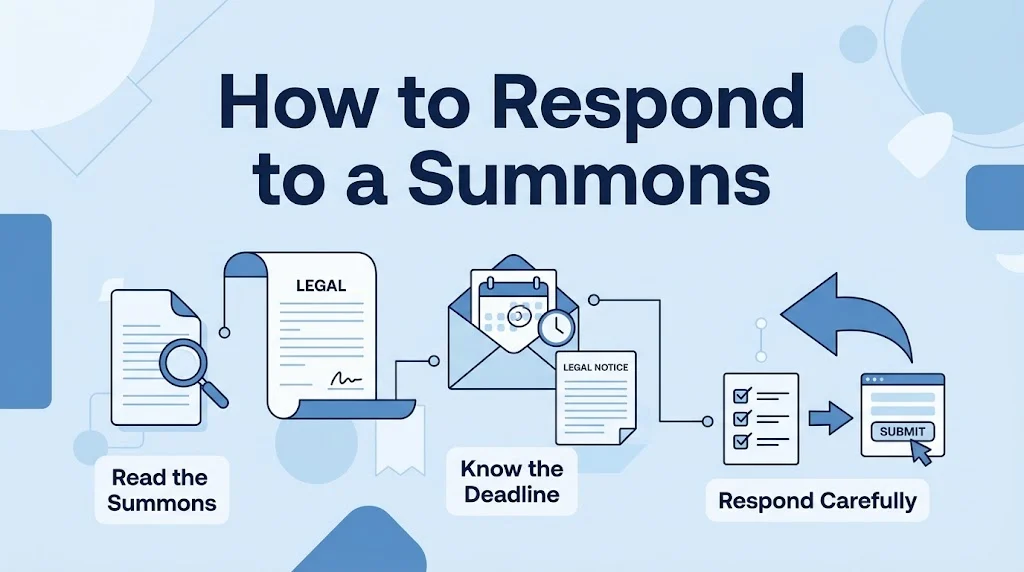
If you receive a summons, respond promptly, read the document carefully, note the deadline, and follow the instructions provided. If the matter is legal, professional legal advice can help you understand your options before you respond.
Top alternatives: acknowledge the summons, request more information, ask for an extension, contact the court, seek legal advice
Getting a summons can instantly turn a normal day into a “wait, what just happened?” moment. Whether it arrives by mail, through an official process server, electronically, or through another authorized method, the first reaction is often stress. You may wonder what to say, who to contact, whether you need to appear, or whether ignoring it will somehow make the problem disappear. Spoiler: ignoring official legal paperwork is usually not a smart strategy.
A good response should be calm, clear, and based on the instructions in the document. The right wording depends on what kind of summons you received and what jurisdiction you are dealing with. You may need to acknowledge receipt, contact the court, respond to a claim, request additional time, or speak with an attorney. The examples below give you practical wording for different situations while keeping the tone respectful and straightforward.
Calm Responses
- “I received the summons and am reviewing the instructions carefully.”
Example: Use this when you want to acknowledge receipt without discussing the underlying case.
Meaning: You are confirming that you received the document and are taking it seriously. - “Thank you for providing the notice. I will review the required next steps.”
Example: Use this when responding formally to an official notice.
Meaning: You are acknowledging the paperwork in a professional way. - “I have received the document and will respond according to the stated instructions.”
Example: Use this when you want a neutral written acknowledgment.
Meaning: You intend to follow the process outlined in the summons. - “I am currently reviewing the summons and applicable deadlines.”
Example: Use this when you need time to understand the document.
Meaning: You are carefully checking what action is required. - “I acknowledge receipt of the summons.”
Example: Use this when a simple acknowledgment is appropriate.
Meaning: You are confirming delivery without admitting anything about the allegations. - “I will make sure the matter is addressed through the proper process.”
Example: Use this when someone asks whether you plan to respond.
Meaning: You intend to handle the matter through official channels. - “I am taking the notice seriously and reviewing my options.”
Example: Use this when explaining your immediate reaction to someone you trust.
Meaning: You are responding responsibly rather than emotionally. - “I need to review the details before providing a substantive response.”
Example: Use this when someone pressures you to answer immediately.
Meaning: You do not want to make an uninformed statement. - “I have received the notice and am determining the appropriate response.”
Example: Use this in a formal written setting.
Meaning: You are considering the correct procedural step. - “I will follow the instructions provided with the summons.”
Example: Use this when the document contains clear directions.
Meaning: You plan to comply with the stated procedure. - “I am reviewing the information and relevant deadlines now.”
Example: Use this after receiving the paperwork unexpectedly.
Meaning: You are prioritizing the important procedural details. - “I appreciate the notice and will address it appropriately.”
Example: Use this for a polite acknowledgment.
Meaning: You are confirming that you will take action. - “I am looking into the matter before responding further.”
Example: Use this when you need to gather information first.
Meaning: You want to understand the situation before making statements. - “I have noted the date and instructions stated in the document.”
Example: Use this when confirming that you have reviewed the basic requirements.
Meaning: You are showing that you are paying attention to the procedural details. - “I will respond through the appropriate legal channel.”
Example: Use this when you do not want to discuss the matter informally.
Meaning: You intend to keep the response within the proper process.
Professional Responses
- “I acknowledge receipt and am reviewing the matter with appropriate care.”
Example: Use this when communicating with an organization or professional contact.
Meaning: You are taking the matter seriously without making unnecessary admissions. - “I am reviewing the document and will provide any required response within the applicable timeframe.”
Example: Use this when you need a polished professional acknowledgment.
Meaning: You intend to respect the relevant deadline. - “Please direct any further procedural questions to the appropriate contact identified in the notice.”
Example: Use this when you are communicating with someone about administrative details.
Meaning: You want procedural questions handled through the designated channel. - “I am reviewing the allegations and supporting information before responding.”
Example: Use this when you need time to examine the paperwork.
Meaning: You want to understand the claims before addressing them. - “I have received the notice and am taking the necessary steps to review it.”
Example: Use this in formal correspondence.
Meaning: You are acknowledging receipt and beginning the review process. - “I will ensure that any required response is submitted through the appropriate procedure.”
Example: Use this when communicating about court paperwork.
Meaning: You intend to use the proper legal process. - “I am currently determining whether additional information is required.”
Example: Use this when reviewing an incomplete or confusing notice.
Meaning: You are identifying what information you need before acting. - “I would like to review the relevant documents before making any substantive statement.”
Example: Use this when someone requests an immediate explanation.
Meaning: You are avoiding an uninformed response. - “I have noted the response deadline stated in the notice.”
Example: Use this when confirming that you understand the timeline.
Meaning: You recognize the importance of responding on time. - “I will address this matter through the appropriate formal process.”
Example: Use this when you want to keep communication professional.
Meaning: You do not intend to resolve the matter casually. - “I am reviewing the notice and will take the required action.”
Example: Use this as a concise professional response.
Meaning: You are confirming that you are dealing with the issue. - “I appreciate your communication and will review the information provided.”
Example: Use this when acknowledging receipt politely.
Meaning: You are keeping your response courteous and neutral. - “I am not prepared to provide further details until I have reviewed the matter.”
Example: Use this when someone asks questions before you understand the situation.
Meaning: You are protecting yourself from making premature statements. - “I will communicate further once I have reviewed the relevant information.”
Example: Use this when you need time before continuing the discussion.
Meaning: You are requesting space to assess the matter. - “I intend to handle this matter responsibly and through the proper channels.”
Example: Use this when reassuring someone that you are not ignoring the notice.
Meaning: You are signaling a responsible approach.
Polite Responses
- “Thank you for notifying me. I will review the summons carefully.”
Example: Use this when you want to remain courteous while acknowledging receipt.
Meaning: You are responding respectfully without discussing the case. - “I appreciate the information. I will review the required next steps.”
Example: Use this when the notice includes instructions you need to understand.
Meaning: You are acknowledging the information politely. - “Thank you. I have received the document and will review it.”
Example: Use this for a simple written acknowledgment.
Meaning: You are confirming receipt. - “I understand. I will review the notice and respond as required.”
Example: Use this when someone explains that you need to take action.
Meaning: You understand that a response may be necessary. - “Thank you for bringing this to my attention.”
Example: Use this when responding to a formal notification.
Meaning: You are acknowledging the communication without discussing the merits. - “I will carefully review the information before taking further action.”
Example: Use this when you need time to understand the document.
Meaning: You want to make an informed decision. - “I have received it and will take the appropriate steps.”
Example: Use this when someone asks whether you got the summons.
Meaning: You confirm receipt and intend to act. - “I appreciate the notice and will look into the matter promptly.”
Example: Use this when you want to sound responsible and courteous.
Meaning: You plan to address the issue without unnecessary delay. - “I understand the importance of reviewing this promptly.”
Example: Use this when acknowledging that the matter may have a deadline.
Meaning: You recognize that timing matters. - “I will review the instructions and proceed accordingly.”
Example: Use this when the document provides a specific process.
Meaning: You intend to follow the stated directions. - “Thank you for your communication. I will review the details.”
Example: Use this in formal correspondence.
Meaning: You are maintaining a respectful tone. - “I have noted the information provided.”
Example: Use this when a brief acknowledgment is sufficient.
Meaning: You confirm that you received and noticed the information. - “I will consider the appropriate next steps.”
Example: Use this when you are still deciding how to proceed.
Meaning: You are not committing to a specific action yet. - “I appreciate your patience while I review the matter.”
Example: Use this when you need additional time to understand the paperwork.
Meaning: You are politely asking for space to assess the situation. - “I will address the matter through the appropriate process.”
Example: Use this when you want to close the conversation politely.
Meaning: You intend to handle the issue formally.
Requests For More Information
- “Could you please clarify what response is required from me?”
Example: Use this when the instructions are unclear.
Meaning: You are asking for clarification about your obligations. - “Could you confirm the deadline for responding?”
Example: Use this when you need to verify the applicable date.
Meaning: You want to make sure you do not miss an important deadline. - “Could you please identify the documents I need to provide?”
Example: Use this when the required paperwork is unclear.
Meaning: You are asking what supporting materials are needed. - “Where should my response be submitted?”
Example: Use this when the summons does not make the submission method obvious.
Meaning: You want to use the correct filing or delivery channel. - “Could you explain the next procedural step?”
Example: Use this when you are unsure what happens after receiving the summons.
Meaning: You are requesting guidance about the process. - “Could you confirm the court or office handling this matter?”
Example: Use this when several offices are mentioned.
Meaning: You want to make sure you contact the correct authority. - “Is there a specific form I need to complete?”
Example: Use this when the response requirements are unclear.
Meaning: You are checking whether additional paperwork is necessary. - “Could you clarify whether my appearance is required?”
Example: Use this when the document leaves that issue unclear.
Meaning: You want to know whether you must attend personally. - “What information should be included in my response?”
Example: Use this when you need to understand the expected content.
Meaning: You want to provide the appropriate information. - “Could you confirm whether electronic submission is accepted?”
Example: Use this when you are unsure how to submit the response.
Meaning: You are checking whether online filing is available. - “Please let me know if additional documentation is required.”
Example: Use this when preparing your response.
Meaning: You want to avoid leaving out necessary materials. - “Could you clarify the instructions listed in the notice?”
Example: Use this when the wording is confusing.
Meaning: You need a clearer explanation before proceeding. - “Who should I contact if I have procedural questions?”
Example: Use this when you need an official point of contact.
Meaning: You are looking for the appropriate source of procedural information. - “Could you confirm that this is the correct address for submitting my response?”
Example: Use this when mailing documents.
Meaning: You want to prevent your response from going to the wrong location. - “Could you provide clarification regarding the next deadline?”
Example: Use this when several dates appear in the paperwork.
Meaning: You want to identify the date that actually matters.
Responses Asking For More Time
- “I am requesting additional time to review the summons and prepare my response.”
Example: Use this when you genuinely need more time before responding.
Meaning: You are formally asking for an extension rather than ignoring the deadline. - “Could I request an extension of the response deadline?”
Example: Use this when the applicable procedure allows extension requests.
Meaning: You are asking whether additional time can be granted. - “I would appreciate additional time to review the documents thoroughly.”
Example: Use this when the paperwork is extensive.
Meaning: You want sufficient time to prepare an informed response. - “I am requesting a reasonable extension to prepare the required response.”
Example: Use this when a formal request for additional time is appropriate.
Meaning: You are asking for more preparation time. - “Please let me know whether an extension is available.”
Example: Use this before assuming extra time will be granted.
Meaning: You are asking about the available procedure. - “I need additional time to gather the relevant records.”
Example: Use this when supporting documents are difficult to collect quickly.
Meaning: You need more time to assemble necessary information. - “I would like to request additional time so I can respond accurately.”
Example: Use this when rushing could result in mistakes.
Meaning: You want enough time to provide a careful response. - “Could the response deadline be extended under the applicable procedure?”
Example: Use this when communicating formally about timing.
Meaning: You are asking whether the rules permit an extension. - “I am unable to complete the response by the current deadline and would like to request an extension.”
Example: Use this when you know you cannot meet the stated deadline.
Meaning: You are communicating the problem instead of simply missing the deadline. - “I respectfully request additional time to prepare.”
Example: Use this for a concise formal request.
Meaning: You are politely asking for more time. - “I need additional time to obtain appropriate advice before responding.”
Example: Use this when you are seeking professional legal guidance.
Meaning: You want advice before taking a substantive step. - “Could you advise me of the process for requesting an extension?”
Example: Use this when you do not know how to make the request.
Meaning: You are asking about the proper procedure. - “I am requesting additional time due to the need to review supporting materials.”
Example: Use this when documentation requires careful examination.
Meaning: You need more time because relevant records are involved. - “Please confirm whether my request for additional time can be considered.”
Example: Use this after submitting an extension request.
Meaning: You are seeking confirmation without assuming approval. - “I would like to address the matter properly rather than provide an incomplete response.”
Example: Use this when explaining why you need more time.
Meaning: You are emphasizing accuracy and completeness.
If You Disagree With The Summons
- “I dispute the allegations stated in the notice.”
Example: Use this only when appropriate to the legal procedure and after understanding what the document requires.
Meaning: You are indicating that you do not agree with the allegations. - “I do not agree with the claims presented in the document.”
Example: Use this when discussing your position with an appropriate advisor.
Meaning: You are stating that you dispute the claims. - “I intend to contest the matter through the appropriate process.”
Example: Use this when you plan to formally challenge the case.
Meaning: You intend to use the legal process to dispute it. - “I believe the information presented is inaccurate.”
Example: Use this when you have identified a factual problem.
Meaning: You believe the document contains incorrect information. - “I would like the opportunity to respond to the allegations formally.”
Example: Use this when you want to present your position through the proper process.
Meaning: You want your side considered officially. - “I do not accept the allegations as presented.”
Example: Use this when a formal dispute is appropriate.
Meaning: You are declining to accept the claims against you. - “I believe there are material facts that need to be addressed.”
Example: Use this when important circumstances have been omitted.
Meaning: You believe additional facts could affect the matter. - “I intend to provide a formal response to the claims.”
Example: Use this when preparing an official response.
Meaning: You plan to address the allegations through the appropriate channel. - “I disagree with the characterization of the events described.”
Example: Use this when the document describes events differently from your understanding.
Meaning: You dispute how the events have been presented. - “I believe the record requires clarification.”
Example: Use this when you think important information has been misunderstood.
Meaning: You want the official record corrected or clarified. - “I will address the disputed issues through the appropriate legal procedure.”
Example: Use this when you do not want to debate the case informally.
Meaning: You intend to present your disagreement through formal channels. - “I have concerns about the accuracy of the information provided.”
Example: Use this when you have identified possible factual errors.
Meaning: You are raising concerns without making unnecessary accusations. - “I intend to respond to each relevant allegation appropriately.”
Example: Use this when preparing a detailed response.
Meaning: You plan to address the claims systematically. - “I do not believe the document reflects the full circumstances.”
Example: Use this when important context appears missing.
Meaning: You believe additional information should be considered. - “I reserve the right to respond through the appropriate process.”
Example: Use this when you want to avoid discussing substantive details informally.
Meaning: You are keeping your response within formal legal channels.
If You Need Legal Advice
- “I am going to seek legal advice before responding substantively.”
Example: Use this when the matter is complicated or serious.
Meaning: You want professional guidance before making important statements. - “I would like to speak with an attorney about this notice.”
Example: Use this when contacting a lawyer for an initial consultation.
Meaning: You want professional assistance understanding your options. - “I need legal advice before deciding how to proceed.”
Example: Use this when you are unsure about your obligations.
Meaning: You do not want to make a significant decision without guidance. - “I am reviewing the summons with legal counsel.”
Example: Use this when you have already contacted an attorney.
Meaning: You are obtaining professional assistance. - “I want to understand my rights and obligations before responding.”
Example: Use this when the paperwork raises questions.
Meaning: You want clarity before taking action. - “I am seeking advice regarding the appropriate response.”
Example: Use this in a professional setting.
Meaning: You are obtaining guidance about the next step. - “I do not want to make a substantive statement until I receive legal advice.”
Example: Use this when someone asks you to discuss the allegations immediately.
Meaning: You are choosing caution before making potentially important statements. - “Could you give me time to consult with counsel?”
Example: Use this when discussing a possible deadline extension.
Meaning: You want time to obtain professional advice. - “I would prefer to have an attorney review the document first.”
Example: Use this when the document is difficult to understand.
Meaning: You want professional review before responding. - “I am not comfortable discussing the substance of the matter yet.”
Example: Use this when someone asks detailed questions before you obtain advice.
Meaning: You are choosing not to discuss the case prematurely. - “I am arranging a consultation to determine my next steps.”
Example: Use this when explaining why you need time.
Meaning: You are actively seeking legal guidance. - “I want to make sure my response is legally appropriate.”
Example: Use this when deciding whether to consult counsel.
Meaning: You are prioritizing an informed response. - “I need to understand the consequences before responding.”
Example: Use this when the situation could have significant effects.
Meaning: You want professional guidance about potential outcomes. - “I am seeking independent advice before proceeding.”
Example: Use this when you want an objective legal perspective.
Meaning: You want guidance before committing to a course of action. - “I will review the matter with qualified counsel before taking further steps.”
Example: Use this as a formal statement when appropriate.
Meaning: You intend to obtain professional legal advice.
Funny But Careful Responses
- “Apparently my mailbox chose chaos today.”
Example: Use this privately with a trusted friend after receiving unexpected legal paperwork.
Meaning: You are using humor to describe your stressful surprise. - “Well, that was not the mail I was hoping for.”
Example: Use this when telling a friend about an unexpected summons.
Meaning: You are lightly expressing frustration. - “My day just unlocked an unexpected side quest.”
Example: Use this in a private message to a close friend.
Meaning: You are joking about an unexpected legal problem. - “I officially have paperwork I did not ask for.”
Example: Use this when venting casually to someone you trust.
Meaning: You are humorously describing the unwanted notice. - “Plot twist: today came with legal paperwork.”
Example: Use this when sharing a light personal update with a friend.
Meaning: You are using humor to acknowledge an unexpected event. - “My inbox apparently wanted to keep things interesting.”
Example: Use this when the notice arrives electronically.
Meaning: You are joking about receiving unexpected correspondence. - “Nothing like paperwork to add excitement to a Tuesday.”
Example: Use this when venting casually about the situation.
Meaning: You are making a stressful event sound lighter. - “Well, that escalated faster than expected.”
Example: Use this when a dispute unexpectedly becomes formal.
Meaning: You are joking about the sudden seriousness of the situation. - “I asked for mail, not a plot twist.”
Example: Use this when telling a friend about the document.
Meaning: You are humorously expressing surprise. - “Today’s surprise guest: legal paperwork.”
Example: Use this as a private joke with someone you trust.
Meaning: You are using humor to process an unexpected notice. - “My calendar just got a very serious addition.”
Example: Use this when you have a required date to remember.
Meaning: You are joking about the seriousness of the new obligation. - “Apparently adulthood comes with paperwork DLC.”
Example: Use this with a close friend who appreciates internet humor.
Meaning: You are making light of an unpleasant adult responsibility. - “This was definitely not on my weekend agenda.”
Example: Use this when discussing the situation casually.
Meaning: You are expressing surprise without making light of the legal process itself. - “I was hoping for a coupon, honestly.”
Example: Use this when joking privately about unexpected mail.
Meaning: You are contrasting ordinary mail with an unpleasant surprise. - “Okay, universe, message received.”
Example: Use this as a humorous personal reaction.
Meaning: You are joking about receiving an unexpected wake-up call.
What Not To Say
- “I will just ignore it.”
Example: Avoid saying this when discussing a summons with someone helping you.
Meaning: It suggests you plan to disregard potentially important legal obligations. - “This cannot possibly matter.”
Example: Avoid using this before checking the document and deadlines.
Meaning: It dismisses the seriousness of an official notice without reviewing it. - “I admit everything.”
Example: Avoid making broad admissions before understanding the matter.
Meaning: This could unnecessarily state a position without proper advice. - “I will deal with it whenever I feel like it.”
Example: Avoid this attitude when a specific deadline appears in the paperwork.
Meaning: It disregards potentially important timing requirements. - “They can do whatever they want.”
Example: Avoid saying this when you are frustrated by the notice.
Meaning: It reflects helplessness rather than a plan to address the matter. - “I am definitely guilty.”
Example: Avoid making statements about legal responsibility casually.
Meaning: You should not make unnecessary admissions about a legal matter. - “I do not need to read the paperwork.”
Example: Avoid this when receiving any official legal document.
Meaning: It dismisses information that may contain important instructions. - “I will just send them a rude message.”
Example: Avoid this when you are angry about receiving the summons.
Meaning: Emotional communication can make an already difficult situation worse. - “This is obviously fake.”
Example: Avoid assuming a notice is invalid without verifying it.
Meaning: You should confirm authenticity through reliable official channels. - “I will post everything online.”
Example: Avoid sharing sensitive legal details publicly before understanding the situation.
Meaning: Public posts can create unnecessary complications. - “There is no deadline that matters.”
Example: Avoid saying this when the document lists a response date.
Meaning: It encourages potentially dangerous procrastination. - “I know exactly what this means without reading it.”
Example: Avoid making assumptions about the legal document.
Meaning: Different notices can carry very different requirements. - “I will handle it myself without checking anything.”
Example: Avoid this when the matter is complicated or unfamiliar.
Meaning: It suggests acting without enough information. - “I am going to argue with whoever sent this.”
Example: Avoid saying this when emotions are high.
Meaning: Confrontation is rarely a substitute for following the proper procedure. - “I do not care what the court says.”
Example: Avoid this when discussing a legal obligation.
Meaning: It suggests disregard for an official process and can encourage poor decisions.
FAQs
What should I do first after receiving a summons?
Read the entire document carefully, identify the issuing court or authority, note every deadline and required action, and keep the original paperwork safe.
Should I respond immediately?
You should act promptly, but do not rush into an uninformed substantive response. First determine exactly what the summons requires and when your response is due.
Can I ask for more time?
Sometimes. Whether an extension is available depends on the applicable rules and circumstances.
Should I contact the person who sent the summons?
Follow the contact instructions on the document. For legal questions, the court clerk or qualified legal professional may be more appropriate than discussing the substance of the matter with the opposing party.
What if I disagree with the allegations?
Do not simply ignore the summons. Follow the response procedure and, when appropriate, state your position through the formal process. Legal advice can help you understand how to present your disagreement.
Conclusion
Receiving a summons can feel intimidating, but panic is rarely the best response. Take a breath, read the paperwork carefully, identify the deadline, follow the instructions, and keep copies of everything you receive or submit. If the situation is confusing or potentially serious, qualified legal advice can help you understand the appropriate next step.
The biggest mistake is assuming that ignoring the document will make it disappear. A calm, organized response puts you in a much better position to deal with the situation. Save these examples for reference, share them with someone who may need a little clarity, and remember: when legal paperwork arrives, stay calm, read carefully, and respond responsibly.
Discover More Related Articles:

Jennifer Wilson is an experienced writer and content creator with over 20 years of expertise in digital publishing, lifestyle, and informative content. Holding a degree in English Literature, she contributes to Responary.Com, where she shares engaging, well-researched articles that help readers stay informed and inspired.