Quick Answer
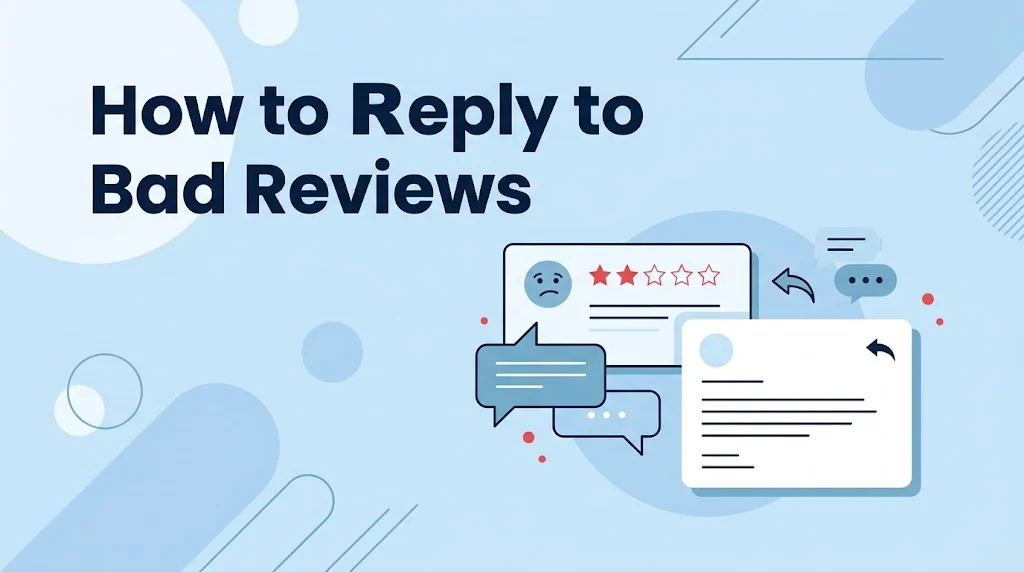
The best way to reply to bad reviews is to stay calm, acknowledge the customer’s experience, avoid arguing, and offer a helpful next step. Try these: Thank you for your feedback, We’re sorry to hear about your experience, We appreciate you bringing this to our attention, We’d like to make this right, Please contact us so we can help
A bad review can feel personal, especially when you know how much effort went into your business. But your reply is not only for the unhappy customer. Future customers are reading it too. A thoughtful response can show that you listen, care, and take responsibility when something goes wrong.
Introduction
Getting a bad review can instantly ruin your mood. One minute you are running your business, and the next you are staring at a one-star rating wondering how someone could possibly describe your service that way. The temptation to fire back is real, but your public response deserves more thought than an angry keyboard moment.
Whether the review appears on Google, Yelp, Facebook, a website, or another platform, your reply can influence how potential customers see your business. A calm response can turn a negative moment into an opportunity to demonstrate professionalism. You can apologize when appropriate, clarify misunderstandings, acknowledge genuine problems, or simply invite the customer to continue the conversation privately. The goal is not to “win” against the reviewer. The goal is to protect your reputation while showing future customers that you take feedback seriously.
Professional Responses
- Thank you for taking the time to share your feedback.
Use this when you want to acknowledge a negative review without becoming defensive.
Meaning: You appreciate the customer taking the time to explain their experience. - We’re sorry to hear that your experience did not meet expectations.
Use this when the customer was clearly disappointed with your service.
Meaning: You acknowledge their dissatisfaction respectfully. - We appreciate you bringing this matter to our attention.
Use this for a formal business response.
Meaning: You are treating the complaint as useful feedback. - We take feedback like this seriously and would appreciate the opportunity to improve.
Use this when you want to demonstrate accountability.
Meaning: You are showing that the business is willing to learn. - Thank you for sharing your concerns with us.
Use this for a short and professional public response.
Meaning: You are acknowledging the complaint without arguing. - We regret that your experience was not what you expected.
Use this when you want polished professional wording.
Meaning: You recognize that the customer left disappointed. - Your feedback is important to us, and we will review your concerns carefully.
Use this when the issue needs internal investigation.
Meaning: You are signaling that the complaint will receive attention. - We’re committed to providing a better experience moving forward.
Use this after receiving constructive criticism.
Meaning: You are emphasizing improvement rather than excuses. - Thank you for your honest feedback. We’ll use it to improve our service.
Use this when the reviewer has raised a legitimate issue.
Meaning: You are responding positively to criticism. - We’re disappointed to hear that we fell short of your expectations.
Use this for a sincere but professional response.
Meaning: You are accepting that the experience was below the expected standard. - We value your feedback and appreciate the opportunity to address your concerns.
Use this when you want to continue the conversation.
Meaning: You are inviting a constructive resolution. - We’re sorry your experience left you feeling dissatisfied.
Use this when you want an empathetic response.
Meaning: You are recognizing the emotional impact of the experience. - Thank you for highlighting an area where we can do better.
Use this when the review identifies a genuine weakness.
Meaning: You are showing a willingness to improve. - We appreciate your patience while we look into this matter.
Use this when you need time to investigate.
Meaning: You are asking for understanding while taking action. - We hope to have the opportunity to provide you with a better experience in the future.
Use this as a professional closing statement.
Meaning: You are leaving the door open for rebuilding trust.
Polite Responses
- We’re truly sorry that your experience wasn’t a positive one.
Use this for a customer who sounds genuinely disappointed.
Meaning: You are expressing empathy without making assumptions. - Thank you for letting us know about your experience.
Use this when you want a friendly and respectful reply.
Meaning: You are acknowledging their concerns. - We understand why you’re disappointed, and we’re sorry.
Use this when the complaint is clearly justified.
Meaning: You are validating the customer’s frustration. - We appreciate your feedback and apologize for the inconvenience.
Use this for service-related complaints.
Meaning: You are combining appreciation with an apology. - We’re sorry we didn’t deliver the experience you were hoping for.
Use this when expectations were not met.
Meaning: You are acknowledging the gap between expectation and experience. - Thank you for giving us the chance to hear your concerns.
Use this when the review provides specific details.
Meaning: You are responding with gratitude instead of defensiveness. - We sincerely apologize for the frustration this caused.
Use this when the situation created inconvenience or stress.
Meaning: You are recognizing the customer’s frustration. - We understand that your time is valuable, and we’re sorry we let you down.
Use this when the complaint involves delays or poor service.
Meaning: You are acknowledging the importance of the customer’s time. - We’re sorry this experience did not reflect the level of service we aim to provide.
Use this when the review describes poor service.
Meaning: You are separating the incident from your broader service standard. - Your concerns are completely understood, and we appreciate you sharing them.
Use this when you want to sound empathetic and composed.
Meaning: You are showing that the complaint has been heard. - We apologize for the disappointment and appreciate your understanding.
Use this for a concise public response.
Meaning: You are expressing regret while keeping the tone calm. - We’re grateful for the feedback, even when it’s difficult to hear.
Use this when you want a sincere and mature response.
Meaning: You are demonstrating openness to criticism. - We’re sorry things didn’t go as planned during your visit.
Use this for a restaurant, store, or service business.
Meaning: You acknowledge that the experience went poorly. - We appreciate your honesty and hope we can do better next time.
Use this when you want to preserve the relationship.
Meaning: You are accepting the feedback and expressing hope for improvement. - Thank you for your patience and for giving us an opportunity to learn from this.
Use this when the business has already discussed the issue with the customer.
Meaning: You are closing the matter respectfully.
Customer-Service Responses
- We’re sorry about what happened and would like to help resolve it.
Use this when the customer appears open to a solution.
Meaning: You are moving the conversation toward resolution. - We’d appreciate the opportunity to make this right.
Use this when you want to recover the customer relationship.
Meaning: You are offering to take corrective action. - Please reach out to our team so we can look into this further.
Use this when you need additional information.
Meaning: You are moving sensitive details away from the public review. - We’d like to learn more about what happened so we can address it properly.
Use this when the review lacks enough detail.
Meaning: You want more information before deciding what action to take. - We’re sorry and would appreciate the chance to discuss this with you directly.
Use this when the situation needs a personal conversation.
Meaning: You want to resolve the issue privately and constructively. - Your experience matters to us, and we’d like to find a solution.
Use this when customer recovery is your priority.
Meaning: You are putting the focus on helping the customer. - We understand your frustration and want to help.
Use this for an emotional or angry review.
Meaning: You are acknowledging their feelings without escalating. - We’re looking into your concerns and will work toward a resolution.
Use this when an investigation is underway.
Meaning: You are communicating that action is being taken. - We apologize and would value the opportunity to regain your trust.
Use this after a serious service failure.
Meaning: You recognize that trust needs to be rebuilt. - We’re sorry this happened and appreciate the chance to address it.
Use this for a direct customer-service response.
Meaning: You are showing accountability and willingness to help. - We’d like to understand the situation better before responding fully.
Use this when the review contains unclear claims.
Meaning: You are avoiding assumptions and asking for context. - Our team is available to discuss your concerns and work toward a solution.
Use this when you want to encourage direct contact.
Meaning: You are offering a constructive next step. - We take your concerns seriously and want to make sure they are properly addressed.
Use this when the complaint involves a significant issue.
Meaning: You are communicating that the complaint is receiving attention. - We’re sorry we missed the mark and would appreciate another opportunity to serve you.
Use this after a service mistake.
Meaning: You are apologizing while expressing confidence in doing better. - Thank you for bringing this to us so we can work on a solution.
Use this when the customer has provided actionable criticism.
Meaning: You are turning negative feedback into an opportunity to improve.
Responses To Unfair Reviews
- We’re sorry you feel this way and would be happy to review the details with you.
Use this when you believe the review does not fully reflect what happened.
Meaning: You remain respectful while inviting clarification. - We take every concern seriously and would appreciate more information about your experience.
Use this when the review is vague or incomplete.
Meaning: You want facts before responding further. - We’d be happy to discuss this directly and clarify what happened.
Use this when important context is missing from the review.
Meaning: You are offering a private route for clarification. - We’re sorry your experience was disappointing. We’d welcome the opportunity to understand it better.
Use this when you disagree with parts of the complaint.
Meaning: You acknowledge the customer’s feelings without accepting every claim. - We value honest feedback and would appreciate the chance to review the circumstances.
Use this when you need to investigate the situation.
Meaning: You are keeping the response factual and professional. - We understand your perspective and would like to hear more about what occurred.
Use this when the review contains disputed details.
Meaning: You are showing openness without becoming defensive. - We’re always willing to learn from feedback and investigate concerns fairly.
Use this when the review seems one-sided.
Meaning: You are emphasizing fairness and accountability. - We’re concerned to hear this and would like to better understand your experience.
Use this when the complaint is unexpected.
Meaning: You are taking the review seriously while seeking context. - We’re sorry the situation left you dissatisfied, and we’d welcome a conversation about it.
Use this when you want to avoid a public argument.
Meaning: You are choosing constructive communication over confrontation. - We appreciate your perspective and would like to make sure we understand the full situation.
Use this when the review seems incomplete.
Meaning: You are requesting a fuller picture. - We aim to be transparent and would be happy to discuss the details privately.
Use this when public discussion could expose sensitive information.
Meaning: You are protecting privacy while remaining open. - We’re sorry the experience felt this way and would appreciate additional details.
Use this when you cannot identify the customer or incident.
Meaning: You are asking for enough information to investigate. - We respect your feedback, even when our understanding of the situation differs.
Use this when you respectfully disagree.
Meaning: You are acknowledging their viewpoint without falsely agreeing. - We’d like the opportunity to understand what went wrong from your perspective.
Use this when the review gives limited information.
Meaning: You are inviting the customer to explain further. - Thank you for sharing your perspective. We’ll gladly look into the concerns you raised.
Use this when you want to end the public exchange professionally.
Meaning: You are acknowledging the review without escalating the disagreement.
Responses To Angry Customers
- We understand that you’re frustrated, and we’re sorry for the experience.
Use this when the review is emotional.
Meaning: You are acknowledging frustration instead of fighting back. - We’re sorry this situation caused so much frustration.
Use this when the customer appears particularly upset.
Meaning: You are recognizing the emotional impact of the issue. - We hear your concerns and would like to help resolve them.
Use this when you want to calm the situation.
Meaning: You are shifting the focus from anger to resolution. - We understand why this experience was upsetting.
Use this when the complaint clearly describes a frustrating event.
Meaning: You are validating their reaction. - We apologize for the inconvenience and appreciate you bringing it to our attention.
Use this for service problems that caused frustration.
Meaning: You are expressing regret while keeping your tone professional. - We’re sorry things became frustrating and would like to help.
Use this when you want to de-escalate the conversation.
Meaning: You are offering support instead of defensiveness. - Your frustration is understandable, and we’d like the chance to address the issue.
Use this when the customer has a legitimate complaint.
Meaning: You are recognizing their feelings and offering action. - We never want a customer to leave feeling this way.
Use this when the review describes a poor overall experience.
Meaning: You are expressing concern about the customer’s experience. - We’re sorry we added stress to your day.
Use this when your service caused unnecessary hassle.
Meaning: You are giving a human and empathetic apology. - We appreciate you explaining what went wrong.
Use this when the customer has provided detailed criticism.
Meaning: You are acknowledging their effort to explain the problem. - We’d like to move forward by finding a solution that addresses your concerns.
Use this when you want to shift toward resolution.
Meaning: You are focusing on practical action. - We’re listening, and we want to improve.
Use this for a short response to an emotional review.
Meaning: You are showing openness and accountability. - We’re sorry this experience left you feeling let down.
Use this when disappointment is the main complaint.
Meaning: You are recognizing the emotional side of the situation. - We appreciate your patience while we work through your concerns.
Use this when the issue requires investigation.
Meaning: You are asking for patience while taking action. - Thank you for giving us an opportunity to address what happened.
Use this when the customer has contacted you directly after reviewing.
Meaning: You are showing appreciation for the chance to resolve the matter.
Short And Simple Responses
- Thank you for your feedback.
Use this when you need a concise professional reply.
Meaning: You are acknowledging the review without adding unnecessary detail. - We’re sorry to hear this.
Use this for a brief empathetic response.
Meaning: You are expressing regret about the customer’s experience. - We apologize for the inconvenience.
Use this for straightforward service complaints.
Meaning: You are taking responsibility for the inconvenience. - We appreciate you letting us know.
Use this when the review identifies an issue.
Meaning: You are showing that their feedback has been heard. - We’re sorry we missed the mark.
Use this when expectations were not met.
Meaning: You acknowledge that your service fell short. - We take your feedback seriously.
Use this when you want to sound accountable.
Meaning: You are communicating that the complaint matters. - We’d like to make this right.
Use this when you are prepared to offer assistance.
Meaning: You are showing a willingness to resolve the problem. - Thank you for bringing this to our attention.
Use this for a concise business response.
Meaning: You are acknowledging the issue respectfully. - We’re disappointed to hear about your experience.
Use this for a polished public response.
Meaning: You are expressing concern without becoming defensive. - We appreciate your honest feedback.
Use this when the review contains useful criticism.
Meaning: You are recognizing the value of honest customer opinions. - We’re looking into this.
Use this when an investigation has started.
Meaning: You are letting the reviewer know the matter is being reviewed. - We’d appreciate the chance to help.
Use this when you want the customer to contact you.
Meaning: You are inviting a solution-focused conversation. - We hear you.
Use this for a very short but human response.
Meaning: You are acknowledging the customer’s concerns. - We’re committed to doing better.
Use this after legitimate criticism.
Meaning: You are promising improvement without making unnecessary excuses. - We hope to have the chance to serve you better.
Use this as a positive closing statement.
Meaning: You are leaving the relationship open for improvement.
Responses With A Touch Of Humor
- We’re sorry we missed the five-star target this time.
Use this only when the review is mild and the brand normally has a playful voice.
Meaning: You are acknowledging the disappointment with gentle humor. - Well, that wasn’t the experience we were hoping you’d have.
Use this when you want a human response to a mild complaint.
Meaning: You are admitting the experience fell short. - We clearly have some homework to do.
Use this when the review provides constructive criticism.
Meaning: You are playfully admitting that improvement is needed. - Not our finest hour, and we hear you.
Use this when the business genuinely made a mistake.
Meaning: You are accepting responsibility in a conversational tone. - We’d definitely like a chance to rewrite this chapter.
Use this when you want to recover the relationship.
Meaning: You are playfully suggesting a better future experience. - We missed the mark, and you noticed. Fair enough.
Use this when the criticism is reasonable.
Meaning: You are accepting the criticism without making excuses. - Okay, we’re taking notes.
Use this for a lighthearted but constructive review.
Meaning: You are signaling that you are paying attention to feedback. - That definitely wasn’t the plot twist we wanted.
Use this only for mild complaints where humor fits the brand.
Meaning: You are acknowledging an unexpected negative experience playfully. - We’d much rather leave you smiling next time.
Use this for a friendly brand voice.
Meaning: You are expressing a desire to improve the customer’s experience. - Consider this feedback officially received.
Use this for a playful social-media-friendly response.
Meaning: You are showing that the complaint has been noticed. - We owe you a better experience.
Use this when the business clearly made a mistake.
Meaning: You are taking responsibility while keeping the tone approachable. - Definitely not the five-star ending we had in mind.
Use this for a mild review where humor feels natural.
Meaning: You are acknowledging the poor outcome without being dismissive. - Message received, improvements pending.
Use this when you want a very short playful response.
Meaning: You are saying that the feedback has been heard and action is coming. - We’ll take the feedback and leave the excuses at home.
Use this for a brand with a confident conversational voice.
Meaning: You are signaling accountability rather than defensiveness. - We hear you, and we’re aiming for a much better sequel.
Use this when you want a memorable closing line.
Meaning: You are expressing a desire to improve the customer’s next experience.
Responses To Positive And Negative Mixed Reviews
- Thank you for recognizing what went well and sharing where we can improve.
Use this when the review includes both praise and criticism.
Meaning: You appreciate the balanced feedback. - We’re glad you enjoyed some aspects of your experience, and we’re sorry others fell short.
Use this when the review is mixed overall.
Meaning: You acknowledge both the positive and negative parts. - We appreciate the balanced feedback and will focus on improving the areas you mentioned.
Use this when the customer provides constructive criticism.
Meaning: You are showing that you can learn from specific feedback. - Thank you for highlighting both the positives and the areas where we need to do better.
Use this for thoughtful reviews.
Meaning: You are appreciating the customer’s balanced perspective. - We’re happy some parts of your visit went well and regret that other parts disappointed you.
Use this for restaurants, hotels, and service businesses.
Meaning: You recognize the complete customer experience. - Your feedback gives us a clear picture of where we can improve.
Use this when the criticism is detailed.
Meaning: You are treating the review as actionable information. - We appreciate the kind words and take your concerns seriously.
Use this when the review includes compliments alongside complaints.
Meaning: You value the praise without ignoring the criticism. - Thank you for the honest review. We’ll work on the areas that missed the mark.
Use this when the customer has identified specific weaknesses.
Meaning: You are accepting constructive criticism. - We’re pleased you found some positives and sorry we couldn’t make the entire experience better.
Use this for a nuanced response.
Meaning: You acknowledge that part of the experience was successful while regretting the shortcomings. - We value your detailed feedback and will share your concerns with our team.
Use this when internal improvement is needed.
Meaning: You are showing that the review can influence future service. - Thank you for being honest about what worked and what didn’t.
Use this for an especially detailed customer review.
Meaning: You are appreciating transparency. - We’re encouraged by the positives and motivated by the areas you identified for improvement.
Use this when you want an optimistic professional response.
Meaning: You are turning mixed feedback into motivation. - We’re glad there were some highlights, but we know the experience should have been more consistent.
Use this when service quality varied.
Meaning: You acknowledge inconsistency and the need for improvement. - Your review gives us useful insight, and we appreciate you sharing it.
Use this when the customer provides thoughtful observations.
Meaning: You are treating the review as valuable feedback. - We hope to earn a stronger review from you next time.
Use this when you want to end on an optimistic note.
Meaning: You are inviting the customer to give the business another opportunity.
Clever Responses
- We can’t change the experience you had, but we can learn from it.
Use this when you want a mature and memorable response.
Meaning: You are focusing on future improvement instead of excuses. - Feedback may be uncomfortable, but it helps us grow.
Use this when the criticism is constructive.
Meaning: You are showing maturity and openness to learning. - Every review tells us something, and yours has given us something to think about.
Use this for thoughtful criticism.
Meaning: You are showing that the review has made an impact. - We’d rather hear the hard feedback than ignore an opportunity to improve.
Use this when the customer raises a legitimate problem.
Meaning: You are framing criticism as valuable information. - A great customer experience is built one piece of feedback at a time.
Use this for a brand-focused response.
Meaning: You are emphasizing continuous improvement. - We may not have gotten it right this time, but we’re listening.
Use this when you want to sound human and accountable.
Meaning: You acknowledge the failure while emphasizing attention to feedback. - Your review gives us a chance to look at what happened from another perspective.
Use this when you want a thoughtful response.
Meaning: You are demonstrating openness to another viewpoint. - The best response to criticism is meaningful improvement.
Use this when the business has already taken corrective action.
Meaning: You are emphasizing actions over excuses. - We appreciate the feedback that challenges us to do better.
Use this for constructive criticism.
Meaning: You are showing confidence and willingness to improve. - We’re listening today so tomorrow’s experience can be better.
Use this for an optimistic public response.
Meaning: You are connecting feedback with future improvement. - Your experience matters, even when it wasn’t the experience we intended to create.
Use this when you want a compassionate response.
Meaning: You are separating your intention from the customer’s actual experience. - We believe every concern deserves a thoughtful response.
Use this when your business receives frequent reviews.
Meaning: You are communicating consistency and professionalism. - We don’t expect every experience to be perfect, but we do expect ourselves to keep improving.
Use this when you want a confident brand statement.
Meaning: You are acknowledging imperfection while emphasizing high standards. - Thank you for giving us something we can work on.
Use this for practical, constructive feedback.
Meaning: You are turning criticism into an improvement opportunity. - We appreciate the honesty, and we’ll let our actions speak next.
Use this after acknowledging a legitimate mistake.
Meaning: You are promising improvement through action rather than excuses.
FAQs
What is the best way to reply to a bad review?
Stay calm, acknowledge the customer’s experience, apologize when appropriate, and offer a practical way to resolve the issue.
Should I respond to every bad review?
In most cases, yes. A thoughtful public response shows potential customers that your business pays attention to feedback.
Should I apologize even if the customer is wrong?
You can acknowledge their frustration without admitting something untrue. Focus on their experience and invite them to discuss the details privately.
Can I defend my business in a review response?
Yes, but keep the explanation factual and brief. Avoid arguing, insulting the reviewer, or turning the response into a public debate.
How should I respond to an unfair review?
Remain professional, explain any relevant facts carefully, and invite the reviewer to provide additional details so the situation can be investigated.
Conclusion
A bad review does not have to become a reputation disaster. In many cases, the response matters almost as much as the review itself. Stay calm, keep your tone human, acknowledge legitimate concerns, and avoid the temptation to type the reply you wish you could send after three cups of coffee and a little rage.
Remember that potential customers are watching how your business handles criticism. A thoughtful response can demonstrate accountability, empathy, and confidence even when the original experience went badly. Try different approaches depending on the situation, save your favorites, and keep a few ready for future reviews. Choose professionalism over panic, kindness over arguments, and solutions over excuses.
Discover More Related Articles:
- How to Reply Thanks | Best Responses for Every Situation In 2026
- How to Respond to WYO in Text | Funny, Flirty & Casual Replies In 2026

Jennifer Wilson is an experienced writer and content creator with over 20 years of expertise in digital publishing, lifestyle, and informative content. Holding a degree in English Literature, she contributes to Responary.Com, where she shares engaging, well-researched articles that help readers stay informed and inspired.