Quick Answer
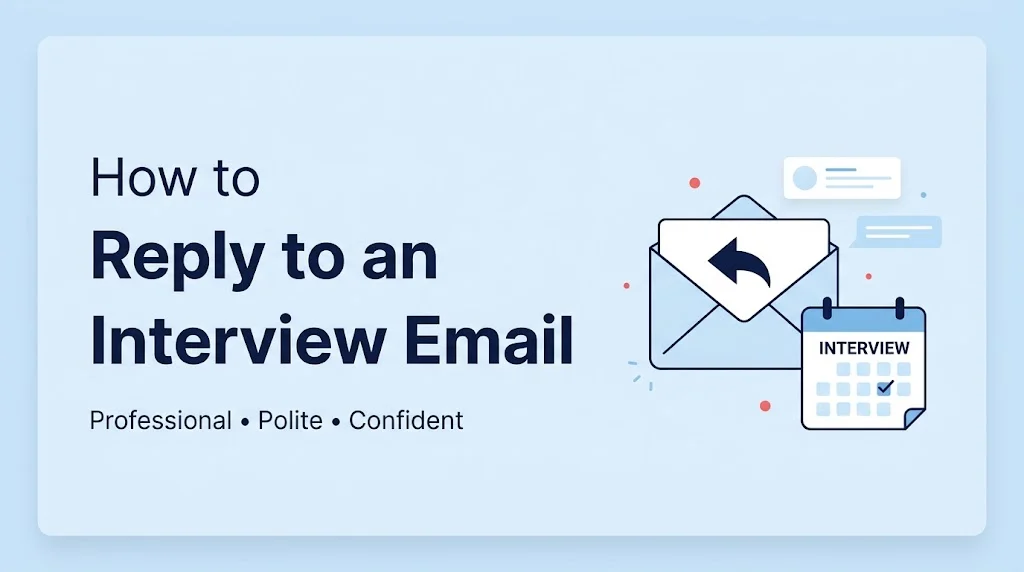
To reply to an interview email, thank the sender, confirm the interview details, show enthusiasm, and keep your message professional. Choose a response based on whether you are accepting, rescheduling, asking questions, or confirming attendance.
Top alternatives: thank you for the interview invitation, interview confirmation email, accepting an interview invitation, interview availability response, professional interview email reply
Getting an interview email can trigger two reactions at once: “Yes!” and “Okay, what exactly am I supposed to say?” Whether the message lands in your inbox from a recruiter, hiring manager, HR team, or potential employer, your reply is often your first direct communication with the company. That makes it worth getting right.
You might need to confirm an interview, choose from several available times, ask whether the meeting is virtual or in person, request a different date, or simply thank the recruiter for the opportunity. A good response should sound confident, professional, and genuinely interested without reading like it was copied from a corporate handbook.
Professional Responses
- Thank you for the interview invitation. I am pleased to confirm my availability.
Example: Use this when you want a polished response to a standard interview invitation.
Meaning: You are professionally accepting the opportunity. - Thank you for reaching out. I would be happy to attend the interview.
Example: Use this when a recruiter contacts you about an available interview.
Meaning: You are expressing interest and willingness to participate. - I appreciate the opportunity and look forward to speaking with you.
Example: Use this when confirming an interview with a hiring manager.
Meaning: You are showing gratitude and enthusiasm. - Thank you for considering my application. I look forward to the interview.
Example: Use this after receiving an invitation following your application.
Meaning: You are acknowledging the employer’s interest professionally. - I am writing to confirm my attendance at the scheduled interview.
Example: Use this when the company has already provided a specific date and time.
Meaning: You are formally confirming your attendance. - Thank you for the invitation. The proposed interview time works well for me.
Example: Use this when the suggested schedule fits your availability.
Meaning: You are accepting the proposed time. - I appreciate the invitation and look forward to discussing the position further.
Example: Use this for a formal corporate or professional role.
Meaning: You are expressing interest in learning more about the position. - Thank you for the opportunity. I am available at the proposed time.
Example: Use this when you want a concise professional reply.
Meaning: You are clearly confirming your availability. - I am pleased to confirm that I will be available for the interview.
Example: Use this when responding to a formal interview invitation.
Meaning: You are confirming attendance in a polished way. - Thank you for arranging the interview. I look forward to speaking with the team.
Example: Use this when several people may participate in the interview.
Meaning: You are showing enthusiasm for meeting the team. - I appreciate your time and consideration. I look forward to our conversation.
Example: Use this when you want your email to sound warm but professional.
Meaning: You are expressing gratitude and anticipation. - Thank you for the invitation. I am happy to confirm my attendance.
Example: Use this for a straightforward confirmation.
Meaning: You are accepting the interview without unnecessary detail. - I am grateful for the opportunity and look forward to discussing my experience.
Example: Use this when the interview relates closely to your professional background.
Meaning: You are connecting your experience with the upcoming discussion. - Thank you for contacting me. I look forward to speaking with you about the role.
Example: Use this when replying directly to a recruiter.
Meaning: You are showing interest in the position. - I appreciate the opportunity to interview and look forward to our discussion.
Example: Use this when you want a polished closing sentence.
Meaning: You are ending the confirmation on a confident note.
Short And Simple Responses
- Thank you. I confirm my availability for the interview.
Example: Use this when you want a direct and efficient email.
Meaning: You are confirming the interview without extra wording. - Thank you for the invitation. I will be available.
Example: Use this for a simple interview confirmation.
Meaning: You are clearly accepting the invitation. - Thank you for reaching out. I look forward to it.
Example: Use this when the recruiter has already provided all necessary details.
Meaning: You are expressing appreciation and enthusiasm. - Confirmed. Thank you for the opportunity.
Example: Use this when responding to a very straightforward scheduling email.
Meaning: You are confirming attendance politely. - Thank you. The scheduled time works for me.
Example: Use this when you have been given a specific interview time.
Meaning: You are accepting the proposed schedule. - I appreciate the invitation and will be available.
Example: Use this when you want a concise professional response.
Meaning: You are acknowledging and accepting the invitation. - Thank you. I look forward to speaking with you.
Example: Use this when confirming a phone or video interview.
Meaning: You are showing positive interest. - Happy to confirm my attendance. Thank you.
Example: Use this for a friendly but professional workplace reply.
Meaning: You are confirming the appointment warmly. - Thank you for the opportunity. I will be there.
Example: Use this when attending an in-person interview.
Meaning: You are confidently confirming attendance. - I am available at the proposed time. Thank you.
Example: Use this when the recruiter asks you to confirm availability.
Meaning: You are giving a clear answer. - Thank you for the invitation. Confirmed.
Example: Use this when the email requires only a quick confirmation.
Meaning: You are keeping your response brief and professional. - The interview time works perfectly for me. Thank you.
Example: Use this when the proposed schedule is convenient.
Meaning: You are confirming that there is no scheduling conflict. - Thank you. I look forward to our conversation.
Example: Use this when the interview is scheduled for a later date.
Meaning: You are expressing anticipation. - I appreciate the invitation and confirm my attendance.
Example: Use this for a formal confirmation.
Meaning: You are accepting the invitation clearly. - Thank you for considering me. I look forward to meeting you.
Example: Use this when attending an in-person interview.
Meaning: You are expressing gratitude and enthusiasm.
Warm And Friendly Responses
- Thank you so much for the invitation. I am looking forward to speaking with you.
Example: Use this when you want your reply to feel professional but personable.
Meaning: You are showing genuine enthusiasm. - I really appreciate the opportunity and look forward to our conversation.
Example: Use this when a recruiter has been especially helpful.
Meaning: You are expressing sincere appreciation. - Thanks for reaching out. I would be happy to attend the interview.
Example: Use this when communicating with a friendly recruiter.
Meaning: You are accepting the invitation warmly. - Thank you for the opportunity. I am excited to learn more about the role.
Example: Use this when the position genuinely interests you.
Meaning: You are showing enthusiasm for the job. - I appreciate the invitation and look forward to meeting everyone.
Example: Use this when the interview involves a panel or team.
Meaning: You are looking forward to meeting the people involved. - Thanks for the invitation. The proposed time works great for me.
Example: Use this when the suggested schedule is convenient.
Meaning: You are accepting the time in a friendly way. - I am glad to have the opportunity to discuss the position with you.
Example: Use this when you want to sound interested without being overly enthusiastic.
Meaning: You are showing professional excitement. - Thank you for reaching out. I am looking forward to the conversation.
Example: Use this after receiving a recruiter message.
Meaning: You are responding warmly and positively. - I appreciate the opportunity and look forward to connecting.
Example: Use this for a remote or virtual interview.
Meaning: You are expressing anticipation for the meeting. - Thanks again for considering my application. I look forward to speaking with you.
Example: Use this after receiving an interview invitation based on your application.
Meaning: You are showing gratitude for being selected. - I am happy to confirm and look forward to meeting you.
Example: Use this when an interview has already been scheduled.
Meaning: You are confirming attendance with warmth. - Thank you for the invitation. I am excited to discuss the opportunity.
Example: Use this when you genuinely want the position.
Meaning: You are communicating strong interest. - I appreciate your message and look forward to the next step.
Example: Use this when the interview is part of a larger hiring process.
Meaning: You are showing continued interest. - Thank you for arranging this. I look forward to speaking with you.
Example: Use this when the recruiter has coordinated the schedule.
Meaning: You are acknowledging their effort. - Thanks for the opportunity. I am looking forward to our discussion.
Example: Use this as a natural closing for a friendly professional email.
Meaning: You are ending positively and confidently.
Responses To Confirm The Date And Time
- Thank you for the invitation. I confirm the interview for Tuesday at 10:00 a.m.
Example: Use this when you want to repeat the exact appointment details.
Meaning: You are confirming that you have the correct schedule. - The proposed date and time work well for me. I look forward to speaking with you.
Example: Use this when the recruiter has suggested one specific appointment.
Meaning: You are accepting the schedule. - I am available at the scheduled time and confirm my attendance.
Example: Use this when the company asks you to confirm.
Meaning: You are clearly accepting the appointment. - Tuesday at 2:00 p.m. works perfectly for me. Thank you.
Example: Use this when selecting a time from a scheduling email.
Meaning: You are confirming a convenient option. - I would be happy to attend at the proposed date and time.
Example: Use this when responding to a formal invitation.
Meaning: You are accepting the suggested schedule. - I confirm that I am available on the proposed date.
Example: Use this when only the date needs confirmation.
Meaning: You are confirming your availability. - The scheduled time is convenient for me. I look forward to the interview.
Example: Use this when you want to combine confirmation with enthusiasm.
Meaning: You are accepting the time and showing interest. - Thank you. I have noted the interview date and time.
Example: Use this when the company has already provided complete scheduling information.
Meaning: You are acknowledging the details. - That time works well for me. I will be available as scheduled.
Example: Use this when confirming a virtual interview.
Meaning: You are assuring the recruiter that you will attend. - I am pleased to confirm the interview for the proposed time.
Example: Use this for a formal workplace communication.
Meaning: You are giving a polished confirmation. - The suggested time works for me. Thank you for arranging it.
Example: Use this when a recruiter schedules the meeting for you.
Meaning: You are confirming the time while showing appreciation. - I confirm my availability for the date and time mentioned below.
Example: Use this when replying to a detailed scheduling email.
Meaning: You are formally acknowledging the appointment. - I will be available at that time and look forward to speaking with you.
Example: Use this when accepting an interview slot.
Meaning: You are confirming attendance positively. - Thank you. I have reserved the time for our interview.
Example: Use this when you want to reassure the recruiter that you have scheduled it.
Meaning: You are indicating that you have committed to the appointment. - The proposed schedule works perfectly. I look forward to our conversation.
Example: Use this when everything in the invitation is convenient.
Meaning: You are confidently accepting the arrangement.
Responses When You Need More Information
- Thank you for the invitation. Could you please confirm whether the interview will be virtual or in person?
Example: Use this when the interview format is unclear.
Meaning: You are asking for essential logistical information. - Could you please share the expected duration of the interview?
Example: Use this when you need to plan your schedule.
Meaning: You want to know how much time to reserve. - Could you please confirm who I will be meeting with?
Example: Use this when the interviewer has not been identified.
Meaning: You want to understand who will conduct the interview. - Would you mind sharing the video meeting link when available?
Example: Use this when the interview is supposed to be online.
Meaning: You are requesting the information needed to join. - Could you please let me know if there is anything I should prepare beforehand?
Example: Use this when you want to prepare effectively.
Meaning: You are asking about presentations, documents, or other requirements. - Could you confirm the interview location and any arrival instructions?
Example: Use this for an in-person interview.
Meaning: You want to avoid confusion on the day. - Will the interview include any technical or skills-based assessment?
Example: Use this when applying for a role that may require testing.
Meaning: You want to understand the interview format. - Could you please confirm the time zone for the scheduled interview?
Example: Use this when interviewing with a company in another region.
Meaning: You want to avoid a scheduling mistake. - Is there anything specific you would recommend reviewing before the interview?
Example: Use this when you want preparation guidance.
Meaning: You are showing initiative and professionalism. - Could you let me know whether the interview will be a one-on-one or panel discussion?
Example: Use this when the invitation does not explain the format.
Meaning: You want to know what type of meeting to expect. - May I ask how many interview stages are included in the process?
Example: Use this when you want to understand the broader hiring process.
Meaning: You are asking about what happens after the first interview. - Could you please share any relevant materials I should review?
Example: Use this when the recruiter suggests preparation.
Meaning: You are asking for resources that may help you prepare. - Would you be able to confirm the interview agenda?
Example: Use this when you want to understand what will be covered.
Meaning: You are asking for more structure. - Could you clarify whether I should bring any documents with me?
Example: Use this for an in-person meeting.
Meaning: You want to arrive prepared. - Thank you for the details. I just have one quick question about the interview format.
Example: Use this when most information is clear but one detail remains uncertain.
Meaning: You are asking for clarification politely.
Enthusiastic Responses
- Thank you for the opportunity. I am genuinely excited to discuss the role.
Example: Use this when the position is one you strongly want.
Meaning: You are expressing sincere enthusiasm. - I am excited to learn more about the position and your team.
Example: Use this when interviewing with a company whose work interests you.
Meaning: You are showing curiosity and enthusiasm. - I really appreciate the invitation and look forward to speaking with you.
Example: Use this after receiving a long-awaited interview invitation.
Meaning: You are warmly acknowledging the opportunity. - I am delighted to have the opportunity to interview for this position.
Example: Use this for a formal but enthusiastic email.
Meaning: You are showing strong interest. - I am looking forward to discussing how my experience could contribute to the team.
Example: Use this when your background aligns strongly with the position.
Meaning: You are confidently connecting your skills to the role. - Thank you for considering my application. I am excited about the possibility of joining your team.
Example: Use this when the company is especially appealing to you.
Meaning: You are communicating genuine interest in the employer. - I am very pleased to receive the invitation and look forward to our conversation.
Example: Use this when you want an enthusiastic but polished tone.
Meaning: You are excited while remaining professional. - I look forward to learning more about the role and sharing more about my experience.
Example: Use this when you want a balanced professional response.
Meaning: You are interested in both the position and the opportunity to present your background. - Thank you for this opportunity. I am looking forward to meeting the team.
Example: Use this when the interview includes multiple team members.
Meaning: You are showing enthusiasm for the people you will meet. - I am excited to continue the conversation about this opportunity.
Example: Use this after an initial recruiter conversation.
Meaning: You are showing continued interest. - I appreciate the invitation and am looking forward to the next step.
Example: Use this when the interview is part of a multi-stage hiring process.
Meaning: You are eager to move forward. - I am excited to discuss the role and how I can contribute.
Example: Use this when your skills closely match the job description.
Meaning: You are showing confidence and enthusiasm. - Thank you for reaching out. I am looking forward to speaking with you and learning more.
Example: Use this when you want an approachable professional tone.
Meaning: You are expressing interest without sounding excessive. - I am grateful for the opportunity and excited about the conversation ahead.
Example: Use this when you want your response to sound warm and sincere.
Meaning: You are combining appreciation with enthusiasm. - I look forward to discussing the opportunity in more detail.
Example: Use this as a professional closing sentence.
Meaning: You are signaling strong interest in continuing the process.
Confident Responses
- Thank you for the invitation. I look forward to discussing how my experience aligns with the role.
Example: Use this when you want to confidently highlight your qualifications.
Meaning: You are presenting yourself as a capable candidate. - I appreciate the opportunity and look forward to demonstrating how I can contribute.
Example: Use this when you have strong experience relevant to the position.
Meaning: You are confidently focusing on your value. - I am pleased to confirm and look forward to discussing my qualifications.
Example: Use this for a formal interview confirmation.
Meaning: You are confidently preparing to present your background. - Thank you. I look forward to sharing how my skills can support the team.
Example: Use this when the position closely matches your expertise.
Meaning: You are focusing on the value you can provide. - I am confident that the conversation will be a valuable opportunity for both sides.
Example: Use this when you want to sound mature and assured.
Meaning: You see the interview as a mutual evaluation. - I look forward to discussing the experience I can bring to this position.
Example: Use this when your professional background is a strong match.
Meaning: You are emphasizing your relevant experience. - Thank you for the opportunity. I look forward to discussing the role and its expectations.
Example: Use this when you want to sound prepared and thoughtful.
Meaning: You are interested in understanding the position fully. - I appreciate your consideration and look forward to the discussion.
Example: Use this when you want a concise confident closing.
Meaning: You are acknowledging the opportunity without sounding uncertain. - I am available as scheduled and look forward to discussing the position.
Example: Use this when confirming an interview date.
Meaning: You are confident and prepared. - Thank you for reaching out. I look forward to discussing how my background fits the role.
Example: Use this when responding to a recruiter.
Meaning: You are confidently positioning your experience. - I am pleased to move forward and look forward to our conversation.
Example: Use this after passing an initial screening.
Meaning: You are showing confidence about progressing. - I look forward to discussing the opportunity and the value I can bring.
Example: Use this when you have strong qualifications.
Meaning: You are focusing on your contribution. - Thank you for the invitation. I am prepared and look forward to speaking with you.
Example: Use this when you have already researched the company.
Meaning: You are communicating readiness. - I appreciate the opportunity and look forward to a productive conversation.
Example: Use this in a senior or professional role application.
Meaning: You are setting a confident and mature tone. - I look forward to exploring how my experience can support your team’s goals.
Example: Use this when applying for a role with clear team objectives.
Meaning: You are connecting your expertise with the employer’s needs.
Casual But Professional Responses
- Thanks for reaching out. I would be happy to chat about the role.
Example: Use this when communicating with a casual but professional recruiter.
Meaning: You are accepting the invitation naturally. - Thanks for the invitation. The proposed time works for me.
Example: Use this when the recruiter has suggested a convenient time.
Meaning: You are confirming the schedule without sounding overly formal. - Sounds great. I look forward to speaking with you.
Example: Use this when the recruiter has a friendly communication style.
Meaning: You are responding positively and naturally. - Thanks for the opportunity. I am looking forward to it.
Example: Use this when you want a relaxed professional tone.
Meaning: You are showing enthusiasm. - Happy to connect. The suggested time works well for me.
Example: Use this for an informal virtual interview.
Meaning: You are accepting the appointment warmly. - Thanks for reaching out. I am available and looking forward to the conversation.
Example: Use this when the recruiter asks about your availability.
Meaning: You are confirming your schedule while showing interest. - Absolutely. I would be glad to speak with you.
Example: Use this when you want to sound confident and approachable.
Meaning: You are enthusiastically accepting. - That works for me. Thanks for setting it up.
Example: Use this when the recruiter handles the scheduling.
Meaning: You are acknowledging the arrangement casually. - Thanks again. I look forward to chatting with you.
Example: Use this when the company’s communication style is relaxed.
Meaning: You are keeping the tone warm and approachable. - I would be happy to join at that time. Thank you.
Example: Use this when confirming a video call.
Meaning: You are accepting the appointment politely. - Perfect, thank you. I will be available then.
Example: Use this when the proposed time is convenient.
Meaning: You are giving a quick confirmation. - Thanks for the details. I am looking forward to it.
Example: Use this after receiving interview logistics.
Meaning: You are acknowledging the information positively. - That sounds good. I appreciate the opportunity.
Example: Use this when you want a natural response.
Meaning: You are accepting the interview warmly. - Thanks for the invitation. Happy to connect.
Example: Use this for a short recruiter email.
Meaning: You are expressing openness to the conversation. - Looking forward to speaking with you. Thanks again.
Example: Use this as a simple closing for a friendly email.
Meaning: You are ending on a positive note.
Follow-Up And Confirmation Responses
- Thank you for confirming the interview. I look forward to speaking with you.
Example: Use this after the recruiter confirms the appointment.
Meaning: You are acknowledging the confirmation. - Thank you for the update. I have noted the interview details.
Example: Use this when HR sends final scheduling information.
Meaning: You are confirming that you received the details. - I appreciate the confirmation and look forward to our conversation.
Example: Use this after your interview appointment is finalized.
Meaning: You are responding professionally and positively. - Thank you for sharing the meeting details. I will be available as scheduled.
Example: Use this after receiving a virtual meeting link.
Meaning: You are confirming that you are prepared to attend. - Everything is clear. Thank you for the information.
Example: Use this when the recruiter has answered your questions.
Meaning: You are acknowledging that you have what you need. - Thank you. I have received the interview link and details.
Example: Use this after receiving virtual interview instructions.
Meaning: You are confirming receipt. - I appreciate the update. I look forward to speaking with the team.
Example: Use this when HR confirms a panel interview.
Meaning: You are acknowledging the update positively. - Thank you for confirming. I will be ready at the scheduled time.
Example: Use this shortly before the interview.
Meaning: You are reassuring the recruiter that you are prepared. - Thanks for sending the information. I have everything I need.
Example: Use this when the recruiter provides complete interview instructions.
Meaning: You are confirming that no further information is necessary. - Thank you for the clarification. I look forward to the interview.
Example: Use this after receiving an answer to a question.
Meaning: You are acknowledging their help and maintaining enthusiasm. - I appreciate the details and look forward to our conversation.
Example: Use this when the interview information has been finalized.
Meaning: You are closing the exchange professionally. - Thank you for confirming the schedule. I will see you then.
Example: Use this for an in-person or video interview.
Meaning: You are confirming the final arrangement. - Received, thank you. I look forward to speaking with you.
Example: Use this for a short professional confirmation.
Meaning: You are acknowledging receipt and showing interest. - Thank you for the update. I have added the interview to my calendar.
Example: Use this when you want to reassure the recruiter that you noted the appointment.
Meaning: You are confirming that you have recorded the schedule. - Everything looks good. Thank you, and I look forward to the conversation.
Example: Use this when all interview arrangements are complete.
Meaning: You are ending the exchange warmly and professionally.
FAQs
How should I reply to an interview email?
Thank the sender, confirm your availability, repeat the date and time if useful, and end by showing that you look forward to the conversation.
Should I reply to an interview invitation immediately?
Ideally, yes. A prompt response shows professionalism and makes scheduling easier for the employer.
How do I accept an interview invitation?
You can say, “Thank you for the invitation. I am pleased to confirm my availability and look forward to speaking with you.”
What if the interview time does not work for me?
Thank the sender and politely request another time. Offering two or three alternative time slots can make rescheduling easier.
Should I ask questions in my interview email reply?
Yes, if important details are missing. You can ask about the format, location, duration, interviewer, meeting link, or preparation requirements.
Conclusion
A good interview email reply does not need to be complicated. Thank the sender, confirm the important details, communicate your availability, and show genuine interest in the opportunity. The best response sounds like you, while still meeting professional expectations.
Whether you need a formal confirmation, a quick reply, a rescheduling request, or a message asking for more information, the examples above give you a strong starting point. Personalize the wording with the interviewer’s name, date, time, and role details before sending. A thoughtful email can create a positive first impression before you even join the interview.
Save these examples, share them with someone preparing for a job search, and choose the response that fits your situation best.
Discover More Related Articles:
- US Response to Pearl Harbor | Reactions, Facts & Powerful Comments In 2026
- How to Respond to Buenos Dias | From Your Crush In 2026

Richard Scott is an experienced author dedicated to creating compelling and well-researched content for online audiences. As a contributor to Responary.com, he enjoys sharing knowledge through clear, engaging, and informative articles that connect with readers worldwide.