Quick Answer
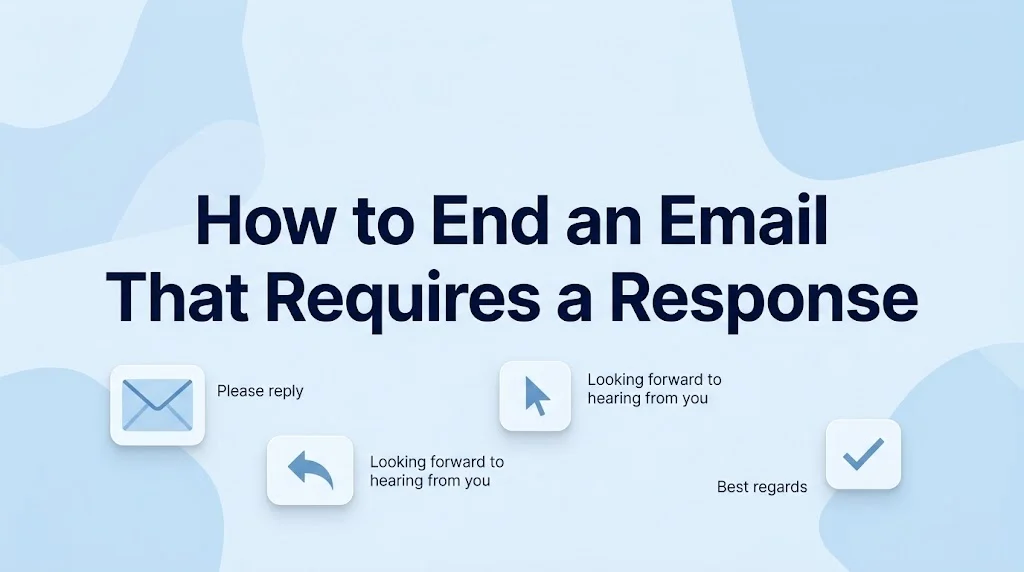
If you need a response, end your email with a clear, polite call to action that makes it easy for the recipient to know what you need. Try Please let me know your thoughts, I look forward to your response, Could you please confirm, I would appreciate your feedback, Please get back to me when you can.
Ending an email can feel strangely difficult. You have explained everything perfectly, but then comes the final line: How do I actually ask them to respond without sounding pushy? Whether you are emailing a manager, client, coworker, recruiter, teacher, customer, or someone you have never contacted before, your closing sentence can influence what happens next.
A vague ending may get ignored, while a clear and friendly request gives the reader an obvious next step. The trick is finding the right balance between professional, polite, confident, and direct. You do not want to sound demanding, but you also do not want your request hiding in the email equivalent of a junk drawer. These ready-to-use endings cover formal, friendly, professional, urgent, casual, and follow-up situations.
Professional Email Endings
- Please let me know your thoughts.
Example: Use this when asking a colleague or client to review your proposal.
Meaning: You are politely requesting their opinion. - I look forward to your response.
Example: Use this when you expect the recipient to reply after reviewing your message.
Meaning: You are clearly indicating that a response is expected. - I would appreciate your feedback.
Example: Use this after sharing a draft or project for review.
Meaning: You are asking for constructive input. - Please let me know how you would like to proceed.
Example: Use this when a recipient needs to choose the next step.
Meaning: You are asking them to provide direction. - I look forward to hearing from you.
Example: Use this when ending a professional request.
Meaning: You are politely expressing your expectation of a reply. - Please share your thoughts when you have a moment.
Example: Use this when the request is important but not urgent.
Meaning: You are asking for feedback without creating pressure. - Your response would be greatly appreciated.
Example: Use this when requesting information from a professional contact.
Meaning: You are emphasizing the value of their reply. - Please confirm when you have a chance.
Example: Use this when you need confirmation about an arrangement.
Meaning: You are asking the recipient to verify something. - I would be grateful for your response.
Example: Use this when making a formal request.
Meaning: You are showing appreciation for their time and reply. - Please let me know your availability.
Example: Use this when trying to schedule a meeting.
Meaning: You are asking the recipient to provide suitable times. - I look forward to your feedback.
Example: Use this after sending work that needs review.
Meaning: You are inviting their comments. - Please advise on the next steps.
Example: Use this when you need guidance from a manager or client.
Meaning: You are requesting direction. - I would appreciate a response at your earliest convenience.
Example: Use this for a professional matter that needs timely attention.
Meaning: You are requesting a prompt but courteous reply. - Please let me know if this works for you.
Example: Use this when proposing a date, time, or plan.
Meaning: You are asking for confirmation. - I look forward to your confirmation.
Example: Use this after proposing an appointment or arrangement.
Meaning: You are expecting confirmation before proceeding.
Polite Email Endings
- Whenever you have a moment, please let me know.
Example: Use this when your request is not urgent.
Meaning: You are asking for a response in a relaxed way. - When you have a chance, I would appreciate your thoughts.
Example: Use this after sharing an idea with a colleague.
Meaning: You want feedback without sounding demanding. - Please feel free to share your thoughts.
Example: Use this when inviting an open response.
Meaning: You are making the recipient comfortable giving feedback. - I would be happy to hear your thoughts.
Example: Use this when discussing an idea or proposal.
Meaning: You genuinely welcome their opinion. - Please let me know what you think.
Example: Use this after asking someone to review something.
Meaning: You want a simple opinion or reaction. - I would appreciate any feedback you can provide.
Example: Use this when requesting detailed input.
Meaning: You value whatever useful feedback they can offer. - Please let me know if you have any questions.
Example: Use this after providing information or documents.
Meaning: You invite the recipient to respond with questions. - I would be grateful if you could confirm.
Example: Use this when confirmation is needed.
Meaning: You are making a courteous confirmation request. - Please respond when convenient.
Example: Use this when there is no immediate deadline.
Meaning: You want a response while respecting their schedule. - I hope to hear from you soon.
Example: Use this when waiting for an important reply.
Meaning: You politely indicate that you are anticipating a response. - Thank you for taking the time to consider this.
Example: Use this when making a thoughtful request.
Meaning: You acknowledge the recipient’s time and attention. - I would value your perspective.
Example: Use this when seeking an experienced person’s opinion.
Meaning: You consider their viewpoint particularly useful. - Please let me know what would work best for you.
Example: Use this when offering multiple possible arrangements.
Meaning: You are asking them to choose their preferred option. - Any thoughts you can share would be helpful.
Example: Use this when requesting informal feedback.
Meaning: You are inviting their input without pressure. - Thank you in advance for your response.
Example: Use this when you have made a clear request that requires an answer.
Meaning: You are expressing appreciation for the anticipated reply.
Formal Email Endings
- I would appreciate your response at your earliest convenience.
Example: Use this for formal business correspondence.
Meaning: You are requesting a timely response respectfully. - I look forward to receiving your response.
Example: Use this in formal correspondence where an answer is expected.
Meaning: You are clearly anticipating their reply. - Kindly confirm receipt of this email.
Example: Use this when you need confirmation that your message arrived.
Meaning: You are requesting acknowledgment. - Please provide your response at your earliest convenience.
Example: Use this for a formal request requiring attention.
Meaning: You are asking for a timely answer. - I would be grateful for your prompt response.
Example: Use this when timing matters.
Meaning: You are politely emphasizing urgency. - Please advise at your earliest convenience.
Example: Use this when you need professional guidance.
Meaning: You are requesting direction as soon as reasonably possible. - Your prompt attention to this matter would be appreciated.
Example: Use this when a formal issue requires action.
Meaning: You are requesting timely attention and response. - I kindly request your confirmation.
Example: Use this when confirmation is necessary for the next step.
Meaning: You are formally asking for acknowledgment. - Please confirm whether the proposed arrangement is acceptable.
Example: Use this when presenting a formal plan.
Meaning: You need the recipient to approve or reject it. - I would appreciate confirmation by the indicated date.
Example: Use this when your request has a specific deadline.
Meaning: You are establishing when a response is needed. - Please let me know if any additional information is required.
Example: Use this when submitting documents for consideration.
Meaning: You invite the recipient to request anything missing. - I look forward to receiving your decision.
Example: Use this after making a formal proposal.
Meaning: You are awaiting their final determination. - Please acknowledge receipt at your convenience.
Example: Use this when you need confirmation that an important document was received.
Meaning: You are requesting acknowledgment politely. - I respectfully request your feedback.
Example: Use this in formal correspondence involving review.
Meaning: You are making a courteous request for input. - Thank you for your consideration, and I look forward to your response.
Example: Use this when closing a formal request.
Meaning: You combine appreciation with a clear expectation of a reply.
Friendly Professional Endings
- Let me know what you think.
Example: Use this with a coworker you communicate with regularly.
Meaning: You want their opinion in a natural way. - Would love to hear your thoughts.
Example: Use this after sharing a creative idea with a teammate.
Meaning: You warmly invite their feedback. - Let me know what works best for you.
Example: Use this when coordinating plans with a colleague.
Meaning: You are giving them flexibility to choose. - Looking forward to hearing what you think.
Example: Use this after sending a proposal to a familiar professional contact.
Meaning: You are showing genuine interest in their reaction. - Let me know if you are good with this.
Example: Use this when asking a teammate to approve a plan.
Meaning: You are requesting a quick confirmation. - Happy to hear any feedback.
Example: Use this after sharing work with your team.
Meaning: You are open to suggestions or criticism. - Let me know if this sounds good.
Example: Use this after suggesting an idea.
Meaning: You want the recipient to approve or comment on it. - What do you think?
Example: Use this with a trusted coworker after presenting an idea.
Meaning: You are directly asking for their opinion. - Keep me posted.
Example: Use this when waiting for an update.
Meaning: You want the recipient to communicate developments. - Let me know when you get a chance.
Example: Use this for a non-urgent request.
Meaning: You are asking for a reply while respecting their schedule. - Would appreciate your take on this.
Example: Use this when asking a colleague for their perspective.
Meaning: You value their personal professional opinion. - Let me know your preference.
Example: Use this when giving someone options.
Meaning: You want them to select one. - Feel free to send over any thoughts.
Example: Use this after sharing a draft.
Meaning: You welcome their feedback. - Let me know where you land on this.
Example: Use this when waiting for someone to make a decision.
Meaning: You want to know their final position. - Looking forward to your thoughts.
Example: Use this as a friendly professional closing.
Meaning: You are anticipating their response.
Direct Email Endings
- Please reply with your confirmation.
Example: Use this when you need a definite yes or no.
Meaning: You are asking for a direct answer. - Please confirm by Friday.
Example: Use this when a specific deadline applies.
Meaning: You clearly communicate when you need a response. - Please let me know whether you approve this.
Example: Use this when requesting authorization.
Meaning: You need an explicit approval or rejection. - Please send your decision when ready.
Example: Use this when waiting for someone to decide.
Meaning: You want their final answer. - I need your confirmation before proceeding.
Example: Use this when you cannot take the next step without approval.
Meaning: You clearly explain why a reply is necessary. - Please confirm your availability.
Example: Use this when arranging a meeting or appointment.
Meaning: You need their available times. - Please let me know which option you prefer.
Example: Use this after presenting several choices.
Meaning: You want them to select one option. - Please reply with any changes you would like made.
Example: Use this when sending a draft for approval.
Meaning: You are asking them to identify revisions. - Please confirm whether we can move forward.
Example: Use this after discussing a project or proposal.
Meaning: You need authorization to continue. - I would appreciate your decision by the deadline.
Example: Use this when timing is important.
Meaning: You are requesting a decision within a specific timeframe. - Please let me know if I should proceed.
Example: Use this when you are waiting for instructions.
Meaning: You need permission or direction. - Please reply with your preferred date.
Example: Use this when scheduling an event.
Meaning: You need them to choose a date. - Please confirm the details above.
Example: Use this after summarizing an agreement.
Meaning: You want the recipient to verify the information. - Please let me know your decision.
Example: Use this after making a request that requires approval.
Meaning: You are asking for a clear outcome. - I would appreciate a quick confirmation.
Example: Use this when the request is simple and time-sensitive.
Meaning: You want a short reply soon.
Email Endings That Encourage Quick Replies
- A quick confirmation would be greatly appreciated.
Example: Use this when you only need a simple yes or no.
Meaning: You are making the expected response feel easy. - Could you please confirm when you have a moment?
Example: Use this for a small but necessary request.
Meaning: You politely ask for acknowledgment. - A brief reply would be perfect.
Example: Use this when you do not need a detailed answer.
Meaning: You are making the request simple. - Please send me a quick update when possible.
Example: Use this when waiting for project progress.
Meaning: You need a short status update. - Even a quick yes or no would help.
Example: Use this when you only need a binary answer.
Meaning: You are lowering the effort required to respond. - Could you confirm this for me today?
Example: Use this when you genuinely need an answer the same day.
Meaning: You are clearly communicating urgency. - A quick response will help us keep things moving.
Example: Use this when a project depends on their reply.
Meaning: You explain why their response matters. - Please let me know as soon as you can.
Example: Use this when timing is important but not necessarily urgent.
Meaning: You are requesting a reasonably prompt response. - Could you send a quick confirmation?
Example: Use this after making a straightforward request.
Meaning: You want a short acknowledgment. - Please get back to me when possible.
Example: Use this for a moderately time-sensitive matter.
Meaning: You want a response without demanding an immediate answer. - Your quick confirmation would help me finalize this.
Example: Use this when your next action depends on their reply.
Meaning: You explain the practical reason for responding. - Please let me know today if possible.
Example: Use this when a same-day answer would be useful.
Meaning: You communicate a preferred response timeframe. - Could you please reply with your preference?
Example: Use this when the recipient needs to choose between options.
Meaning: You make the requested response specific. - A short reply is all I need.
Example: Use this when you do not want to burden the recipient.
Meaning: You are making the response feel quick and manageable. - Please reply when you can so I can take the next step.
Example: Use this when your work depends on their answer.
Meaning: You connect their response directly to your next action.
Follow-Up Email Endings
- Just checking in to see if you had a chance to review this.
Example: Use this when your previous email has not received a response.
Meaning: You are politely following up without sounding aggressive. - I wanted to follow up and see what you think.
Example: Use this when waiting for feedback on an earlier message.
Meaning: You are reminding them that you need their opinion. - Please let me know if you have had a chance to consider this.
Example: Use this after giving someone time to review your request.
Meaning: You are gently asking for an update. - I would appreciate any update you can share.
Example: Use this when following up on a pending matter.
Meaning: You want to know the current status. - I wanted to check whether there are any updates.
Example: Use this when waiting for progress.
Meaning: You are requesting a status update. - Please let me know if you need anything else from me.
Example: Use this when your request may be delayed because of missing information.
Meaning: You are offering to help move things forward. - I am following up to see how we should proceed.
Example: Use this when you need direction after an earlier email.
Meaning: You want the recipient to determine the next step. - Do you have any updates you can share?
Example: Use this with a colleague during an ongoing project.
Meaning: You are directly asking for new information. - I would be grateful for an update when you have a chance.
Example: Use this when following up on a professional request.
Meaning: You want information while remaining courteous. - Please let me know where things stand.
Example: Use this when waiting for a decision or progress report.
Meaning: You want to know the current status. - I wanted to make sure my previous email did not get missed.
Example: Use this when a response has taken longer than expected.
Meaning: You are gently reminding the recipient about your earlier message. - When you have a moment, could you please update me?
Example: Use this when requesting a progress update.
Meaning: You want information without sounding demanding. - I look forward to hearing any updates.
Example: Use this when waiting for news about a project.
Meaning: You are keeping the tone positive while requesting information. - Please let me know if this is still under consideration.
Example: Use this when waiting for a decision.
Meaning: You want to know whether the matter remains active. - I would appreciate hearing from you when you have an update.
Example: Use this for a polite follow-up.
Meaning: You are requesting communication whenever new information becomes available.
Email Endings For A Manager
- Please let me know how you would like me to proceed.
Example: Use this when you need your manager’s direction.
Meaning: You are asking for instructions. - I would appreciate your guidance on this.
Example: Use this when facing a decision that requires managerial input.
Meaning: You are respectfully requesting advice. - Please let me know if you would like me to make any changes.
Example: Use this after submitting work for review.
Meaning: You are inviting revision requests. - Could you please confirm whether I should move forward?
Example: Use this when you need approval before taking action.
Meaning: You are asking for authorization. - I look forward to your feedback on this.
Example: Use this after sharing a project update.
Meaning: You want your manager’s assessment. - Please let me know if this approach works for you.
Example: Use this after suggesting a strategy.
Meaning: You are asking for approval of your approach. - I would appreciate your thoughts before I proceed.
Example: Use this when you want guidance before acting.
Meaning: You are asking for input first. - Please advise on how you would like to proceed.
Example: Use this when multiple next steps are possible.
Meaning: You want your manager to choose the direction. - Could you please review this when you have a chance?
Example: Use this when asking for feedback on work.
Meaning: You are requesting a review respectfully. - Let me know if you are comfortable with this plan.
Example: Use this after outlining a proposed course of action.
Meaning: You want approval before continuing. - Please let me know if there is anything you would like adjusted.
Example: Use this after submitting a document.
Meaning: You are inviting specific changes. - I would value your feedback before finalizing this.
Example: Use this when preparing an important deliverable.
Meaning: You want input before completion. - Please confirm whether this meets your expectations.
Example: Use this after completing assigned work.
Meaning: You are asking whether the result is acceptable. - I am happy to revise this based on your feedback.
Example: Use this when sending an early draft.
Meaning: You show openness to changes. - Please let me know what you would prefer.
Example: Use this when your manager needs to choose between options.
Meaning: You are asking for their preference.
Email Endings For Clients
- Please let me know if you would like to proceed.
Example: Use this after presenting a service or proposal.
Meaning: You are asking the client to make a decision. - I would be happy to answer any questions.
Example: Use this after sending a proposal.
Meaning: You invite the client to respond with concerns. - Please let me know which option works best for you.
Example: Use this when offering several solutions.
Meaning: You want the client to select an option. - I look forward to hearing your thoughts.
Example: Use this after sharing project recommendations.
Meaning: You are inviting client feedback. - Please confirm whether the proposed timeline works for you.
Example: Use this when discussing project scheduling.
Meaning: You need the client’s approval of the timeline. - Let me know if you would like me to make any adjustments.
Example: Use this after sending a draft or concept.
Meaning: You are inviting revision requests. - Please let me know how you would like to move forward.
Example: Use this after presenting next steps.
Meaning: You want the client to choose the direction. - I would appreciate your confirmation before proceeding.
Example: Use this when client approval is required.
Meaning: You need authorization before taking action. - Please share any questions or concerns you may have.
Example: Use this after sending important project information.
Meaning: You encourage an open response. - I look forward to your approval.
Example: Use this when waiting for a client’s sign-off.
Meaning: You are anticipating authorization. - Please confirm the details at your convenience.
Example: Use this after summarizing an agreement.
Meaning: You want the client to verify the information. - Your feedback will help us finalize the next steps.
Example: Use this when a project depends on client input.
Meaning: You explain why their response matters. - Please let me know if everything looks good.
Example: Use this after sending a completed draft.
Meaning: You want confirmation that no changes are needed. - I would be glad to discuss this further.
Example: Use this when a client may need clarification.
Meaning: You invite continued conversation. - Please let me know your preferred next step.
Example: Use this when the client has several possible options.
Meaning: You are asking them to choose how to continue.
Casual Email Endings
- Let me know!
Example: Use this when asking a friend or familiar coworker for a quick answer.
Meaning: You want them to respond simply. - What do you think?
Example: Use this after sharing an idea casually.
Meaning: You want their honest opinion. - Get back to me when you can.
Example: Use this when there is no urgent deadline.
Meaning: You want a response whenever they are available. - Let me know what works.
Example: Use this when making plans.
Meaning: You want them to choose a suitable option. - Shoot me a reply when you get a chance.
Example: Use this with a close colleague or friend.
Meaning: You are casually asking for a response. - Drop me a quick note when you can.
Example: Use this when you only need a short answer.
Meaning: You are keeping the request relaxed. - Keep me posted.
Example: Use this when waiting for updates.
Meaning: You want them to keep communicating with you. - Let me know what you decide.
Example: Use this when someone needs to make a choice.
Meaning: You want to hear their final decision. - Let me know if you are in.
Example: Use this when inviting someone to an event or plan.
Meaning: You want confirmation that they will participate. - Send me your thoughts when you can.
Example: Use this after sharing something for feedback.
Meaning: You want their opinion without pressure. - Tell me what you think.
Example: Use this when you want an honest reaction.
Meaning: You are directly inviting their opinion. - Let me know what you think!
Example: Use this in an upbeat email to someone you know well.
Meaning: You want feedback with an enthusiastic tone. - Give me a shout when you know.
Example: Use this in an informal professional relationship.
Meaning: You want them to contact you once they have an answer. - Let me know when you are free.
Example: Use this when arranging a call or meeting.
Meaning: You want their available time. - Talk soon, and let me know.
Example: Use this when ending a friendly ongoing exchange.
Meaning: You expect the conversation to continue.
Urgent Email Endings
- Please respond by the end of the day if possible.
Example: Use this when a same-day response is genuinely necessary.
Meaning: You clearly communicate urgency. - I would appreciate your response as soon as possible.
Example: Use this when timing is important.
Meaning: You are requesting a prompt reply. - Could you please confirm today?
Example: Use this when today’s confirmation is necessary.
Meaning: You are asking for a specific timeframe. - Please let me know as soon as you can.
Example: Use this when you need information quickly.
Meaning: You are communicating urgency politely. - A prompt response would help us keep things on schedule.
Example: Use this when a project deadline depends on their answer.
Meaning: You explain the reason for urgency. - Please confirm at your earliest convenience.
Example: Use this when you need a timely response without sounding harsh.
Meaning: You are requesting prompt attention. - Could you please prioritize this when possible?
Example: Use this when the matter has become time-sensitive.
Meaning: You are asking them to give the request priority. - Please send your response before the deadline noted above.
Example: Use this when a specific deadline has already been provided.
Meaning: You reinforce the required response time. - I would appreciate a response today if possible.
Example: Use this when same-day feedback would prevent delays.
Meaning: You are requesting timely communication. - Please let me know immediately if there are any issues.
Example: Use this when problems could affect an important deadline.
Meaning: You want prompt notification of concerns. - Your prompt confirmation would allow us to proceed.
Example: Use this when approval is blocking the next step.
Meaning: You explain why speed matters. - Please confirm as soon as practical.
Example: Use this when the situation is urgent but still professional.
Meaning: You want the response quickly without demanding an unrealistic deadline. - I would appreciate your attention to this today.
Example: Use this when the matter requires same-day action.
Meaning: You are emphasizing today’s priority. - Please get back to me before we finalize the arrangement.
Example: Use this when a decision must happen before completion.
Meaning: You need their response before moving forward. - Please let me know promptly so I can take the next step.
Example: Use this when your action depends directly on their reply.
Meaning: You connect the urgency to a practical next step.
Warm And Appreciative Endings
- Thank you, and I look forward to hearing from you.
Example: Use this after making a professional request.
Meaning: You combine appreciation with an expectation of response. - Thank you for your time, and I would appreciate your thoughts.
Example: Use this after requesting feedback.
Meaning: You recognize their effort while inviting a reply. - Thanks again, and please let me know what you think.
Example: Use this with a familiar professional contact.
Meaning: You close warmly while requesting feedback. - Thank you for considering this. I look forward to your response.
Example: Use this after making a formal proposal.
Meaning: You show appreciation and clearly request an answer. - Many thanks, and I hope to hear from you soon.
Example: Use this for a warm professional request.
Meaning: You express gratitude while anticipating a reply. - Thank you for taking the time to review this.
Example: Use this after sending a document for review.
Meaning: You acknowledge the recipient’s effort. - Thanks for your help. Please let me know what you think.
Example: Use this when a colleague has already assisted you.
Meaning: You appreciate their support and request further input. - Thank you in advance for getting back to me.
Example: Use this when your request clearly requires a reply.
Meaning: You appreciate their anticipated response. - I appreciate your time and look forward to hearing from you.
Example: Use this when contacting someone whose schedule is busy.
Meaning: You show respect for their time while requesting a reply. - Thank you for your consideration, and please let me know your thoughts.
Example: Use this after presenting an idea or request.
Meaning: You combine courtesy with a clear invitation to respond. - Thanks again. I would be grateful for your feedback.
Example: Use this after receiving help on a project.
Meaning: You appreciate their support and want their opinion. - Thank you for your attention to this matter.
Example: Use this for a formal request requiring consideration.
Meaning: You acknowledge their attention and effort. - Many thanks for reviewing this. I look forward to your feedback.
Example: Use this after submitting work for approval.
Meaning: You express appreciation and invite their response. - I appreciate your help and look forward to hearing from you.
Example: Use this when someone is assisting with a problem.
Meaning: You thank them while keeping communication open. - Thank you again. Please let me know if you have any questions.
Example: Use this after providing information or documents.
Meaning: You close warmly while inviting further communication.
FAQs
How should I end an email that requires a response?
Use a clear closing sentence that tells the recipient exactly what you need, such as “Please let me know your thoughts” or “Could you please confirm?”
What is the most professional way to ask for a response?
“I look forward to your response” is professional and clear. For a more formal request, try “I would appreciate your response at your earliest convenience.”
How do I ask for a response without sounding demanding?
Use language that respects the recipient’s time, such as “When you have a chance, please let me know your thoughts.”
Conclusion
A good email ending does more than wrap up your message. It tells the reader exactly what should happen next without making the request feel awkward or demanding. The best closing depends on your relationship, urgency, and purpose. A client may need a polished request, a manager may need
a clear decision point, while a coworker may respond better to something simple and natural. The key is to make your requested action obvious. Instead of hoping someone figures out that you need a reply, give them an easy reason and an easy way to respond. Save these endings for your next email, mix them with your own voice, and make every message easier to answer.
Discover More Related Articles:
- Reply for Thank You | Formal, Casual & Funny Options In 2026
- How to Reply to a Google Review | Without Sounding Generic In 2026

Jennifer Wilson is an experienced writer and content creator with over 20 years of expertise in digital publishing, lifestyle, and informative content. Holding a degree in English Literature, she contributes to Responary.Com, where she shares engaging, well-researched articles that help readers stay informed and inspired.