Quick Answer
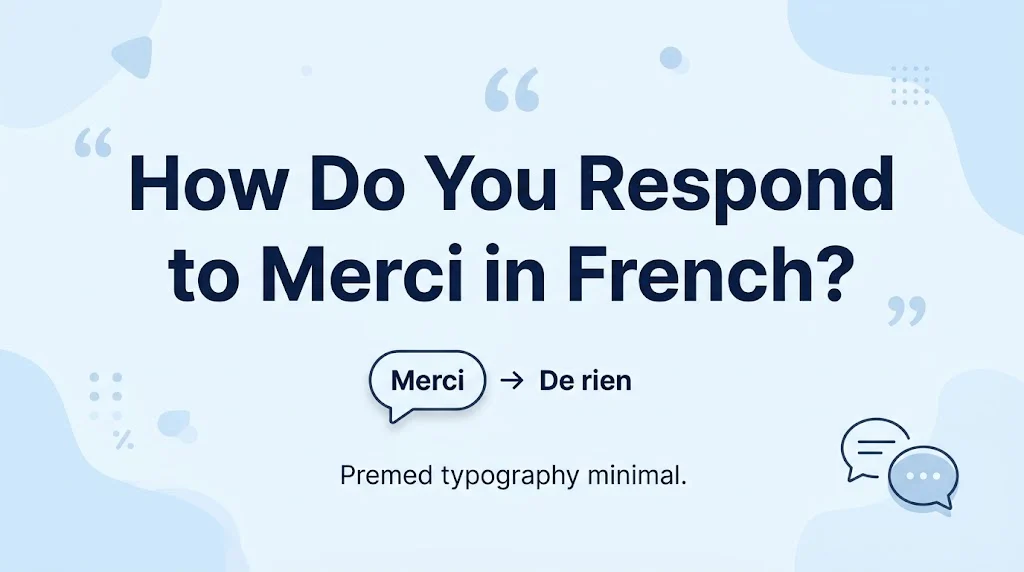
The most natural ways to respond to “merci” in French are de rien, je vous en prie, avec plaisir, pas de souci, and je t’en prie. Choose based on whether the situation is casual, polite, professional, warm, or playful.
Top alternatives: de rien, je vous en prie, avec plaisir, pas de souci, je t’en prie
Someone says “how do you respond to merci in french,” and suddenly you are wondering whether “de rien” sounds too basic, “je vous en prie” sounds too formal, or whether you can casually throw in something more charming. French has several natural ways to respond to “thank you,” and the best choice depends on who you are talking to and the vibe of the moment.
A friend, coworker, stranger, teacher, crush, or client may each call for a slightly different response. Knowing these little differences can make your French sound much more natural and confident. Whether you are texting, chatting in person, replying to a DM, traveling in France, or practicing your language skills, having a few options ready means you will never freeze after hearing “merci.” Here are easy, natural replies for almost every situation.
Casual Responses
- De rien.
Example: Use this when a friend thanks you for doing something small.
Meaning: It means you are welcome and that the favor was no trouble. - Pas de souci.
Example: Use this with someone you know when you want a relaxed reply.
Meaning: It means no problem and keeps the interaction casual. - Avec plaisir.
Example: Use this after helping someone and wanting to sound warm.
Meaning: It shows that you were happy to help. - Pas de problème.
Example: Use this when someone thanks you for handling a simple request.
Meaning: It reassures them that helping was not an inconvenience. - T’inquiète.
Example: Use this with a close friend after they thank you.
Meaning: It casually tells them not to worry about it. - Tranquille.
Example: Use this jokingly with a close friend in a very informal setting.
Meaning: It gives the feeling of saying no worries or all good. - Normal.
Example: Use this when helping someone feels completely natural to you.
Meaning: It suggests that helping them was simply the obvious thing to do. - Avec joie.
Example: Use this when you want your casual reply to sound especially positive.
Meaning: It communicates genuine happiness about helping. - Pas de quoi.
Example: Use this after a friend thanks you for a small favor.
Meaning: It means there is nothing to thank you for. - Y a pas de quoi.
Example: Use this in relaxed spoken French with someone familiar.
Meaning: It is an informal version of saying there is no need to thank me. - Tout le plaisir est pour moi.
Example: Use this when you want a warmer and slightly more expressive reply.
Meaning: It says that you were the one who enjoyed helping. - Ça me fait plaisir.
Example: Use this when someone thanks you for a thoughtful favor.
Meaning: It tells them their appreciation is meaningful to you. - Quand tu veux.
Example: Use this when you would happily help the person again.
Meaning: It means they can count on you whenever they need help. - Sans souci.
Example: Use this as a relaxed response among friends.
Meaning: It communicates that everything is completely fine. - Avec plaisir, vraiment.
Example: Use this when you want to emphasize genuine kindness.
Meaning: It reinforces that you were sincerely happy to help.
Polite Responses
- Je vous en prie.
Example: Use this with a stranger, older person, or someone you want to address respectfully.
Meaning: It is a classic polite way to say you are welcome. - Je vous en prie, avec plaisir.
Example: Use this when you want to combine politeness with warmth.
Meaning: It shows both respect and willingness to help. - Avec plaisir.
Example: Use this when someone thanks you in a polite everyday situation.
Meaning: It expresses that helping them was a pleasure. - Je vous en prie, c’est tout naturel.
Example: Use this when someone thanks you for a considerate gesture.
Meaning: It politely suggests that helping was the natural thing to do. - Il n’y a pas de quoi.
Example: Use this when you want a courteous but relaxed response.
Meaning: It tells the person their thanks are unnecessary. - Ce n’est rien.
Example: Use this after helping someone with a minor matter.
Meaning: It minimizes the effort you made and reassures them. - Je vous en prie, vraiment.
Example: Use this when someone seems especially grateful.
Meaning: It warmly reassures them that their thanks are unnecessary. - Tout le plaisir est pour moi.
Example: Use this when you want to sound gracious and welcoming.
Meaning: It says that you were pleased to be helpful. - C’est avec plaisir.
Example: Use this in a polite conversation where you want to sound warm.
Meaning: It emphasizes your willingness to help. - N’hésitez pas.
Example: Use this when you want someone to feel comfortable asking for help again.
Meaning: It encourages them to reach out whenever needed. - Je suis ravi(e) d’avoir pu aider.
Example: Use this after assisting someone with something important.
Meaning: It expresses satisfaction that your help was useful. - C’est moi qui vous remercie.
Example: Use this when you want to return the appreciation.
Meaning: It means you are the one who should be thankful. - Avec grand plaisir.
Example: Use this when you want to sound particularly gracious.
Meaning: It communicates enthusiastic willingness to help. - Je vous en prie, tout simplement.
Example: Use this when someone repeatedly thanks you.
Meaning: It gently tells them that no further thanks are necessary. - Je suis heureux(se) d’avoir pu vous aider.
Example: Use this in a more thoughtful polite exchange.
Meaning: It shows genuine satisfaction about being useful.
Professional Responses
- Je vous en prie.
Example: Use this when replying to a client, manager, or professional contact.
Meaning: It is respectful and appropriate for formal communication. - Avec plaisir.
Example: Use this after helping a colleague or customer.
Meaning: It keeps the professional interaction friendly. - Je vous en prie, ce fut un plaisir.
Example: Use this after completing a professional request successfully.
Meaning: It communicates courtesy and professionalism. - Tout le plaisir est pour moi.
Example: Use this after receiving appreciation from a professional contact.
Meaning: It gives your response a polished and gracious tone. - C’est avec plaisir que je vous ai aidé(e).
Example: Use this after providing meaningful assistance to a client.
Meaning: It emphasizes your willingness to provide support. - Je reste à votre disposition.
Example: Use this after helping someone who may need additional assistance.
Meaning: It offers continued professional support. - N’hésitez pas à me contacter.
Example: Use this in an email after completing a request.
Meaning: It invites the person to reach out again if necessary. - Je suis heureux(se) d’avoir pu vous être utile.
Example: Use this after solving a professional problem.
Meaning: It expresses satisfaction that your assistance was valuable. - Avec grand plaisir.
Example: Use this when you want a professional reply with a warmer touch.
Meaning: It shows enthusiastic willingness to assist. - Je vous remercie pour votre message.
Example: Use this when replying to appreciation in a professional email.
Meaning: It politely acknowledges the person’s communication. - C’est tout naturel.
Example: Use this when someone thanks you for completing a routine work task.
Meaning: It suggests that helping was simply part of your role. - Il n’y a aucun problème.
Example: Use this when reassuring a professional contact about a request.
Meaning: It communicates that their request caused no inconvenience. - Ce fut un plaisir de vous accompagner.
Example: Use this after assisting someone through a professional process.
Meaning: It presents your support as a positive experience. - Je suis à votre service.
Example: Use this when a formal setting calls for especially courteous language.
Meaning: It communicates readiness to assist. - Merci à vous.
Example: Use this when you want to return appreciation to a colleague or client.
Meaning: It means thank you to you as well.
Warm Responses
- Avec plaisir, vraiment.
Example: Use this when someone’s gratitude feels heartfelt.
Meaning: It shows that your help was genuinely given with pleasure. - Ça me fait vraiment plaisir.
Example: Use this when helping someone you care about.
Meaning: It expresses sincere happiness about being there for them. - C’est toujours un plaisir de t’aider.
Example: Use this with someone close to you who often appreciates your support.
Meaning: It tells them you genuinely enjoy helping them. - Tout le plaisir est pour moi.
Example: Use this when you want your reply to feel affectionate but not romantic.
Meaning: It warmly says that helping them was enjoyable for you. - Je suis content(e) d’avoir pu t’aider.
Example: Use this after doing something meaningful for a friend.
Meaning: It shows that you are happy your help mattered. - Ça me touche que tu me remercies.
Example: Use this when someone’s gratitude feels especially sincere.
Meaning: It says their appreciation emotionally means something to you. - C’est vraiment avec plaisir.
Example: Use this when you want to emphasize genuine kindness.
Meaning: It reassures the person that your help was sincere. - Toujours là pour toi.
Example: Use this with a close friend after helping them.
Meaning: It communicates loyalty and emotional support. - Tu n’as vraiment pas besoin de me remercier.
Example: Use this when someone feels overly grateful for your help.
Meaning: It tells them that helping them was never a burden. - Ça me fait plaisir de pouvoir être là pour toi.
Example: Use this when supporting someone through a difficult moment.
Meaning: It expresses caring and emotional availability. - Avec toute ma sympathie.
Example: Use this when responding warmly in a thoughtful situation.
Meaning: It adds a gentle personal touch to your reply. - Je suis heureux(se) d’avoir pu faire quelque chose pour toi.
Example: Use this after helping a loved one.
Meaning: It communicates genuine happiness about being useful. - C’est le moins que je puisse faire.
Example: Use this when you feel helping the person was the natural thing to do.
Meaning: It humbly minimizes your effort. - Tu peux toujours compter sur moi.
Example: Use this when you want to reassure someone about future support.
Meaning: It communicates reliability and care. - Avec plaisir, n’importe quand.
Example: Use this when you would gladly help the person again.
Meaning: It combines warmth with an open offer of support.
Cute Responses
- Avec plaisir 😊
Example: Use this when texting someone you are friendly with.
Meaning: It makes a simple thank-you exchange feel warmer. - De rien, toi 🥰
Example: Use this when responding affectionately to someone close.
Meaning: It adds a cute personal touch to a basic reply. - Toujours avec plaisir.
Example: Use this when someone you care about thanks you.
Meaning: It suggests you are always happy to help them. - Pour toi, toujours.
Example: Use this when replying to someone special.
Meaning: It communicates affection and a willingness to be there for them. - Pas besoin de me remercier.
Example: Use this when someone you care about feels they owe you thanks.
Meaning: It reassures them that your kindness was unconditional. - Tout pour toi.
Example: Use this playfully with someone close.
Meaning: It expresses affectionate generosity. - Avec grand plaisir 💕
Example: Use this in a warm text after helping someone.
Meaning: It makes your appreciation and kindness feel more expressive. - Ça me fait plaisir, vraiment.
Example: Use this when you want to sound sincerely caring.
Meaning: It tells the person their thanks are meaningful to you. - N’importe quand, petit cœur.
Example: Use this only with someone you are genuinely close to.
Meaning: It creates a playful and affectionate tone. - Je t’en prie, avec le sourire.
Example: Use this as a cheerful text reply.
Meaning: It says you are happy to help and doing so positively. - Toujours là ✨
Example: Use this after helping a close friend.
Meaning: It signals dependable support in a cute way. - C’est rien, vraiment.
Example: Use this when someone is being overly thankful.
Meaning: It gently minimizes the favor. - Avec plaisir, mon ami.
Example: Use this with a close friend in a warm exchange.
Meaning: It adds friendly affection to your reply. - Tout le plaisir est pour moi 💫
Example: Use this when you want a slightly charming response.
Meaning: It says you enjoyed helping them. - Quand tu veux, je suis là.
Example: Use this when you want to reassure someone they can ask for help again.
Meaning: It expresses availability and care.
Flirty Responses
- Pour toi, toujours.
Example: Use this when someone you like thanks you for doing them a favor.
Meaning: It subtly suggests they receive special treatment from you. - Avec plaisir, surtout pour toi.
Example: Use this when you want to add a playful romantic hint.
Meaning: It implies that helping this person is particularly enjoyable. - Tout le plaisir est pour moi. 😉
Example: Use this in a playful text with someone you are flirting with.
Meaning: It adds a charming undertone to a polite response. - Tu peux me remercier avec un sourire.
Example: Use this when you want to turn a simple thank-you into playful flirting.
Meaning: It invites a cute response without being too intense. - Je pourrais m’y habituer.
Example: Use this when someone’s gratitude is making the interaction playful.
Meaning: It jokingly suggests you enjoy their attention. - Pour toi, je fais une exception.
Example: Use this when teasing someone you like.
Meaning: It playfully suggests they are special to you. - Tu es adorable quand tu dis merci.
Example: Use this when the conversation already has a flirty vibe.
Meaning: It turns their gratitude into a compliment. - Avec plaisir, beau/belle.
Example: Use this only when you already have a comfortable romantic tone.
Meaning: It combines a thank-you response with a light compliment. - Tu me remercies beaucoup, dis donc. 😉
Example: Use this when someone repeatedly thanks you.
Meaning: It playfully teases them about their gratitude. - Je savais que tu finirais par me remercier.
Example: Use this as a teasing reply after helping someone.
Meaning: It creates playful banter around the thank-you. - Pour un sourire comme ça, n’importe quand.
Example: Use this when the person thanks you warmly.
Meaning: It implies that their happiness makes helping worthwhile. - Tu n’as pas besoin de me remercier, invite-moi plutôt.
Example: Use this when you want to turn gratitude into playful banter.
Meaning: It jokingly suggests spending time together. - Je préfère un merci en personne.
Example: Use this only when the relationship already supports playful flirting.
Meaning: It hints at wanting to see the person. - Avec plaisir, mais tu me dois un café.
Example: Use this after doing a small favor for someone you like.
Meaning: It playfully creates an excuse for another interaction. - Tu sais comment me faire sourire.
Example: Use this when their thank-you feels especially sweet.
Meaning: It turns appreciation into a subtle romantic compliment.
Funny Responses
- De rien, je facture plus tard.
Example: Use this jokingly with a friend after doing them a favor.
Meaning: It humorously pretends your help comes with a bill. - Pas de souci, c’était dans mon contrat imaginaire.
Example: Use this when you want an absurd joke after helping someone.
Meaning: It makes the favor feel like a funny imaginary job requirement. - Je prends les paiements en croissants.
Example: Use this after helping someone who owes you a tiny favor.
Meaning: It jokingly turns appreciation into a French-themed payment. - De rien, je suis disponible 24/7.
Example: Use this when a friend thanks you for helping them.
Meaning: It humorously exaggerates your availability. - Avec plaisir, mon service client est ouvert.
Example: Use this when joking with a friend who asks for lots of help.
Meaning: It compares your friendship to customer service. - Je note ton merci dans mon CV.
Example: Use this after receiving an enthusiastic thank-you.
Meaning: It jokingly treats gratitude as a professional achievement. - Merci accepté, reçu validé.
Example: Use this in a playful text exchange.
Meaning: It humorously pretends you are processing their thank-you officially. - De rien, applaudissements acceptés.
Example: Use this when teasing a friend after helping them.
Meaning: It playfully exaggerates how impressive the favor was. - Ça fera deux croissants.
Example: Use this when jokingly asking for repayment.
Meaning: It turns the favor into a humorous French-style transaction. - Je savais que tu avais bon goût.
Example: Use this when someone gives you an especially enthusiastic thank-you.
Meaning: It playfully compliments their appreciation. - Votre satisfaction est notre priorité.
Example: Use this with a friend for exaggerated corporate humor.
Meaning: It turns a normal favor into a fake customer-service interaction. - Merci pour votre merci.
Example: Use this when you want an intentionally silly response.
Meaning: It creates a humorous loop of gratitude. - De rien, mission accomplie.
Example: Use this after successfully helping someone.
Meaning: It humorously frames the favor as a completed mission. - C’était mon moment héroïque de la journée.
Example: Use this when joking about a very small favor.
Meaning: It exaggerates your helpfulness for comedic effect. - Je vais ajouter ça à mes compétences professionnelles.
Example: Use this when your favor was ridiculously simple.
Meaning: It humorously exaggerates the importance of what you did.
Texting Responses
- De rien 😊
Example: Use this when you want the safest casual text reply.
Meaning: It is a simple and friendly way to say you are welcome. - Avec plaisir !
Example: Use this when you want your message to feel upbeat.
Meaning: It shows that you were happy to help. - Pas de souci !
Example: Use this when texting a friend or casual acquaintance.
Meaning: It communicates that everything is fine. - T’inquiète !
Example: Use this with someone you know well.
Meaning: It casually tells them there is nothing to worry about. - Je t’en prie 😊
Example: Use this when you want a warm but natural text response.
Meaning: It is a friendly way to say you are welcome. - Quand tu veux !
Example: Use this when you would gladly help them again.
Meaning: It communicates openness and availability. - Avec plaisir, toujours.
Example: Use this with someone you regularly support.
Meaning: It shows that you are consistently happy to help. - Pas de quoi 😌
Example: Use this when you want a relaxed and friendly tone.
Meaning: It tells them the favor was no big deal. - Tout le plaisir est pour moi.
Example: Use this when you want your text to sound charming.
Meaning: It emphasizes that you enjoyed helping. - C’est rien !
Example: Use this after a very small favor.
Meaning: It casually minimizes your effort. - Normal 😄
Example: Use this when helping a friend feels completely natural.
Meaning: It says that helping them was nothing unusual. - Toujours là pour toi.
Example: Use this when responding to someone close.
Meaning: It communicates dependable support. - Avec grand plaisir ✨
Example: Use this when you want your message to feel extra positive.
Meaning: It expresses enthusiastic kindness. - Je t’en prie, vraiment.
Example: Use this when the other person is especially grateful.
Meaning: It reassures them that no further thanks are necessary. - Pas besoin de me remercier.
Example: Use this when you want to emphasize that the favor was freely given.
Meaning: It communicates genuine generosity.
Clever Responses
- Le plaisir est partagé.
Example: Use this when both people benefited from the interaction.
Meaning: It suggests the experience was enjoyable for everyone. - C’est avec plaisir que je t’aide.
Example: Use this when you want a thoughtful alternative to a basic reply.
Meaning: It communicates genuine willingness to help. - Merci à toi.
Example: Use this when you want to return the appreciation.
Meaning: It turns the exchange into mutual gratitude. - Je préfère dire que c’était un échange de bons procédés.
Example: Use this when a friend thanks you for helping them.
Meaning: It humorously suggests that both sides benefit from the relationship. - Ta gratitude est bien reçue.
Example: Use this as a playful response in a light conversation.
Meaning: It jokingly acknowledges the person’s appreciation. - Considère ça comme fait.
Example: Use this after completing something someone asked you to do.
Meaning: It signals that the task is done and no thanks are needed. - C’est toujours mieux quand on peut aider.
Example: Use this in a thoughtful conversation.
Meaning: It expresses a positive attitude toward helping others. - Rien que de très normal.
Example: Use this when you want to sound humble.
Meaning: It suggests your help was ordinary and expected. - La prochaine fois, c’est ton tour.
Example: Use this after helping a friend who may return the favor.
Meaning: It playfully suggests mutual support. - Considère que c’est cadeau.
Example: Use this jokingly after doing someone a small favor.
Meaning: It humorously says they do not owe you anything. - On appelle ça l’entraide.
Example: Use this when helping someone feels like part of a friendship.
Meaning: It frames the favor as normal mutual support. - C’était avec plaisir, pas par obligation.
Example: Use this when someone thinks they owe you.
Meaning: It clarifies that your help was freely offered. - Ta reconnaissance me suffit.
Example: Use this when someone offers to repay your favor.
Meaning: It says their appreciation is enough. - Le plaisir de rendre service.
Example: Use this in a warm and thoughtful exchange.
Meaning: It highlights the satisfaction of being helpful. - On garde ça entre nous.
Example: Use this playfully after doing someone a favor.
Meaning: It turns the thank-you into a light secretive joke.
Elegant Responses
- Je vous en prie.
Example: Use this when you want the most classic polished response.
Meaning: It conveys courtesy and refinement. - Avec plaisir.
Example: Use this when you want elegance without sounding overly formal.
Meaning: It expresses gracious willingness. - Tout le plaisir est pour moi.
Example: Use this when you want a sophisticated response.
Meaning: It says that helping was your pleasure. - Ce fut un plaisir.
Example: Use this after a completed interaction or service.
Meaning: It politely expresses that you enjoyed assisting. - Je suis ravi(e) d’avoir pu vous aider.
Example: Use this after providing meaningful assistance.
Meaning: It shows professional warmth and satisfaction. - C’est avec plaisir.
Example: Use this when you want to sound graceful and approachable.
Meaning: It expresses sincere willingness. - Je vous en prie, tout naturellement.
Example: Use this when someone thanks you for a simple courtesy.
Meaning: It suggests that helping required no special effort. - Le plaisir était sincèrement le mien.
Example: Use this when you want a more expressive polished reply.
Meaning: It emphasizes genuine enjoyment. - Je suis heureux(se) d’avoir pu vous être utile.
Example: Use this in a refined professional setting.
Meaning: It communicates satisfaction about being helpful. - N’hésitez pas à revenir vers moi.
Example: Use this after helping someone who may need more assistance.
Meaning: It politely keeps the door open for future contact. - Ce fut un véritable plaisir.
Example: Use this when you want to sound especially gracious.
Meaning: It expresses sincere appreciation for the interaction. - Je vous remercie, c’est très aimable.
Example: Use this when you want to acknowledge someone’s kindness in return.
Meaning: It reciprocates their courtesy. - Avec toute ma considération.
Example: Use this in a highly formal or ceremonial setting.
Meaning: It adds a respectful and dignified tone. - Je reste volontiers à votre disposition.
Example: Use this after professional assistance.
Meaning: It offers continued help in a polished way. - Votre gratitude me touche.
Example: Use this when someone’s thanks are particularly heartfelt.
Meaning: It communicates that their appreciation genuinely affected you.
Responses For Friends
- De rien, mec !
Example: Use this with a close male friend in a very casual setting.
Meaning: It gives a relaxed and friendly feel. - De rien, ma belle !
Example: Use this with a close female friend when your relationship is comfortable.
Meaning: It adds affectionate friendliness. - T’inquiète, je suis là.
Example: Use this when a friend thanks you for emotional or practical support.
Meaning: It reassures them that you have their back. - Quand tu veux !
Example: Use this when you would gladly help them again.
Meaning: It communicates easygoing availability. - Normal, voyons !
Example: Use this when your friend thanks you for something you consider obvious.
Meaning: It playfully suggests that friends naturally help each other. - Pas de quoi, vraiment.
Example: Use this when your friend keeps thanking you.
Meaning: It reassures them that the favor was not a burden. - Toujours !
Example: Use this as a short supportive reply.
Meaning: It signals that you are always willing to help. - Avec plaisir, tu sais bien.
Example: Use this with a longtime friend.
Meaning: It communicates that helping them is completely natural. - C’est cadeau !
Example: Use this jokingly after doing a small favor.
Meaning: It playfully says they owe you nothing. - On est amis pour ça !
Example: Use this when a friend thanks you for being supportive.
Meaning: It reminds them that friendship includes helping one another. - Pas besoin de faire un discours.
Example: Use this when a friend becomes overly grateful.
Meaning: It jokingly tells them to keep the thank-you short. - Tu me remercieras avec un café.
Example: Use this after a favor that could justify a playful repayment.
Meaning: It creates a lighthearted excuse to meet. - Je te couvre toujours.
Example: Use this when a friend thanks you for having their back.
Meaning: It communicates loyalty and support. - T’es tranquille avec moi.
Example: Use this when reassuring a close friend.
Meaning: It tells them they can rely on you without worrying. - On s’entraide, c’est tout.
Example: Use this when you want to make a favor feel mutual.
Meaning: It frames friendship as shared support.
Responses For Travel And Everyday Situations
- De rien.
Example: Use this after a stranger thanks you for holding a door or giving directions.
Meaning: It is a simple and natural everyday response. - Je vous en prie.
Example: Use this when speaking politely to a stranger or service worker.
Meaning: It provides a respectful response in unfamiliar situations. - Avec plaisir.
Example: Use this after helping someone while traveling.
Meaning: It sounds friendly and welcoming. - Pas de problème.
Example: Use this when someone thanks you for a simple favor.
Meaning: It communicates that their request was easy to accommodate. - Il n’y a pas de quoi.
Example: Use this when you want a natural alternative to the standard response.
Meaning: It tells the person their thanks are unnecessary. - Ce n’est rien.
Example: Use this when someone thanks you for a very small gesture.
Meaning: It minimizes the effort involved. - Tout le plaisir est pour moi.
Example: Use this when you want to sound especially gracious to someone you have helped.
Meaning: It emphasizes that helping was enjoyable. - Avec grand plaisir.
Example: Use this when you want to sound particularly enthusiastic.
Meaning: It communicates genuine willingness to assist. - N’hésitez pas.
Example: Use this when offering further help to a traveler or visitor.
Meaning: It encourages the person to ask again if needed. - Je vous en prie, bon voyage !
Example: Use this after assisting a traveler who thanks you.
Meaning: It combines courtesy with a friendly travel wish. - Avec plaisir, bonne journée !
Example: Use this when ending a friendly interaction.
Meaning: It combines your response with a positive farewell. - Pas de souci, bonne continuation !
Example: Use this when saying goodbye after helping someone.
Meaning: It gives the interaction a relaxed and friendly ending. - C’est normal.
Example: Use this after helping someone with directions or a small task.
Meaning: It suggests that helping was simply natural. - Je suis ravi(e) d’avoir pu aider.
Example: Use this when your help was more substantial.
Meaning: It expresses genuine satisfaction about being useful. - Avec plaisir, profitez bien !
Example: Use this when helping a visitor or traveler.
Meaning: It ends the interaction warmly and positively.
FAQs
What does “merci” mean in French?
“Merci” means “thank you” and is one of the most common expressions of gratitude in French.
What is the most common response to “merci”?
“De rien” is one of the most common everyday responses and generally means “you’re welcome.”
What is a polite way to respond?
“Je vous en prie” is a classic polite response, especially when speaking formally or to someone you do not know well.
Can I say “avec plaisir” after “merci”?
Yes. “Avec plaisir” means “with pleasure” and sounds warm, friendly, and natural in many situations.
What is the difference between “je t’en prie” and “je vous en prie”?
“Je t’en prie” uses the informal “tu,” while “je vous en prie” uses the formal or plural “vous.”
Conclusion
Knowing what to say after “merci” can make your French sound much more natural. You do not have to rely on the same “de rien” every single time. A casual friend might appreciate “pas de souci,” a professional contact may suit “je vous en prie,” while someone special might enjoy a warmer “avec plaisir, surtout pour toi.”
The trick is matching your response to the relationship, setting, and mood. French gives you plenty of ways to sound polite, relaxed, charming, funny, or genuinely warm. Save these phrases for your next conversation, practice a few that feel natural, and you will be ready the next time someone says “merci.” Bonne chance, and happy chatting!
Discover More Related Articles:
- How Long Do Sellers Have to Respond to an Offer | Timelines & Tips In 2026
- Can You Reply All to BCC | Email Etiquette, Rules & Smart Responses In 2026

Richard Scott is an experienced author dedicated to creating compelling and well-researched content for online audiences. As a contributor to Responary.com, he enjoys sharing knowledge through clear, engaging, and informative articles that connect with readers worldwide.