Quick Answer
Respond to a Google review by thanking the customer, acknowledging their specific experience, and keeping your tone professional, warm, and genuine. Positive reviews deserve appreciation, while negative reviews need empathy, accountability, and a helpful next step.
Top alternatives: thank you for your review, thanks for your feedback, we appreciate your feedback, sorry to hear about your experience, glad you enjoyed your visit
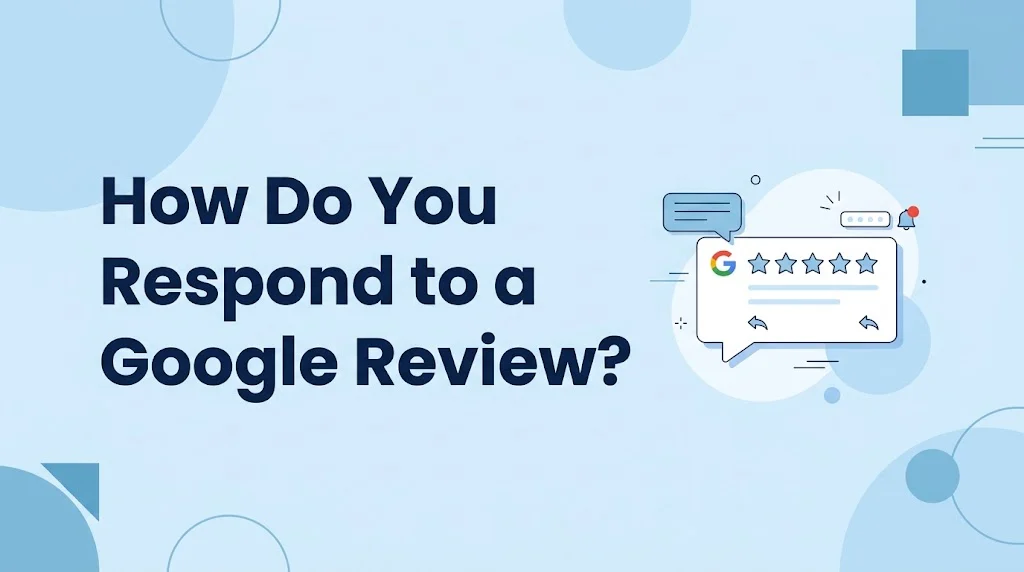
A Google review can be a tiny comment with a surprisingly big impact. One happy customer can become your unofficial brand ambassador, while one frustrated reviewer can have you staring at the screen thinking, “Okay, how do I answer this?” Whether you run a restaurant, salon, online business, hotel, clinic, store, or local service, knowing how to respond to a Google review matters. Your reply is not just for the person who wrote the review. Future customers are reading it too.
The best responses feel human, not copied and pasted from a customer-service handbook. A quick thank-you can strengthen a positive relationship, while a thoughtful response to criticism can show that your business listens and cares. From short and professional replies to friendly, apologetic, and clever responses, these examples make it easier to find the right words without sounding robotic.
Professional Responses
- Thank you for taking the time to share your feedback with us.
Example: Use this when responding to a general customer review in a professional business setting.
Meaning: You are showing appreciation for the customer’s time and feedback. - We truly appreciate your thoughtful review.
Example: Use this when a customer leaves a detailed and considerate review.
Meaning: You value the effort they made to share their experience. - Thank you for choosing our business and sharing your experience.
Example: Use this after a customer posts a positive review about your service.
Meaning: You appreciate both their business and their feedback. - We appreciate your feedback and are glad to hear about your experience.
Example: Use this for a positive but professional customer review.
Meaning: You are acknowledging their experience while maintaining a polished tone. - Your feedback means a great deal to our team.
Example: Use this when a customer praises your staff or service.
Meaning: You are emphasizing how valuable customer feedback is. - Thank you for recognizing the effort our team puts into every customer experience.
Example: Use this when someone specifically compliments your employees.
Meaning: You appreciate their recognition of your team’s work. - We are grateful for your continued support.
Example: Use this when replying to a returning customer’s review.
Meaning: You value their ongoing relationship with your business. - Thank you for sharing such valuable feedback.
Example: Use this when a review contains useful comments about your service.
Meaning: You consider the review helpful to your business. - We are pleased to know that your experience met your expectations.
Example: Use this for a professional response to a satisfied customer.
Meaning: You are glad the service delivered what the customer expected. - We appreciate your confidence in our team.
Example: Use this when a customer praises your professionalism or reliability.
Meaning: You are thankful that they trusted your business. - Thank you for your kind words and support.
Example: Use this when responding to a short positive review.
Meaning: You are expressing simple and sincere appreciation. - We value every piece of customer feedback we receive.
Example: Use this when responding to reviews across a professional business profile.
Meaning: You want customers to know their opinions matter. - It was a pleasure serving you. Thank you for your review.
Example: Use this after a customer describes a pleasant experience.
Meaning: You are combining appreciation with a friendly business tone. - Thank you for highlighting what matters most to our team.
Example: Use this when a customer praises an important part of your service.
Meaning: You are connecting their compliment with your business values. - We look forward to serving you again.
Example: Use this when closing a positive customer review response.
Meaning: You are welcoming the customer back.
Friendly Responses
- Thanks so much for the kind words!
Example: Use this when a happy customer leaves a short and cheerful review.
Meaning: You are responding warmly and naturally. - We are so happy you enjoyed your experience!
Example: Use this when someone says they loved your service.
Meaning: You are sharing their excitement. - This made our day. Thank you!
Example: Use this when a customer leaves an especially enthusiastic review.
Meaning: Their positive feedback genuinely made your team feel appreciated. - Thanks for stopping by and sharing the love!
Example: Use this for a casual local business with a friendly brand personality.
Meaning: You are showing appreciation in a relaxed way. - We are thrilled you had such a great experience!
Example: Use this after a glowing review.
Meaning: You are celebrating the customer’s satisfaction. - You just put a big smile on our team’s face.
Example: Use this when someone leaves a heartfelt compliment.
Meaning: Their kind words had a positive emotional impact on your team. - Thanks for being awesome and taking the time to review us!
Example: Use this for a playful brand with a casual audience.
Meaning: You are thanking the customer while keeping the response upbeat. - We are glad we could make your visit a good one!
Example: Use this when a customer compliments their visit.
Meaning: You are happy your business created a positive experience. - So glad to hear you enjoyed it!
Example: Use this for a short, natural response to a positive review.
Meaning: You are acknowledging their satisfaction warmly. - Thanks for sharing your experience with us!
Example: Use this when you want a simple response that works for many review types.
Meaning: You appreciate the customer’s feedback. - Your kind review means more than you know.
Example: Use this after a particularly heartfelt customer review.
Meaning: You want to emphasize the emotional value of their words. - We loved having you here!
Example: Use this for restaurants, salons, stores, hotels, and other customer-facing businesses.
Meaning: You enjoyed serving the customer. - Thanks for making our day a little brighter!
Example: Use this when someone leaves an enthusiastic compliment.
Meaning: Their review brought positivity to your team. - We appreciate you more than you know!
Example: Use this for a warm, community-focused business response.
Meaning: You are expressing genuine gratitude. - Come back anytime! We would love to see you again.
Example: Use this to end a cheerful response to a satisfied customer.
Meaning: You are warmly inviting them back.
Short Responses
- Thank you so much!
Example: Use this when the customer leaves a very short positive review.
Meaning: You are giving a simple expression of gratitude. - We appreciate you!
Example: Use this for a warm and concise response.
Meaning: You value the customer’s support. - Thanks for the ⭐⭐⭐⭐⭐!
Example: Use this when a customer leaves a five-star rating with little or no text.
Meaning: You are acknowledging the rating in a playful way. - So glad you enjoyed it!
Example: Use this after a positive review about your service or product.
Meaning: You are celebrating their satisfaction. - Thank you for your support!
Example: Use this when a customer praises your business.
Meaning: You appreciate their decision to support you. - We are grateful for your review!
Example: Use this as a polished short response.
Meaning: You appreciate the feedback. - Thanks for choosing us!
Example: Use this when a customer mentions enjoying their experience.
Meaning: You appreciate being selected over other businesses. - We are thrilled to hear this!
Example: Use this after an enthusiastic compliment.
Meaning: You are excited that the customer was satisfied. - You made our day! Thank you!
Example: Use this for a heartfelt five-star review.
Meaning: The review genuinely made your team happy. - We appreciate the kind words!
Example: Use this when someone compliments your staff or service.
Meaning: You are thanking them for their praise. - Thank you for stopping by!
Example: Use this for a local business review.
Meaning: You appreciate their visit. - So happy to hear that!
Example: Use this when a customer shares something positive.
Meaning: You are responding with genuine enthusiasm. - Thanks for sharing!
Example: Use this for a quick response to a positive review.
Meaning: You appreciate the customer taking the time to comment. - We hope to see you again soon!
Example: Use this at the end of a positive review response.
Meaning: You are inviting the customer to return. - Five stars right back at you!
Example: Use this for a casual and playful brand voice.
Meaning: You are responding with cheerful appreciation.
Responses To Positive Reviews
- We are thrilled that you had such a wonderful experience!
Example: Use this after a detailed five-star review praising several parts of your business.
Meaning: You are celebrating the customer’s overall satisfaction. - Thank you for highlighting our team’s hard work.
Example: Use this when a reviewer specifically praises your employees.
Meaning: You appreciate their recognition of your staff. - We are so glad our service made a difference for you.
Example: Use this when a customer explains how your business helped them.
Meaning: You value the positive impact of your service. - It means so much to know you enjoyed your visit.
Example: Use this for restaurants, salons, hotels, and local businesses.
Meaning: You appreciate hearing that their visit went well. - We could not ask for better feedback. Thank you!
Example: Use this after an especially enthusiastic review.
Meaning: You consider their praise extremely meaningful. - Your kind words will be shared with the whole team.
Example: Use this when employees are mentioned positively.
Meaning: You want the team to know their work was appreciated. - We are delighted that everything came together for such a great experience.
Example: Use this after a customer praises multiple aspects of their visit.
Meaning: You are pleased with their overall experience. - Thank you for noticing the little details.
Example: Use this when the reviewer mentions small touches they appreciated.
Meaning: You value their attention to the effort behind your service. - We are lucky to have customers like you.
Example: Use this for a warm and personal response.
Meaning: You are expressing sincere appreciation for their support. - Your review is exactly the kind of feedback we love receiving.
Example: Use this when a customer gives detailed praise.
Meaning: You are reinforcing the value of positive customer feedback. - We are smiling from ear to ear over this review!
Example: Use this for a playful and enthusiastic brand voice.
Meaning: The review genuinely made your team happy. - Thank you for making our team feel appreciated.
Example: Use this when the customer compliments employees.
Meaning: You are acknowledging the emotional value of their praise. - We are so glad you found exactly what you were looking for.
Example: Use this for product or service reviews.
Meaning: You are happy your business met the customer’s needs. - This is wonderful to hear. Thanks for sharing your experience!
Example: Use this for a positive review that includes personal details.
Meaning: You appreciate both their satisfaction and their story. - We cannot wait to welcome you back!
Example: Use this as a warm ending to a glowing review.
Meaning: You are excited about serving the customer again.
Responses To Negative Reviews
- We are sorry to hear that your experience did not meet expectations.
Example: Use this when a customer leaves a disappointed review.
Meaning: You are acknowledging their dissatisfaction without becoming defensive. - Thank you for bringing this to our attention.
Example: Use this when the review identifies a genuine service issue.
Meaning: You appreciate being informed about a problem. - We understand how frustrating this must have been.
Example: Use this when a customer describes a frustrating experience.
Meaning: You are showing empathy for their feelings. - We are disappointed to hear that we missed the mark.
Example: Use this when your business failed to meet the customer’s expectations.
Meaning: You accept that the experience was not what it should have been. - We would appreciate the opportunity to make this right.
Example: Use this when you want to move a negative interaction toward resolution.
Meaning: You are offering to address the problem. - Your feedback gives us an opportunity to improve.
Example: Use this when a review contains constructive criticism.
Meaning: You are treating criticism as useful information. - We take concerns like this seriously.
Example: Use this when a reviewer raises a significant service complaint.
Meaning: You want the customer to know the issue matters. - We are sorry that we did not provide the experience you expected.
Example: Use this when the customer explains that your service fell short.
Meaning: You acknowledge the gap between expectation and reality. - We would like to learn more about what happened.
Example: Use this when you need more details before responding fully.
Meaning: You are inviting the customer to explain the situation. - Thank you for giving us the chance to improve.
Example: Use this after receiving constructive criticism.
Meaning: You are responding positively to feedback. - We understand your frustration and apologize for the inconvenience.
Example: Use this when the customer experienced a service problem.
Meaning: You are combining empathy with an apology. - This is not the experience we want for our customers.
Example: Use this when a negative review describes a clear service failure.
Meaning: You are making it clear that the experience fell below your standards. - We are taking your feedback seriously.
Example: Use this when you want to reassure the reviewer that their complaint matters.
Meaning: You are showing that the feedback will not simply be ignored. - Please reach out to our team so we can discuss this further.
Example: Use this when resolving the issue requires private customer details.
Meaning: You are moving the conversation to a more appropriate channel. - We hope you will give us another opportunity to provide a better experience.
Example: Use this when you want to rebuild trust after a disappointing visit.
Meaning: You are inviting the customer to reconsider the business.
Apologetic Responses
- We sincerely apologize for your experience.
Example: Use this when a customer reports a serious service disappointment.
Meaning: You are offering a direct and respectful apology. - We are genuinely sorry that we let you down.
Example: Use this when a customer’s expectations were clearly not met.
Meaning: You are accepting responsibility for disappointing them. - Please accept our sincere apology for the inconvenience.
Example: Use this in a more formal business setting.
Meaning: You are expressing regret professionally. - We are sorry we did not deliver the experience you deserved.
Example: Use this when the customer received poor service.
Meaning: You acknowledge that the standard should have been higher. - We regret that your visit left you disappointed.
Example: Use this when responding to a negative experience.
Meaning: You recognize the emotional impact of the customer’s experience. - We apologize for falling short of our usual standards.
Example: Use this when the complaint concerns service quality.
Meaning: You are acknowledging that the experience was below your normal expectations. - We are truly sorry this happened.
Example: Use this when the customer describes an unexpected problem.
Meaning: You are showing genuine concern. - Your experience should have been much better, and we are sorry.
Example: Use this when a review describes a significant service issue.
Meaning: You acknowledge that the customer deserved better. - We apologize for any frustration this caused.
Example: Use this when the issue created inconvenience or confusion.
Meaning: You recognize the frustration caused by the situation. - We are sorry we missed the opportunity to serve you well.
Example: Use this when the customer is disappointed with the overall service.
Meaning: You accept that your business did not meet the expected standard. - We understand why you were disappointed, and we apologize.
Example: Use this when the review explains a clear reason for dissatisfaction.
Meaning: You are combining empathy with accountability. - We take responsibility for the experience you described.
Example: Use this when the business clearly contributed to the problem.
Meaning: You are demonstrating accountability. - We are sorry for the inconvenience and appreciate your patience.
Example: Use this when a service issue caused delays or disruption.
Meaning: You are acknowledging both the problem and the customer’s patience. - We wish we had delivered a better experience from the start.
Example: Use this when trying to rebuild trust.
Meaning: You regret that the customer encountered a problem. - Thank you for allowing us to learn from this experience.
Example: Use this when a negative review provides constructive information.
Meaning: You are responding to criticism with accountability and growth.
Responses To Unfair Reviews
- Thank you for sharing your perspective. We would be happy to clarify what happened.
Example: Use this when you believe the review leaves out important context.
Meaning: You are correcting the situation without attacking the reviewer. - We are sorry the experience felt this way and would welcome the chance to discuss it privately.
Example: Use this when you want to avoid arguing publicly.
Meaning: You are remaining respectful while seeking more information. - We take all feedback seriously, even when experiences differ.
Example: Use this when your records suggest a different version of events.
Meaning: You are acknowledging the review without immediately accepting every claim. - We would like to review the details before drawing conclusions.
Example: Use this when the complaint requires investigation.
Meaning: You want to understand the facts first. - We are happy to discuss this further if you contact our team directly.
Example: Use this when public comments do not provide enough context.
Meaning: You are inviting a private conversation. - We always aim to provide a fair and consistent experience.
Example: Use this when a reviewer claims they were treated unfairly.
Meaning: You are reinforcing your service standards. - We appreciate the opportunity to provide some additional context.
Example: Use this when a review contains misleading information.
Meaning: You want to clarify facts calmly. - We respect your perspective, even though our understanding of the situation differs.
Example: Use this when your business and the reviewer remember an incident differently.
Meaning: You disagree without becoming confrontational. - We would prefer to resolve the matter rather than debate it publicly.
Example: Use this when the review thread is becoming argumentative.
Meaning: You want a constructive private resolution. - We are happy to look into this if you can provide more details.
Example: Use this when the review does not identify the transaction or visit.
Meaning: You need additional information to investigate. - Our goal is always to understand concerns and address them appropriately.
Example: Use this when responding to a disputed complaint.
Meaning: You are emphasizing a solution-focused approach. - We appreciate your feedback and would welcome a chance to understand your experience better.
Example: Use this when the review seems incomplete or unclear.
Meaning: You are inviting more information without becoming defensive. - We believe context matters, and we would be glad to discuss it directly.
Example: Use this when important details cannot be shared publicly.
Meaning: You want to handle the disagreement privately. - We are committed to treating every customer with respect.
Example: Use this when a review questions your business’s fairness or professionalism.
Meaning: You are reinforcing your service values. - Thank you for raising the concern. We will review the situation carefully.
Example: Use this when you need time to investigate the complaint.
Meaning: You are acknowledging the issue without making unsupported claims.
Responses To Five-Star Reviews
- Thank you for the five stars! We truly appreciate it.
Example: Use this when the customer leaves only a five-star rating.
Meaning: You are thanking them for the positive rating. - Five stars from you means a lot to our team!
Example: Use this for a warm and friendly brand voice.
Meaning: You value the customer’s positive rating. - We are doing a little happy dance over here! Thank you!
Example: Use this for a playful business with a casual personality.
Meaning: The five-star rating genuinely made your team happy. - Thanks for helping our business shine!
Example: Use this when a customer gives a five-star rating.
Meaning: You appreciate their support and positive public feedback. - Your five-star review just made our day.
Example: Use this for an enthusiastic response to a glowing rating.
Meaning: Their feedback had a positive effect on your team. - We appreciate those five stars more than you know!
Example: Use this when you want a warm, personal response.
Meaning: You are emphasizing sincere gratitude. - Thank you for showing us some serious review love!
Example: Use this for a casual and playful brand.
Meaning: You are expressing cheerful appreciation. - Five stars and kind words? You are making us blush!
Example: Use this after an especially enthusiastic review.
Meaning: You are playfully showing how much the praise means. - We are thrilled to have earned those five stars!
Example: Use this when the customer gives a high rating.
Meaning: You are celebrating their satisfaction. - Thanks for trusting us and leaving such a great review!
Example: Use this when the review praises your reliability.
Meaning: You appreciate both their trust and feedback. - Those five stars are going straight to the team group chat!
Example: Use this for a playful response when employees are involved.
Meaning: You are joking that the team will be excited to hear the praise. - We appreciate every one of those stars!
Example: Use this for a short response to a five-star rating.
Meaning: You are acknowledging the customer’s positive rating. - Thanks for making our review page look extra happy!
Example: Use this for a playful social-media-friendly response.
Meaning: You are jokingly celebrating the positive rating. - Your five stars are the kind of feedback we love!
Example: Use this when you want to encourage future reviews.
Meaning: You are showing appreciation for positive feedback. - We cannot thank you enough for the five-star love!
Example: Use this as an enthusiastic closing.
Meaning: You are expressing strong gratitude for their rating.
Inspiring Responses To Constructive Feedback
- Thank you for the honest feedback.
Example: Use this when a customer points out something your business can improve.
Meaning: You appreciate their willingness to be candid. - We appreciate you pointing this out.
Example: Use this when a reviewer identifies a specific issue.
Meaning: You are acknowledging the usefulness of their criticism. - Your feedback gives us something important to work on.
Example: Use this when a customer identifies a genuine weakness.
Meaning: You are showing that the criticism can lead to improvement. - We are always looking for ways to improve, and your feedback helps.
Example: Use this when responding to a constructive review.
Meaning: You view customer feedback as part of business growth. - Thank you for helping us see this from a customer’s perspective.
Example: Use this when a reviewer explains how an issue affected them.
Meaning: You appreciate the insight their experience provides. - We will take this feedback back to our team.
Example: Use this when the review highlights a process or service problem.
Meaning: You are indicating that the feedback will be considered internally. - We appreciate the opportunity to do better.
Example: Use this when the review identifies a service shortcoming.
Meaning: You are responding positively to criticism. - Feedback like this helps us raise our standards.
Example: Use this when a customer suggests a meaningful improvement.
Meaning: You see criticism as motivation to improve. - We hear you, and we appreciate you sharing this.
Example: Use this for a warm but accountable response.
Meaning: You are acknowledging the customer’s concern respectfully. - We will use your feedback as we continue improving.
Example: Use this when you want a concise professional response.
Meaning: You are indicating that the review can influence future improvements. - Thank you for being honest about what could have been better.
Example: Use this when a review contains both positive and negative points.
Meaning: You appreciate balanced criticism. - We value feedback that helps us grow.
Example: Use this when responding to constructive criticism.
Meaning: You are presenting improvement as a business priority. - Your experience highlights an area we can strengthen.
Example: Use this when a review identifies a specific weakness.
Meaning: You acknowledge that improvement is possible. - We appreciate the chance to learn from your experience.
Example: Use this after a customer explains what went wrong.
Meaning: You are treating their experience as useful information. - Thank you for helping us become better at what we do.
Example: Use this when a customer provides useful criticism.
Meaning: You are expressing gratitude for feedback that can improve your service.
Casual And Playful Responses
- Okay, this review just made our whole day.
Example: Use this when a customer leaves an unexpectedly enthusiastic review.
Meaning: Their feedback genuinely made your team happy. - BRB, showing this review to everyone on the team.
Example: Use this for a casual brand that uses social-media language.
Meaning: You are playfully saying the team will enjoy the compliment. - You understood the assignment. Five stars right back at you!
Example: Use this after a fun five-star review.
Meaning: You are responding with playful appreciation. - Well, now we are smiling at our screens. Thanks!
Example: Use this when a review makes your team feel appreciated.
Meaning: Their words brought genuine happiness. - This review deserves its own little celebration.
Example: Use this after a glowing customer review.
Meaning: You are enthusiastically celebrating the feedback. - You just became our favorite reviewer.
Example: Use this for a playful response to an especially kind customer.
Meaning: You are humorously showing strong appreciation. - Adding this review to our good-vibes collection.
Example: Use this when your brand has a casual personality.
Meaning: You are saying the review brought positive energy. - We might frame this one. Seriously, thank you!
Example: Use this after an unusually heartfelt review.
Meaning: You are playfully emphasizing how much the feedback means. - Well, somebody understood exactly how to make our day.
Example: Use this after a glowing five-star review.
Meaning: You are warmly thanking the customer. - Our team just collectively said, “Aww!”
Example: Use this after a sweet customer review.
Meaning: The review created a shared moment of happiness. - That review hit us right in the feels.
Example: Use this for a casual response to a heartfelt review.
Meaning: The customer’s words were emotionally meaningful. - We came here to work, not cry over nice reviews.
Example: Use this when the review is exceptionally sweet.
Meaning: You are joking about how touched your team feels. - You officially made the review section fun today.
Example: Use this after a creative or funny customer review.
Meaning: You enjoyed the customer’s personality and feedback. - Okay, we are blushing over here. Thank you!
Example: Use this after a strong compliment.
Meaning: You are playfully showing that the praise made you feel appreciated. - Keep bringing those good vibes!
Example: Use this after a cheerful positive review.
Meaning: You are thanking the customer for their positive energy.
FAQs
Why should a business respond to Google reviews?
Responding shows customers that your business pays attention to feedback and values customer relationships. It also gives future customers additional context about how you handle praise and criticism.
How quickly should I respond to a Google review?
Try to respond reasonably soon, especially to negative reviews. A timely response shows that customer feedback is actively monitored.
How do you respond to a positive review?
Thank the customer, mention something specific from their review when possible, and invite them back. A simple response can be warm without being overly long.
How do you respond to a negative review?
Stay calm, acknowledge the customer’s concern, apologize when appropriate, and offer a way to resolve the issue privately. Avoid arguing or insulting the reviewer.
Should I respond to every Google review?
Ideally, yes. Responding consistently to reviews shows that you value customer feedback rather than only responding when something goes wrong.
Conclusion
A good review response is more than a quick “thanks.” It is a small piece of public communication that shows potential customers how your business treats people. Keep positive replies warm, negative replies calm, and constructive feedback focused on improvement. When possible, mention something specific from the review so your response feels genuinely written for that customer.
You do not need a perfect corporate speech every time. Sometimes a simple “Thank you for sharing your experience” is enough. Other times, a thoughtful apology or a friendly invitation to return can make a bigger difference. Save these responses, adapt them to your brand voice, and keep your review section feeling human. Happy replying!
Discover More Related Articles:
- How to Respond to Happy Thanksgiving | Cute, Funny & Polite Replies In 2026
- How to Reply to WSP | Funny, Flirty & Cool Responses In 2026

Richard Scott is an experienced author dedicated to creating compelling and well-researched content for online audiences. As a contributor to Responary.com, he enjoys sharing knowledge through clear, engaging, and informative articles that connect with readers worldwide.