Quick Answer
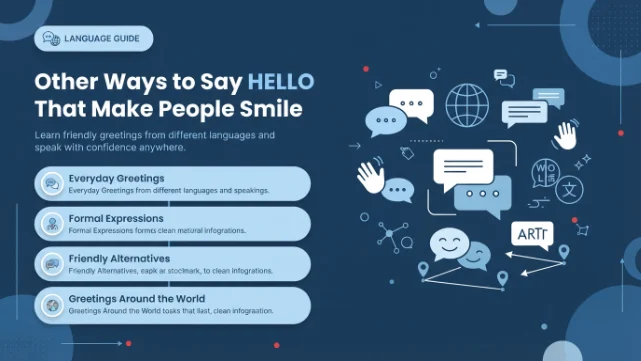
If you’re looking for other ways to say hello, you can use phrases such as Hi, Hey, Good morning, Greetings, and Nice to see you. The best choice depends on whether you’re speaking casually, professionally, or in a formal setting.
Other Ways to Say Hello can make your English sound more natural, engaging, and confident in everyday conversations. While “hello” is one of the first English words most learners master because it’s simple, friendly, and works in almost every situation, using the same greeting repeatedly can make your speech feel repetitive. Expanding your vocabulary with different greetings helps you communicate more effectively and leave a better impression.
As your English skills improve, learning a variety of greetings allows you to choose expressions that match different situations. Whether you’re introducing yourself in a business meeting, chatting with friends, writing emails, answering phone calls, or attending social events, knowing the right greeting helps you sound fluent and confident. It also allows you to match the tone of the conversation and express warmth, enthusiasm, or professionalism more naturally.
“The greeting you choose creates the first impression before the conversation even begins.”
Quick Categories
Formal Alternatives to “Hello”
- Good morning
- Good afternoon
- Greetings
- It’s a pleasure to meet you
Pro Tip: Choose formal greetings when speaking with clients, teachers, interviewers, or people you have just met.
Casual Alternatives
- Hi
- Hey
- What’s up?
- How’s it going?
Pro Tip: Casual greetings work best with friends, classmates, and people you know well.
Professional Alternatives
- Good morning
- Welcome
- Nice to meet you
- Thank you for joining us
Pro Tip: In professional communication, select greetings that sound respectful and polished.
Informal Expressions
- Hey there
- Yo
- Morning
- Hi everyone
Pro Tip: Informal expressions are great for relaxed conversations but should be avoided in formal business settings.
“Using the right greeting helps you sound fluent, polite, and confident.”
Common Mistakes When Using “Hello”
1. Using “Hey” in a Formal Email
Example:
❌ Hey Professor Smith
✔ Good morning, Professor Smith.
2. Greeting Everyone the Same Way
Different situations require different greetings.
3. Forgetting the Time of Day
Example:
❌ Good morning (at 8 p.m.)
✔ Good evening.
4. Using Informal Greetings During Interviews
Example:
❌ What’s up?
✔ It’s a pleasure to meet you.
5. Ignoring Cultural Expectations
Some cultures prefer formal greetings before becoming familiar.
Example:
Instead of saying “Hey,” begin with “Good afternoon.”
What Does “Hello” Mean?
“Hello” is a greeting used to begin a conversation or acknowledge someone’s presence. It is one of the most common English greetings and works in both spoken and written communication.
Grammar
“Hello” functions as an interjection, meaning it expresses a greeting rather than acting as a noun or verb.
Example:
Hello! It’s great to meet you.
When to Use “Hello”
Common situations include:
- Meeting someone for the first time
- Answering the phone
- Starting a conversation
- Greeting coworkers
- Greeting neighbors
- Beginning an email (informal)
- Welcoming guests
Spoken vs. Written
Spoken: Very common
Written: Suitable for informal emails and messages
Formal vs. Informal
Formal: Sometimes
Informal: Very common
“Small changes in your greetings can make your English sound much more natural.”
Is It Professional or Polite to Say “Hello”?
“Hello” is always polite and respectful. However, in highly professional settings, greetings such as “Good morning” or “Greetings” often sound more polished.
Business Example
Hello, Ms. Taylor. Thank you for taking the time to meet with me today.
Polite? ✔️ Yes
Professional? ❌ No (in most formal business situations)
Pros and Cons of Using “Hello”
Pros
- Simple and natural
- Friendly tone
- Common worldwide
- Easy to understand
Cons
- Too informal for some workplaces
- Can sound repetitive
- Limited emotional expression
- Not ideal for formal writing
Other Ways to Say “Hello”
These other ways to say hello help you sound more fluent, confident, and natural in different situations.
Use them according to your audience, relationship, and communication style.
Phrase: Hi
Meaning: A friendly greeting.
Explanation: One of the most common alternatives to hello.
Example Sentence:
Hi, Sarah! How have you been?
Best Use: Daily conversation
Worst Use: Formal ceremony
Tone: Friendly, casual, natural
Context Variability
- Casual: Hi, everyone!
- Professional: Hi, James.
- Spoken: Hi!
Phrase: Hey
Meaning: An informal greeting.
Explanation: Common among friends and younger speakers.
Example Sentence:
Hey! It’s great to see you.
Best Use: Friends
Worst Use: Job interview
Tone: Relaxed, informal, warm
Context Variability
- Casual: Hey!
- Professional: Rarely
- Spoken: Very common
Phrase: Good Morning
Meaning: A polite morning greeting.
Explanation: Suitable for professional and formal settings.
Example Sentence:
Good morning, everyone. Let’s begin today’s meeting.
Best Use: Workplace
Worst Use: Evening
Tone: Professional, respectful, polite
Context Variability
- Casual: Good morning!
- Professional: Excellent
- Spoken: Common
Phrase: Good Afternoon
Meaning: Greeting used after midday.
Explanation: Appropriate during afternoon conversations.
Example Sentence:
Good afternoon, Mr. Brown.
Best Use: Business
Worst Use: Morning
Tone: Formal, respectful, professional
Context Variability
- Casual: Sometimes
- Professional: Excellent
- Spoken: Common
Phrase: Good Evening
Meaning: Greeting used later in the day.
Explanation: Often used at events and formal gatherings.
Example Sentence:
Good evening.
Best Use: Events
Worst Use: Morning
Tone: Formal, polite, respectful
Context Variability
- Casual: Sometimes
- Professional: Excellent
- Spoken: Common
“Professional English starts with choosing the right greeting for the situation.”
Phrase: Greetings
Meaning: A formal greeting.
Explanation: Frequently used in professional emails and letters.
Example Sentence:
Greetings, everyone. Thank you for attending today’s webinar.
Best Use: Formal writing
Worst Use: Close friends
Tone: Formal, respectful, professional
Context Variability
- Casual: Rare
- Professional: Excellent
- Spoken: Sometimes
Phrase: Nice to Meet You
Meaning: Expresses pleasure after an introduction.
Explanation: Used when meeting someone for the first time.
Example Sentence:
Nice to meet you, Emily.
Best Use: First meetings
Worst Use: Existing friends
Tone: Friendly, polite, welcoming
Context Variability
- Casual: Common
- Professional: Excellent
- Spoken: Very common
Phrase: It’s a Pleasure to Meet You
Meaning: A more formal version of “Nice to meet you.”
Explanation: Shows extra respect.
Example Sentence:
It’s a pleasure to meet you, Dr. Wilson.
Best Use: Formal introductions
Worst Use: Close friends
Tone: Respectful, professional, courteous
Context Variability
- Casual: Rare
- Professional: Excellent
- Spoken: Common
Phrase: Welcome
Meaning: Greeting someone arriving.
Explanation: Makes people feel comfortable.
Example Sentence:
Welcome to our office.
Best Use: Hosting guests
Worst Use: Random greeting
Tone: Warm, inviting, professional
Context Variability
- Casual: Yes
- Professional: Excellent
- Spoken: Common
Phrase: Hey There
Meaning: A cheerful greeting.
Explanation: Slightly more energetic than “Hey.”
Example Sentence:
Hey there! How’s your day going?
Best Use: Friends
Worst Use: Formal meeting
Tone: Friendly, cheerful, relaxed
Context Variability
- Casual: Excellent
- Professional: Rare
- Spoken: Very common
Phrase: How Are You?
Meaning: A greeting that also asks about someone’s well-being.
Explanation: It is one of the most common ways to begin a friendly conversation.
Example Sentence:
How are you? It’s been a long time since we last met.
Best Use: Friendly chats
Worst Use: Formal speeches
Tone: Warm, polite, conversational
Context Variability
- Casual: How are you?
- Professional: How are you today?
- Spoken: Very common
Phrase: How’s It Going?
Meaning: A casual way to ask how someone is doing.
Explanation: Popular in everyday conversations with friends and coworkers.
Example Sentence:
How’s it going? I haven’t seen you in weeks.
Best Use: Everyday conversations
Worst Use: Job interviews
Tone: Casual, relaxed, friendly
Context Variability
- Casual: Excellent
- Professional: Sometimes
- Spoken: Very common
Phrase: What’s Up?
Meaning: An informal greeting asking what’s happening.
Explanation: Often used among friends instead of saying hello.
Example Sentence:
What’s up? Want to grab lunch later?
Best Use: Close friends
Worst Use: Business emails
Tone: Informal, relaxed, friendly
Context Variability
- Casual: Excellent
- Professional: Rare
- Spoken: Very common
Phrase: How Have You Been?
Meaning: A greeting used when meeting someone after some time.
Explanation: It shows genuine interest in the other person’s life.
Example Sentence:
How have you been since we graduated?
Best Use: Reunions
Worst Use: First meetings
Tone: Caring, friendly, warm
Context Variability
- Casual: Excellent
- Professional: Sometimes
- Spoken: Common
Phrase: Good to See You
Meaning: Expresses happiness about meeting someone.
Explanation: A polite greeting for both personal and professional situations.
Example Sentence:
Good to see you again, Michael.
Best Use: Meetings
Worst Use: Phone calls
Tone: Friendly, sincere, welcoming
Context Variability
- Casual: Excellent
- Professional: Good
- Spoken: Common
“Choosing the right greeting shows respect for both the person and the situation.”
Phrase: Nice to See You
Meaning: Shows pleasure when meeting someone again.
Explanation: Similar to “Good to see you” but slightly warmer.
Example Sentence:
Nice to see you again after all these years.
Best Use: Friends, colleagues
Worst Use: Emails
Tone: Warm, friendly, positive
Context Variability
- Casual: Excellent
- Professional: Good
- Spoken: Very common
Phrase: Welcome Back
Meaning: Greets someone returning after being away.
Explanation: Common at school, work, or home.
Example Sentence:
Welcome back! We missed you.
Best Use: Returning visitors
Worst Use: First meetings
Tone: Friendly, welcoming, supportive
Context Variability
- Casual: Excellent
- Professional: Good
- Spoken: Common
Phrase: Long Time No See
Meaning: A friendly greeting after not seeing someone for a while.
Explanation: Best used with people you already know.
Example Sentence:
Long time no see! How have you been?
Best Use: Old friends
Worst Use: Formal business
Tone: Friendly, cheerful, informal
Context Variability
- Casual: Excellent
- Professional: Rare
- Spoken: Very common
Phrase: It’s Great to See You
Meaning: Shows enthusiasm about meeting someone.
Explanation: A warmer alternative that expresses genuine happiness.
Example Sentence:
It’s great to see you again.
Best Use: Reunions
Worst Use: Cold introductions
Tone: Positive, warm, enthusiastic
Context Variability
- Casual: Excellent
- Professional: Good
- Spoken: Common
Phrase: Pleased to Meet You
Meaning: A formal greeting during introductions.
Explanation: Frequently used in business and professional environments.
Example Sentence:
Pleased to meet you, Mr. Anderson.
Best Use: Business introductions
Worst Use: Close friends
Tone: Formal, respectful, courteous
Context Variability
- Casual: Rare
- Professional: Excellent
- Spoken: Common
“Learning other ways to say hello helps you communicate naturally in every situation, from friendly chats to professional meetings.”
Comparison Table: Top Alternatives
| Phrase | Tone | Best Use |
|---|---|---|
| Hi | Friendly | Everyday conversations |
| Hey | Casual | Friends |
| Good Morning | Professional | Workplace |
| Good Afternoon | Formal | Business meetings |
| Good Evening | Respectful | Events and dinners |
| Greetings | Formal | Emails and letters |
| Nice to Meet You | Polite | First introductions |
| It’s a Pleasure to Meet You | Professional | Interviews and networking |
| Welcome | Warm | Greeting guests |
| Good to See You | Friendly | Seeing someone again |
Mini Quiz
1. Which greeting is the most appropriate for a job interview?
A. What’s up?
B. Hey there
C. It’s a pleasure to meet you
D. Yo
Answer: C
2. Which greeting is best for meeting a close friend?
A. Good afternoon
B. Hey
C. Greetings
D. Pleased to meet you
Answer: B
3. Your manager joins an online meeting at 9:00 a.m. Which greeting sounds most professional?
A. What’s up?
B. Good morning
C. Yo
D. Long time no see
Answer: B
4. Which phrase is best when you meet an old friend after several years?
A. Welcome
B. Long time no see
C. Greetings
D. Good afternoon
Answer: B
Phrase: Good Day
Meaning: A polite greeting suitable for daytime conversations.
Explanation: Common in some English-speaking countries and appropriate in both professional and casual settings.
Example Sentence:
Good day! How may I assist you today?
Best Use: Customer service
Worst Use: Late evening
Tone: Polite, respectful, professional
Context Variability
- Casual: Sometimes
- Professional: Excellent
- Spoken: Common
Phrase: Hi There
Meaning: A warm and friendly greeting.
Explanation: Slightly more personal than simply saying “Hi.”
Example Sentence:
Hi there! Welcome to our community.
Best Use: Friendly conversations
Worst Use: Formal presentations
Tone: Warm, cheerful, casual
Context Variability
- Casual: Excellent
- Professional: Sometimes
- Spoken: Very common
Phrase: Welcome Aboard
Meaning: A greeting for someone joining a team or organization.
Explanation: Frequently used in workplaces and group settings.
Example Sentence:
Welcome aboard! We’re excited to have you on the team.
Best Use: New employees
Worst Use: Everyday greetings
Tone: Professional, welcoming, encouraging
Context Variability
- Casual: Rare
- Professional: Excellent
- Spoken: Common
Phrase: Good to Have You Here
Meaning: Expresses appreciation for someone’s presence.
Explanation: A warm greeting suitable for meetings and events.
Example Sentence:
Good to have you here today.
Best Use: Meetings
Worst Use: Phone greetings
Tone: Friendly, welcoming, appreciative
Context Variability
- Casual: Good
- Professional: Excellent
- Spoken: Common
Phrase: How Do You Do?
Meaning: A very formal greeting during introductions.
Explanation: Mostly used in traditional or highly formal situations.
Example Sentence:
How do you do? It’s an honor to meet you.
Best Use: Formal introductions
Worst Use: Friends
Tone: Formal, traditional, respectful
Context Variability
- Casual: Rare
- Professional: Good
- Spoken: Limited
“Your greeting should match your audience, setting, and purpose.”
Phrase: Pleasure to See You Again
Meaning: Expresses happiness when meeting someone again.
Explanation: Suitable for professional and personal relationships.
Example Sentence:
Pleasure to see you again. I hope you’ve been doing well.
Best Use: Repeat meetings
Worst Use: First introductions
Tone: Warm, professional, polite
Context Variability
- Casual: Good
- Professional: Excellent
- Spoken: Common
Phrase: Happy to See You
Meaning: Shows genuine joy about seeing someone.
Explanation: A friendly greeting for people you know well.
Example Sentence:
I’m happy to see you today!
Best Use: Family, friends
Worst Use: Business interviews
Tone: Warm, sincere, cheerful
Context Variability
- Casual: Excellent
- Professional: Sometimes
- Spoken: Common
Phrase: Welcome, Everyone
Meaning: Greets a group of people.
Explanation: Common at meetings, classes, and presentations.
Example Sentence:
Welcome, everyone. Let’s get started.
Best Use: Group meetings
Worst Use: One-on-one greeting
Tone: Professional, inclusive, friendly
Context Variability
- Casual: Good
- Professional: Excellent
- Spoken: Very common
Phrase: Glad You’re Here
Meaning: Shows appreciation for someone’s presence.
Explanation: Makes people feel welcomed and valued.
Example Sentence:
We’re glad you’re here today.
Best Use: Team meetings
Worst Use: Formal letters
Tone: Friendly, welcoming, supportive
Context Variability
- Casual: Excellent
- Professional: Good
- Spoken: Common
Phrase: Salutations
Meaning: A very formal greeting.
Explanation: Often found in formal writing or humorous conversation.
Example Sentence:
Salutations, distinguished guests.
Best Use: Formal writing
Worst Use: Casual chats
Tone: Formal, elegant, traditional
Context Variability
- Casual: Rare
- Professional: Good
- Spoken: Limited
“Expanding your vocabulary with other ways to say hello makes every conversation feel more natural and engaging.”
FAQs
What are the best other ways to say hello?
Some of the best alternatives include Hi, Good morning, Greetings, Nice to meet you, Good to see you, and Welcome, depending on the situation and level of formality.
What is a professional alternative to saying hello?
Professional greetings include Good morning, Good afternoon, Greetings, It’s a pleasure to meet you, and Welcome. These sound respectful in business settings.
Is “Hi” more casual than “Hello”?
Yes. “Hi” is generally more casual than “Hello,” although both are polite and widely accepted in everyday English.
Which greeting should I use in an email?
For professional emails, choose greetings such as Good morning, Greetings, or Dear [Name]. For informal emails, Hello or Hi work well.
Why should I learn other ways to say hello?
Learning other ways to say hello helps you sound more fluent, improve professional communication, build confidence, and adapt your greeting to different social and workplace situations.
Conclusion
Learning other ways to say hello is one of the easiest ways to improve your English communication skills. A simple change in your greeting can make you sound more natural, confident, and appropriate in both personal and professional conversations.
Practice these expressions regularly and pay attention to your audience, setting, and purpose. The more greetings you know, the easier it becomes to build strong first impressions and communicate with confidence.

Jennifer Wilson is an experienced writer and content creator with over 20 years of expertise in digital publishing, lifestyle, and informative content. Holding a degree in English Literature, she contributes to Responary.Com, where she shares engaging, well-researched articles that help readers stay informed and inspired.